Table of Contents
Hotpants (Hot Pants)
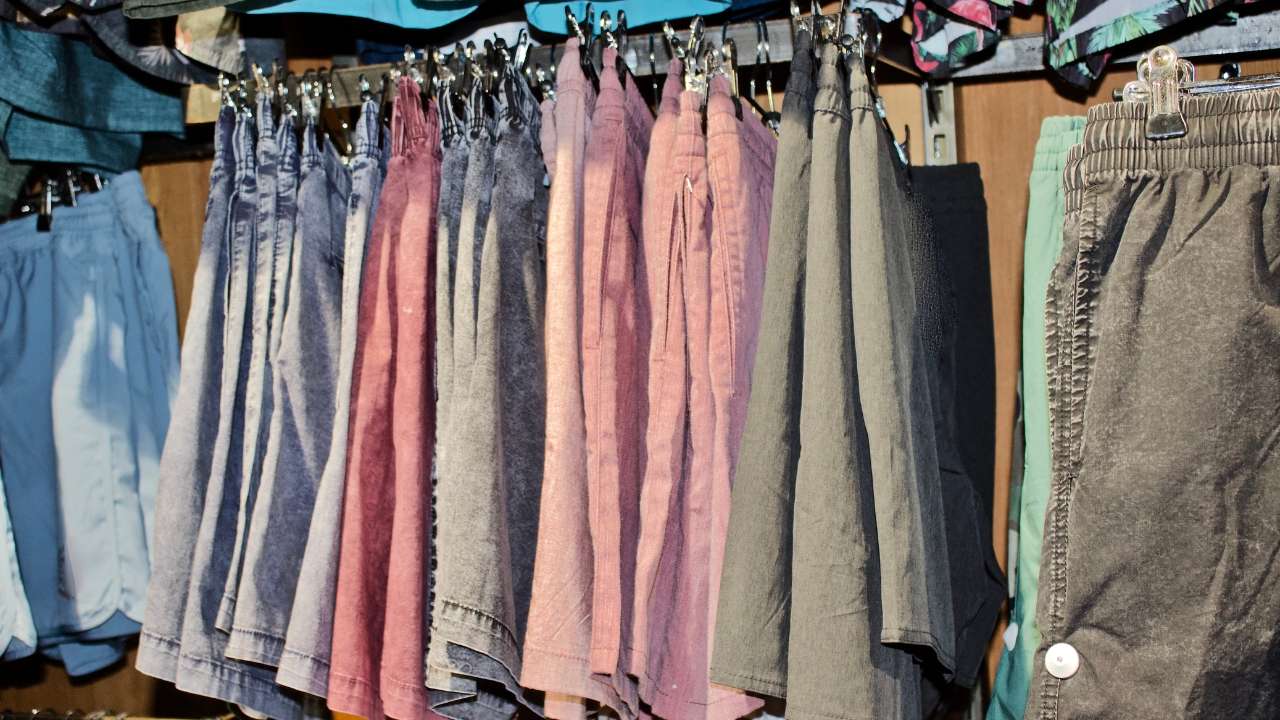
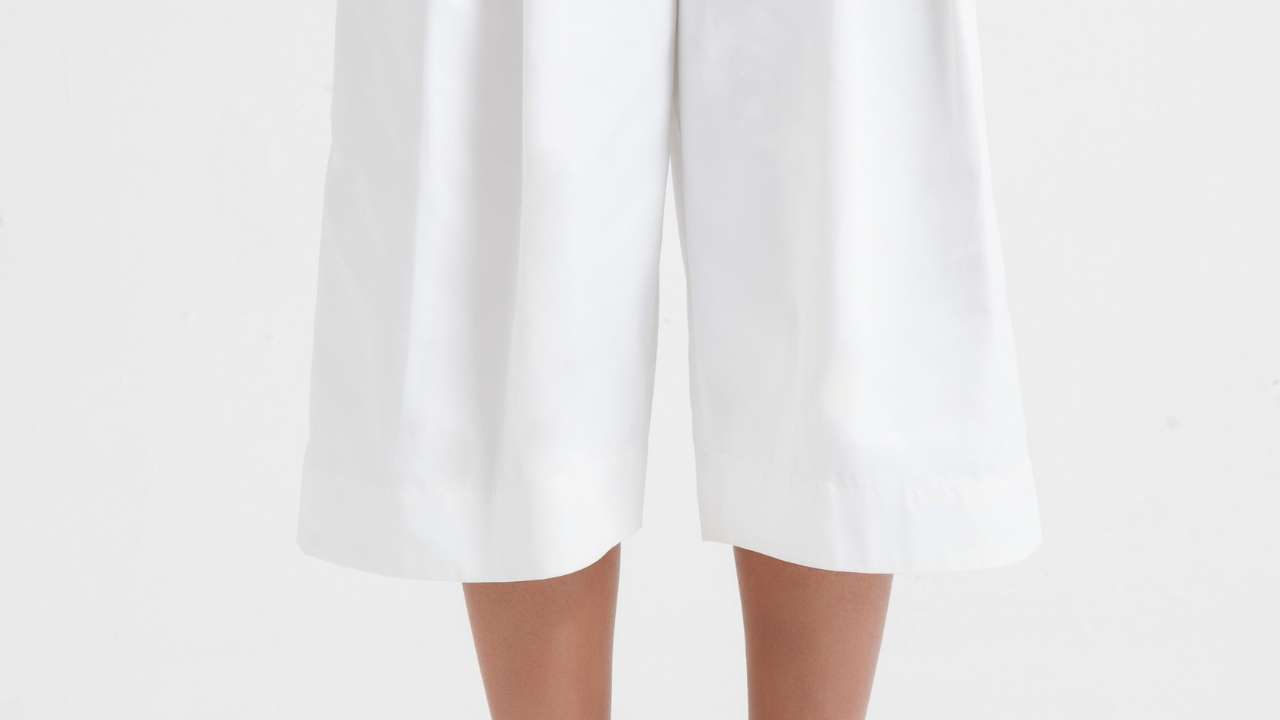
Hotpants or “Hot pants” are extremely short and sexy shorts that are popular in the fashion and entertainment industries. The term was first used in 1970 by Women’s Wear Daily, where shorts made of high-quality fabrics such as velvet and satin were called “Hotpants”. These shorts are worn above the knees and around the thighs and have become a prominent part of the fashion world.
In the 1930s, Hotpants were worn for sports or casual occasions, but in the 1970s they became a prominent part of fashion. Initially, they were a bold addition to women’s clothing, but by the mid-1970s they had become associated with the sex industry, which led to their falling out of the fashion mainstream. However, in the 2010s, Hotpants regained popularity, especially in the clubwear and entertainment sectors. Cheerleaders, dancers, and celebrities like Britney Spears and Kylie Minogue have worn Hotpants during their performances, reinforcing their modernity.
For Women Hotpants are considered a fashionable and comfortable piece of clothing. They are especially popular during the summer season and are available at various stores such as Amazon, Walmart, and nearby shopping centers. Sports and Entertainment Hotpants are a major choice among sports shorts for women, shorts designed for the gym, and short clothing from brands like Nike. For Men Short pants are also available for men for various occasions, such as men’s short pants or small shorts. Hotpants mean Extremely short and fashionable shorts. Alternative words for short trousers synonyms, short pants for women, and Hotpants. Online platforms Amazon, Lululemon, and Nike.
Hotpants are not only a part of fashion but are also used as comfortable clothing in the modern era. Whether you’re looking for shorts nearby or good summer shorts, Hotpants are a suitable choice for all ages and occasions.
Hotpants (Hot Pants)
| Hotpants | |
| Urdu Name | ہاٹ پینٹس |
| Type | Short shorts |
| Introduced | Early 1970s |
| Popularized by | Fashion designers such as Mary Quant |
| Fashion Era | 1970s |
| Purpose | Fashion statement, casual wear |
| Material | Variety including denim, velvet, satin |
| Significance | Symbol of sexual liberation and youth culture |
| Country of Origin | United Kingdom |
| Fashion Category | Women’s fashion, Streetwear |
Background and Origin of Hotpants
The term “Hot pants” is commonly used to describe very short shorts, but this type of clothing dates back to the 1930s. Initially, these garments were used for sports, beachwear, and leisure wear. However, the special aspect of Hotpants was that they were made from unconventional and more glamorous fabrics such as velvet, silk, crochet, fur, and leather, and were presented as street, party, or even bridal wear in addition to general use.
In 1970, Women’s Wear Daily introduced the term “Hot pants”. At that time, the French fashion company Dorothée Bis developed these short shorts that were not only comfortable but also extremely glamorous and fashionable. According to Dorothy Trecreve, fashion curator at the Brooklyn Museum, the shorts were inspired by the styles of 1930s and 1940s Hollywood celebrities such as Ruby Keller, Diana Durbin, and Betty Grable, but their popularity peaked in early 1971, when they became popular not only for entertainment but also for everyday wear.
Hotpants and Modern Fashion
The popularity of hotpants highlights women’s unique fashion identity. According to Audrey Smaltz, fashion editor of the African-American magazine Jet, hotpants were also called “knockout shorts” to recognize the beauty and strength of fashionable African-American women. Today, hotpants are known by various names, such as “lace shorts”, “cool pants”, and “booty shorts”. They are popular for a variety of occasions, such as clubwear, sportswear, and casual everyday wear.
Although this garment was designed mostly for women, since the 1970s, short shorts for men have also been called “Hotpants”, which shows the diversity of this fashion. Hotpants are not only a unique part of fashion, but also have historical and cultural significance. Today, they occupy a prominent position in the fashion world, and continue to be popular for various occasions.
Important References :
- Women’s Wear Daily (1970)
- New York Times (1971)
- Brooklyn Museum Fashion Archives
- Jet Magazine Fashion Articles (1971)
Reception: The Fashion of Hotpants and Its Social Status
In the late 1960s, the fashion industry introduced the midi skirt as an alternative to the miniskirt, but it did not gain the same popularity. In contrast, in the early 1970s, short shorts, or Hotpants, took the fashion world by storm. Their designs were available at all price levels, which was a sign of the popularity of the fashion.
Italian fashion designer Maruccia Mandelli is credited with designing the first “Hotpants”. Mary Quant also introduced this style of clothing in the 1960s, which were often worn with matching mini dresses. Major Western designers, such as Yves Saint Laurent, Valentino, Halston, and Betsey Johnson, also produced their own versions, while mass-market retailers such as Sears made them available at affordable prices.
Hotpants were not limited to women; they were also available for men and children. Jacqueline Kennedy Onassis, Elizabeth Taylor, Raquel Welch, Jane Fonda, and even the famous singer David Bowie wore them. Men’s Hotpants were slightly longer than women’s, but still significantly shorter.
Fashion and Controversy
In 1971, James Brown highlighted the fashion and beauty of the garment in his song “Hotpants”. However, Hotpants soon became associated with sexuality and prostitution. A Manhattan psychologist described them as a symbol of “women’s new freedom”, but they were also considered a means of expressing sexual attraction. By the mid-1970s, Hotpants were considered appropriate for special occasions, parties, and evening events, rather than for general wear. The use of Hotpants by Britney Spears in 1999 and Kylie Minogue in 2000 sparked a controversial debate in the media about whether they were appropriate clothing for young girls.

Popularity in the Present Day
In the 2010s, Hotpants, or booty shorts, remained popular in specific contexts, such as in places like South Beach in Miami and Venice Beach in Los Angeles. The unique dress codes of these places maintained the popularity of Hotpants.
Hotpants have carved their own niche in the fashion world and have undergone various cultural and social changes over time. The garment still retains its distinctive identity on various occasions today, and has become part of a remarkable fashion history.
Hotpants in Uniform
Hotpants have become more than just a fashion statement; they have also become popular as uniforms in various professions. Hotpants have been a popular choice for cheerleaders, service industries, and some military uses. The Dallas Cowboys cheerleaders introduced a unique fashion statement by making hotpants an integral part of their uniform, which includes midriff-baring tops and short shorts. The attire became a popular choice for cheerleaders and hip-hop dancers, especially backup dancers. In the service industry, hotpants have been made part of the uniform in some places. A prominent example is the Hooters restaurant chain, where servers (called “Hooters Girls”) wear tight orange shorts, pantyhose, and tank tops.

Southwest Airlines' Controversial Choice
In 1971, Southwest Airlines introduced tangerine-colored Hotpants as a uniform for its flight attendants, promoted as part of the “Love Birds” campaign. The uniform was designed to highlight the young, friendly, and attractive crew, but it soon came under fire from feminist groups, who considered the attire inappropriate for women. In 1971, the Philadelphia Phillies baseball team introduced red Hotpants jumpsuits for their elite women’s corps, the “Hotpants Patrol.” The move was intended to appeal to sports fans, but was discontinued in 1982 after protests from feminist groups.
The use of Hotpants, or very short shorts, was also seen in military contexts. South African and Rhodesian forces adopted short shorts for practical reasons in hot weather. The Austrian army also uses such shorts for physical training. The use of Hotpants has been seen not only in fashion but also in various professional fields. Their choice has often caused controversy and social debate, but their popularity has remained in certain sectors, where their use in certain contexts is still prominent today.
Conclusion
Hotpants have been a prominent part of the fashion world, used in various fields over time. Their role in cheerleading, the service industry, and military use was not only practical but also aesthetic. Their controversial side became evident when they faced criticism from feminist organizations and social circles, who considered their choice unsuitable for women. However, in some contexts, Hotpants have remained popular due to their utility and uniqueness.
Over time, the use of Hotpants has become limited, but they are still part of fashion and necessity in certain fields and occasions. The garment has become a cultural symbol, reflecting the independence, self-confidence, and social attitudes of women in different periods.