Table of Contents
IAI Harop (Israel Aerospace Industries)
The IAI Harop is a state-of-the-art loitering munition, developed by Israel Aerospace Industries (IAI), that has redefined the dynamics of modern aerial warfare. Unlike conventional drones or guided missiles, the Harop is a hybrid weapon system, often referred to as a “suicide drone” or “kamikaze UAV.” It carries a high-explosive warhead and is designed to loiter in the sky, identify hostile targets, and engage them by crashing directly into them, detonating on impact. This one-way mission profile enables precise and timely strikes against high-value and time-sensitive targets, significantly reducing the need for manned combat operations.
Introduced to the global defense market in the late 2000s, the IAI Harop quickly attracted international interest due to its innovative blend of reconnaissance, surveillance, and strike capabilities in a single platform. The system’s ability to loiter over potential target areas for extended periods — up to 9 hours — and deliver real-time intelligence before deciding on a strike offers military commanders unprecedented operational flexibility. The drone can be controlled by a human operator or perform its mission autonomously, depending on the engagement rules and mission requirements.
From a technical standpoint, the Harop is equipped with an electro-optical infrared seeker, providing high-resolution imagery and target identification, even in adverse weather conditions or during nighttime operations. Its 23 kg warhead is capable of neutralizing a variety of targets, including enemy radar systems, artillery units, communication infrastructure, and armored vehicles. Additionally, its operational range of approximately 1,000 kilometers allows it to engage deep targets while keeping ground forces or naval units safely behind the front lines.
Strategically, the IAI Harop represents a significant leap in the evolution of loitering munitions, a category of weaponry that has gained increasing relevance in modern warfare. Traditional air-to-ground attacks often require separate reconnaissance and strike platforms, but the Harop consolidates these roles, providing both persistent aerial surveillance and immediate strike capability. This dual-function design reduces response times and operational costs while enhancing tactical effectiveness on the battlefield.
In recent years, the Harop has been successfully employed in several regional conflicts, notably in the Nagorno-Karabakh conflict between Azerbaijan and Armenia, where it was credited for neutralizing high-value enemy assets, including air defense systems and command posts. Its combat performance has demonstrated the growing importance of loitering munitions in asymmetric warfare and high-intensity conflicts alike. As more nations recognize the tactical advantages of such systems, the Harop has become a sought-after asset among defense forces in Asia, the Middle East, and Europe.
Today, the IAI Harop continues to evolve, with potential upgrades in artificial intelligence, extended endurance, and improved target recognition algorithms. It remains one of the most recognized and capable loitering munitions in the world, symbolizing a shift towards unmanned, precise, and adaptive warfare strategies in the 21st century. Its strategic value, operational versatility, and combat-proven track record have secured its place as a cornerstone in the arsenals of modern military powers.
Quadcopter Drones (Quadrotor)

| Type | Loitering Munition (Suicide Drone) |
| Manufacturer | Israel Aerospace Industries (IAI) |
| Primary Purpose | Autonomous precision strike against high-value targets |
| First Deployment | 2009 (In combat, notably used by Israel, India, Azerbaijan, and other nations) |
| Range | 1000 km (approx.) |
| Maximum Speed | 115 km/h (71 mph) |
| Payload | 23 kg (Explosive warhead) |
| Endurance/Loitering Time | 6+ hours |
| Launch Platform | Ground-based launchers, mobile platforms, air-launched options |
| Targeting Technology | GPS, Electro-optical/Infrared (EO/IR) guidance systems |
| Impact in Hybrid Warfare | Used in asymmetric conflicts, such as the Nagorno-Karabakh conflict in 2020 |
| Strategic Importance | Shifts air defense strategy, counter-drone measures, low-cost but highly effective in modern warfare |
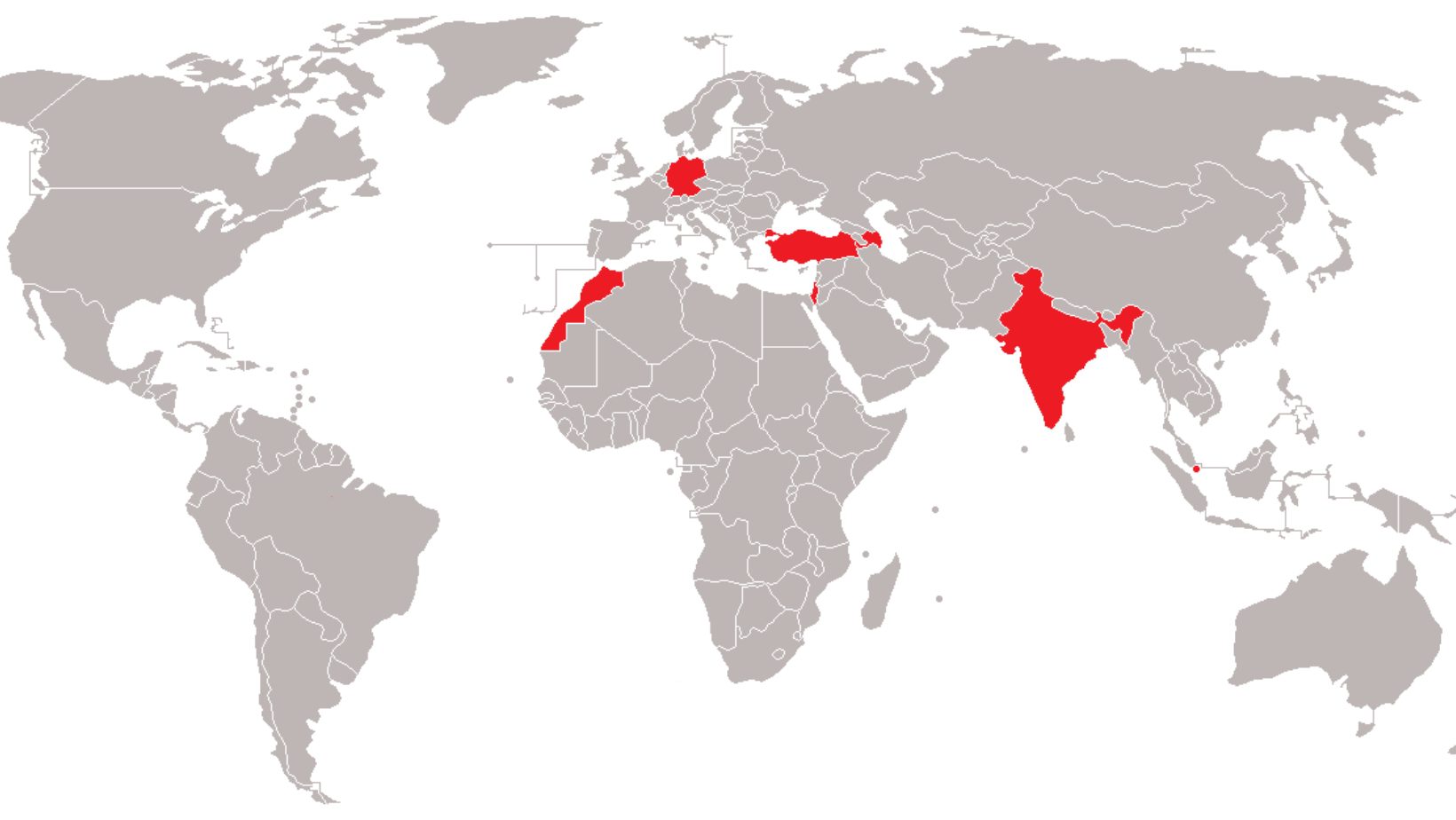
| Operator Countries | Israel, India, Azerbaijan, Singapore, and others |
| Cost per Unit | Approx. $100,000 to $150,000 |
Design and Development
The IAI Harop, often categorized as a loitering munition or “suicide drone,” is a product of Israel Aerospace Industries (IAI) — one of Israel’s foremost aerospace and defense manufacturers. Renowned globally for its cutting-edge unmanned aerial vehicle (UAV) programs and missile defense technologies, IAI embarked on the development of the Harop drone as part of a broader initiative to enhance Israel’s tactical and strategic options in asymmetrical warfare and precision strike capabilities.
Origin and Manufacturer: Israel Aerospace Industries (IAI)
Founded in 1953, Israel Aerospace Industries has been at the forefront of Israel’s aerospace and defense innovation, producing systems ranging from fighter jets and satellites to missile defense systems and UAVs. The IAI Harop project emerged as a response to the evolving requirements of 21st-century warfare, particularly in environments where traditional manned aircraft faced significant risk from sophisticated enemy air defenses. Recognizing the growing importance of unmanned, cost-effective, and precise strike systems, IAI designed the Harop to fulfill a dual role — persistent surveillance and direct attack — in a single, compact platform.
Development Timeline
The development of the IAI Harop drone began in the early 2000s, building upon the foundation laid by its predecessor, the IAI Harpy — a radar-homing loitering munition introduced in the 1990s. While the Harpy was designed primarily to detect and destroy radar installations, the Harop represented a significant evolution, equipped with an electro-optical infrared seeker and man-in-the-loop control options, allowing operators to visually identify and select targets in real time.
By 2005, prototype testing and trials were underway, with Israel’s defense establishment and international buyers taking keen interest in its potential. The Harop officially entered operational service in the late 2000s, making its public debut at international defense exhibitions, including the Aero India 2009 show in Bangalore, where it attracted considerable attention from regional militaries.
Technological Innovations and Unique Aspects
The IAI Harop drone introduced several technological advancements that distinguished it from other UAV and loitering munition systems of its time. Its defining feature is the ability to loiter over a target area for up to 9 hours, combining reconnaissance and strike functionalities in a single airframe. This extended endurance offers operational commanders greater flexibility in dynamic combat scenarios, allowing them to adjust strike decisions based on real-time developments.
Equipped with an advanced electro-optical/infrared (EO/IR) seeker, the Harop provides high-definition imagery, enabling operators to visually confirm targets before initiating a strike. Unlike traditional guided munitions, the Harop is capable of aborting or delaying attacks if the situation on the ground changes, significantly reducing the risk of collateral damage.
Its canister-based launcher system is another innovation, allowing for rapid deployment from land-based, naval, or mobile platforms. The IAI Harop specifications include a wingspan of 3 meters, a maximum speed of 185 km/h, and a warhead weighing 23 kilograms, making it effective against high-value fixed and mobile targets such as radar stations, command centers, and armored vehicles.
Comparison with Similar Systems
In the expanding field of loitering munitions, the IAI Harop faces comparisons with several contemporary systems, notably the Shahed-136 developed by Iran and the Hero-120 produced by Israel’s UVision. While the Shahed-136 has gained notoriety for its use in various conflicts in the Middle East and Ukraine, it operates on a more rudimentary guidance system and lacks the advanced EO/IR seeker and man-in-the-loop control that define the Harop. The Shahed-136 is typically pre-programmed for fixed-coordinate strikes and cannot dynamically loiter or abort missions once launched.
The Hero-120, on the other hand, is a lighter, tactical loitering munition designed for shorter-range missions and smaller warhead delivery. While it offers similar electro-optical targeting and real-time operator control, its operational range and payload capacity are notably less than the Harop’s, limiting its strategic application.
What sets the IAI Harop UAV apart is its combination of long-range, high-endurance loitering capability, advanced targeting systems, and battlefield flexibility. Its proven combat record, notably in the Nagorno-Karabakh conflict, where it was deployed extensively by Azerbaijan, has further established its reputation as one of the most reliable and effective loitering munitions available in the global defense market.
Operational History of the IAI Harop Drone
The IAI Harop, a loitering munition developed by Israel Aerospace Industries (IAI), underwent its initial testing phases in the early 2000s. Designed as an evolution of the IAI Harpy, the Harop combined surveillance capabilities with precision strike functions, allowing it to loiter over target areas and engage upon identification. Its early deployments focused on validating its dual-mode operation—autonomous targeting and operator-controlled engagement—across various terrains and combat scenarios.

Confirmed Combat Deployments
The Harop’s first confirmed combat use occurred during the April 2016 clashes in the Nagorno-Karabakh region, where Azerbaijani forces employed it against Armenian positions. Notably, the drone targeted a bus carrying Armenian soldiers, resulting in multiple casualties and demonstrating its effectiveness in precision strikes.
In the 2020 Nagorno-Karabakh conflict, Azerbaijan extensively utilized the Harop alongside other UAVs like the Bayraktar TB2. The Harop played a significant role in suppressing Armenian air defenses and striking high-value targets, contributing to Azerbaijan’s tactical advantages during the conflict.
Role in Major Conflicts (2010–2024)
Beyond the Caucasus, the Harop has seen deployment in various theaters. Reports indicate its use by the Israeli Air Force in operations targeting Syrian air defense systems, showcasing its capability in Suppression of Enemy Air Defenses (SEAD) missions.
India has also integrated the Harop into its military arsenal, with reports of its deployment in recent cross-border operations. In May 2025, during heightened tensions with Pakistan, India allegedly utilized Harop drones in precision strikes against Pakistani air defense installations. Pakistan claimed to have intercepted and destroyed several of these drones, highlighting the Harop’s role in contemporary South Asian military engagements.
2020 Nagorno-Karabakh War (Azerbaijan–Armenia)
The IAI Harop drone played a pivotal role in the 2020 Nagorno-Karabakh conflict between Azerbaijan and Armenia. Azerbaijan employed these loitering munitions to target Armenian military assets, including air defense systems and command posts. Notably, the Harop was used to destroy a Syrian Air Defence SA-22 Greyhound on 10 May 2018, demonstrating its effectiveness in Suppression of Enemy Air Defenses (SEAD) missions . The drone’s precision and ability to loiter over targets before striking contributed significantly to Azerbaijan’s military successes during the conflict.
2023 Syria–Israel Skirmishes
On 9 December 2024, the IAI Harop was utilized in an attack on Syrian Armed Forces within Syria . This deployment underscored the drone’s strategic value in targeted strikes against enemy positions. The Harop’s capability to engage high-value targets with minimal collateral damage made it an asset in Israel’s military operations during this period.
2025 India–Pakistan Conflict
In May 2025, hostilities escalated between India and Pakistan, marking a significant chapter in the operational history of the IAI Harop drone. India reportedly launched dozens of Israeli-made Harop attack drones as part of its military campaign, targeting Pakistani air defense systems and other strategic assets . Pakistan claimed to have shot down more than two dozen of these drones, including during an attack on an air defense system in Lahore. The use of Harop drones in this conflict highlighted their role in modern warfare, particularly in Suppression of Enemy Air Defenses (SEAD) operations.
The deployment of Harop drones by India and their subsequent interception by Pakistan underscored the evolving nature of drone warfare in the region. The conflict saw both nations employing advanced unmanned systems, with Pakistan also utilizing drones and missiles in retaliatory strikes against Indian targets . The strategic use of loitering munitions like the Harop in this conflict demonstrated their growing importance in achieving tactical objectives while minimizing risks to personnel.
The 2025 India–Pakistan conflict also emphasized the need for effective counter-drone measures, as both nations sought to protect their airspace from unmanned threats. The engagement of Harop drones in this theater of operations highlighted the increasing reliance on unmanned systems in modern military strategies and the challenges they pose to traditional defense mechanisms.
Use of IAI Harop Drones by Indian Armed Forces
In the escalating 2025 India–Pakistan conflict, the Indian Armed Forces have reportedly deployed Israeli-made IAI Harop drones, also known as loitering munitions, to target Pakistani military installations. These drones were utilized in “Operation Sindoor,” a retaliatory mission following the April 22 terrorist attack in Pahalgam, Jammu and Kashmir, which resulted in the deaths of 26 civilians . The Harop drones were employed to neutralize Pakistan’s air defense systems, including a key installation in Lahore.
The Harop drone, developed by Israel Aerospace Industries (IAI), is designed for Suppression of Enemy Air Defenses (SEAD) missions. It can loiter over target areas and dive into targets upon detection, effectively acting as both a surveillance drone and a lethal missile . India’s deployment of these drones marks a significant shift in its military strategy, emphasizing precision strikes and minimizing pilot risk.
Cross-Border Targeting Incidents
The use of Harop drones has intensified cross-border tensions, with Pakistan claiming to have shot down 25 Indian drones, including several Harops, over key cities such as Lahore and Karachi . Pakistan’s military reported that these drones targeted multiple locations, including air defense systems and military installations . India, on the other hand, has accused Pakistan of launching drone and missile attacks on Indian military bases in Jammu, Udhampur, and Pathankot .
The mutual accusations and drone engagements have led to significant military and civilian casualties on both sides. India reported intercepting Pakistani missiles and drones, stating no casualties, while Pakistan claimed Indian drones struck various sites, resulting in civilian deaths . The situation has escalated to the point where both nations have engaged in heavy cross-border shelling, further exacerbating the conflict .
Strategic and Political Impact
The deployment of IAI Harop drones by India has significant strategic and political implications. Militarily, it represents a shift towards high-precision, unmanned warfare, allowing India to conduct deep strikes with reduced risk to personnel. Politically, the use of foreign-made drones, particularly Israeli technology, underscores India’s growing defense ties with countries beyond its immediate region.
Pakistan’s response, including the reported downing of multiple Harop drones, highlights its reliance on Chinese military hardware and its own air defense capabilities . The conflict has drawn international concern, with fears of a broader military confrontation between the two nuclear-armed nations . Diplomatic efforts are ongoing, but the situation remains volatile, with both sides maintaining a posture of readiness and retaliation.
The 2025 India–Pakistan conflict, marked by the use of advanced drone technology, signifies a new era in South Asian warfare. The strategic deployment of IAI Harop drones by India has not only altered the military landscape but also added a complex layer to the geopolitical dynamics of the region.
Operators of the IAI Harop Drone
Autonomous Flight
The IAI Harop, developed by Israel Aerospace Industries (IAI), is a cutting-edge loitering munition designed for precision strikes and suppression of enemy air defenses. Its deployment has been primarily seen in the hands of military forces in the Middle East, Asia, and beyond. This section details the current official operators, potential future users, and the export regulations that govern its global distribution.
Current Official Operators
Since its inception, the IAI Harop has been integrated into the arsenals of several nations, with its capabilities making it a sought-after asset for modern militaries. The current operators of the IAI Harop include:
Israel (Inducted: 2010)
Israel, the developer and original operator of the IAI Harop, has been using the drone for a variety of missions including suppression of enemy air defenses (SEAD), intelligence gathering, and targeted strikes. Israel’s military, known for its cutting-edge technology, continues to deploy the Harop in various regional conflicts and security operations.
India (Inducted: 2016)
India became one of the first international buyers of the IAI Harop in 2016. The Indian Air Force (IAF) has utilized the Harop for counter-terrorism and defense suppression missions, particularly along the border with Pakistan. The drone has been employed in high-stakes operations, where precision and minimal collateral damage are essential.
Azerbaijan (Inducted: 2019)
Azerbaijan is another key operator of the IAI Harop, having integrated the drone into its military strategy following the Nagorno-Karabakh conflict in 2020. The Harop’s loitering capabilities proved valuable in targeting Armenian air defense systems, giving Azerbaijan a significant edge in the battlefield.
Singapore (Inducted: 2021)
Singapore has been leveraging the IAI Harop to bolster its defense capabilities, particularly in maritime and air defense operations. The drone’s precision and versatility make it an ideal tool for maintaining strategic superiority in Southeast Asia.
These nations have consistently updated their operational tactics, utilizing the Harop in real-time combat scenarios and military exercises to enhance their tactical advantage. The drone’s unique design allows it to loiter in a target area for extended periods, offering its operators the ability to strike at optimal moments.
Potential and Unconfirmed Users
While the IAI Harop has already seen deployment in a select group of countries, there are several others that have been speculated to potentially adopt the drone in the future. These include:
Turkey
Turkey, known for its growing military capabilities and advanced defense industry, is believed to be in talks with IAI regarding the acquisition of the Harop. The drone could significantly enhance Turkey’s operational capacity in its ongoing regional conflicts, especially in areas like Syria and Libya where air defense suppression is a critical mission.
Saudi Arabia
Given Saudi Arabia’s strategic partnership with Israel and its need for advanced defense systems in the ongoing Yemen conflict, there is speculation that Saudi Arabia may acquire the IAI Harop. The drone would complement the kingdom’s existing arsenal of unmanned aerial vehicles (UAVs) and offer a new dimension for precision strikes.
Ukraine
Amid the ongoing conflict with Russia, Ukraine has reportedly expressed interest in obtaining loitering munitions like the IAI Harop to bolster its defenses against Russian air and missile strikes. The drone’s capabilities to neutralize radar systems and air defense installations could prove invaluable in Ukraine’s defensive operations.
Although the United States has not officially confirmed plans to adopt the IAI Harop, its interest in loitering munition technology has been well-documented. The U.S. military’s interest in systems like the Harop stems from the growing demand for cost-effective precision strike weapons, particularly for counter-insurgency and anti-terrorism operations.
Export Regulations and Restrictions
The global proliferation of the IAI Harop is tightly controlled, governed by both international arms trade regulations and the domestic policies of Israel. As with many advanced military systems, the export of the Harop is subject to stringent guidelines to prevent misuse or destabilization in volatile regions.
Israel’s Defense Export Control Policy
Israel maintains a strict export control policy for military technologies, particularly for advanced systems like the IAI Harop. The country’s defense export regulations are designed to ensure that such technologies are only sold to friendly nations with which Israel shares strategic interests or mutual defense agreements. These controls are meant to prevent the technology from falling into the hands of adversaries or unstable regimes.
International Arms Trade Regulations
The global arms trade is governed by various international treaties, including the Arms Trade Treaty (ATT), which aims to regulate the transfer of conventional weapons and ensure that such transfers do not contribute to conflict or human rights abuses. The IAI Harop’s deployment is carefully monitored in accordance with these regulations, and Israel works closely with international bodies to ensure compliance.
Regional Restrictions
Certain regions face additional restrictions due to geopolitical sensitivities. For example, the sale of the IAI Harop to nations involved in active conflicts or those with unstable political climates is closely scrutinized. Israel has been particularly cautious in its dealings with countries in the Middle East, where the use of such high-tech weaponry could significantly alter the balance of power.
Political and Military Partnerships
Israel’s military sales are often influenced by broader political and military alliances. For example, countries with strong defense ties to Israel, such as India and Azerbaijan, are more likely to gain approval for Harop drone purchases, while potential buyers with less-established ties may face more rigorous scrutiny.
The IAI Harop’s export is a complex process that balances Israel’s security interests with international regulations. While the drone has proven to be a game-changing asset on the battlefield, its proliferation is carefully controlled to ensure it is used responsibly by nations that align with Israel’s strategic priorities.
Potential and Unconfirmed Users of the IAI Harop Drone
The IAI Harop drone has proven its strategic value in a variety of military contexts, particularly for countries seeking to enhance their air defense and precision strike capabilities. While the drone is already in use by a select group of nations, several other countries have expressed interest or are suspected to be potential future operators of the system. These potential users have not yet confirmed official procurement or operational status, but their strategic military needs and increasing interest in loitering munition technology suggest that the IAI Harop may play a role in their defense arsenals in the near future.

One of the key factors driving the interest in the IAI Harop is the growing demand for advanced drone systems capable of performing both reconnaissance and strike missions. As nations continue to adapt to modern warfare, loitering munitions like the Harop—capable of engaging high-value targets with precision and minimal collateral damage—become an attractive option for militaries around the world.
Export Regulations and Restrictions
The IAI Harop, like many advanced military technologies, is subject to a range of export controls and regulations. These restrictions ensure that the drone is only sold to countries that meet specific political and security criteria, aligning with international standards and avoiding misuse or escalation of conflicts.
Israel, as the originator and primary manufacturer of the Harop, has stringent export controls in place to maintain control over the dissemination of its military technologies. The Israeli government’s defense export policy is primarily governed by the Israel Ministry of Defense (IMOD) and is designed to maintain the security of the state, while also taking into consideration diplomatic relations and regional stability. The approval process for Harop exports involves both military and political assessments to ensure that the technology does not fall into the wrong hands or exacerbate existing tensions.
The IAI Harop has been sold to several countries with established defense relationships with Israel, but its export is not without limitations. For example, due to the potential for escalation, Israel exercises caution in selling such advanced systems to nations involved in active territorial disputes or those that may use the technology in regional conflicts. This includes balancing the interests of key allies, such as the United States and European Union members, while ensuring that the Harop does not fall into adversarial hands.
Another layer of restriction is the adherence to international arms control treaties. Israel, though not a signatory to the Nuclear Non-Proliferation Treaty (NPT), closely aligns with the international norms governing arms trade, particularly with the Missile Technology Control Regime (MTCR), which seeks to prevent the proliferation of missile systems capable of carrying weapons of mass destruction. This ensures that the Harop, while versatile in its capabilities, is not deployed in a manner that could undermine global security.
The export of the Harop is also affected by the complex political landscape in regions such as the Middle East and Asia. For example, tensions between countries like India and Pakistan or Azerbaijan and Armenia could influence the approval process for the drone’s deployment in these regions. While Israel has sold the Harop to countries like India and Azerbaijan, similar sales to other nations may be delayed or denied due to the broader geopolitical ramifications.
Furthermore, there is growing international scrutiny regarding the use of loitering munitions like the Harop in various military conflicts. While the drone’s use in targeted strikes is seen as an advancement in precision warfare, its potential for misuse in civilian areas or conflict zones where non-combatants are at risk has raised concerns. This issue has prompted calls for stronger regulations on the use of such systems, adding another layer of complexity to any future sales.
In conclusion, while the IAI Harop continues to be an asset for current operators, its export is tightly regulated. Countries interested in acquiring the drone must navigate a complex web of diplomatic, political, and security considerations. The potential for new users is high, given the increasing demand for precision-strike capabilities in modern warfare, but each sale will likely be subjected to rigorous scrutiny to maintain regional stability and uphold international security standards.
Specifications
The IAI Harop, a state-of-the-art loitering munition developed by Israel Aerospace Industries (IAI), is designed for high-precision strike capabilities. It operates as both a surveillance platform and an attack drone, primarily employed for precision targeting of high-value assets. The Harop’s specifications are a testament to its advanced engineering, offering a blend of speed, range, and devastating payloads that make it an indispensable tool in modern warfare. Below are the key technical specifications that define the IAI Harop drone in 2025.
General Characteristics
The IAI Harop is a compact, lightweight drone, designed for rapid deployment and versatile operation in complex combat scenarios. Its dimensions and weight are optimized for quick maneuvers and high endurance during missions.
Length: The IAI Harop has a length of approximately 2.5 meters (8.2 feet), which makes it small enough to be integrated into a variety of launch platforms while retaining significant operational capabilities.
Wingspan: With a wingspan of 3 meters (9.8 feet), the Harop’s aerodynamic design ensures stability during loitering and precision strikes.
Weight: The drone has a maximum takeoff weight of approximately 135 kg (297 lbs), which includes its payload and fuel, ensuring a balance between carrying a powerful warhead and maintaining efficiency in flight.
Performance
The Harop’s performance characteristics are designed to meet the demands of modern tactical operations, allowing it to execute both intelligence, surveillance, and reconnaissance (ISR) missions, as well as precision strike operations.
Speed: The IAI Harop is capable of reaching a maximum speed of 115 km/h (71 mph). While not as fast as traditional combat drones, its speed is optimized for loitering and targeting high-value assets without drawing excessive attention.
Range: One of the Harop’s standout features is its extended operational range. It boasts a range of up to 1,000 kilometers (621 miles), allowing it to strike targets far beyond the reach of conventional manned aircraft.
Loiter Time: The Harop can remain on station for up to 6 hours, making it highly effective for sustained operations. This loiter time allows operators to wait for the optimal moment to strike, a critical advantage in modern warfare where timing is crucial.
Ceiling: The maximum operational altitude of the Harop is 35,000 feet (10,668 meters). This gives the drone the ability to fly at altitudes beyond the reach of most ground-based air defense systems while still providing precision targeting capabilities.
Warhead
The IAI Harop is equipped with a powerful warhead that ensures maximum damage on impact. Designed for use against high-value and high-priority targets, the warhead is tailored for its loitering munition capabilities.
Type: The Harop carries a high-explosive (HE) warhead, optimized for destroying enemy infrastructure, radars, communication systems, and even armored vehicles. The warhead is designed to penetrate targets with precision, ensuring minimal collateral damage.
Weight: The warhead weighs around 23 kg (50.7 lbs), allowing for a significant explosive impact while maintaining the drone’s overall efficiency in flight.
Detonation Mechanism: The warhead utilizes a contact detonation system, ensuring it delivers a lethal blow when it reaches its target. Additionally, the Harop is equipped with an autonomous guidance system that enables the drone to identify, track, and strike targets with high accuracy before detonating.
Propulsion
The IAI Harop’s propulsion system is designed for optimal performance in both loitering and attack modes, providing the necessary thrust to reach long-range targets and maintain stability in complex flight environments.
Engine Type: The drone is powered by a small turbojet engine, which is efficient and reliable, providing the Harop with its ability to cruise at a relatively high speed over long distances. The turbojet engine’s lightweight and high-efficiency design contribute to the Harop’s impressive performance in both endurance and strike capabilities.
Fuel Capacity: The Harop’s fuel capacity supports its long-range operations, ensuring it can stay aloft for extended periods without the need for frequent refueling. Its fuel capacity allows it to execute missions that range up to 1,000 kilometers without compromising performance or payload.
Launch Platform
The IAI Harop can be launched from a variety of platforms, adding to its flexibility in deployment. Whether in maritime, land-based, or air-based settings, the Harop can be rapidly deployed where needed.
Canister Launcher: The drone can be launched from a canister launcher, which is designed to be mounted on mobile platforms. This system allows for quick deployment in various terrain and operational environments, providing flexibility and speed for military operations.
Mobile Launcher: The IAI Harop can also be launched from mobile ground platforms, allowing for swift repositioning and rapid reaction times. This mobile capability ensures that the drone can be deployed and repositioned in real-time, enhancing its tactical versatility on the battlefield.
Variants
The IAI Harop drone, renowned for its versatility and precision, is part of a broader family of loitering munition systems developed by Israel Aerospace Industries (IAI). These systems share core technologies but differ in terms of capabilities, enhancements, and operational use. The evolution of these variants, particularly in the 2024-2025 timeframe, highlights the continual advancements in loitering munition technologies. Below is a detailed exploration of the IAI Harop and its variants.
Standard IAI Harop
The standard IAI Harop represents the foundational model of the system, first introduced in the mid-2000s. It was designed to fill a gap in Israel’s defense strategy, offering a platform that could perform both surveillance and attack missions with a high degree of autonomy. The standard Harop features a small, lightweight design with a high-explosive warhead and an operational range of up to 1,000 kilometers (621 miles). Its capabilities make it an ideal solution for precision strikes on enemy infrastructure, radar systems, and command-and-control nodes.
The standard IAI Harop operates via a loitering munition concept, where the drone remains on station in a designated area and waits for a high-value target to appear. Once a target is identified, the drone autonomously closes in on the target, either delivering a devastating strike or relaying real-time surveillance data back to operators. This self-sufficiency in targeting and decision-making differentiates the Harop from traditional UAVs, which generally require human intervention for target identification and engagement.
Upgraded Models (2024–2025 Updates)
In recent years, particularly through 2024 and 2025, IAI has continued to refine the Harop platform to enhance its operational range, intelligence capabilities, and survivability against emerging threats. These upgraded versions incorporate several key improvements over the standard model, addressing evolving operational requirements in modern warfare.
Enhanced Targeting and Guidance: The new models feature advanced AI-powered guidance systems that allow the Harop to identify and engage targets with even higher accuracy. These upgrades improve the drone’s ability to function in heavily contested electronic warfare environments, where traditional GPS signals may be jammed or spoofed.
Improved Propulsion: In response to increasing demand for extended endurance, the upgraded Harop variants include a more efficient turbojet engine that allows for longer loiter times and the ability to cover more ground. The fuel capacity has also been increased, giving the Harop the ability to stay on station for up to 6 hours, making it a more versatile asset for sustained operations.
Increased Payload Capacity: The newer models of the Harop have been upgraded to carry additional payloads, such as smaller surveillance sensors or secondary warheads for specific missions. This increase in payload capacity enhances the Harop’s multi-role functionality, enabling it to perform reconnaissance and attack missions more efficiently.
Cyber Resilience: The upgraded Harops have been fortified against cyber-attacks, with enhanced anti-jamming and anti-tampering capabilities, ensuring the system remains operational in high-threat environments where electronic warfare tactics are used.
These updates allow the Harop to remain a highly capable and adaptable loitering munition, keeping pace with new challenges in aerial warfare.
Harpy and Harpy NG (Related Systems)
The Harpy and Harpy NG are two related loitering munition systems that share key technologies with the IAI Harop. While not direct variants of the Harop, these systems are often mentioned in the same breath due to their similar operational roles and their shared development lineage.
Harpy: The Harpy is a precursor to the IAI Harop, developed in the late 1990s. It was the first operational loitering munition to be deployed by Israel, designed primarily for suppression of enemy air defenses (SEAD). The Harpy is equipped with a high-explosive warhead and is programmed to locate and destroy radar systems, making it a vital asset in the early phases of an aerial campaign. The Harpy was primarily used during the 1990s and 2000s, with its last major use occurring in the 2006 Lebanon War.
Harpy NG: The Harpy NG (Next Generation) is an enhanced version of the Harpy, developed to address the increasing need for more precise and longer-range loitering munitions. The Harpy NG is equipped with an upgraded guidance system and has a greater operational range than its predecessor. It is designed for use against a broader range of high-value targets, including air defense systems, radars, and communications infrastructure. The Harpy NG can be operated in a wide range of environments, offering increased flexibility and resilience in high-threat scenarios.
While the Harpy and Harpy NG are similar in many ways to the IAI Harop, they focus more on electronic warfare and suppression roles, whereas the Harop’s role has evolved to include precision strike missions against diverse targets. The development of these systems, in parallel with the Harop, reflects IAI’s broader strategy to provide flexible and multi-role loitering munition solutions for a wide array of military applications.
Gallery