

Table of Contents
Cyclone Ditwah (Tropical Cyclone)
Cyclonic Storm Ditwah—officially known as Cyclone Ditwah—was one of the most destructive storms of the 2025 North Indian Ocean cyclone season. Forming in late November 2025 from a well-marked low-pressure area, the system intensified steadily before developing into a full cyclonic storm. As it moved toward Sri Lanka, Ditwah began generating widespread rainfall bands that signaled the scale of the disaster that was about to unfold.
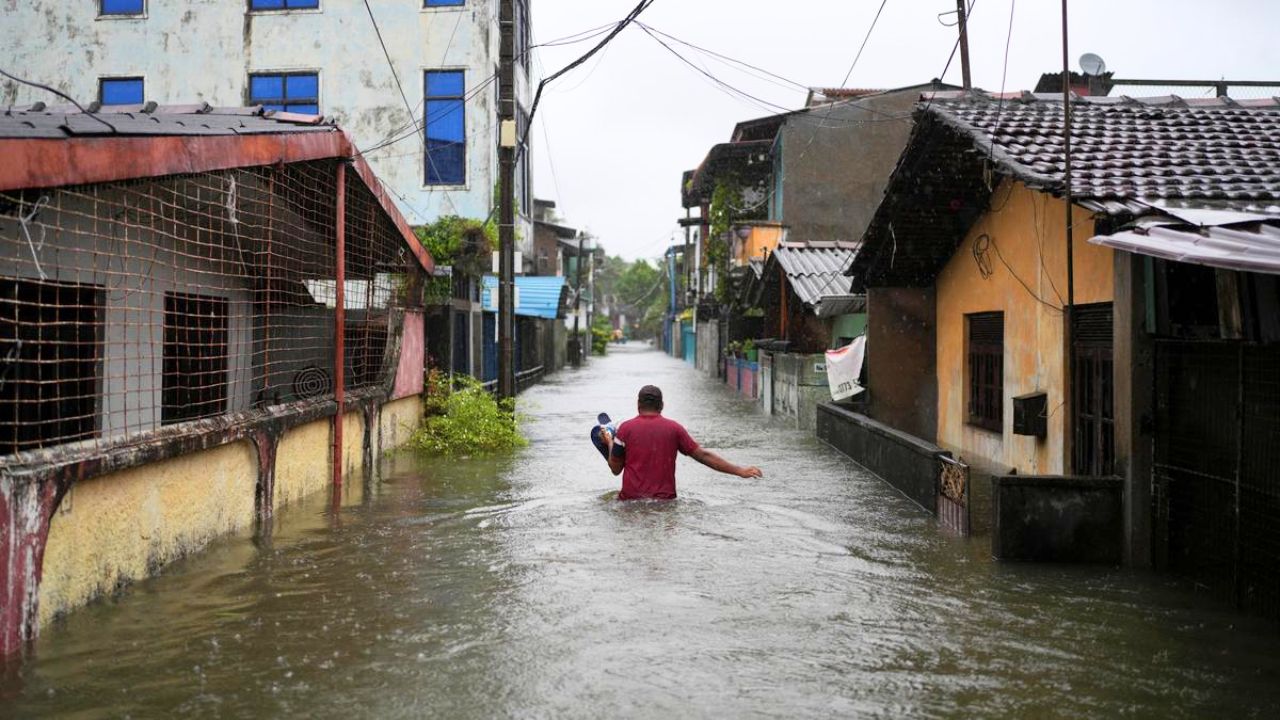
When Cyclone Ditwah made landfall in Sri Lanka, it unleashed relentless rain, flash floods, and deadly landslides, turning the storm into a national catastrophe. The impact was severe across multiple districts, and by the time early rescue efforts began, more than 480 people had already lost their lives. Entire communities were cut off, transportation networks collapsed, and emergency teams struggled to access regions buried under mud and debris.
After sweeping across Sri Lanka, Ditwah moved back into the Bay of Bengal, where warm waters briefly strengthened the system again. Tracking parallel to India’s Coromandel Coast, the cyclone brushed areas of Tamil Nadu and Pondicherry, bringing intense rainfall and strong winds to coastal communities. Although it did not make a second landfall in India, its outer bands caused dangerous sea conditions and local flooding.
By 30 November, Cyclone Ditwah began to lose strength as it encountered unfavorable atmospheric conditions. The storm gradually weakened into a deep depression while lingering near the Tamil Nadu–Pondicherry coastline. Over the next two days, the system continued to deteriorate, transitioning into a depression by 2 December and eventually dissipating into a post-tropical remnant on 3 December 2025.
Cyclone Ditwah is now remembered as a defining weather event of the season—not only for its intensity but also for its unusual path and prolonged duration. Its devastating effects in Sri Lanka and the surrounding region highlighted the increasing vulnerability of coastal and island nations to extreme climate events. Ditwah also reinforced the urgent need for stronger early-warning systems, resilient infrastructure, and community preparedness in areas exposed to tropical cyclones.
Cyclone Ditwah (Tropical Cyclone)
| Name | Cyclonic Storm Ditwah |
| Season | 2025 North Indian Ocean Cyclone Season |
| Formation Date | 26 November 2025 |
| Landfall | 28 November 2025 – Sri Lanka |
| Dissipation | 3 December 2025 (as a post-tropical cyclone) |
| Storm Type | Tropical Cyclone (Cyclonic Storm) |
| Origin | Formed from a well-marked low-pressure system in the Bay of Bengal |
| Peak Intensity | Cyclonic Storm (Indian Meteorological Department classification) |
| Countries Affected | Sri Lanka, India (Tamil Nadu & Pondicherry – coastal impact) |
| Main Impacts | Heavy rainfall, severe flooding, landslides, infrastructure damage |
| Fatalities | 480+ (Sri Lanka) |
| Damage | Major destruction to homes, roads, bridges, and farmlands |
| Storm Path | Sri Lanka → Bay of Bengal → parallel to Coromandel Coast (India) |
| Weakening Timeline | Deep Depression on 30 November → Depression on 2 December → Post-tropical on 3 December |
| Notable Features | Rapid intensification, dual-phase movement, prolonged rainfall, high death toll |
| Reason for Severity | Continuous rainfall, unstable soil leading to landslides, widespread flooding |
Meteorological History
Cyclone Ditwah began its life as a clearly identifiable low-pressure area over the central Bay of Bengal in late November 2025. Warm sea-surface temperatures and favourable atmospheric conditions allowed the system to gradually organize. Within a short period, convection strengthened around the low-pressure center, and Ditwah was officially classified as a tropical depression.
As the depression moved west-southwest toward Sri Lanka, it gained strength. The organized thunderstorms around its core intensified and consolidated, transforming the system into a cyclonic storm. By the time the system approached the eastern coastline of Sri Lanka, Ditwah carried significant wind speeds and rainfall potential, signaling its readiness to make landfall.
On 28 November 2025, Cyclone Ditwah made landfall over the eastern coast of Sri Lanka. Its interaction with land caused heavy rains, flash flooding, and triggered landslides in hilly and low-lying areas. Despite landfall weakening many cyclones, Ditwah retained enough strength over Sri Lanka to cause widespread destruction — a reflection of its prior build-up over the warm ocean waters.
After moving inland across Sri Lanka, Ditwah tracked back eastwards into the Bay of Bengal. Over warm coastal waters, the storm re-organized to some extent, though unfavourable upper-air conditions and increased wind shear gradually undermined its structure. As a result, Ditwah began weakening again. By 30 November, its convection had reduced, and the system was downgraded to a deep depression while lingering off the coast of Tamil Nadu and Pondicherry in India.
In the following days — by 2 December 2025 — the system further weakened into a standard depression, losing its cyclonic storm characteristics. Finally, on 3 December 2025, Ditwah dissipated into a non-tropical remnant low, marking the end of its lifecycle.
Impact
The impact of the storm was felt across multiple regions, bringing significant disruption to daily life and regional infrastructure. Strong winds uprooted trees, damaged power lines, and caused widespread electricity outages that lasted for several hours in some communities. Heavy rainfall led to localized flooding, especially in low-lying and coastal areas, where drainage systems struggled to handle the sudden volume of water.
Transportation networks were heavily affected. Several major roads became impassable due to fallen debris and standing water, while flight delays and cancellations were reported at nearby airports. Emergency services responded to numerous calls related to property damage, minor injuries, and stranded travelers.
Agricultural areas also suffered considerable harm, with crops flattened and livestock at risk due to harsh weather conditions. Despite the challenges, local authorities acted quickly, activating preparedness plans that helped reduce potential losses and ensured timely support for affected residents.
Overall, the storm’s impact highlighted the importance of early warnings, disaster readiness, and strong community coordination during extreme weather events.
Casualties by Country
| Country | Deaths | Injuries | Missing | Damage |
|---|---|---|---|---|
| Sri Lanka | 482 | 18 | 345 | $1.6 billion |
| India | 3 | 3 | Unknown | >$40.6 million |
| Total | 485 | 21 | 345 | >$1.64 billion |
Sri Lanka
Sri Lanka experienced the heaviest destruction. Relentless rainfall triggered massive landslides, wiping out entire communities and resulting in 481 confirmed deaths, with over 350 people still missing. The tragedy intensified when a Sri Lanka Air Force Bell 212 helicopter crashed during relief operations in Wennappuwa, killing the pilot and injuring four crew members.
Several districts were severely impacted:
Kandy: 118 deaths, 171 missing
Nuwara Eliya: 89 deaths, 73 missing
Badulla: 83 deaths, 28 missing
Kurunegala: 56 deaths, 23 missing
Matale: 28 deaths, 2 missing
Other regions: 103 deaths, 55 missing
A massive landslide in Gangoda engulfed an entire area, burying 20 people. In Ampara District, three people died when their vehicle was swept away in rising floodwaters.
The storm overwhelmed Sri Lanka’s infrastructure. Reservoirs and rivers overflowed, submerging highways and isolating nearby towns. The military rescued 69 passengers trapped on a flooded bus in Anuradhapura. In Trincomalee District, breaches along the Mavil Aru dam forced emergency evacuations.
Floodwaters and landslides also shut down railway lines after mud, rocks, and uprooted trees blocked tracks. Severe weather caused widespread power failures, affecting nearly a third of the region. Two major hydropower plants — Kotmale and Rantambe — were taken offline due to cable failures.
The scale of displacement was enormous:
1.46 million people (over 407,000 families) were affected
59,266 families sought refuge in 1,529 emergency shelters
Thousands of homes were destroyed
Flight cancellations at Colombo’s main airport left around 300 travelers stranded for three days.
Even by December 2, large parts of Kaduwela, Kotikawatta, Angoda, Kelaniya, Wellampitiya, Ambatale, Kolonnawa, and Hanwella remained underwater due to the overflowing Kelani River.
Damage estimates varied widely, highlighting the scale of destruction:
Local strategist: Rs500 billion (US$1.6 billion)
MP Harsha de Silva: up to US$3 billion
Essential Services Commissioner: US$6–7 billion required for recovery
India
In India, authorities acted early by issuing red alerts, suspending classes, and cancelling 83 flights at Chennai International Airport. Despite the precautions, three people lost their lives in Tamil Nadu — two in wall-collapse incidents and one from electrocution.
Cyclone Ditwah also caused heavy agricultural losses:
149 cattle killed
57,000 hectares of farmland were damaged
234 huts destroyed
Preliminary damage estimates in Tamil Nadu exceeded ₹3.5 billion (US$40.6 million). Heavy rainfall also reached parts of Andhra Pradesh, while Telangana experienced an unusual cold spell as temperatures dropped sharply after the cyclone.
Aftermath
In the days following Cyclone Ditwah, the scale of the disaster across Sri Lanka and India became painfully clear. Entire communities struggled to return to normalcy as authorities, rescue teams, and aid organizations worked around the clock to manage the overwhelming humanitarian and economic fallout.

Sri Lanka
Sri Lanka faced the most severe aftermath. As floodwaters slowly receded, rescuers continued to uncover new areas devastated by landslides. Many remote villages remained inaccessible for days, forcing the military to rely on helicopters and boats to reach stranded residents.
Emergency shelters remained packed as tens of thousands of displaced families waited for food, clean water, and medical assistance. The destruction of key roads, bridges, and power lines delayed relief operations, while the shutdown of two major hydropower plants caused persistent electricity shortages in urban and rural regions.
Public health officials warned of rising risks of waterborne diseases, especially in districts still submerged under stagnant floodwater. Hospitals in Kandy, Nuwara Eliya, and Badulla reported increasing cases of respiratory infections and skin diseases among evacuees.
The Sri Lankan government announced an initial compensation plan for affected families and launched a nationwide clean-up campaign to remove debris, repair rural roads, and restore power. International agencies, including UN humanitarian teams and regional partners, began assessing long-term recovery needs which were estimated to cost billions of dollars.
India
In Tamil Nadu, the aftermath was marked by significant agricultural and infrastructural losses. Farmers whose lands were flooded by the cyclone reported severe crop damage, threatening livelihoods across coastal districts. State authorities provided emergency relief packages, temporary shelters, and financial compensation to affected families.
Chennai International Airport gradually resumed operations after nearly a full shutdown, though travel disruptions continued for several days. In many areas, schools and offices reopened only after local authorities confirmed safety conditions.
Power outages and fallen trees slowed recovery efforts, especially in rural regions. Public works departments worked continuously to clear highways, drain waterlogged neighborhoods, and repair disrupted electricity lines.
Regional and Economic Impact
The combined economic damage across both countries surpassed US$1.64 billion, but experts warned that long-term losses — particularly in agriculture, infrastructure, and housing — could push the total significantly higher. Economists predicted a slow recovery for industries dependent on transportation and electricity, especially in Sri Lanka, where key hydropower stations were offline for days.
Environmental analysts also noted that widespread soil erosion, reservoir breaches, and landslides could have lasting effects on water management systems in the region.
Relief & Response
In the immediate aftermath of Cyclone Ditwah, both Sri Lanka and India launched large-scale emergency operations to stabilize affected regions and prevent further loss of life. The response involved a coordinated effort between government agencies, military units, humanitarian organizations, and local communities — each playing a crucial role during the crisis.
Sri Lanka
Sri Lanka initiated an emergency nationwide mobilization as continuous rainfall and landslides overwhelmed several provinces. The Sri Lanka Army, Navy, and Air Force deployed thousands of personnel to assist in search-and-rescue missions, evacuations, and medical support. Helicopters were dispatched to reach remote hill-country villages cut off by landslides, while naval teams used boats to transport stranded residents from flooded districts such as Anuradhapura, Kurunegala, and Kandy.
Over 1,500 emergency shelters were activated, providing temporary accommodation, meals, and health services for displaced families. Government officials worked with local authorities to distribute dry rations, drinking water, blankets, and essential supplies. Special medical teams were sent to monitor disease outbreaks, particularly in areas where stagnant floodwater posed health risks.
The National Building Research Organisation (NBRO) issued continuous landslide warnings, allowing communities in high-risk areas to evacuate proactively. International partners — including UN agencies, neighboring countries, and non-profits — also began coordinating support through relief packages, disaster management experts, and funding for early recovery programs.
India
In India, state governments in Tamil Nadu, Andhra Pradesh, and Telangana activated their disaster management protocols well before the storm approached. The National Disaster Response Force (NDRF) deployed multiple rescue teams equipped with inflatable boats, power tools, and medical kits to vulnerable coastal districts.
Authorities in Tamil Nadu pre-emptively closed schools, suspended public transport in high-risk zones, and cancelled dozens of flights from Chennai International Airport to minimize risks. Emergency control rooms operated around the clock to coordinate evacuations, assess damages, and support communities impacted by heavy rainfall.
Local administrations organized food distribution centres and temporary shelters for families whose homes were damaged. Public works departments worked quickly to clear fallen trees, repair electricity lines, and restore essential road connections. Agricultural officers were also dispatched to assess crop losses and plan compensation for affected farmers.
Ongoing Recovery
Despite significant progress, full recovery remained a long-term effort. Rebuilding damaged homes, rehabilitating farmlands, repairing hydropower plants, and restoring transportation networks required sustained funding. Both governments announced financial relief packages and reconstruction plans, emphasizing community resilience and improved disaster preparedness to reduce future risks.
Cross-Border Coordination & Support
Given the scale of destruction, regional cooperation became essential. Meteorological departments in India and Sri Lanka shared continuous updates to strengthen early-warning systems. International NGOs joined recovery efforts by supplying relief materials, hygiene kits, and technical assistance for water purification and debris management.
Legacy & Significance
Cyclone Ditwah left a lasting impact on South Asia, both in terms of human loss and lessons for disaster preparedness. The storm is now remembered as one of the most severe cyclonic events of 2025, particularly affecting Sri Lanka and parts of southern India. Beyond immediate destruction, Ditwah highlighted the vulnerability of coastal and inland regions to rapidly intensifying tropical storms.
The storm underscored the importance of early-warning systems and proactive disaster management. Governments and emergency services were able to reduce potential fatalities by issuing timely alerts, mobilizing evacuation plans, and deploying military and rescue operations. However, the extensive loss of life and widespread infrastructure damage emphasized the need for long-term improvements in urban planning, flood defenses, and community awareness programs.
Cyclone Ditwah also demonstrated the challenges posed by climate change in the region. Scientists noted that unusually warm sea-surface temperatures in the Bay of Bengal contributed to the storm’s rapid intensification. This has raised awareness among policymakers, researchers, and international organizations about the increasing frequency and severity of tropical cyclones in South Asia, prompting calls for improved climate resilience measures.
Economically, the storm revealed vulnerabilities in agriculture, transportation, and energy infrastructure. Millions of people were affected by flooding, landslides, and disrupted utilities, and the rebuilding process required billions of dollars in aid and government spending. The event has since informed disaster risk reduction policies, helping governments prioritize investments in stronger infrastructure, hydropower stabilization, and resilient transport networks.
Finally, Cyclone Ditwah has become a reference point for regional disaster management education. It serves as a case study for training emergency response teams, improving coordination between local and national authorities, and enhancing public awareness of cyclone preparedness. The legacy of Ditwah is not only the immediate lessons learned but also its role in shaping strategies to mitigate the impact of future tropical cyclones in South Asia.
Gallery


