Table of Contents
Breast Cancer
Breast cancer is one of the most prevalent and life-altering diseases affecting millions of people worldwide. It is not just a medical condition but a global health concern that demands awareness, timely detection, and effective treatment. Have you ever wondered what causes breast cancer or why early detection is so crucial? Understanding this disease is the first step toward prevention and better outcomes. Whether you are someone looking for information, a caregiver, or a survivor, this article will provide you with valuable insights into breast cancer, from its causes and symptoms to treatment options and the latest advancements in medical research.
October is recognized as Breast Cancer Awareness Month, a time dedicated to educating people about the importance of early detection and available treatment options. Despite significant medical advancements, breast cancer remains a major health issue, with thousands diagnosed each year. While the exact causes of breast cancer are still being studied, factors such as genetics, lifestyle choices, and environmental influences play a role in its development. Some types, like triple-negative breast cancer and inflammatory breast cancer, tend to be more aggressive, requiring specialized treatment approaches.
One of the most pressing concerns is that breast cancer often develops silently, with subtle symptoms that may go unnoticed. Signs like lumps in the breast, skin changes, or unexplained pain should never be ignored. Regular breast cancer screening through mammograms and self-examinations can significantly improve survival rates by detecting the disease at an early stage. This is particularly important because breast cancer survival rates are directly linked to how soon the disease is diagnosed and treated.
The good news is that medical science has made remarkable progress in breast cancer treatment. From advanced surgical procedures and radiation therapy to targeted drug treatments and immunotherapy, patients now have multiple options based on their specific diagnosis. However, for many, the journey of treatment also brings financial challenges, especially when considering breast cancer treatment costs in Pakistan and other developing regions. Access to affordable healthcare remains a crucial factor in improving outcomes for patients globally.
Beyond treatment, the fight against breast cancer also involves raising awareness and supporting those affected. The symbolic breast cancer ribbon represents the collective effort of survivors, medical professionals, and advocates striving for a world where early detection and effective treatments make a difference. But how can we, as individuals, contribute to this cause? Through education, regular screenings, and a proactive approach to health, we can help reduce the impact of this disease.
In this comprehensive guide, we will explore everything you need to know about breast cancer, including its types, risk factors, prevention strategies, and treatment advancements. Whether you’re looking for information to protect yourself or support a loved one, this blog will serve as an informative resource to empower you with knowledge. Let’s dive in and break the silence surrounding this important health topic.
Breast Cancer
| Specialty | Surgical Oncology, Medical Oncology, Radiation Oncology |
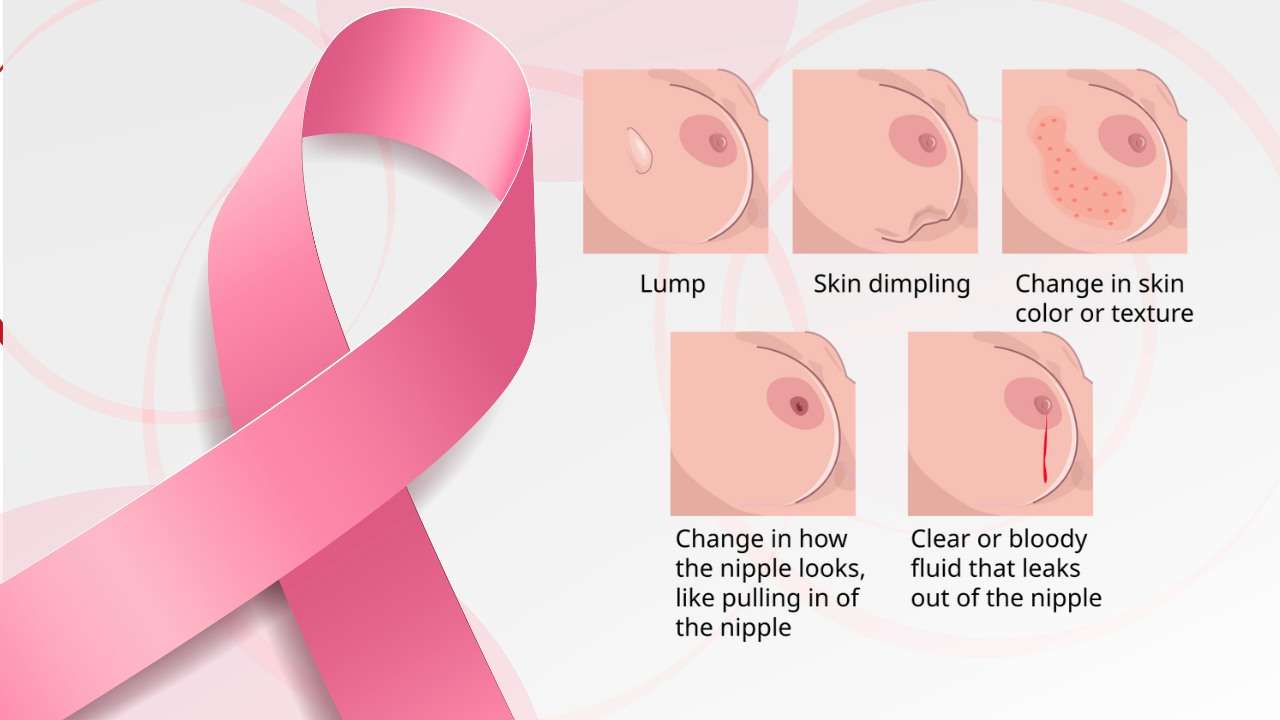
| Symptoms | A lump in a breast, change in breast shape, dimpling of the skin, nipple discharge (bloody or clear), newly inverted nipple, persistent pain, redness, swelling, or skin changes |
| Risk Factors | Being female, obesity, lack of exercise, smoking, alcohol, hormone replacement therapy, ionizing radiation exposure, early menstruation, late pregnancy or no pregnancy, older age, genetic mutations (BRCA1, BRCA2), dense breast tissue, family history of breast cancer, prolonged use of oral contraceptives |
| Diagnostic Methods | Mammography, Ultrasound, MRI, Tissue Biopsy, Liquid Biopsy (Emerging Technology) |
| Treatment | Surgery (Lumpectomy, Mastectomy), Radiation Therapy, Chemotherapy, Hormonal Therapy, Targeted Therapy, Immunotherapy, AI-driven Personalized Medicine |
| Latest Advances (2025) | Liquid biopsy for early detection, AI-assisted imaging for faster diagnosis, New targeted therapies for triple-negative breast cancer, Immunotherapy advancements, Gene editing trials |
| Prognosis | Five-year survival rate: 88% (Developed Countries), 75% (Developing Countries) |
| Frequency | 2.4 million new cases (global, 2025) |
| Deaths | 700,000 (global, 2025) |
| Prevention | Regular exercise, healthy diet, avoiding smoking and alcohol, regular screenings, breastfeeding, maintaining a healthy weight, genetic counseling for high-risk individuals |
| Awareness Campaigns | Pink Ribbon Campaign, Breast Cancer Awareness Month (October), Global Walks & Fundraisers, Free Screening Initiatives |
Understanding Breast Cancer
Breast cancer is one of the most common cancers affecting individuals worldwide, with millions diagnosed each year. But what exactly is breast cancer, and how does it develop in the body? Understanding this disease requires a deep dive into its origins, progression, and various classifications. Whether you are seeking knowledge for prevention, early detection, or supporting a loved one, this section will help you grasp the essentials of breast cancer, its types, and how it affects the body.
Breast cancer is a complex disease with multiple forms and varying levels of severity. While advancements in breast cancer treatment have improved survival rates, early detection remains crucial. By understanding how breast cancer develops and its various types, individuals can take proactive steps in breast cancer prevention and ensure timely medical attention. Would you like to explore more on breast cancer symptoms, screening methods, or treatment options? Stay tuned as we dive deeper into these aspects in the upcoming sections!
What is Breast Cancer?
Breast cancer is a type of malignancy that originates in the cells of the breast. It occurs when abnormal cells in the breast begin to grow uncontrollably, forming a tumor that can be benign (non-cancerous) or malignant (cancerous). If left untreated, malignant tumors can invade nearby tissues or spread (metastasize) to other parts of the body through the lymphatic system or bloodstream.
While breast cancer is often associated with women, it’s essential to recognize that men can get breast cancer too, though it is much rarer. The disease varies in severity and behavior, ranging from slow-growing tumors to aggressive forms that spread rapidly.
Some key facts about breast cancer:
- It can begin in different parts of the breast, including ducts, lobules, or connective tissues.
- Early detection significantly improves treatment outcomes.
- Risk factors include genetics, lifestyle choices, hormonal imbalances, and environmental exposure.
- There are different types, each with unique characteristics and treatment approaches.
Understanding how breast cancer develops can help in making informed decisions about prevention, screening, and treatment.
How Breast Cancer Develops in the Body
The human body is made up of trillions of cells, each programmed to grow, divide, and die in a regulated manner. However, in breast cancer, this natural process is disrupted. The disease typically starts in the milk ducts (ductal carcinoma) or milk-producing lobules (lobular carcinoma) of the breast. Here’s how it progresses:
- DNA Mutation – Changes (mutations) in the DNA of breast cells cause them to grow uncontrollably. These mutations may be inherited (such as BRCA1 and BRCA2 gene mutations) or acquired due to lifestyle and environmental factors.
- Uncontrolled Cell Growth – Unlike normal cells, cancerous cells do not follow the body’s natural lifecycle. Instead of dying, they continue to multiply.
- Tumor Formation – As abnormal cells accumulate, they form a lump or mass in the breast. Some tumors remain localized, while others begin to invade surrounding tissues.
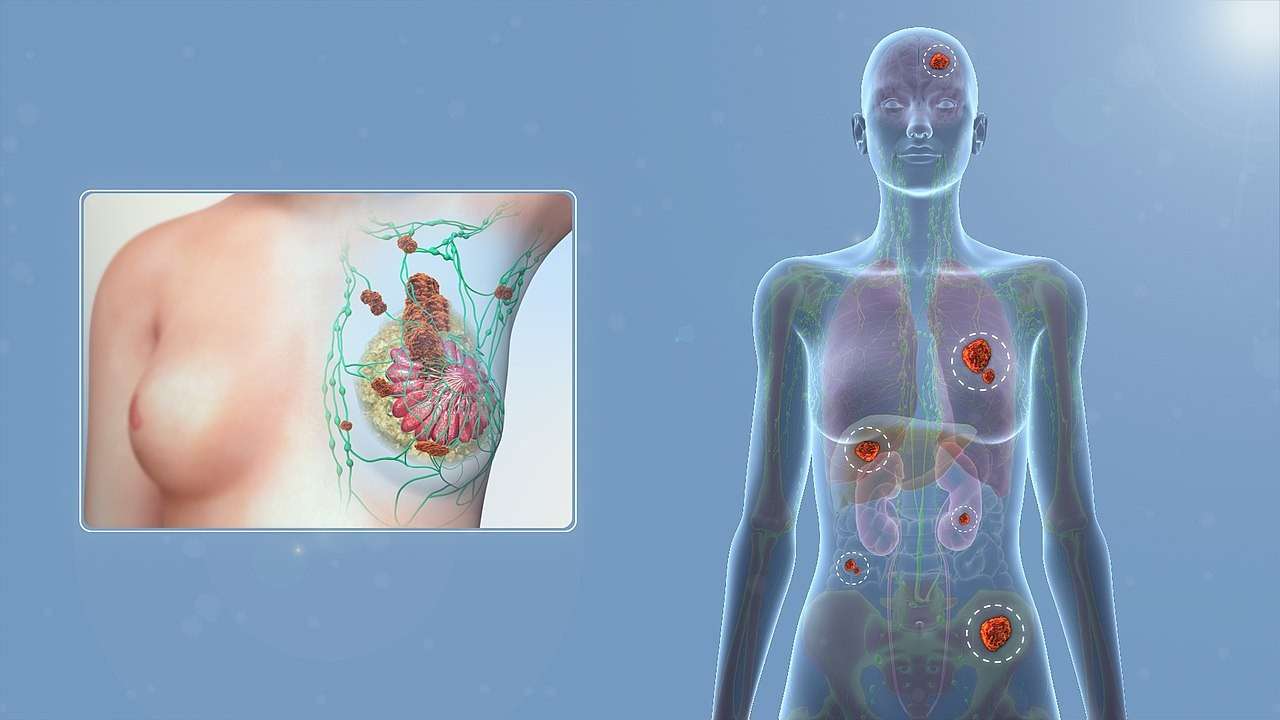
- Potential Metastasis – If left unchecked, cancer cells may enter the bloodstream or lymphatic system, spreading to distant organs like the lungs, liver, bones, or brain. This stage, known as metastatic breast cancer, is more challenging to treat.
Factors that contribute to breast cancer development include:
✔ Hormonal Influence – Increased estrogen exposure can fuel certain types of breast cancer.
✔ Genetic Predisposition – Family history and inherited mutations elevate risk.
✔ Lifestyle Choices – Smoking, alcohol consumption, and a sedentary lifestyle are linked to higher cancer risk.
✔ Environmental Exposures – Radiation and certain chemicals may trigger DNA damage in breast cells.
Regular breast cancer screening, such as mammograms and self-examinations, can help detect abnormalities at an early stage, improving survival rates.
Breast Cancer Classification (Types & Subtypes)
Not all breast cancers are the same. They are categorized based on their origin, molecular makeup, and how they behave in the body. Understanding these classifications helps in tailoring the most effective treatment plans.
1. Main Types of Breast Cancer
Breast cancer is broadly classified into two main categories:
🔹 Non-Invasive (In Situ) Breast Cancer
- Ductal Carcinoma In Situ (DCIS) – Cancer cells are confined to the milk ducts and have not spread. It is considered an early-stage breast cancer.
- Lobular Carcinoma In Situ (LCIS) – Although not a true cancer, LCIS indicates a higher risk of developing invasive breast cancer.
🔹 Invasive (Infiltrating) Breast Cancer
- Invasive Ductal Carcinoma (IDC) – The most common type, accounting for 80% of all cases. It starts in the milk ducts and spreads to surrounding breast tissues.
- Invasive Lobular Carcinoma (ILC) – Begins in the lobules and can spread beyond the breast.
2. Rare & Aggressive Breast Cancer Subtypes
Some types of breast cancer behave more aggressively or have distinct characteristics:
✔ Triple-Negative Breast Cancer (TNBC) – Lacks estrogen, progesterone, and HER2 receptors, making it more challenging to treat.
✔ HER2-Positive Breast Cancer – Overexpresses the HER2 protein, leading to rapid cell growth but is often treatable with targeted therapies.
✔ Inflammatory Breast Cancer (IBC) – A rare but aggressive form where the skin appears red, swollen, and warm due to cancer cells blocking lymph vessels.
✔ Metastatic Breast Cancer (Stage 4) – The most advanced stage, where cancer has spread beyond the breast to distant organs.
Each subtype responds differently to treatments, which may include surgery, chemotherapy, radiation therapy, hormone therapy, or targeted therapy.
The Scope and Global Impact of Breast Cancer
Breast cancer is more than just a personal health challenge—it is a global crisis that affects millions of lives, communities, and healthcare systems worldwide. As the most commonly diagnosed cancer among women, its impact extends far beyond individual patients, influencing economies, healthcare policies, and societal structures. Despite significant advancements in treatment and early detection, disparities in access to care continue to shape outcomes for patients across different regions.
Understanding global breast cancer statistics, socioeconomic and cultural influences, and healthcare disparities can provide deeper insight into the fight against this disease. How does breast cancer prevalence vary across countries? Why do some populations have higher survival rates than others? And what role do economic and cultural factors play in shaping treatment accessibility? Let’s explore these critical issues.
Global Breast Cancer Statistics
Breast cancer remains the most diagnosed cancer globally, affecting both developed and developing nations. According to the World Health Organization (WHO) and Globocan (Global Cancer Observatory):
📌 Over 2.3 million new breast cancer cases were reported in 2023, making it the leading cancer diagnosis worldwide.
📌 More than 685,000 deaths occur annually due to breast cancer, with a significant proportion in low- and middle-income countries.
📌 1 in 8 women will develop breast cancer in their lifetime, but survival rates vary dramatically based on early detection and access to treatment.

The numbers highlight a critical reality: while medical advancements have improved survival rates in high-income countries, breast cancer remains a leading cause of cancer-related deaths in regions with limited healthcare infrastructure.
However, these statistics also bring hope. In countries with comprehensive screening programs and advanced treatment options, the five-year survival rate exceeds 90%, proving that early detection and timely intervention can save lives.
Socioeconomic and Cultural Factors Influencing Breast Cancer Outcomes
While genetics and biology play a role in breast cancer risk, socioeconomic and cultural factors significantly influence diagnosis, treatment, and survival rates. Some of the key factors include:
🔹 Economic Barriers – In many low-income and developing countries, limited access to healthcare facilities, mammograms, and oncologists delays early diagnosis and treatment.
🔹 Healthcare Accessibility – Urban populations often have better access to specialized breast cancer care than rural communities, where medical facilities are scarce.
🔹 Cultural Beliefs & Stigma – In some cultures, discussing breast health is considered taboo, leading to delayed medical attention. Many women fear social isolation, financial burdens, or misconceptions surrounding cancer treatments.
🔹 Education & Awareness – A lack of breast cancer awareness campaigns prevents many individuals from recognizing early symptoms or seeking medical help in time.
🔹 Work & Financial Constraints – Many women, particularly in developing nations, delay medical checkups due to work responsibilities, family commitments, or financial limitations.
For example, South Asia, Africa, and parts of Latin America face higher breast cancer mortality rates due to limited screening programs and late-stage diagnoses. On the other hand, countries like the U.S., Canada, and Western Europe have well-established cancer screening programs, leading to earlier detection and better survival rates.
To bridge this gap, global initiatives such as Breast Cancer Awareness Month (October) and non-profit organizations like the Breast Cancer Research Foundation (BCRF) and Pink Ribbon International aim to increase awareness and provide support to underserved communities.
Health Disparities in Breast Cancer Care
Despite advancements in breast cancer treatment, disparities in healthcare access continue to affect patient outcomes. Several factors contribute to these inequalities:
✔ Early Detection Gap – High-income countries have routine mammogram screenings, while many low-income nations lack organized screening programs.
✔ Treatment Availability – While advanced treatments like targeted therapy and immunotherapy are available in developed countries, they remain out of reach for many in resource-limited settings.
✔ Racial & Ethnic Disparities – In countries like the United States, studies show that Black and Hispanic women are more likely to be diagnosed at later stages and have lower survival rates than White women due to systemic healthcare barriers.
✔ Cost of Treatment – Even within wealthier nations, the high cost of chemotherapy, radiation, and surgery creates financial strain for many families, limiting access to life-saving treatments.
✔ Gender Disparities – Male breast cancer is often overlooked in research and awareness campaigns, leading to delayed diagnoses and poorer outcomes for men.
To combat these disparities, governments and healthcare organizations are implementing strategies such as:
✅ Subsidized or free mammogram programs for low-income individuals.
✅ Mobile health clinics to reach rural and underserved areas.
✅ Community-based education to break cultural stigma and encourage early detection.
✅ Telemedicine initiatives for remote diagnosis and consultation.
Bridging these gaps is essential for ensuring equal access to breast cancer care worldwide and improving survival rates across all populations.
The global burden of breast cancer is undeniable, but progress is being made. While some countries have successfully reduced breast cancer mortality through early detection, research, and treatment innovations, many others continue to face challenges due to economic, cultural, and healthcare barriers.
As individuals, communities, and policymakers, we all have a role to play—whether it’s spreading awareness, supporting research, or advocating for accessible healthcare. The fight against breast cancer is not just about finding a cure but ensuring that every patient, regardless of location or background, has access to timely and effective treatment.

Would you like to explore breast cancer prevention strategies, advancements in treatment, or patient support programs? Stay tuned for the next section!
Causes and Risk Factors of Breast Cancer
Breast cancer, like many other complex diseases, does not have a single cause. Instead, it results from a combination of genetic, environmental, hormonal, and lifestyle factors that interact in ways researchers are still striving to fully understand. Some individuals may be genetically predisposed, while others develop the disease due to modifiable lifestyle choices or hormonal imbalances.
Understanding the key risk factors for breast cancer can help in prevention, early detection, and personalized treatment strategies. So, what makes some people more vulnerable than others? Let’s break it down into three major areas: genetic vs. environmental factors, hormonal influences, and lifestyle-related risks.
Genetic vs. Environmental Factors: Nature vs. Nurture
Some cases of breast cancer are linked to inherited genetic mutations, while others arise from environmental exposures and lifestyle choices over time. Let’s explore the key differences:
🔹 Genetic Risk Factors
- BRCA1 and BRCA2 Mutations – Individuals with mutations in these genes have a significantly higher lifetime risk of developing breast and ovarian cancers.
- Family History – If a first-degree relative (mother, sister, or daughter) has had breast cancer, the risk increases.
- Other Genetic Mutations – Mutations in genes like TP53, CHEK2, and PALB2 also contribute to inherited breast cancer risk.
🔹 Environmental and External Factors
- Radiation Exposure – Previous exposure to high-dose radiation, especially at a young age, increases breast cancer risk.
- Chemical Carcinogens – Prolonged exposure to endocrine-disrupting chemicals (such as those in plastics, pesticides, and industrial pollutants) has been linked to hormone-related cancers.
- Air Pollution & Toxins – Some studies suggest that exposure to air pollution and heavy metals can contribute to increased cancer risks over time.
While genetics are unchangeable, environmental factors offer opportunities for prevention and risk reduction. Avoiding known carcinogens and maintaining a healthy lifestyle can help lower the chances of breast cancer development.
Hormonal Influences and Medical Conditions
Hormones play a crucial role in breast cancer development, particularly estrogen and progesterone, which regulate breast tissue growth. When hormonal levels fluctuate abnormally—due to natural causes, medical conditions, or external hormone exposure—it can lead to uncontrolled cell growth and an increased risk of cancer.
✔ Early Menstruation & Late Menopause – Starting menstruation before age 12 or reaching menopause after age 55 exposes breast tissue to estrogen for a longer duration, increasing risk.
✔ Hormone Replacement Therapy (HRT) – Long-term use of combined estrogen-progesterone therapy has been linked to higher breast cancer rates.
✔ Oral Contraceptives – Some studies indicate a slight increase in risk with prolonged birth control pill usage, though it typically declines after discontinuation.
✔ Pregnancy & Breastfeeding – Women who have never been pregnant or who had their first child after 30 may face a slightly higher risk due to prolonged exposure to estrogen. Conversely, breastfeeding is known to lower breast cancer risk.
✔ Polycystic Ovary Syndrome (PCOS) & Endometriosis – These conditions are associated with hormonal imbalances that may contribute to breast cancer risk.
✔ Obesity & Insulin Resistance – Excess body fat can increase estrogen levels, particularly after menopause, leading to a higher risk of hormone-driven breast cancers.
Since hormonal factors are naturally occurring, monitoring hormone levels, managing medical conditions, and making informed choices about hormone therapies can be key steps in reducing risk.
Lifestyle, Diet, and Other Contributing Factors
Your daily habits, diet, and overall lifestyle significantly influence breast cancer risk. Some risk factors are within our control, meaning that making healthier choices can potentially lower the likelihood of developing the disease.
✅ Diet & Nutrition
- A high-fat, low-fiber diet has been linked to higher breast cancer risks.
- Diets rich in processed foods, red meats, and sugary drinks may contribute to inflammation, a key driver of cancer progression.
- Antioxidant-rich foods (berries, leafy greens, nuts) and omega-3 fatty acids (found in fish) may offer protective benefits.
✅ Physical Activity & Sedentary Lifestyle
- Regular exercise reduces estrogen levels and improves immune function, lowering breast cancer risk.
- Sedentary behavior and prolonged sitting increase the risk of obesity, insulin resistance, and inflammation—all linked to breast cancer.
✅ Alcohol Consumption & Smoking
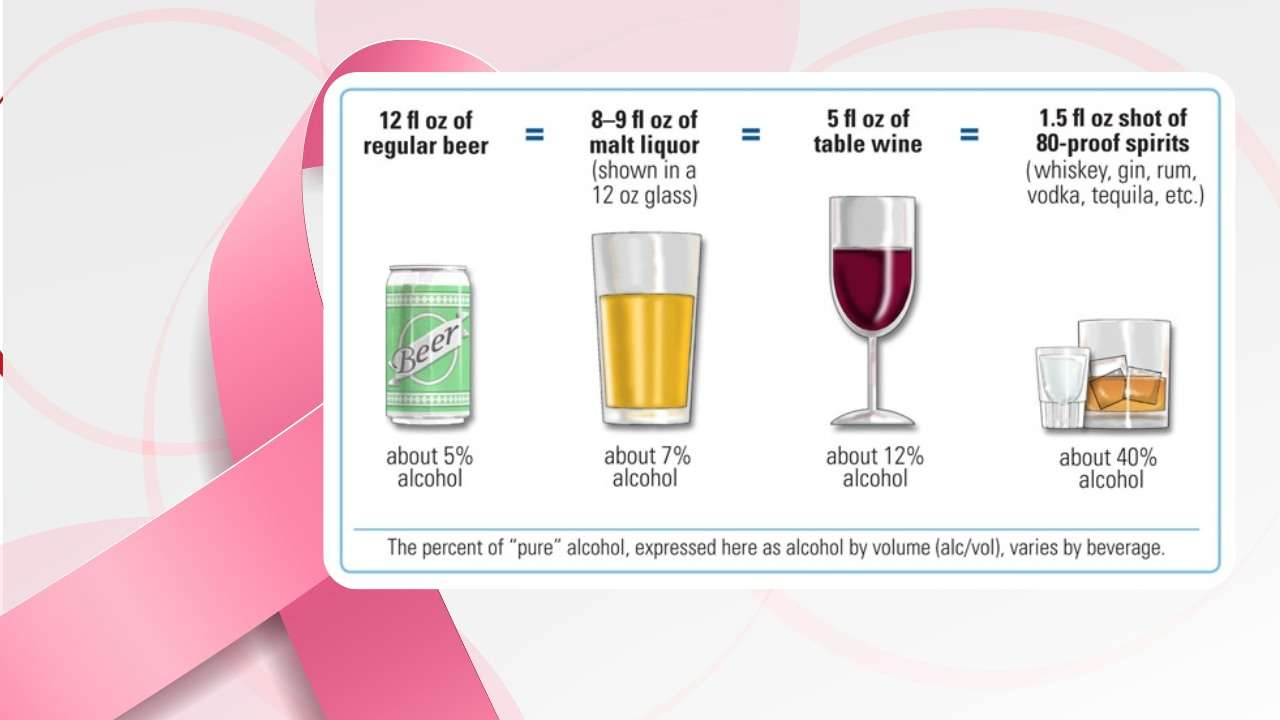
- Alcohol intake is a well-established risk factor—even moderate drinking (3–6 drinks per week) can increase estrogen levels and breast cancer risk.
- Smoking, particularly in younger women, has been linked to higher risks of both premenopausal and postmenopausal breast cancer.
✅ Chronic Stress & Mental Health
- Long-term stress and poor sleep can disrupt hormonal balance and weaken immune function.
- Practices like meditation, yoga, and therapy may help manage stress and promote overall well-being.
✅ Weight Management & Obesity
- Postmenopausal obesity is one of the most significant lifestyle-related breast cancer risk factors.
- Maintaining a healthy weight through balanced nutrition and regular exercise can help mitigate risk.
By addressing these modifiable lifestyle factors, individuals can take proactive steps toward reducing their breast cancer risk and promoting overall health. While some breast cancer risk factors—like genetics and hormonal changes—are beyond our control, many others can be managed through informed lifestyle choices. Understanding the interplay between genetic, environmental, and lifestyle factors can empower individuals to make proactive decisions about their health.
Would you like to explore breast cancer prevention strategies, advancements in genetic testing, or ways to maintain a hormone-balanced lifestyle? Stay tuned for the next section!
Signs, Symptoms, and Early Detection of Breast Cancer
Breast cancer is most treatable when detected early, yet many individuals miss the warning signs or delay screening due to lack of awareness. Recognizing the early symptoms and understanding how different types of breast cancer progress can make a life-saving difference. But what should you look for, and when should you seek medical attention?
This section explores the common signs and symptoms, differences between localized and metastatic breast cancer, and the most effective screening methods available today.
Common Symptoms to Watch For
Breast cancer symptoms can vary widely—some people experience noticeable changes, while others may not detect anything unusual until a medical screening. Here are the key warning signs to be aware of:
🔹 Lumps or Thickening in the Breast or Underarm – A new lump, mass, or thickened area that feels different from surrounding tissue could indicate an abnormal growth. While not all lumps are cancerous, any new lump should be evaluated by a doctor.
🔹 Changes in Breast Shape or Size – One breast appearing swollen, asymmetrical, or visibly larger than usual could signal an underlying issue.
🔹 Skin Changes – Look out for redness, dimpling (like an orange peel texture), or puckering of the breast skin, which may indicate inflammatory breast cancer.
🔹 Nipple Discharge – Clear, bloody, or milky discharge (unrelated to breastfeeding) may be a sign of breast cancer, particularly if it occurs from only one breast.


🔹 Nipple Retraction or Inversion – If the nipple suddenly pulls inward or flattens instead of protruding, it could be a symptom of an underlying tumor.
🔹 Persistent Breast Pain or Discomfort – While most breast cancers do not cause pain, unexplained burning, aching, or tenderness should be checked, especially if it persists.
🔹 Swollen Lymph Nodes – Enlarged lymph nodes in the armpit or collarbone area could be a sign that cancer cells have spread beyond the breast.
Not all breast changes indicate cancer, but early evaluation can lead to earlier diagnosis and better outcomes. If you notice any of these symptoms, schedule an appointment with your healthcare provider.
Localized vs. Metastatic Breast Cancer
Breast cancer progresses through stages, and knowing the distinction between localized and metastatic cancer is crucial for treatment and prognosis.
✔ Localized Breast Cancer (Early Stage)
- The cancer is confined to the breast and has not spread beyond the original site.
- Includes Stage 0 (DCIS) and Stage 1-2 cancers.
- Highly treatable with surgery, radiation, or targeted therapies.
- Survival rates are significantly higher when caught at this stage.
✔ Metastatic Breast Cancer (Stage 4)
- The cancer has spread beyond the breast to other organs such as the lungs, liver, bones, or brain.
- Symptoms may include chronic fatigue, unexplained weight loss, bone pain, or neurological symptoms.
- While not curable, treatments such as chemotherapy, immunotherapy, and targeted therapy can extend survival and improve quality of life.
Understanding these differences can help individuals make informed decisions about treatment options and disease management.
Screening Methods
Regular screening is the most effective way to detect breast cancer early, even before symptoms appear. Different methods are recommended based on age, risk factors, and medical history.
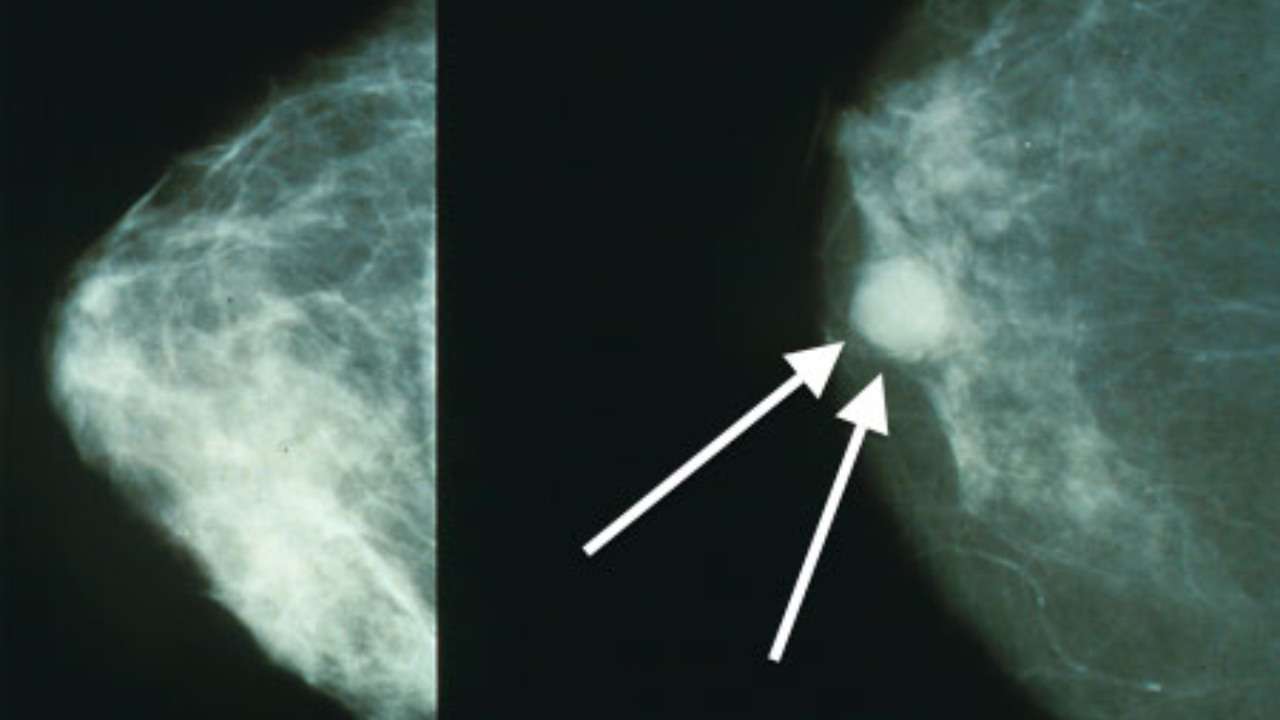
📌 Mammograms (X-ray Imaging)
- The gold standard for breast cancer screening and early detection.
- Recommended annually for women 40 and older or earlier for those at high risk.
- Can detect small tumors before they can be felt, improving early diagnosis rates.
📌 Breast Ultrasound
- Uses sound waves to create detailed images of breast tissue.
- Often used as a follow-up for dense breasts or abnormalities detected on a mammogram.
- Helps determine whether a lump is solid (possibly cancerous) or fluid-filled (likely a cyst).


📌 Magnetic Resonance Imaging (MRI)
- Recommended for high-risk individuals (e.g., those with BRCA1/BRCA2 mutations).
- Provides highly detailed imaging but is not a primary screening tool for average-risk individuals.
- Particularly useful for detecting small or hidden tumors in dense breast tissue.
📌 Self-Exams & Clinical Breast Exams
- While not a replacement for medical screening, monthly self-exams can help individuals become familiar with their breasts and notice changes early.
- Clinical breast exams performed by doctors can provide an extra layer of early detection.
By incorporating regular screenings, self-awareness, and early symptom recognition, individuals can significantly increase the chances of catching breast cancer in its earliest, most treatable stage.
Detecting breast cancer early saves lives. By recognizing symptoms, understanding disease progression, and utilizing advanced screening methods, individuals can take proactive steps toward early intervention and better outcomes.
Would you like to learn more about breast cancer prevention strategies or the latest advancements in treatment? Stay tuned for the next section! 💖🎗️
Diagnosis and Staging of Breast Cancer
Breast cancer diagnosis is a critical step in determining the most effective treatment plan. But how is breast cancer identified with certainty, and what does staging reveal about its progression? Understanding these aspects is essential for both patients and caregivers to navigate the journey from detection to treatment with confidence.
This section explores the diagnostic process, the importance of staging, and the role of molecular and metabolic markers in tailoring precision-based therapies. Breast cancer diagnosis and staging are key pillars in creating an effective treatment plan. From advanced imaging and biopsy techniques to molecular profiling, modern medicine continues to refine how we detect and combat this disease. Would you like to explore the latest breakthroughs in breast cancer treatment? Stay tuned for the next section! 🎗️💖
How Breast Cancer is Diagnosed
Early and accurate diagnosis of breast cancer involves a combination of imaging tests, biopsies, and laboratory analyses. Each method provides crucial insights into the nature and extent of the disease.
✔ Clinical Breast Exam (CBE)
- A healthcare professional manually examines the breasts and underarms for lumps, skin changes, or other abnormalities.
- While not a definitive test, CBEs help identify suspicious areas that need further evaluation.
✔ Imaging Tests: Mammogram, Ultrasound & MRI
- Mammograms remain the gold standard for breast cancer screening, detecting tumors before they cause symptoms.
- Breast ultrasound is often used as a follow-up to mammography, especially for women with dense breast tissue.
- Magnetic Resonance Imaging (MRI) provides a detailed view of breast tissue, particularly for high-risk individuals or when mammogram results are inconclusive.
✔ Biopsy: The Gold Standard for Diagnosis
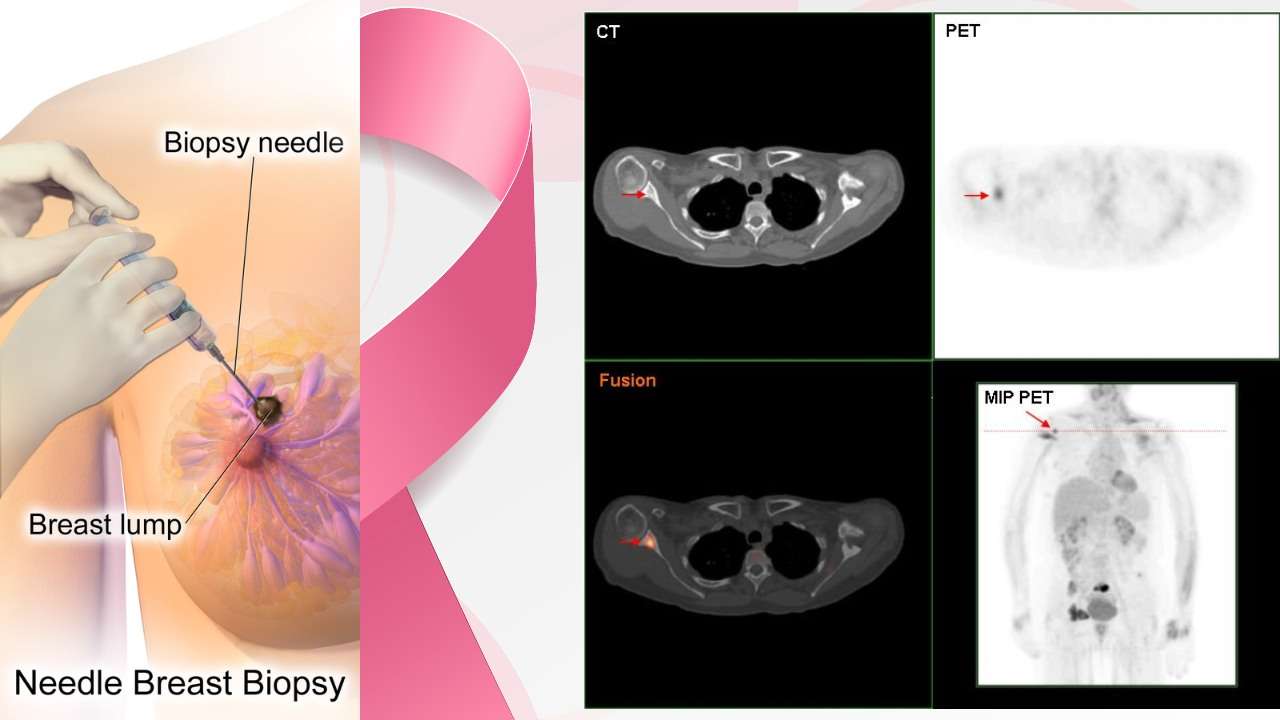
When imaging tests detect an abnormality, a biopsy is performed to confirm whether the growth is cancerous. There are several types:
- Fine Needle Aspiration (FNA) – Extracts a small sample of cells for analysis.
- Core Needle Biopsy – Removes a larger tissue sample for detailed examination.
- Surgical Biopsy – Excises an entire lump or a portion of it for in-depth study.
Pathologists analyze the biopsy sample to determine the type, grade, and hormone receptor status of the cancer, helping doctors personalize treatment plans.
Breast Cancer Stages and Their Significance
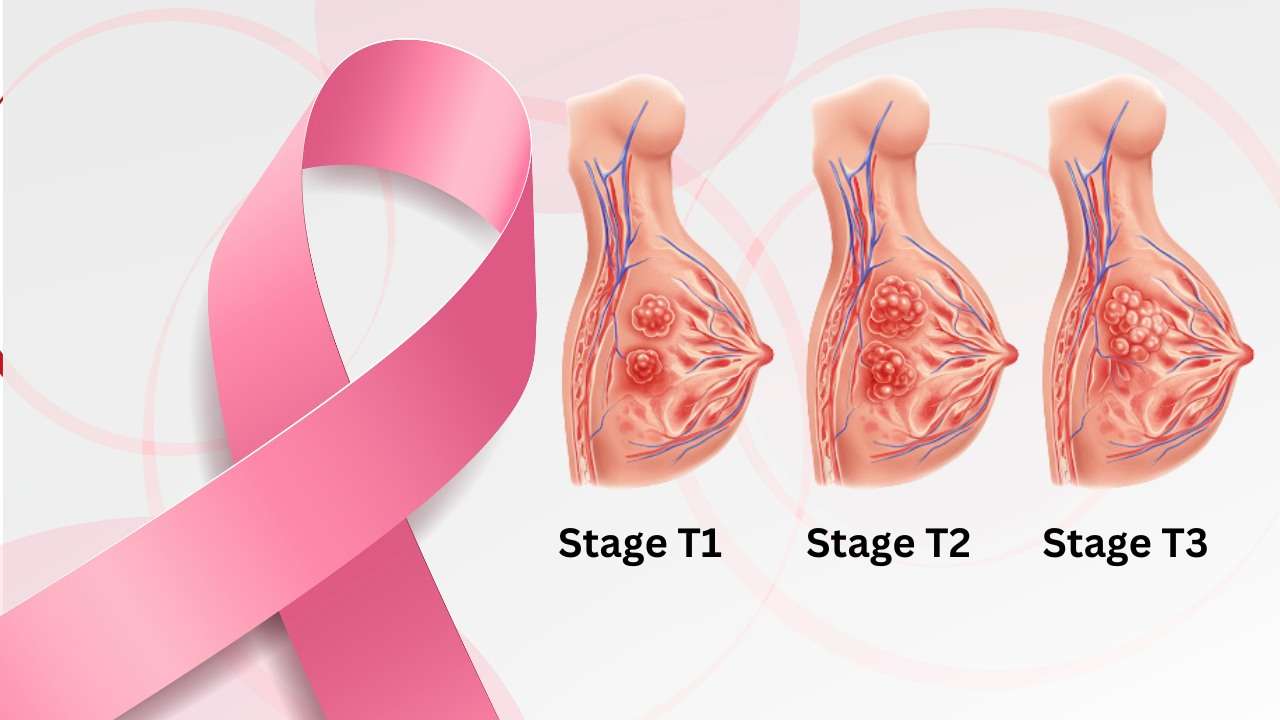
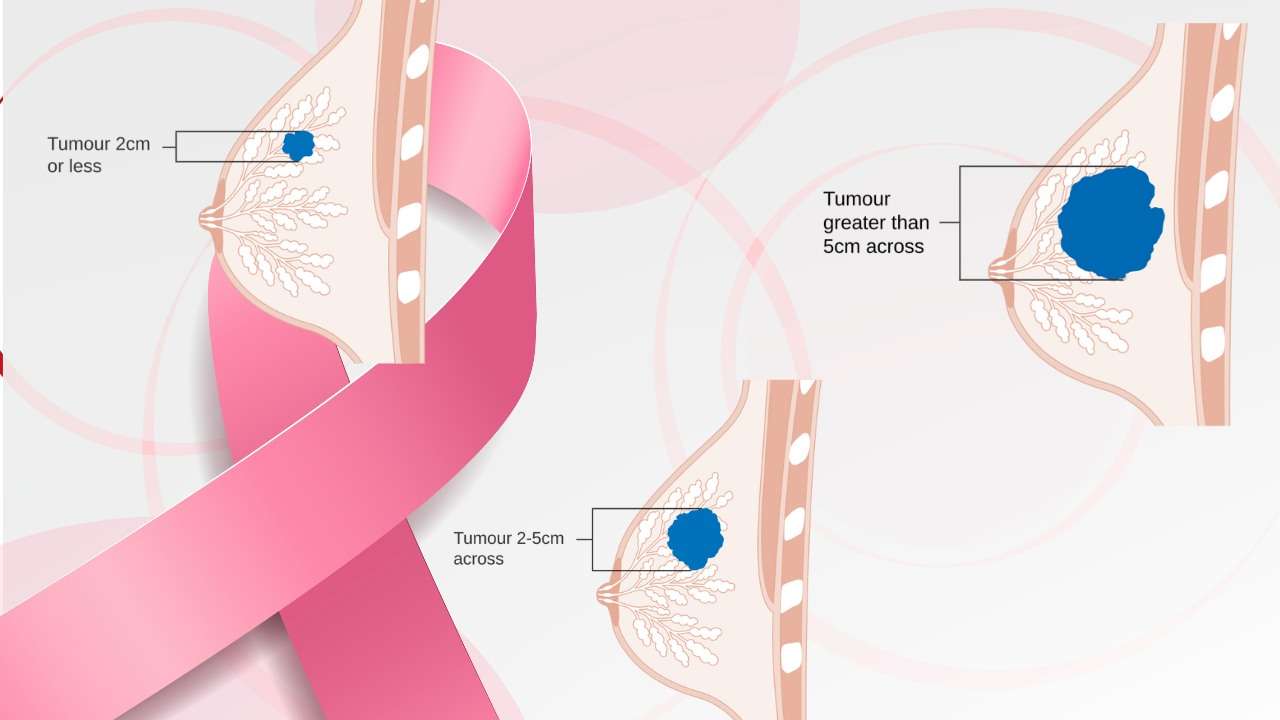
Breast cancer staging is essential in predicting prognosis and selecting treatment options. The TNM system (Tumor, Node, Metastasis) is the most widely used method for classification:
📌 Stage 0 – Ductal Carcinoma In Situ (DCIS)
- Non-invasive cancer; abnormal cells are confined within the milk ducts.
- Highly treatable with a near 100% survival rate.
📌 Stage 1 – Early-Stage Breast Cancer
- Small tumors (≤2 cm) with no or minimal spread to lymph nodes.
- Usually treated with surgery, radiation, and targeted therapies.
📌 Stage 2 – Localized Breast Cancer
- Tumors range between 2-5 cm, with limited lymph node involvement.
- More aggressive treatment may be required, including chemotherapy.
📌 Stage 3 – Advanced Locally Spread Cancer
- Tumors larger than 5 cm or with significant lymph node involvement.
- Requires multimodal treatment (surgery, chemo, radiation, immunotherapy).
📌 Stage 4 – Metastatic Breast Cancer
- Cancer has spread beyond the breast to organs like the liver, lungs, bones, or brain.
- Treatment focuses on disease control, symptom management, and quality of life.
Understanding staging helps patients and doctors make informed decisions about treatment intensity and long-term outlook.
The Role of Molecular and Metabolic Markers in Breast Cancer
Not all breast cancers behave the same way. Advances in molecular and metabolic profiling have revolutionized cancer treatment, allowing for personalized therapy based on specific tumor characteristics.
🔬 Hormone Receptor Status (ER/PR) & HER2
- Estrogen Receptor (ER) & Progesterone Receptor (PR) Positive Cancers
- These tumors grow in response to hormones and are often treated with hormonal therapy (e.g., tamoxifen, aromatase inhibitors).
- HER2-Positive Breast Cancer
- A more aggressive form but highly responsive to targeted therapies like Herceptin (trastuzumab).
🧬 Genetic and Molecular Tests
- BRCA1 & BRCA2 Genetic Testing – Identifies hereditary breast cancer risk.
- Oncotype DX & MammaPrint – Predicts the likelihood of cancer recurrence and guides chemotherapy decisions.
🧪 Metabolic Markers & PET Scans
- Positron Emission Tomography (PET) scans detect how aggressively cancer cells metabolize glucose, helping assess treatment response in real-time.
Molecular and metabolic insights allow oncologists to tailor treatments, reducing unnecessary chemotherapy and improving survival rates.
Treatment Options and Medical Management
Breast cancer treatment has evolved significantly over the years, offering multiple options tailored to individual patient needs. The right approach depends on the stage, type, and molecular characteristics of the cancer, as well as a patient’s overall health and personal preferences. But how do different treatment methods compare, and what are the latest innovations changing the landscape of breast cancer care?
This section explores surgical interventions, traditional therapies, and cutting-edge treatments that are shaping the future of breast cancer management. Breast cancer treatment is no longer a one-size-fits-all approach. From traditional surgery, chemotherapy, and radiation to precision medicine, AI, and cryoablation, patients now have more options than ever.
With continued advancements, the future of breast cancer care looks promising—offering better outcomes, fewer side effects, and a more personalized experience. Would you like to explore the best lifestyle and supportive care options for breast cancer patients? Stay tuned for the next section! 🎗️💖
Surgery: Lumpectomy vs. Mastectomy
Surgical removal of the tumor is a cornerstone of breast cancer treatment. However, the choice between lumpectomy and mastectomy depends on various factors, including tumor size, location, and patient preference.
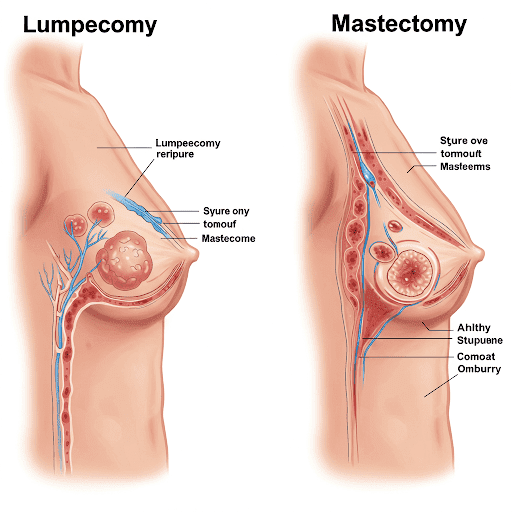
✔ Lumpectomy (Breast-Conserving Surgery)
- Removes only the tumor and a small margin of surrounding tissue.
- Typically followed by radiation therapy to reduce recurrence risk.
- Best suited for early-stage breast cancer when the tumor is localized.
- Preserves most of the breast’s appearance, leading to less emotional distress.

✔ Mastectomy (Full or Partial Breast Removal)
- Removes one or both breasts to eliminate cancerous tissue.
- Recommended for larger tumors, multiple tumors, or high genetic risk (e.g., BRCA mutations).
- Options include:
- Total mastectomy – Entire breast removed.
- Radical mastectomy – Breast, chest muscles, and lymph nodes removed (rare today).
- Skin-sparing mastectomy – Preserves skin for reconstruction.
- Some patients opt for breast reconstruction surgery immediately or later.
Both procedures have high survival rates, but the decision is deeply personal and should be made in consultation with oncologists and surgeons.
Radiation, Chemotherapy, and Targeted Therapy
Once surgery removes the primary tumor, additional treatments help eliminate any remaining cancer cells and prevent recurrence.
🩺 Radiation Therapy
- Uses high-energy X-rays to destroy cancer cells.
- Most commonly used after lumpectomy or for locally advanced cases.
- Side effects may include skin irritation, fatigue, and breast swelling.
💊 Chemotherapy
- Uses powerful drugs to kill rapidly dividing cancer cells.
- Administered before surgery (neoadjuvant) to shrink tumors or after surgery (adjuvant) to prevent recurrence.
- Side effects: nausea, hair loss, fatigue, and immune suppression.
- Often combined with other treatments for aggressive or advanced-stage breast cancer.
🎯 Targeted Therapy (Precision Medicine)
Unlike chemotherapy, which attacks all fast-growing cells, targeted therapy focuses on specific cancer cell markers, reducing side effects.
- HER2-Positive Breast Cancer Treatments
- Drugs like Herceptin (trastuzumab) and Perjeta (pertuzumab) block the HER2 protein, slowing cancer growth.
- Hormonal Therapy (for ER/PR-positive cancers)
- Tamoxifen (pre-menopausal) & Aromatase Inhibitors (post-menopausal) block estrogen, reducing cancer recurrence.
- CDK4/6 Inhibitors (e.g., Palbociclib, Ribociclib)
- Stops cancer cells from dividing, used in hormone-receptor-positive breast cancer.
These therapies have revolutionized breast cancer care, offering more effective and personalized treatment plans.
Emerging Treatments: AI, Cryoablation, and Personalized Medicine
The future of breast cancer treatment is being shaped by groundbreaking technologies and research.
🧠 Artificial Intelligence (AI) in Breast Cancer Care
- AI is transforming early detection by analyzing mammograms more accurately than human radiologists.
- AI-driven tools predict treatment responses and recurrence risks, enabling personalized plans.
❄️ Cryoablation: Freezing Cancer Cells
- A minimally invasive technique that freezes and destroys tumors using liquid nitrogen.
- Currently used for small, localized breast cancers, with potential to replace surgery in select cases.
- Less scarring, faster recovery, and lower costs compared to traditional surgery.
🧬 Personalized Medicine & Immunotherapy
- Advances in genomics and molecular profiling allow doctors to tailor treatments to a patient’s unique cancer.
- Immunotherapy drugs, like checkpoint inhibitors, help the immune system recognize and attack cancer cells.
- Clinical trials are testing mRNA vaccines to prevent recurrence in high-risk patients.
These cutting-edge approaches bring hope for more effective, less invasive, and highly personalized treatments in the near future.
Living with Breast Cancer
A breast cancer diagnosis is more than a medical challenge—it’s a life-altering experience that affects every aspect of a person’s well-being. While medical advancements have improved survival rates, the journey doesn’t end with treatment. Patients often face physical side effects, emotional struggles, and long-term health considerations that require ongoing care and support.
How can individuals manage treatment side effects, maintain mental well-being, and embrace life beyond cancer? This section explores practical strategies for coping, healing, and thriving, helping both patients and their loved ones navigate this journey with resilience. Living with breast cancer—whether during treatment or after remission—requires resilience, support, and self-care. By managing side effects, addressing emotional needs, and maintaining long-term health, patients can not only survive but thrive.
Every journey is unique, but one thing remains constant: No one fights breast cancer alone. Whether you’re a patient, caregiver, or survivor, there’s a community ready to support and uplift you. 🎗️💖 Would you like to explore holistic healing and alternative therapies for breast cancer recovery? Stay tuned for the next section!
Managing Side Effects of Treatment
Breast cancer treatments, while effective, often come with challenging side effects that can impact daily life. Understanding and managing these effects is key to maintaining quality of life during and after treatment.
🩺 Common Side Effects and How to Manage Them
✔ Fatigue & Weakness
- Prioritize rest and gentle exercise (like yoga or walking).
- Maintain a balanced diet rich in proteins and whole grains.
- Stay hydrated and pace daily activities to avoid burnout.

✔ Nausea & Appetite Loss (Common with chemotherapy)
- Eat small, frequent meals instead of large portions.
- Opt for ginger tea, bland foods, and protein-rich snacks.
- Discuss anti-nausea medications with your doctor.
✔ Hair Loss & Skin Changes
- Consider cold caps to reduce chemotherapy-induced hair loss.
- Moisturize skin with fragrance-free lotions to prevent dryness.
- Use SPF sunscreen to protect sensitive skin from radiation effects.
✔ Lymphedema (Swelling in the Arm)
- Perform gentle arm exercises to improve circulation.
- Wear a compression sleeve if recommended.
- Avoid heavy lifting on the affected side.
Managing side effects proactively can enhance comfort and improve recovery, making treatment more manageable.
Psychological and Emotional Support
Beyond physical health, breast cancer deeply impacts mental and emotional well-being. Fear, anxiety, and uncertainty are common, but support systems and self-care strategies can make a significant difference.
💗 Coping with Emotional Challenges
- Acknowledge your emotions – It’s okay to feel fear, anger, or sadness. Talking to a trusted friend or therapist can help.
- Join a support group – Connecting with others who understand your journey reduces loneliness and provides encouragement.
- Practice mindfulness & stress reduction – Activities like meditation, journaling, or gentle breathing exercises promote emotional balance.
- Seek professional help when needed – Therapy and counseling provide valuable coping tools, especially for those experiencing depression or anxiety.
👨👩👧👦 The Role of Family and Caregivers
- Encourage open communication to express needs and emotions.
- Accept help with daily tasks to reduce stress and conserve energy.
- Caregivers should also prioritize self-care to avoid burnout.
Breast cancer is not just a personal journey—it’s one that affects loved ones as well. Fostering understanding, patience, and emotional resilience benefits everyone involved.
Survivorship and Long-Term Care
For many, life after breast cancer brings a mix of relief and new challenges. Follow-up care, lifestyle adjustments, and emotional healing are all part of long-term recovery.
🏥 Post-Treatment Care & Follow-Ups
- Regular screenings & check-ups – Monitoring for recurrence through mammograms and doctor visits is crucial.
- Managing late side effects – Some treatments cause long-term changes like hormonal imbalances, bone loss, or neuropathy.
- Hormone therapy adherence – If prescribed, continue medications like Tamoxifen or Aromatase Inhibitors to prevent recurrence.
🥗 Healthy Lifestyle for Survivors
- Maintain a nutrient-rich diet with plenty of fruits, vegetables, and lean proteins.
- Engage in regular physical activity to boost energy and improve mood.
- Avoid smoking and limit alcohol to reduce recurrence risk.
💪 Rebuilding Confidence & Moving Forward
- Consider breast reconstruction options or prosthetics if desired.
- Embrace self-care and body positivity—your journey is a testament to strength.
- Explore new goals and passions—whether through travel, hobbies, or advocacy.
Many breast cancer survivors go on to live full, meaningful lives, using their experiences to inspire and educate others.
Prevention and Risk Reduction
While breast cancer cannot always be prevented, proactive steps can significantly reduce the risk. Understanding what influences breast cancer development allows individuals to make informed choices about their lifestyle, medical interventions, and genetic predispositions. By integrating healthy habits and, in some cases, preventive medical measures, the risk of developing breast cancer can be minimized.
So, what are the most effective ways to lower breast cancer risk? This section explores key strategies, from lifestyle modifications to genetic screening and early interventions, empowering individuals to take charge of their health.
Lifestyle Changes to Lower Risk
Everyday choices play a major role in breast cancer prevention. Research shows that maintaining a healthy lifestyle can significantly decrease the likelihood of developing the disease.
🛡️ Healthy Habits That Reduce Breast Cancer Risk
✔ Maintain a Healthy Weight
- Excess body fat, particularly after menopause, increases estrogen levels, which may fuel breast cancer growth.
- Tip: Follow a balanced diet and stay physically active to manage weight effectively.
✔ Stay Physically Active
- Studies suggest that 30 minutes of moderate exercise (like brisk walking, cycling, or yoga) at least 5 days a week lowers cancer risk.
- How it helps: Exercise regulates hormones and boosts the immune system.
✔ Limit Alcohol Consumption
- Even moderate drinking (1 drink per day) can raise estrogen levels and increase breast cancer risk.
- Tip: Opt for healthier alternatives like herbal teas, infused water, or fresh juices.
✔ Eat a Nutrient-Dense Diet
- A Mediterranean-style diet rich in fruits, vegetables, whole grains, lean proteins, and healthy fats has been linked to lower cancer risk.
- Best foods for prevention:
- Cruciferous vegetables (broccoli, kale, cauliflower)
- Berries and citrus fruits (rich in antioxidants)
- Fatty fish (omega-3s reduce inflammation)
- Nuts and seeds (good for hormonal balance)
✔ Avoid Smoking
- Smoking is linked to multiple cancers, including breast cancer. Quitting reduces risk and improves overall health.
✔ Breastfeed, If Possible
- Breastfeeding for at least six months has been shown to lower breast cancer risk due to its effect on hormones.
By adopting these lifestyle changes, individuals can significantly improve their overall health while reducing breast cancer risk.
Preventive Surgeries and Medications
For women at high risk of breast cancer, preventive medical interventions may be considered. These options are typically recommended for individuals with a strong family history or genetic mutations (such as BRCA1 and BRCA2).
🏥 Surgical Prevention Options
- Prophylactic Mastectomy: The removal of one or both breasts before cancer develops can reduce breast cancer risk by up to 95%.

- Oophorectomy (Ovary Removal): Since the ovaries produce estrogen, removing them can lower the risk of breast and ovarian cancer.
💊 Medications for Risk Reduction
- Tamoxifen and Raloxifene: These medications block estrogen and are prescribed to women at high risk of developing breast cancer.
- Aromatase Inhibitors: Recommended for postmenopausal women to lower estrogen levels and reduce cancer risk.
While these interventions are not for everyone, they can be life-saving options for high-risk individuals. Consulting a doctor to weigh risks and benefits is essential before making a decision.
Role of Genetic Testing and Early Intervention
Genetic predisposition plays a crucial role in breast cancer risk. Advances in genetic testing have made it easier for individuals to assess their likelihood of developing the disease and take preventive steps accordingly.
🧬 Who Should Consider Genetic Testing?
- Individuals with a strong family history of breast or ovarian cancer.
- Those with relatives diagnosed with breast cancer before age 50.
- People of Ashkenazi Jewish descent, as they have higher rates of BRCA mutations.
🔬 How Genetic Testing Works
- A simple blood or saliva test can identify mutations in genes like BRCA1, BRCA2, TP53, and PALB2.
- If a mutation is found, doctors may recommend enhanced screening, preventive medications, or surgery.
👩⚕️ Early Intervention Saves Lives
- Regular mammograms and MRIs for high-risk individuals help detect cancer at its earliest and most treatable stage.
- Lifestyle changes, combined with genetic awareness, allow for a personalized prevention strategy.
Genetic testing is a powerful tool that enables proactive healthcare decisions, reducing the risk of breast cancer before it develops. Breast cancer prevention isn’t about one single solution—it’s about a combination of healthy choices, medical interventions, and early awareness.
By staying active, eating well, limiting alcohol, avoiding smoking, considering genetic testing, and discussing medical options with a doctor, individuals can take control of their breast health and significantly lower their risk. Early action makes a difference. What step will you take today to protect your health?
Breast Cancer in Special Populations
Breast cancer is often seen as a disease affecting women, but certain special populations face unique risks, challenges, and treatment approaches. While the majority of breast cancer cases occur in women over 50, men, young women, and pregnant women can also develop the disease, often encountering delayed diagnoses, limited awareness, and unique medical concerns.
This section explores the distinct aspects of breast cancer in men, pregnancy-associated cases, and differences in young versus older women, shedding light on how these populations navigate their breast cancer journey.
Breast Cancer in Men: Breaking the Stigma
Although breast cancer in men is rare, it does occur and often goes undiagnosed until later stages. Many men are unaware that they can develop breast cancer, leading to delayed detection and poorer outcomes compared to women.
📊 Key Facts About Male Breast Cancer
- Accounts for 1% of all breast cancer cases worldwide.
- Most commonly diagnosed in men over 60, but can occur earlier.
- Genetic mutations (BRCA1 & BRCA2) significantly increase risk.
- Symptoms include:
- A painless lump or swelling in the chest area.
- Nipple changes (inversion, discharge, redness).
- Skin dimpling or thickening over the breast.
🩺 Challenges and Diagnosis
- Lack of awareness often leads men to ignore early signs.
- Social stigma may prevent some from seeking medical help.
- Fewer screening programs exist for men, increasing late-stage diagnoses.
Treatment Approaches:
Men with breast cancer receive similar treatments as women, including surgery (mastectomy), radiation, chemotherapy, and hormone therapy (Tamoxifen). Early detection is crucial, and raising awareness can help save lives.
Pregnancy-Associated Breast Cancer
Pregnancy brings many changes to the body, which can sometimes mask the symptoms of breast cancer. Pregnancy-associated breast cancer (PABC) refers to breast cancer diagnosed during pregnancy or within one year postpartum. It is a rare but serious condition that requires a careful balance between treating cancer and protecting the baby.
👶 Key Challenges in Diagnosing Breast Cancer During Pregnancy
- Hormonal changes can cause breast tissue to become denser, making it harder to detect lumps through self-exams or mammograms.
- Many women attribute symptoms like lumps or breast swelling to pregnancy-related changes.
- Delayed diagnosis often leads to later-stage detection.
🔬 Safe Diagnostic Tools During Pregnancy
- Ultrasound is the first-choice imaging method as it does not use radiation.
- MRI (without contrast) can be used in some cases.
- Biopsies are safe and necessary to confirm diagnosis.
💊 Treatment Options for Pregnant Women
- Surgery (Lumpectomy or Mastectomy) is generally safe during pregnancy.
- Chemotherapy can be given in the second and third trimesters but is avoided in the first trimester.
- Radiation therapy and hormone therapy are postponed until after delivery.
🤰 Can a Woman with Breast Cancer Still Breastfeed?
- If surgery affects milk ducts, breastfeeding may be challenging on the affected side.
- Some chemotherapy drugs can pass into breast milk, so doctors often advise stopping breastfeeding during treatment.
With early diagnosis and careful treatment planning, many women successfully manage breast cancer while maintaining a healthy pregnancy.
Breast Cancer in Young vs. Older Women: Key Differences
Breast cancer affects women of all ages, but young women (under 40) and older women (50+) experience the disease differently.
👩⚕️ Differences in Risk and Diagnosis
| Factor | Young Women (<40) | Older Women (50+) |
|---|---|---|
| Risk Factors | Often genetic (BRCA mutations) | Lifestyle, hormonal changes |
| Diagnosis | Usually more aggressive cancers | Often hormone-sensitive |
| Detection | Dense breast tissue makes screening harder | Easier to detect through mammograms |
| Fertility Concerns | Treatment may affect fertility | Fertility not a major concern |
| Treatment Tolerance | Can tolerate aggressive treatments better | Treatment may need to be adjusted for health conditions |
🚨 Why Breast Cancer is More Aggressive in Younger Women
- More likely to be triple-negative breast cancer (TNBC), which does not respond to hormone therapies.
- Faster-growing tumors and higher recurrence rates.
- Often diagnosed at a later stage due to lack of routine screening in young women.
💡 Why Screening is Crucial for Older Women
- Postmenopausal breast cancer is often estrogen-driven, making hormone therapies highly effective.
- Routine mammograms help catch cancer early, leading to higher survival rates.
👶 Fertility Preservation for Young Women
- Chemotherapy and hormone therapy can cause temporary or permanent infertility.
- Options like egg freezing (oocyte preservation) and embryo freezing can help preserve fertility before treatment.
Research, Innovation, and Future Trends in Breast Cancer
Breast cancer research has made remarkable strides in recent years, transforming the way we detect, treat, and understand the disease. With the integration of cutting-edge technologies like artificial intelligence (AI), targeted therapies, and precision medicine, the future of breast cancer care looks more promising than ever. Scientists are not only discovering new treatment pathways but also improving early detection methods, offering hope for higher survival rates and better patient outcomes.
In this section, we’ll explore key advancements in breast cancer research, including how AI is revolutionizing diagnosis and treatment and the critical role of breast cancer cell lines in medical studies.
Advances in Breast Cancer Research: A New Era of Hope
Breast cancer research is constantly evolving, with scientists working on more effective treatments, early detection strategies, and personalized medicine. Some of the most groundbreaking areas of research include:
🔬 Immunotherapy:
- Uses the body’s immune system to target and destroy cancer cells.
- Checkpoint inhibitors like Pembrolizumab (Keytruda) have shown promise in treating triple-negative breast cancer (TNBC).
🧬 Targeted Therapies & Precision Medicine:
- Unlike traditional chemotherapy, targeted therapies attack specific cancer cells while sparing healthy ones.
- HER2-positive breast cancer now has multiple targeted treatments like Trastuzumab (Herceptin) and Enhertu.
🦠 Liquid Biopsies & Genetic Testing:
- Liquid biopsies detect cancer DNA in blood, allowing for early diagnosis and monitoring treatment response.
- Genetic testing for BRCA1 & BRCA2 mutations helps identify high-risk individuals who may benefit from preventive measures.
With these advancements, researchers are moving toward more personalized, effective, and less toxic treatment options, paving the way for a future where breast cancer is more manageable—and possibly curable.
Artificial Intelligence
AI is redefining breast cancer care, improving detection accuracy, treatment planning, and patient outcomes. By analyzing vast amounts of medical data, AI systems identify patterns and anomalies that may go unnoticed by the human eye.
🤖 AI in Breast Cancer Detection
- Enhances mammogram accuracy by reducing false positives and negatives.
- Early-stage tumors can be detected faster, increasing survival rates.
- Google’s AI model outperformed radiologists in identifying breast cancer from mammograms.

💊 AI in Personalized Treatment
- AI-powered tools help oncologists predict treatment responses and select the most effective therapy for each patient.
- AI assists in designing customized chemotherapy plans, minimizing side effects while maximizing effectiveness.
📊 Predicting Recurrence & Survival Rates
- AI models analyze patient data to predict cancer recurrence risks.
- This allows doctors to adjust treatment strategies before cancer returns.
With AI continuing to evolve, the future of breast cancer treatment is shifting toward precision medicine, where every patient receives the right treatment at the right time.
The Role of Breast Cancer Cell Lines in Research
Breast cancer cell lines are essential for studying the disease, providing researchers with real tumor models to test new treatments, understand tumor behavior, and develop targeted therapies.
🧪 Why Are Breast Cancer Cell Lines Important?
- They allow scientists to study how cancer cells grow, mutate, and respond to drugs.
- Help in testing new chemotherapy and targeted therapies before human trials.
- Provide insight into drug resistance mechanisms, leading to better treatment options.
🔍 Key Breast Cancer Cell Lines Used in Research:
- MCF-7: One of the most widely used cell lines for studying hormone-sensitive breast cancer.
- MDA-MB-231: Represents triple-negative breast cancer (TNBC), which is more aggressive and harder to treat.
- BT-474: Used for research on HER2-positive breast cancer.
The use of breast cancer cell lines has accelerated drug discovery and played a crucial role in developing life-saving treatments, bringing us closer to more effective and personalized breast cancer therapies.
The Future of Breast Cancer Treatment: What Lies Ahead?
With ongoing research and technological advancements, the future of breast cancer treatment looks brighter than ever. Innovative therapies, AI-driven solutions, and personalized medicine will continue to revolutionize patient care.
🔮 What Can We Expect?
✔️ More targeted therapies with fewer side effects.
✔️ AI-powered diagnostics that detect cancer earlier and more accurately.
✔️ Personalized medicine tailored to an individual’s genetic profile.
✔️ Stronger focus on prevention, including lifestyle interventions and vaccines.
As research pushes forward, breast cancer may one day become a fully manageable—or even curable—disease. For now, staying informed, supporting ongoing research, and advocating for early detection remain our best strategies for saving lives.
Social Awareness and Advocacy
Breast cancer is more than just a medical condition—it’s a global issue that requires awareness, advocacy, and action. While medical advancements continue to improve survival rates, disparities in access to care, research funding, and education still exist. This is where social awareness and advocacy efforts play a critical role. From the Pink Ribbon Movement to widespread breast cancer awareness campaigns, collective action has been instrumental in empowering patients, supporting research, and breaking stigmas surrounding the disease.
In this section, we’ll explore how social movements have shaped breast cancer awareness, the inequities that still exist in research and care, and why continued education and advocacy remain essential in the fight against breast cancer.
The Role of the Pink Ribbon Movement
The pink ribbon is now one of the most recognized symbols of breast cancer awareness. What began as a simple ribbon has evolved into a global movement, inspiring millions to support breast cancer patients, survivors, and research initiatives.
🎗️ How Did the Pink Ribbon Movement Begin?
- The concept was first introduced by Charlotte Haley in the early 1990s to highlight the lack of breast cancer research funding.
- Later, Estée Lauder and Self Magazine popularized the pink ribbon as an international symbol for breast cancer awareness and fundraising.
- Today, the Pink Ribbon Movement supports research, early detection, and treatment efforts across the world.
📢 Impact of the Pink Ribbon Campaign:
✔️ Raised billions of dollars for breast cancer research and treatment programs.
✔️ Encouraged open conversations about breast cancer, reducing stigma.
✔️ Promoted screening programs that have led to early detection and better survival rates.
Despite its successes, critics argue that some corporations exploit the pink ribbon for marketing purposes without making meaningful contributions. This highlights the importance of supporting organizations that truly invest in breast cancer research and patient care.
Disparities in Breast Cancer Research & Care
While awareness has grown, inequalities in breast cancer research and treatment persist. Not all patients receive the same level of care due to socioeconomic, racial, and geographic factors.
⚖️ Key Disparities in Breast Cancer Care:
Racial & Ethnic Disparities:
- Studies show that Black women are more likely to be diagnosed with aggressive breast cancer and have higher mortality rates compared to White women.
- Latina and Indigenous women often face delayed diagnoses and limited access to advanced treatment.
Economic & Geographic Barriers:
- Patients in low-income communities may struggle to access screenings, treatment, and specialist care.
- Rural areas often lack oncology centers, making it harder for patients to receive timely medical attention.
Underrepresentation in Research:
- Clinical trials have historically focused on White women, leading to gaps in understanding how breast cancer affects different racial and ethnic groups.
- More research is needed to develop personalized treatments for diverse populations.
Addressing these disparities requires policy changes, increased funding for underserved communities, and more inclusive clinical research.
The Importance of Awareness Campaigns & Education
Raising awareness isn’t just about wearing pink—it’s about educating people on risk factors, early detection, and treatment options. Public education campaigns have played a vital role in encouraging women (and men) to prioritize their breast health.
📌 Why Awareness Campaigns Matter:
- Early Detection Saves Lives: Many cases of breast cancer are detected too late because individuals don’t recognize the warning signs or skip screenings.
- Knowledge Empowers Patients: Understanding treatment options helps patients make informed medical decisions.
- Breaking the Stigma: In some cultures, discussing breast cancer is considered taboo, preventing individuals from seeking timely medical help.
🌍 Examples of Successful Awareness Campaigns:
1️⃣ Breast Cancer Awareness Month (October): A global initiative that encourages mammograms, fundraising, and survivor support.
2️⃣ #KnowYourLemons Campaign: Uses simple visuals to educate people on different breast cancer symptoms.
3️⃣ Real Men Wear Pink: A campaign focusing on breast cancer in men, which is often overlooked.
While awareness campaigns are effective, they must go beyond symbolism—encouraging real action, policy changes, and research funding to make a lasting impact.
The Future of Breast Cancer Advocacy: Where Do We Go From Here?
Advocacy efforts must continue evolving to address current challenges in breast cancer care. Future initiatives should focus on:
✅ Ensuring equal access to screening and treatment for all communities.
✅ Demanding transparency from corporations profiting from breast cancer awareness campaigns.
✅ Encouraging more diversity in breast cancer research and clinical trials.
✅ Expanding education efforts to reach underserved populations.
Social awareness and advocacy have already transformed breast cancer care, but there’s still work to be done. By raising our voices, pushing for policy changes, and supporting meaningful research, we can move closer to a world where breast cancer is no longer a life-threatening disease.
Beyond Awareness: Taking Action for Lasting Change
While raising awareness about breast cancer is essential, real progress comes from action-oriented initiatives that drive policy changes, enhance research, and improve patient outcomes. Advocacy is more than wearing pink—it involves challenging healthcare inequalities, supporting scientific breakthroughs, and making breast cancer a global health priority.
So, how can individuals, organizations, and governments move beyond symbolic gestures to create tangible change?
1. Strengthening Breast Cancer Policies & Healthcare Access
Advocacy groups play a crucial role in shaping healthcare policies that affect breast cancer patients. Whether it’s fighting for affordable treatments, extended insurance coverage, or increased funding for breast cancer research, policy-level changes are key to ensuring every patient receives the care they need.
📜 Policy Priorities That Can Save Lives:
- Universal Access to Screening & Treatment: Early detection saves lives, yet millions lack access to mammograms and diagnostics due to cost or location.
- Workplace Support for Patients & Survivors: Many breast cancer patients face job insecurity due to long treatments. Policies promoting paid medical leave and workplace accommodations can reduce financial stress.
- Equity in Clinical Trials: Encouraging diverse participation in research ensures new treatments work effectively for all populations, not just select groups.
✊ How You Can Get Involved:
✔️ Support organizations lobbying for breast cancer policy reforms.
✔️ Sign petitions demanding government funding for cancer research.
✔️ Contact lawmakers to advocate for better healthcare access.
2. Funding Life-Saving Research & Innovations
Awareness alone doesn’t cure breast cancer—scientific research does. The biggest breakthroughs in breast cancer treatment—like targeted therapies, immunotherapy, and AI-driven diagnostics—happened because of dedicated research efforts. However, funding disparities remain a major barrier.
💰 Where Funding Can Make a Difference:
- Improving Early Detection Methods: More research is needed to develop low-cost, accurate screening tools for communities with limited access.
- Advancing Personalized Medicine: Understanding how genetics influence breast cancer can lead to customized treatments that work best for each individual.
- Exploring New Therapies: Innovations like CRISPR gene editing, liquid biopsies, and AI-powered diagnostics are changing the way breast cancer is treated.
🔬 Ways to Support Research:
✔️ Donate to reputable breast cancer research organizations.
✔️ Encourage funding initiatives for cutting-edge breast cancer studies.
✔️ Raise awareness about the importance of participating in clinical trials.
3. Community Engagement: Supporting Patients Beyond the Diagnosis
A breast cancer diagnosis affects more than just the patient—it impacts families, caregivers, and entire communities. While medical advancements are crucial, so is emotional and financial support for those battling the disease.
💞 Ways to Create a Stronger Support System:
- Mentorship Programs: Survivors can guide newly diagnosed patients, offering emotional support and practical advice.
- Financial Assistance Programs: Many patients struggle with the cost of treatments, medications, and transportation. Donations and fundraising efforts can ease this burden.
- Mental Health & Wellness Resources: Coping with breast cancer goes beyond the physical aspect—stress management, therapy, and community support groups can improve overall well-being.
👥 How You Can Help:
✔️ Volunteer with organizations offering patient support programs.
✔️ Organize community fundraisers for breast cancer patients.
✔️ Promote mental health awareness for survivors and caregivers.
Frequently Asked Questions (FAQs) About Novartis AG
1. What Are the Early Signs of Breast Cancer?
✅ Answer: The most common early signs include:
- A lump or thickening in the breast or underarm.
- Changes in breast shape or size.
- Dimpling or puckering of the skin.
- Unexplained nipple discharge (especially bloody).
- Pain or tenderness in the breast that doesn’t go away.
🔎 Tip: Regular self-exams and screenings help detect abnormalities early.
2. What Are the Main Risk Factors for Breast Cancer?
✅ Answer: Some factors that increase the risk include:
- Genetic mutations (e.g., BRCA1 & BRCA2).
- Family history of breast cancer.
- Hormonal factors (early menstruation, late menopause).
- Lifestyle choices (smoking, alcohol, poor diet).
- Age (risk increases with age).
🔹 Did You Know? Up to 70% of women diagnosed with breast cancer have no known risk factors. That’s why screening is essential!
3. Can Men Get Breast Cancer?
✅ Answer: Yes! While rare, about 1% of all breast cancer cases occur in men. Symptoms include:
- A lump in the chest area.
- Changes in nipple shape or discharge.
- Swelling or pain in the breast tissue.
🔎 Tip: Men should also perform self-checks and seek medical advice for unusual changes.
4. How Is Breast Cancer Diagnosed?
✅ Answer: Diagnosis involves:
- Clinical breast exams by a doctor.
- Mammograms (X-ray imaging of the breast).
- Ultrasound or MRI for detailed imaging.
- Biopsy (removal of a small tissue sample for testing).
- Molecular testing to determine cancer subtype and treatment response.
🔹 Early detection improves survival rates significantly!
5. What Are the Treatment Options for Breast Cancer?
✅ Answer: Treatment depends on the stage and type of cancer and may include:
- Surgery (Lumpectomy or Mastectomy).
- Radiation therapy (to destroy cancer cells).
- Chemotherapy (to shrink or kill cancer cells).
- Hormone therapy (for hormone-positive cancers).
- Targeted therapy (attacking specific cancer proteins).
- Immunotherapy (boosting the body’s immune response).
🔹 Emerging treatments like AI-powered medicine and gene therapies are offering new hope!
6. Can Breast Cancer Be Prevented?
✅ Answer: While there’s no guaranteed way to prevent breast cancer, you can lower your risk by:
- Maintaining a healthy diet rich in vegetables & lean proteins.
- Exercising regularly (at least 30 minutes a day).
- Limiting alcohol and avoiding smoking.
- Breastfeeding, which reduces hormone-related risks.
- Considering preventive medications or surgery if you have a high genetic risk.
🔹 Genetic testing can also help assess personal risk!
7. Is Breast Cancer Always Fatal?
✅ Answer: No! Breast cancer survival rates have improved dramatically due to early detection and advanced treatments.
- The 5-year survival rate for localized breast cancer is 99%.
- Even metastatic breast cancer has improving treatment options that extend life.
🔹 Key takeaway: Early detection saves lives! Stay proactive with screenings.
8. How Often Should I Get a Mammogram?
✅ Answer:
- Ages 40-44: Optional annual mammograms.
- Ages 45-54: Annual mammograms recommended.
- Ages 55+: Mammograms every 1-2 years (as per doctor’s advice).
- Higher-risk individuals may need earlier and more frequent screenings.
🔎 Tip: Talk to your doctor about a personalized screening plan.
9. What Is the Difference Between Benign and Malignant Breast Lumps?
✅ Answer:
- Benign lumps (non-cancerous) are usually smooth, round, and movable.
- Malignant lumps (cancerous) tend to be hard, irregular in shape, and fixed in place.
🔹 Don’t panic! Most breast lumps are benign, but always get them checked.
10. How Can I Support Someone With Breast Cancer?
✅ Answer: Support can be emotional, practical, and financial:
- Listen and offer emotional encouragement.
- Help with daily tasks (meals, transportation, childcare).
- Join fundraising or advocacy efforts.
- Encourage them to seek mental health support if needed.
💞 Even small gestures make a big difference in their journey!
Conclusion: Empowering Lives
Breast cancer is more than just a medical condition—it’s a global challenge that impacts millions of lives every year. Whether you are someone seeking knowledge, a survivor, a caregiver, or an advocate, understanding the science, prevention strategies, and latest advancements is crucial. But knowledge alone is not enough. The true power lies in taking action—through early detection, lifestyle changes, and supporting research efforts. Have you scheduled your next screening? If not, now is the time to prioritize your health. Early detection saves lives, and routine check-ups can make all the difference.
At the same time, breast cancer awareness is not just about individuals—it’s about communities. The strength of support groups, advocacy movements, and ongoing research continues to push the boundaries of treatment and survival. The fight is not over, but each step forward brings us closer to a future where breast cancer is not a life-threatening disease, but a manageable condition with higher survival rates.
As research evolves, we are witnessing groundbreaking innovations, from personalized medicine to AI-driven diagnostics. These advancements hold the promise of more effective treatments, fewer side effects, and improved quality of life for patients. Imagine a world where breast cancer is preventable, easily treatable, and even curable—that vision is becoming more achievable with every scientific breakthrough.
So, what can you do today? Share this knowledge. Encourage conversations. Support awareness campaigns. Your voice, no matter how small, can create a ripple effect that saves lives. Whether it’s reminding a loved one to schedule a mammogram, making healthier lifestyle choices, or donating to cancer research, every action contributes to the fight against breast cancer.
Together, we can turn awareness into action and action into hope. Let’s work towards a world where breast cancer is no longer a silent threat, but a challenge we are fully prepared to overcome. 💕