Table of Contents
Ozempic Side Effects
In recent years, Ozempic has gained widespread attention as both a diabetes medication and a powerful tool for weight loss. But while its benefits are widely discussed, many users are left wondering about the potential Ozempic side effects—both in the short term and long term. Could it cause hair loss? How long do Ozempic side effects last? And what about the much-debated Ozempic face? If you’re considering this medication or already using it, understanding its effects on your body is essential.
Like any medication, Ozempic isn’t without risks. While some experience common side effects like nausea and fatigue, others report more concerning symptoms, such as gastrointestinal issues, facial aging, and even hair loss. For women, the experience can be particularly unique, with Ozempic side effects in females raising questions about hormonal changes and long-term impact. Meanwhile, those using it primarily for weight loss often wonder: How much weight can you lose on Ozempic, and at what cost?
Another growing concern is how Ozempic compares to other weight loss injections like Wegovy and Mounjaro. Many people are now searching for “Mounjaro vs. Ozempic side effects” or “Wegovy vs. Ozempic side effects” to determine which option is safest. Additionally, debates continue over the long-term effects of semaglutide (the active ingredient in Ozempic), leading some to explore alternatives like natural Ozempic supplements or compounded versions.
But before making any decisions, it’s crucial to have accurate, science-backed information about Ozempic. This guide will break down how Ozempic works, the real-world experiences of users, and expert insights into its risks and benefits. Whether you’re seeking weight loss, managing diabetes, or simply curious about the latest in GLP-1 weight loss treatments, this article will provide everything you need to make an informed choice. So, is Ozempic the right choice for you? Or should you consider alternatives? Let’s dive deeper into its effects, one fact at a time.
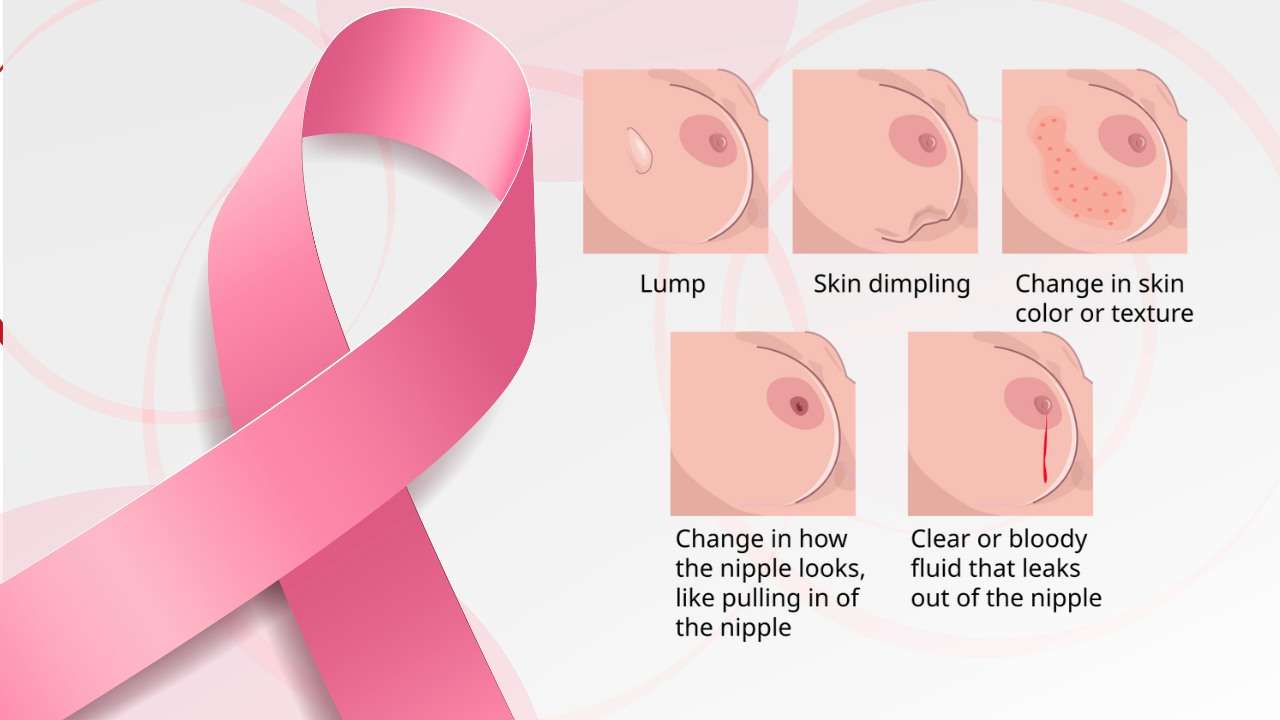
Breast Cancer

| Specialty | Surgical Oncology, Medical Oncology, Radiation Oncology |
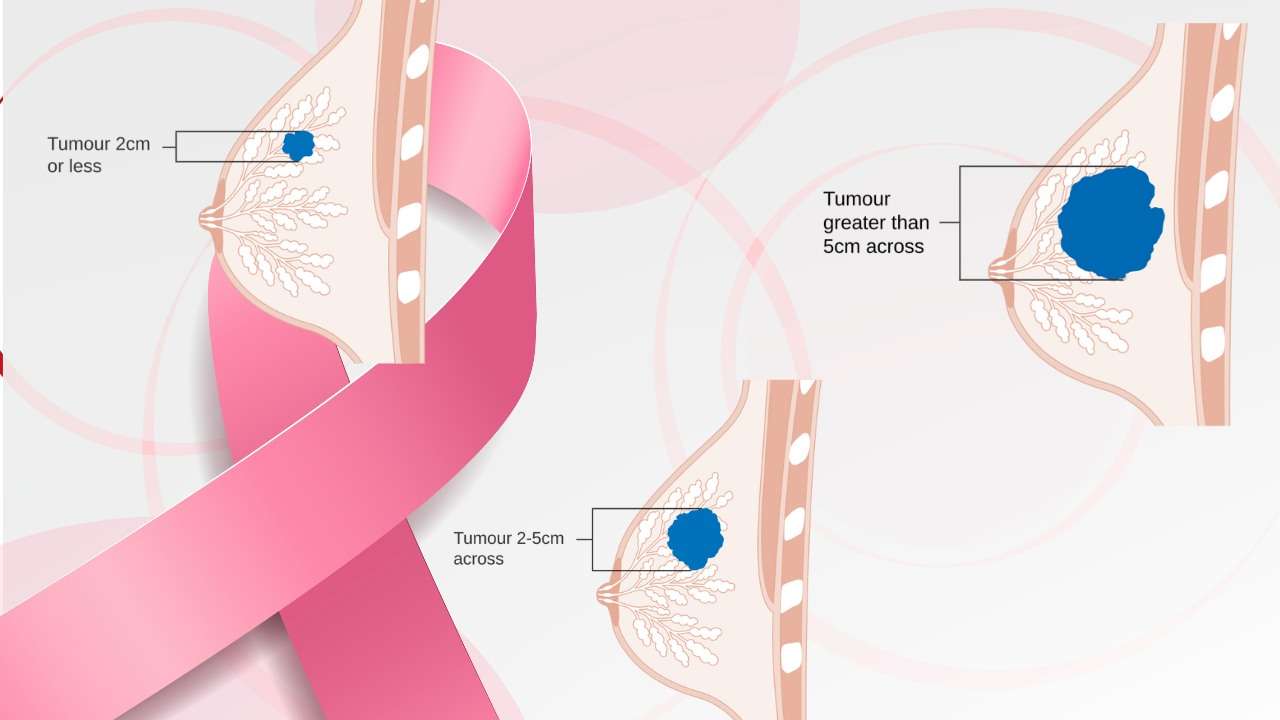
| Symptoms | A lump in a breast, change in breast shape, dimpling of the skin, nipple discharge (bloody or clear), newly inverted nipple, persistent pain, redness, swelling, or skin changes |
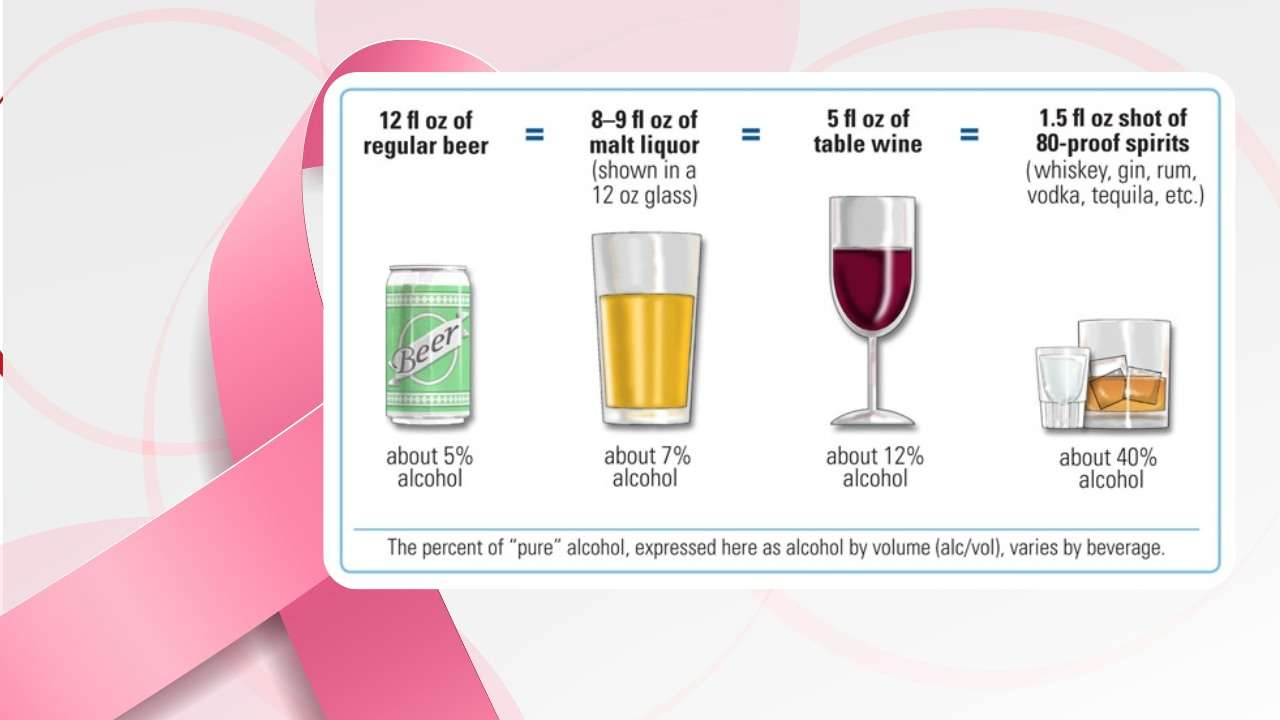
| Risk Factors | Being female, obesity, lack of exercise, smoking, alcohol, hormone replacement therapy, ionizing radiation exposure, early menstruation, late pregnancy or no pregnancy, older age, genetic mutations (BRCA1, BRCA2), dense breast tissue, family history of breast cancer, prolonged use of oral contraceptives |
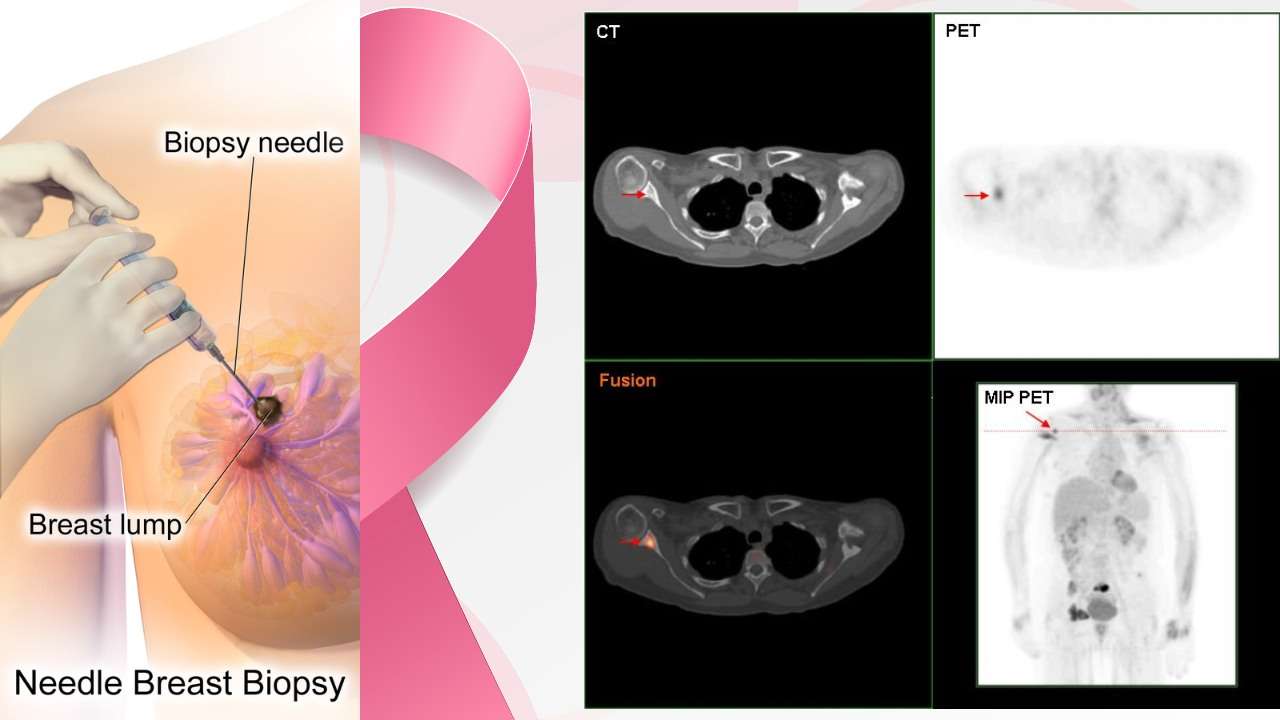
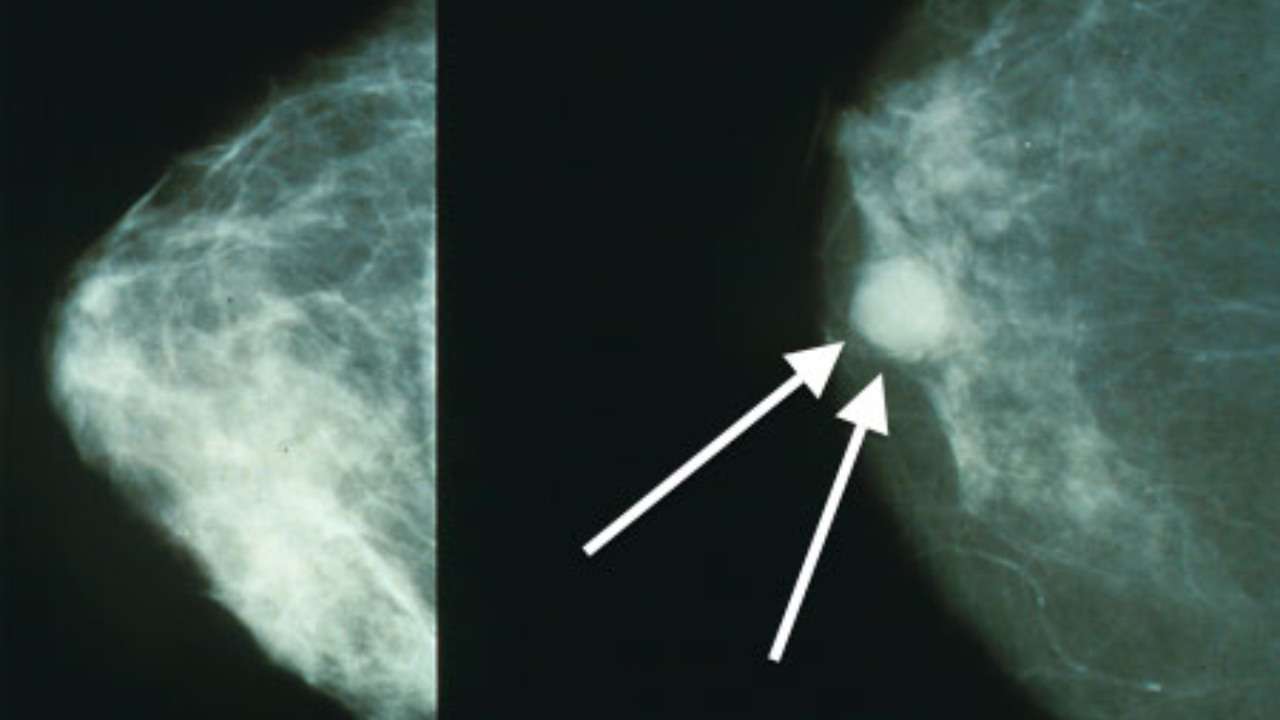
| Diagnostic Methods | Mammography, Ultrasound, MRI, Tissue Biopsy, Liquid Biopsy (Emerging Technology) |
| Treatment | Surgery (Lumpectomy, Mastectomy), Radiation Therapy, Chemotherapy, Hormonal Therapy, Targeted Therapy, Immunotherapy, AI-driven Personalized Medicine |
| Latest Advances (2025) | Liquid biopsy for early detection, AI-assisted imaging for faster diagnosis, New targeted therapies for triple-negative breast cancer, Immunotherapy advancements, Gene editing trials |
| Prognosis | Five-year survival rate: 88% (Developed Countries), 75% (Developing Countries) |
| Frequency | 2.4 million new cases (global, 2025) |
| Deaths | 700,000 (global, 2025) |
| Prevention | Regular exercise, healthy diet, avoiding smoking and alcohol, regular screenings, breastfeeding, maintaining a healthy weight, genetic counseling for high-risk individuals |
| Awareness Campaigns | Pink Ribbon Campaign, Breast Cancer Awareness Month (October), Global Walks & Fundraisers, Free Screening Initiatives |
A Breakthrough in Diabetes
In recent years, Ozempic has gained widespread attention not just as a diabetes medication but also as a promising solution for weight loss. Whether you’re exploring treatment options for type 2 diabetes or seeking a medically approved approach to sustainable weight management, understanding Ozempic’s function, benefits, and potential side effects is crucial. But what exactly is Ozempic, and why has it become a hot topic in both medical and weight loss communities?
This injectable medication, developed by Novo Nordisk, belongs to a class of drugs known as GLP-1 receptor agonists. It mimics a natural hormone in the body that regulates blood sugar, slows digestion, and, in turn, reduces appetite—a combination that makes it highly effective for both diabetes control and weight loss. With its increasing popularity, many people wonder: How does Ozempic work? Is it safe for long-term use? And how does it compare to similar treatments like Wegovy or Mounjaro?
What is Ozempic?
At its core, Ozempic (semaglutide) is a prescription medication designed to help individuals with type 2 diabetes manage their blood sugar levels. Unlike insulin, which directly lowers glucose, Ozempic stimulates the pancreas to release insulin only when needed, preventing dangerously low blood sugar levels. Additionally, it slows gastric emptying, making you feel full for longer periods, which explains its effectiveness in weight loss treatments.
Beyond diabetes, Ozempic has become increasingly popular for medical weight loss, especially among individuals who struggle with obesity. Many patients have reported significant body weight reductions, leading researchers to investigate its broader applications beyond diabetes management.
How Does Ozempic Work for Diabetes and Weight Loss?
Ozempic operates through a dual-action mechanism:
✅ Regulating Blood Sugar: By mimicking GLP-1 (glucagon-like peptide-1), Ozempic increases insulin production when glucose levels are high. It also slows the release of glucagon, preventing blood sugar spikes.
✅ Supporting Weight Loss: Ozempic reduces appetite, delays stomach emptying, and enhances satiety. These effects naturally lead to a lower calorie intake, making it an effective tool for long-term weight management.
Due to these properties, Ozempic is often prescribed off-label for weight loss, even in individuals without diabetes. However, it’s essential to note that individual results vary, and not everyone responds the same way to the medication.
FDA Approval and Medical Indications
Ozempic was FDA-approved in 2017 specifically for the treatment of type 2 diabetes. Its primary goal was to improve glycemic control and reduce the risk of cardiovascular events, such as heart attacks and strokes, in diabetic patients. However, after clinical trials revealed significant weight loss benefits, researchers began exploring its potential in obesity treatment.
While Ozempic itself is not FDA-approved for weight loss, a higher-dose version, Wegovy (semaglutide 2.4 mg), received approval in 2021 for obesity management. Despite this distinction, many individuals still use Ozempic to aid in weight reduction, raising questions about its long-term effects and accessibility.
With its rapid rise in popularity, debates continue over its widespread use, availability, and potential side effects. But one thing is clear: Ozempic has changed the landscape of diabetes care and weight loss solutions, offering new hope for those seeking better health outcomes.
In the next section, we’ll explore the most common side effects of Ozempic, including what to expect in the short and long term. Stay tuned!
Benefits of Ozempic Treatment
Ozempic has emerged as a game-changer in diabetes management, but its benefits extend far beyond regulating blood sugar. From improving glycemic control to aiding in significant weight loss, this medication has redefined how we approach both type 2 diabetes and obesity treatment. But what exactly makes Ozempic so effective, and what can patients expect in the long run?
Diabetes Management and Blood Sugar Control
For individuals with type 2 diabetes, controlling blood sugar levels is a daily challenge. Ozempic offers a revolutionary approach by working with the body’s natural insulin response rather than forcing blood sugar reductions like traditional medications. But how does it work?
✅ Mimics Natural Hormones: Ozempic activates GLP-1 (glucagon-like peptide-1) receptors, stimulating insulin release only when blood sugar is high. This prevents dangerous blood sugar crashes.
✅ Slows Glucose Absorption: By delaying food digestion, Ozempic helps prevent post-meal blood sugar spikes, leading to more stable energy levels.
✅ Reduces Cardiovascular Risk: Studies have shown that Ozempic not only lowers A1C (average blood sugar levels) but also reduces the risk of heart attacks, strokes, and cardiovascular-related deaths in diabetic patients.
These effects make Ozempic a preferred choice over traditional diabetes medications, especially for those looking to improve long-term health outcomes.

How Does Ozempic Make You Lose Weight?
One of the most talked-about effects of Ozempic is its role in weight loss. Originally designed for diabetes, it became clear during clinical trials that many patients were also experiencing significant reductions in body weight. But what’s the science behind this?
✅ Suppresses Appetite: Ozempic mimics GLP-1 for weight loss, sending signals to the brain that increase fullness and reduce cravings.
✅ Slows Digestion: Food stays in the stomach longer, leading to a prolonged feeling of satisfaction and lower calorie intake.
✅ Regulates Fat Storage: Research suggests that GLP-1 receptor agonists like Ozempic may influence fat metabolism, promoting fat burning over storage.
Many people wonder, “How much weight can you lose on Ozempic?” The answer varies, but clinical studies have shown that patients can lose between 10-15% of their body weight over time—a life-changing result for those struggling with obesity.
Long-Term Benefits and Real-World Results
While the immediate effects of Ozempic are impressive, what about the long-term impact? Many patients report sustained weight loss, improved metabolic health, and enhanced overall well-being after extended use.
📌 Key Long-Term Benefits of Ozempic:
✔ Sustained Blood Sugar Control: Fewer fluctuations and improved A1C levels over time.
✔ Reduced Risk of Obesity-Related Conditions: Lower likelihood of heart disease, high blood pressure, and fatty liver disease.
✔ Better Quality of Life: Increased energy levels, improved mobility, and reduced cravings, leading to a healthier lifestyle.
As Ozempic continues to gain popularity, real-world results show that it’s more than just a temporary fix—it’s a long-term investment in health. However, it’s essential to monitor potential side effects and work with a healthcare provider to ensure the best possible outcomes.
In the next section, we’ll dive into the side effects of Ozempic, exploring the most common concerns and how to manage them effectively. Stay informed!
Ozempic for Weight Loss
Ozempic has gained widespread attention not just for managing type 2 diabetes, but also for its powerful impact on weight loss. From everyday users to celebrities, many people have turned to this GLP-1 receptor agonist to shed excess pounds. But how exactly does Ozempic aid in weight reduction? What kind of before-and-after results can people expect? And what’s the right dosing strategy for effective and safe weight loss? Let’s dive deep into the facts.Ozempic has revolutionized weight loss by offering a science-backed, effective, and sustainable way to shed pounds. Whether you’re exploring it for diabetes management or obesity treatment, understanding how it works, proper dosing, and real-world results is essential for success.
But Ozempic isn’t a magic pill—it works best alongside lifestyle changes, including a balanced diet and regular exercise. As its popularity continues to rise, staying informed will help you make the best choices for your health and wellness journey. Up next, we’ll explore the side effects and potential risks of Ozempic, giving you everything you need to make a fully informed decision. Stay tuned!
How Ozempic Aids in Weight Reduction
Ozempic works differently from traditional weight loss medications. Instead of forcing the body to burn fat artificially, it alters natural hunger and digestion processes to create sustainable, long-term weight loss.
🔹 Suppresses Appetite: Ozempic mimics GLP-1 hormones, signaling the brain to reduce hunger and food cravings. This leads to lower calorie intake without extreme dieting.
🔹 Slows Digestion: Food stays in the stomach longer, making people feel fuller for extended periods, preventing overeating.
🔹 Regulates Insulin and Fat Storage: By improving insulin sensitivity, Ozempic helps the body use energy more efficiently instead of storing excess calories as fat.
Ozempic Before and After: Real Results
One of the most compelling reasons people turn to Ozempic is the real-world weight loss transformations. Many users experience visible results within the first six weeks, with weight loss continuing over several months.
📌 What to Expect in 6 Weeks on Ozempic:
✔ Noticeable Reduction in Appetite – Fewer cravings, smaller portion sizes.
✔ Slight Weight Loss (5-10 lbs) – Early changes in metabolism kick in.
✔ Improved Digestion – Feeling fuller for longer, less bloating.
But what about the long-term impact? Many users document their Ozempic before and after weight loss journeys, showcasing dramatic transformations over six months to a year.
🔹 Average Weight Loss: Clinical studies show people can lose 10-15% of their body weight with consistent use.
🔹 Ozempic Face Before and After: While weight loss is beneficial, some users experience facial volume loss, commonly called “Ozempic face.” This is due to rapid fat loss, leading to a slimmer, sometimes gaunt appearance. Proper hydration and a balanced diet can help mitigate this effect.
Ozempic Dose for Weight Loss: Finding the Right Balance
To achieve optimal weight loss, following the correct Ozempic dosing schedule is crucial. Starting with a lower dose helps minimize side effects like nausea while allowing the body to adjust.
📌 Dosing Guide for Weight Loss:
✔ Starting Dose: 0.25 mg once weekly for the first four weeks (helps the body adjust).
✔ Standard Dose: 0.5 mg once weekly (effective for most people).
✔ Higher Dose (If Needed): 1.0 mg or the maximum dose of Ozempic for weight loss (2.0 mg) for individuals who need greater results.
A healthcare provider should always guide dose adjustments based on individual response and tolerance.
Celebrities and the Ozempic Weight Loss Trend
In recent years, Ozempic has gained massive popularity among celebrities. Many public figures have hinted at using GLP-1 medications for weight loss, sparking global interest in its effects.
🔹 Hollywood and Ozempic: Reports suggest that many actors, influencers, and executives have turned to Ozempic for fast, dramatic transformations ahead of major events.
🔹 Social Media Buzz: Hashtags like #OzempicWeightLoss and #OzempicJourney have exploded on platforms like TikTok and Instagram, where users share their progress and tips.
🔹 Ethical Concerns: The growing trend of Ozempic for non-diabetic weight loss has raised debates about accessibility and fair use, as shortages have affected diabetic patients.
Common Side Effects of Ozempic: What to Expect
Ozempic has transformed the landscape of diabetes management and weight loss, but like any medication, it comes with potential side effects. While many users tolerate it well, others experience mild to moderate symptoms, especially during the initial weeks of treatment. Understanding these side effects can help you manage them effectively and maximize the benefits of Ozempic.
Let’s break down the most common side effects, why they occur, and how to alleviate discomfort. Ozempic is a powerful tool for diabetes and weight loss, but being aware of potential side effects helps set realistic expectations. By managing symptoms proactively and following best practices for dosing and lifestyle adjustments, most users find that the benefits outweigh the temporary discomfort.
Gastrointestinal Issues: The Most Reported Side Effects
Since Ozempic slows digestion, the gastrointestinal (GI) system is one of the first to react to the medication. Many users experience temporary digestive discomfort, which usually improves over time.
🔹 Ozempic Nausea: The most frequently reported side effect, nausea occurs because food stays in the stomach longer. Eating smaller, low-fat meals and staying hydrated can help reduce nausea.
🔹 Ozempic Constipation: Some users notice difficulty with bowel movements due to slowed digestion. Increasing fiber intake, drinking more water, and light physical activity can ease constipation.
🔹 Ozempic Diarrhea: While some experience constipation, others face the opposite issue. This happens as the body adjusts to changes in food absorption. Maintaining a balanced diet can help regulate bowel movements.
Injection Site Reactions and Other Common Effects
Since Ozempic is an injectable medication, some users report minor skin reactions at the injection site. These are usually mild and resolve on their own.
📌 Possible Injection Site Reactions:
✔ Redness or mild swelling at the injection site
✔ Slight pain or irritation after the shot
✔ Bruising (in rare cases) if injected incorrectly
To minimize irritation, it’s important to:
✅ Rotate injection sites (abdomen, thigh, or upper arm)
✅ Use a fresh needle for each dose
✅ Avoid injecting into sensitive or inflamed areas
Other Reported Side Effects: Dizziness and Fatigue
Some users experience dizziness or lightheadedness, especially when starting Ozempic or increasing the dosage. This can be linked to changes in blood sugar levels and dehydration.
💡 How to Prevent Dizziness:
✔ Stay hydrated throughout the day
✔ Eat small, frequent meals to maintain blood sugar stability
✔ Stand up slowly from sitting or lying positions
While side effects can be uncomfortable, they typically subside within a few weeks as the body adapts. However, if symptoms persist or worsen, it’s crucial to consult a healthcare provider to discuss alternative strategies.
Serious and Long-Term Side Effects of Ozempic
Ozempic has gained widespread popularity for its diabetes management and weight loss benefits, but it’s essential to understand the potential serious and long-term risks associated with the medication. While most users experience mild side effects that fade over time, some may develop more severe complications that require medical attention.
In this section, we’ll explore the major health concerns linked to Ozempic, including its potential impact on the pancreas, thyroid, kidneys, and mental health, as well as how it may affect men and women differently. While Ozempic offers remarkable benefits for diabetes and weight loss, it’s crucial to stay informed about its potential long-term risks. By monitoring your health closely, staying in touch with your doctor, and addressing side effects early, you can make a well-informed decision about whether Ozempic is right for you.
Ozempic and Pancreatitis: Recognizing the Symptoms
One of the more serious risks associated with Ozempic is pancreatitis, an inflammation of the pancreas that can cause severe complications if left untreated. Though rare, cases of Ozempic-induced pancreatitis have been reported, making it crucial for users to recognize early warning signs.
🚨 Signs of Pancreatitis:
✔ Severe abdominal pain that radiates to the back
✔ Nausea and vomiting that won’t go away
✔ Fever and rapid heartbeat
✔ Unexplained weight loss
If you experience these symptoms while taking Ozempic, seek immediate medical attention, as untreated pancreatitis can lead to life-threatening complications.
Ozempic and Thyroid Cancer: Is There a Risk?
The link between Ozempic and thyroid cancer has been a topic of debate. In animal studies, the active ingredient in Ozempic, semaglutide, has been shown to cause thyroid C-cell tumors in rodents. However, it remains unclear whether this risk applies to humans.
🧐 Has Anyone Got Thyroid Cancer from Ozempic?
As of now, no confirmed cases of Ozempic-induced thyroid cancer in humans have been reported. However, individuals with a family history of medullary thyroid carcinoma (MTC) or multiple endocrine neoplasia syndrome type 2 (MEN 2) should avoid using Ozempic, as they may be at higher risk.
Kidney Disease and Ozempic: A Hidden Concern?
Ozempic may also have an impact on kidney function, particularly in individuals with pre-existing chronic kidney disease (CKD). Some users have reported worsening kidney function after starting the medication, especially when experiencing severe dehydration due to persistent nausea, vomiting, or diarrhea.
💡 Protecting Your Kidneys While on Ozempic:
✔ Stay hydrated to prevent dehydration-related kidney strain
✔ Monitor creatinine levels regularly if you have kidney disease
✔ Report any signs of swelling, fatigue, or changes in urination to your doctor
Ozempic Side Effects in Females vs. Males
While Ozempic affects both men and women similarly in terms of weight loss and blood sugar control, some long-term side effects may vary based on gender.
🔹 Ozempic Side Effects in Females (Long-Term):
- Irregular menstrual cycles (due to rapid weight loss and hormonal changes)
- Increased risk of gallbladder issues (gallstones are more common in women)
- Hair thinning (linked to nutrient deficiencies from reduced appetite)
🔹 Ozempic Side Effects in Males:
- Potential reduction in testosterone levels (due to weight loss-related hormonal shifts)
- Muscle loss if protein intake is not maintained
- Increased fatigue and dizziness (common in men with lower body fat percentages)
Mental Health Concerns: Mood Changes and Suicidal Thoughts
There have been reports of mental health changes in some Ozempic users, including increased anxiety, depression, and even suicidal thoughts. While not a commonly listed side effect, some individuals have noticed mood swings or changes in their overall emotional well-being.
⚠ Signs to Watch For:
✔ Increased feelings of sadness, hopelessness, or anxiety
✔ Unusual mood swings or irritability
✔ Loss of interest in activities you once enjoyed
✔ Suicidal thoughts or self-harm tendencies (seek immediate help)
If you or someone you know experiences severe mood changes while taking Ozempic, contact a healthcare provider immediately. Mental health should always be prioritized, and medication adjustments may be necessary.
Ozempic Face: What You Need to Know
If you’ve been following the buzz around Ozempic for weight loss, you may have heard of a side effect known as “Ozempic Face.” But what exactly does this term mean, and why does it happen? As more people turn to Ozempic for weight management, some users have reported noticeable changes in their facial appearance, including sagging skin, hollowed cheeks, and a more aged look.
While Ozempic Face can be an unwanted side effect of rapid weight loss, it doesn’t mean you have to choose between your health and your appearance. By taking preventative steps, maintaining a balanced diet, and hydrating properly, you can achieve weight loss goals without sacrificing your youthful look. If you’re considering Ozempic or already experiencing facial changes, talk to your healthcare provider about ways to manage side effects while staying on track with your health journey.
What is “Ozempic Face”?
The term “Ozempic Face” was coined by dermatologists and plastic surgeons after noticing a growing number of patients seeking cosmetic treatments to restore volume and firmness to their face after rapid weight loss with GLP-1 receptor agonists like Ozempic.
🧐 Common signs of Ozempic Face include
✔ Hollow or sunken cheeks
✔ Loss of facial fat, making fine lines and wrinkles more visible
✔ Sagging skin, especially around the jawline
✔ A more tired or aged appearance
Why Does Ozempic Cause Facial Changes?
Ozempic itself doesn’t directly change facial structure, but it does lead to rapid weight loss, which can significantly impact the appearance of the face. Here’s why:
1️⃣ Fat Loss Happens Everywhere – When you lose weight, your body doesn’t just target your stomach or thighs. Fat loss occurs all over, including in the face, where fat provides natural volume and youthful plumpness.
2️⃣ Collagen and Elasticity Decline – As we age, our skin naturally loses collagen and elastin, which are responsible for keeping it firm and tight. Rapid weight loss can accelerate this process, making skin appear looser or saggy.
3️⃣ Dehydration and Nutrient Deficiency – Some Ozempic users may experience dehydration, reduced appetite, or lower nutrient intake, which can contribute to dull skin, increased wrinkles, and a loss of skin elasticity.
How to Prevent Facial Side Effects on Ozempic
If you’re concerned about Ozempic Face but still want to benefit from weight loss and diabetes management, there are several ways to minimize facial changes and maintain a youthful look.
💡 Here’s what you can do:
✅ Lose Weight Gradually – The faster you lose weight, the more noticeable the facial changes may be. Slower weight loss allows your skin to adjust over time, reducing sagging.
✅ Stay Hydrated – Drinking plenty of water keeps skin plump, supports collagen production, and helps prevent dehydration-related dullness.
✅ Focus on Protein and Healthy Fats – Eating protein-rich foods (like eggs, fish, and lean meats) and healthy fats (like avocado, nuts, and olive oil) supports skin elasticity and prevents excessive volume loss.
✅ Use Collagen Supplements & Skincare – Collagen peptides, vitamin C serums, and retinol-based skincare products can help maintain skin firmness and reduce wrinkles.
✅ Consider Non-Surgical Treatments – If significant facial volume loss occurs, non-invasive cosmetic treatments like dermal fillers, microneedling, or laser therapy can restore youthful contours without surgery.
Ozempic vs. Other Weight Loss Medications
With the rise of GLP-1 receptor agonists in the world of diabetes management and weight loss, many people are wondering: Is Ozempic the best option, or are there better alternatives? Several medications, including Wegovy, Mounjaro, and Semaglutide, have gained attention for their effectiveness in weight loss and blood sugar control. But how do they compare, and which one might be the best choice for you?
In this section, we’ll break down the key differences between Ozempic, Wegovy, Mounjaro, and Semaglutide, covering their effectiveness, dosing, and how they work.
Wegovy vs. Ozempic: What’s the Difference?
At first glance, Wegovy and Ozempic seem almost identical. Both contain the active ingredient Semaglutide and belong to the same class of GLP-1 receptor agonists, which help regulate appetite and blood sugar. However, there are some important distinctions:
🔹 Primary Use:
- Ozempic is primarily FDA-approved for type 2 diabetes but is often prescribed off-label for weight loss.
- Wegovy is specifically FDA-approved for weight loss in individuals with obesity or overweight with a related health condition.
🔹 Dosage & Strength:
- Ozempic doses range from 0.25 mg to 2 mg weekly.
- Wegovy offers a higher dose (up to 2.4 mg per week), designed specifically for weight loss.
🔹 Effectiveness for Weight Loss:
- Studies show that Wegovy users lose more weight on average compared to Ozempic due to its higher dose.
- Ozempic may be a better choice for those managing both diabetes and weight loss.
💡 Which is better?
👉 If weight loss is your primary goal, Wegovy may be more effective due to its higher dose. But if you also need to manage type 2 diabetes, Ozempic could be the better option.
Mounjaro vs. Ozempic: Which One Works Best?
Mounjaro (Tirzepatide) is a newer GLP-1 and GIP receptor agonist, meaning it targets two gut hormones instead of one—potentially making it even more effective for weight loss than Ozempic.
🔹 How They Work:
- Ozempic works by mimicking GLP-1, which slows digestion, curbs appetite, and regulates blood sugar.
- Mounjaro targets both GLP-1 and GIP, enhancing weight loss and improving insulin sensitivity.
🔹 Weight Loss Results:
- Clinical trials show Mounjaro users lost up to 20% of their body weight, compared to Ozempic users, who lost around 15%.
- Mounjaro’s dual-action mechanism may lead to better metabolic benefits.
🔹 Side Effects Comparison:
- Both drugs can cause nausea, vomiting, and diarrhea, but some users report Mounjaro causes fewer digestive issues.
- Mounjaro may be better tolerated by some people, especially those struggling with severe GI side effects on Ozempic.
Semaglutide vs. Ozempic: What’s the Connection?
You may have heard Semaglutide and Ozempic used interchangeably, but are they actually the same thing?
🔹 Semaglutide is the active ingredient in Ozempic, Wegovy, and other medications. However, different formulations and dosages affect their purpose and effectiveness.
🔹 Key Differences:
- Ozempic = Semaglutide for diabetes management (with weight loss benefits)
- Wegovy = Semaglutide for weight loss (higher dose, FDA-approved for obesity)
- Compounded Semaglutide – Some people turn to compounded versions for cost savings, but these are not FDA-approved and may have inconsistent effects.
Dosage, Administration, and Safety Guidelines for Ozempic
Using Ozempic correctly is crucial for maximizing its benefits and minimizing side effects. Whether you’re using it for diabetes management or weight loss, understanding the right dosage, injection techniques, and storage guidelines will help ensure safe and effective treatment.
In this section, we’ll cover how to inject Ozempic, the best injection sites, weekly dosing schedules, and storage recommendations to keep your medication potent and safe. Taking Ozempic correctly and consistently is key to achieving stable blood sugar levels, effective weight loss, and minimal side effects. By following the recommended injection techniques, weekly dosing schedule, and proper storage practices, you can ensure the best possible results. Still unsure about your Ozempic routine? Consult your doctor to customize your dosage plan and address any concerns.
How to Use Ozempic Safely
Ozempic is a once-weekly injectable medication, meaning it requires consistent and proper administration. Here’s a step-by-step guide to injecting Ozempic safely:
✅ How to Inject Ozempic
- Choose a Consistent Day: Ozempic should be taken on the same day each week to maintain stable blood sugar levels and ensure its weight loss effects remain steady.
- Prepare the Pen:
- Remove the cap.
- Check the medication—it should be clear and colorless.
- Attach a new disposable needle each time.
- Prime the pen if it’s your first time using it.
- Select an Injection Site
- Inject the Medication:
- Pinch the skin slightly and insert the needle at a 90-degree angle.
- Press the button fully and hold for 6 seconds before removing.
- Dispose of the Needle Properly: Always use a sharps container to discard used needles safely.
Where to Inject Ozempic for Best Results?
Choosing the right injection site can improve absorption and reduce discomfort. The three best areas for injecting Ozempic are:
📌 Abdomen (Preferred) – Inject at least 2 inches away from your belly button.
📌 Thigh – Use the front of your thigh, avoiding bony areas.
📌 Upper Arm – Less common, but an option if rotated properly.
💡 Tip: To avoid irritation, rotate injection sites weekly—don’t inject in the same spot every time!
Weekly Ozempic Injection Schedule
Ozempic is designed to be taken once per week, at any time of the day, with or without food. The initial dose and adjustments typically follow this schedule:
| Week | Dose | Purpose |
|---|---|---|
| 1 – 4 | 0.25 mg once weekly | Helps the body adjust, reduces nausea |
| 5 – 8 | 0.5 mg once weekly | Standard maintenance dose |
| 9+ | 1.0 – 2.0 mg once weekly | For better blood sugar control & weight loss (as prescribed by your doctor) |
❗ Note: Never increase your dose without your doctor’s approval. Higher doses may be needed for better results, but they should be introduced gradually to minimize side effects.
Storage and Handling Instructions
Proper storage extends the life of your Ozempic pen and keeps it effective. Follow these essential storage tips:
✅ Before First Use:
- Store in the refrigerator (36°F to 46°F / 2°C to 8°C).
- Do NOT freeze. If frozen, discard the pen.
✅ After First Use:
- Can be stored at room temperature (59°F to 86°F / 15°C to 30°C) for up to 56 days.
- Keep it away from direct sunlight and heat.
✅ Traveling with Ozempic:
- Use an insulated pouch to prevent temperature fluctuations.
- Do not leave it in a hot car or cold airplane cargo hold.
🚨 Important Safety Note:
- Never share your Ozempic pen, even if the needle is changed—it’s a single-patient-use medication.
- If you miss a dose, take it as soon as possible, unless your next dose is in less than 48 hours—in that case, skip the missed dose.
Warnings, Precautions, and Drug Interactions
Ozempic has gained widespread attention for its effectiveness in managing diabetes and supporting weight loss, but it’s not suitable for everyone. Like any medication, it carries important warnings, potential drug interactions, and safety concerns, particularly for certain individuals. Whether you’re considering Ozempic for diabetes management or as a weight loss treatment, it’s crucial to know who should avoid it, which drugs can interact with it, and what precautions to take during pregnancy and breastfeeding.
Who Should Avoid Taking Ozempic?
While Ozempic is highly effective, some individuals should not take it due to potential risks. You should avoid Ozempic if you:
❌ Have a history of medullary thyroid cancer or Multiple Endocrine Neoplasia Syndrome Type 2 (MEN 2) – Studies suggest a potential link between Ozempic and thyroid tumors in animal tests.
❌ Have a history of pancreatitis – Ozempic may increase the risk of inflammation of the pancreas (pancreatitis), which can be life-threatening.
❌ Have severe kidney disease – It may worsen kidney function in individuals with pre-existing kidney conditions.
❌ Have severe gastrointestinal disorders – Since Ozempic affects digestion, those with conditions like gastroparesis should avoid it.
❌ Are allergic to semaglutide – If you have a history of allergic reactions to this medication, it should not be used.
⚠️ Consult your doctor if you have a history of heart disease, liver problems, or mental health conditions, as Ozempic may not be the right choice for you.
Drug Interactions: What to Avoid While Taking Ozempic
Ozempic can interact with other medications, potentially reducing effectiveness or increasing side effects. If you are taking any of the following, consult your doctor before starting Ozempic:
1. Diabetes Medications for Weight Loss
- Insulin or Sulfonylureas (e.g., glipizide, glyburide) – Taking Ozempic with these drugs can cause dangerously low blood sugar (hypoglycemia).
- Metformin – Often combined with Ozempic, but dosage adjustments may be needed.
- SGLT2 Inhibitors (e.g., Jardiance, Farxiga) – These are among the best diabetes drugs for weight loss, but combining them with Ozempic should be carefully managed.
2. Medications That Affect Digestion
- GLP-1 receptor agonists (e.g., Wegovy, Mounjaro) – Since these work similarly to Ozempic, taking them together increases side effects without added benefits.
- Gastrointestinal medications (e.g., antacids, laxatives) – Can alter how Ozempic is absorbed.
3. Blood Pressure and Heart Medications
- Beta-blockers (e.g., propranolol, metoprolol) – May mask symptoms of low blood sugar, making it harder to detect hypoglycemia.
- Diuretics – May lead to dehydration, especially when combined with Ozempic’s gastrointestinal effects.
💡 Pro Tip: Always inform your doctor about all medications, supplements, and herbal treatments you are taking before starting Ozempic.
Pregnancy and Breastfeeding Considerations
Ozempic is not recommended during pregnancy or breastfeeding due to potential risks to the baby.
🤰 Pregnancy:
- Can Ozempic harm a developing baby? Studies on pregnant women are limited, but animal research suggests potential harm to fetal development.
- When to stop taking Ozempic if trying to conceive? Doctors recommend stopping Ozempic at least 2 months before pregnancy, as it stays in the body for an extended period.
🤱 Breastfeeding:
- There is limited data on whether Ozempic passes into breast milk, so it is generally not recommended while nursing.
🚨 If you are pregnant, planning to conceive, or breastfeeding, discuss safer alternatives for diabetes and weight management with your doctor.
Costs, Availability, and Legal Concerns
Ozempic has surged in popularity, not just for managing type 2 diabetes, but also as a weight loss aid. However, its rising demand has led to concerns over pricing, availability, and legal issues. Whether you’re considering Ozempic for diabetes control or weight loss, understanding the cost, legal considerations, and safe ways to access the medication is crucial.
How Much Does Ozempic Cost?
The price of Ozempic varies depending on insurance coverage, pharmacy location, and country. On average, without insurance, Ozempic costs:
💰 United States: $900–$1,200 per month
💰 Canada: $200–$300 per month
💰 Europe: €100–€200 per month
💰 Australia: AUD 130–AUD 300 per month
Ozempic vs. Wegovy Cost: Which Is More Expensive?
Both Ozempic and Wegovy contain semaglutide, but Wegovy is specifically FDA-approved for weight loss. Their pricing differs:
- Ozempic (for diabetes & off-label weight loss): ~$900/month
- Wegovy (for weight loss): ~$1,300/month
While both drugs work similarly, insurance companies are more likely to cover Ozempic for diabetes than Wegovy for weight loss. If you’re using Ozempic off-label for weight loss, check whether your insurance will cover it.
Are There Cheaper Alternatives?
Many patients seek generic versions or compounded semaglutide due to the high cost of Ozempic. However, be cautious—unregulated alternatives may not be safe or legal.
💡 Pro Tip: Some patients reduce costs by using savings cards, manufacturer discounts, or pharmacy programs. Check with Novo Nordisk’s patient assistance program to see if you qualify for financial help.
Ozempic Lawsuits and Legal Issues
Despite its benefits, Ozempic has been at the center of several legal disputes due to its side effects and off-label use.
Ozempic Lawsuit: What’s Happening?
Patients have filed lawsuits against Novo Nordisk (Ozempic’s manufacturer), claiming the company:
- Failed to warn about severe side effects like gastroparesis (stomach paralysis), pancreatitis, and kidney damage.
- Promoted off-label weight loss use without FDA approval.
- Did not disclose the full risks associated with long-term use.
Some lawsuits even involve claims of fatal outcomes, particularly severe gastrointestinal issues that led to hospitalizations.
🚨 What does this mean for you?
If you experience serious side effects while using Ozempic, you may have legal options. Speak with a lawyer specializing in pharmaceutical lawsuits to understand your rights.
How to Get Ozempic for Weight Loss Legally
Because Ozempic is FDA-approved for diabetes treatment (not weight loss), getting it legally can be tricky.
Here’s what you need to know:
✅ Legal Ways to Obtain Ozempic for Weight Loss
1️⃣ Doctor Prescription: A healthcare provider can prescribe Ozempic off-label for weight loss if they believe it’s beneficial.
2️⃣ Insurance Coverage: Some insurance plans only cover Ozempic for diabetes, so check your policy.
3️⃣ Online Telehealth Services: Some legitimate telemedicine providers offer Ozempic prescriptions for weight loss.
4️⃣ Compounded Semaglutide: Some pharmacies offer compounded versions of semaglutide (but be cautious about unregulated sources).
❌ Illegal or Risky Ways to Get Ozempic
🚫 Buying without a prescription – Unregulated versions may be unsafe or counterfeit.
🚫 Using someone else’s prescription – This is illegal and dangerous.
🚫 Purchasing from black-market suppliers – These products may not contain real semaglutide and could be contaminated.
Advanced Insights
Ozempic is more than just a weight loss and diabetes medication—it fundamentally alters metabolic processes, hormonal balance, and long-term health. Understanding these effects can help users optimize their results while minimizing risks.
1. How Ozempic Affects Metabolism and Fat Storage
Ozempic works by mimicking GLP-1 (Glucagon-Like Peptide-1), a hormone naturally produced in the gut. This hormone regulates blood sugar, slows digestion, and impacts fat storage.
🔹 Metabolism Boost: Ozempic helps the body burn fat more efficiently by controlling blood sugar spikes and insulin resistance.
🔹 Fat Redistribution: Some users notice that Ozempic causes them to lose weight in certain areas (face, arms) faster than others (abdomen, thighs).
🔹 Muscle Mass Concerns: Rapid weight loss can lead to muscle loss, so strength training and protein intake are crucial.
💡 Tip: To maintain a healthy metabolism while on Ozempic, prioritize high-protein meals, regular exercise, and strength training.
2. How Ozempic Impacts Hunger and Cravings
One of the main reasons Ozempic is effective for weight loss is its direct impact on hunger hormones.
✔️ Suppresses Ghrelin: The “hunger hormone” is reduced, making users feel full longer.
✔️ Increases Leptin Sensitivity: Leptin signals the brain when the body has enough energy, reducing cravings.
✔️ Reduces Emotional Eating: Many users report a decrease in food-related anxiety and binge eating behaviors.
💡 Tip: If you still experience cravings, focus on protein-rich snacks, fiber, and hydration—thirst is often mistaken for hunger.
3. Ozempic and Its Impact on the Gut Microbiome
Ozempic not only slows digestion but also alters the gut microbiome, the collection of bacteria in your digestive system that affects metabolism, immunity, and brain function.
🔹 Improved Gut Health: Some studies suggest Ozempic increases beneficial gut bacteria, helping with digestion and nutrient absorption.
🔹 Reduced Sugar Cravings: Changes in gut bacteria may reduce cravings for sugary or processed foods.
🔹 Digestive Side Effects: Nausea, bloating, and diarrhea occur because Ozempic slows stomach emptying.
💡 Tip: To support gut health while on Ozempic, eat fermented foods (yogurt, kimchi, sauerkraut), fiber-rich foods, and probiotics.
4. The Psychological Effects of Ozempic
Weight loss and appetite suppression can impact mental health in both positive and negative ways.
✔️ Positive Effects:
- Many users report improved confidence and reduced stress due to weight loss.
- Blood sugar stabilization helps with mood swings and energy levels.
❌ Potential Negative Effects:
- Anxiety and Depression: Some users experience mood swings or depressive symptoms.
- Suicidal Thoughts: The FDA has received reports of increased suicidal ideation in some users, though this is rare.
5. Can Ozempic Reverse Type 2 Diabetes?
While Ozempic manages diabetes effectively, some users have achieved remission after significant weight loss and lifestyle changes.
✔️ Helps Restore Insulin Sensitivity – Reduces insulin resistance, a key cause of Type 2 diabetes.
✔️ Lowers A1C Levels – Many users see dramatic drops in A1C (blood sugar levels) within months.
✔️ Long-Term Benefits – Sustained weight loss can help some people reduce or eliminate diabetes medication.
🚨 Warning: If you’re on insulin or other diabetes medications, your doctor may need to adjust your dose to prevent dangerously low blood sugar (hypoglycemia).
6. Ozempic and Cardiovascular Health: Does It Protect Your Heart?
Emerging research suggests Ozempic has heart-protective benefits, especially for people with diabetes or obesity.
✔️ Lowers Blood Pressure: Reduces strain on the heart.
✔️ Improves Cholesterol Levels: Increases “good” HDL cholesterol and reduces “bad” LDL cholesterol.
✔️ Reduces Risk of Heart Attacks and Strokes: Studies show a 14–26% lower risk of major cardiovascular events.
💡 Tip: If you have a history of heart disease, high blood pressure, or high cholesterol, talk to your doctor about how Ozempic fits into your overall heart health plan.
7. What Happens If You Stop Taking Ozempic?
If you discontinue Ozempic, expect the following:
❌ Increased Appetite: Hunger may return within days or weeks.
❌ Weight Regain: Most users regain some weight unless they maintain a strict diet and exercise routine.
❌ Blood Sugar Spikes: If you’re diabetic, blood sugar levels may rise after stopping the medication.
8. The Future of Ozempic: What’s Next?
Ozempic and other GLP-1 medications are leading a revolution in weight loss and diabetes treatment.
🔹 Newer Versions in Development: Drug companies are working on even more effective weight loss drugs with fewer side effects.
🔹 More FDA Approvals: Research is ongoing to approve Ozempic for more conditions, including obesity without diabetes.
🔹 Expanding Insurance Coverage: As demand grows, more insurance plans may cover Ozempic for weight loss.
Frequently Asked Questions (FAQs) About Novartis AG
1. How Long Does It Take for Ozempic to Work?
The effects of Ozempic vary from person to person, but here’s a general timeline:
- For Blood Sugar Control: Some people notice improvements in blood sugar levels within the first week, but full effects take 4–8 weeks.
- For Weight Loss: Most users experience weight loss within 4–6 weeks, with significant results in 3–6 months.
- For Maximum Effectiveness: It can take up to 6 months to see the full benefits of Ozempic.
⏳ Pro Tip: Patience is key! Ozempic works gradually, so don’t expect overnight results.
2. What Should I Do If I Miss a Dose of Ozempic?
If you miss a dose:
✔️ If it’s within 5 days: Take the missed dose as soon as you remember.
❌ If it’s been more than 5 days: Skip the missed dose and take your next scheduled dose.
🚨 Never take two doses at once to “catch up”—this increases the risk of side effects.
3. How Does Ozempic Help With Weight Loss?
Ozempic promotes weight loss by:
✔️ Reducing appetite – You feel full longer, leading to lower calorie intake.
✔️ Slowing digestion – Food stays in your stomach longer, reducing hunger.
✔️ Regulating blood sugar – Prevents energy crashes that lead to overeating.
💡 Tip: For the best weight loss results, combine Ozempic with a healthy diet and regular exercise.
4. What Are the Most Common Side Effects of Ozempic?
Most side effects are mild and go away over time.
These include:
- Nausea (most common)
- Constipation or diarrhea
- Stomach pain
- Dizziness
- Fatigue
🚨 When to Seek Medical Help: If you experience severe stomach pain, vomiting, or signs of an allergic reaction (swelling, difficulty breathing), contact a doctor immediately.
5. Can Ozempic Cause Hair Loss?
There is no direct evidence that Ozempic causes hair loss. However, rapid weight loss or nutrient deficiencies from reduced food intake can lead to temporary hair shedding.
💡 Solution: Ensure you’re eating a balanced diet rich in vitamins (especially biotin and iron) to support hair health.
6. How Long Can I Stay on Ozempic?
There is no official limit on how long you can take Ozempic. Many users stay on it for years as long as they tolerate it well.
However, doctors may adjust or stop treatment if:
❌ You reach your weight loss goal and no longer need it.
❌ You experience severe side effects.
❌ Your blood sugar is well-controlled without it.
7. Can Ozempic Be Used for Weight Loss If I’m Not Diabetic?
Yes, but it is not FDA-approved for weight loss. Doctors can prescribe it off-label, but insurance may not cover it unless you have diabetes.
💡 Alternative: Wegovy (which contains the same ingredient, semaglutide) is FDA-approved for weight loss.
8. Can Ozempic Cause Thyroid Cancer?
Animal studies have linked semaglutide (Ozempic’s active ingredient) to thyroid tumors in rats, but there’s no confirmed risk in humans. However, if you have a personal or family history of medullary thyroid cancer (MTC) or multiple endocrine neoplasia syndrome type 2 (MEN 2), you should avoid Ozempic.
🚨 Consult your doctor if you notice:
- A lump/swelling in your neck
- Difficulty swallowing
- Hoarseness
9. Can You Drink Alcohol While Taking Ozempic?
Yes, but in moderation. Alcohol can:
⚠️ Increase the risk of low blood sugar (if you’re diabetic).
⚠️ Worsen nausea and stomach side effects.
💡 Best Practice: Limit alcohol intake and drink plenty of water.
10. What Foods Should You Avoid While Taking Ozempic?
There are no strict food restrictions, but avoiding the following can help reduce side effects:
❌ Greasy, fried, or fatty foods (worsens nausea).
❌ Sugary foods and drinks (can cause blood sugar spikes).
❌ Carbonated drinks (may cause bloating).
❌ High-fiber foods in large amounts (can worsen digestive issues).
💡 Tip: Eat smaller, balanced meals throughout the day to minimize nausea.
11. When Should You Stop Taking Ozempic?
Consider stopping Ozempic if:
❌ You reach your weight loss or diabetes control goal.
❌ You experience serious side effects.
❌ Your doctor recommends an alternative medication.
🚨 Never stop Ozempic suddenly—it can cause blood sugar spikes or weight regain. Always consult your doctor before making changes.
12. Can You Take Ozempic While Pregnant or Breastfeeding?
🚨 No. Ozempic is not recommended during pregnancy or breastfeeding due to potential risks. If you’re planning to get pregnant, doctors usually advise stopping Ozempic at least 2 months before conception.
13. How Do I Safely Inject Ozempic?
✔️ Use a clean needle each time to prevent infection.
✔️ Inject once a week on the same day.
✔️ Rotate injection sites (abdomen, thigh, or upper arm) to prevent irritation.
✔️ Store Ozempic in the fridge (or at room temperature for up to 56 days).
💡 Tip: If injecting causes pain, let the pen warm to room temperature for a few minutes before use.
14. Does Ozempic Cause “Ozempic Face”?
Some users experience “Ozempic Face”, which refers to loose, sagging skin due to rapid weight loss. This is not a direct side effect of the drug itself but rather a result of fat loss in the face.
💡 How to Prevent Ozempic Face:
✔️ Lose weight gradually.
✔️ Stay hydrated and eat enough protein.
✔️ Consider skin-tightening treatments if needed.
15. What Are the Long-Term Risks of Ozempic?
The long-term risks are still being studied, but potential concerns include:
⚠️ Thyroid cancer risk (rare, but possible).
⚠️ Gastrointestinal issues (chronic nausea, bloating).
⚠️ Mental health effects (some users report mood changes).
If you experience persistent or severe side effects, consult your doctor immediately.
Final Thoughts: Is Ozempic Right for You?
Ozempic has revolutionized diabetes management and weight loss, offering life-changing benefits for many. But as with any medication, it comes with risks. Understanding Ozempic side effects, from mild nausea to more severe concerns like pancreatitis, is crucial for making an informed decision. Have you considered how this treatment fits into your health goals?
Before starting Ozempic, it’s essential to weigh the benefits against the potential risks. How does your body respond to GLP-1 medications? Are you prepared for possible side effects like gastrointestinal discomfort or changes in appearance? Consulting with your doctor can help determine whether Ozempic aligns with your specific health needs.
For those already using Ozempic, monitoring side effects and adjusting your lifestyle can make a difference. Staying hydrated, eating a balanced diet, and following the recommended dosage can help minimize discomfort. If you experience severe reactions, seeking medical advice promptly is non-negotiable.
As the popularity of weight loss injections grows, so do the discussions around their long-term impact. With more studies emerging, it’s worth staying informed about updates on Ozempic’s safety, effectiveness, and alternative treatments. Could another option, such as Wegovy or Mounjaro, be better suited for your health journey?
At the end of the day, your health decisions should be based on knowledge, not trends. If you’re considering Ozempic or have already started using it, sharing experiences can help others navigate their choices. Have you had success with Ozempic, or faced unexpected challenges? Join the conversation and let’s keep the discussion going!