Table of Contents
Jacky Durand (French Bicycler)
When you think of fearless cycling, one name that refuses to be forgotten is Jacky Durand — a rider who redefined what it meant to attack the road with heart over caution. While many cyclists waited for the perfect moment, Durand made his own moments, often launching breakaways so daring that commentators and fans alike held their breath. His wild, unpredictable style was as thrilling as it was unforgettable, making him a standout figure in the golden era of 1990s cycling.
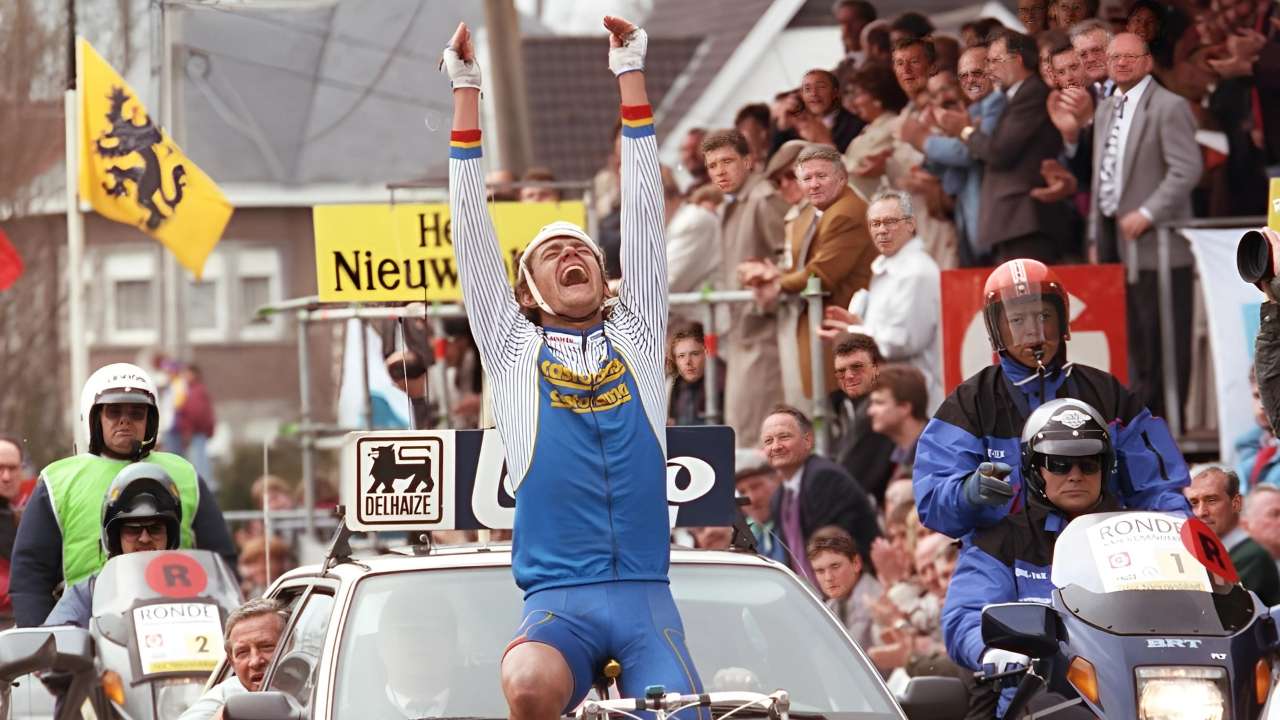
Born on 10 February 1967 in Laval, Mayenne, Jacky Durand emerged as a relentless force in the professional peloton. His 217-kilometre solo breakaway win at the 1992 Tour of Flanders wasn’t just a career highlight — it was a cycling masterclass in grit and endurance. He also won three Tour de France stages, wore the coveted yellow jersey, and twice earned the Combativity Award for his aggressive riding style. At a time when French cycling was searching for icons, Durand filled that space with flair and unpredictability.
Durand’s journey, however, wasn’t without controversy. From stunning victories to doping allegations and disqualifications, his career mirrors the complicated history of professional cycling itself. He rode during a transformative era — where passion clashed with politics, and glory often walked a tightrope with scandal. Despite finishing last in the 1999 Tour de France, where he also took the symbolic Lanterne Rouge, fans continued to admire his resilience and character.
Today, Jacky Durand is more than a name in the archives. As a Eurosport commentator, he brings the same candid energy to the mic that once propelled him up brutal climbs and across solo breakaways. His legacy is one of both inspiration and contradiction — a bold rider whose career invites admiration, curiosity, and a deeper look into the culture of French cycling.
In this article, you’ll explore Jacky Durand’s life story, key victories, challenges, and his enduring influence on road racing, with insights that go beyond results and reveal the soul of a cyclist who simply refused to follow the pack.
Laval, France
| Full Name | Jacky Durand |
| Nickname | Doudou or Dudu (Teddy Bear) |
| Date of Birth | 10 February 1967 |
| Place of Birth | Laval, Mayenne, France |
| Nationality | French |
| Occupations | Retired Cyclist, Cycling Commentator, Writer |
| Years Active | 1990–2004 (Cycling), 2005–present (Media & Journalism) |
| Discipline | Road Cycling |
| Role | Rider |
| Rider Type | Breakaway Specialist, Classics Specialist |
| Famous For | Winning the 1992 Tour of Flanders, 1992 Paris–Tours, and aggressive solo breakaways |
| Current Team | Retired |
| Professional Teams |
|
Early Life and Background
Jacky Durand was born on February 10, 1967, in Laval, a commune in the Mayenne department of northwestern France. Nestled in the historical region of Pays de la Loire, Laval offered a blend of rural landscapes and tight-knit communities — a setting that would later influence Durand’s tenacious and independent spirit. His early years in this modest French town laid the groundwork for the underdog mentality that would define his racing style and public image throughout the 1990s.
Family and Upbringing
Durand was raised in a working-class family, where values like hard work, perseverance, and modesty were emphasized from a young age. Though his family did not have a background in professional sports, they were deeply supportive of his athletic interests. In interviews, Durand has occasionally referenced his humble upbringing as a formative part of his character, which shaped not only his resilience on the road but also his disdain for playing it safe. There is little public information about the exact details of his immediate family, as Durand has generally kept his vie privée (private life) out of the spotlight — a trait consistent with many athletes of his generation.
Early Interest in Sports and Cycling
Durand’s introduction to the world of sports came early, as was common for many children in rural France during the 1970s. However, it was cycling, with its demand for individual effort and tactical risk-taking, that soon captivated him. He began riding with local amateur clubs in the Mayenne region, where his natural endurance and love for breakaways quickly set him apart. His early experiences pedaling through the undulating countryside of western France helped cultivate the bold style that fans would later associate with terms like “bandana-loving Jacky Durand” and “doomed breaks.”
As a teenager, Durand was not considered the strongest climber or the most technically gifted rider, but he stood out for his fearless approach — a trait that would become a recurring theme in his professional career. Local coaches and teammates recalled his unwillingness to wait for the perfect moment — he’d go all-in, often solo, believing that the “only chance of winning” was to attack before anyone else even considered it. That instinctive racing philosophy began to form well before his pro years, grounded in early races around Laval and supported by his relentless desire to prove himself.
Influences and Path to Professional Cycling
Durand’s path to professional cycling was not a straight line through elite academies or junior championships. Instead, it was built on grit and persistence. He moved through the French amateur cycling circuit in the 1980s, gaining attention with his aggressive racing style and tactical unpredictability. His breakthrough came when he joined the amateur team UC Nantes Atlantique, which provided the exposure and experience needed to transition into the professional ranks. In 1990, he finally signed with Castorama, marking the beginning of a professional career that would span over a decade and include victories at Paris–Tours, the Tour of Flanders (1992), and several Tour de France stages.
Durand’s early years also reflect the ethos of a time when cycling was undergoing transformation — from localized club-based training to more corporatized, international teams like Team Telekom. Though he would never race for Telekom, Durand stood as a contrast to the highly scientific, controlled strategies of big-budget squads. His career would later intersect with contemporaries like Fabian Cancellara, but where Cancellara was precision and power, Jacky Durand was all heart and risk — a lone wolf amidst wolves in packs.
Amateur Cycling Career
Jacky Durand’s rise to prominence as a professional cyclist began with a determined and passionate entry into the French amateur cycling scene in the 1980s. Born in Laval, in the Mayenne department of western France, Durand was exposed early on to the rustic yet competitive spirit of regional cycling. His natural affinity for endurance, coupled with a bold racing style, quickly distinguished him from his peers. Even before donning the professional jersey, Durand was already developing a reputation for initiating long solo breakaways—an aggressive tactic that would become his career trademark.
Durand’s amateur career officially gained structure in 1986 when he joined the UC Cholet 49 team, a respected amateur squad known for developing raw talent in the Pays de la Loire region. That same year, he began competing in local and national-level races, steadily building his palmarès. One of his earliest successes came in the Circuit des Deux Provinces, where his fearless attacks and relentless pace earned him victories and placed him on the radar of national selectors. His early performance in this period echoed the spirit of traditional French cycling—attacking, expressive, and romantic in style—earning admiration from local fans and media.
By 1988, Durand had firmly established himself in the elite ranks of French amateur cycling. He joined the professional-feeder team VC Pontchâteau, where his mentorship under seasoned coaches helped refine his race strategy while still preserving his adventurous instincts. In the Tour de l’Avenir, regarded as the proving ground for future Tour de France contenders, Durand’s performances were both gritty and inspiring. While not a general classification contender, his breakaways drew attention from scouts and analysts. His daring solo effort during one of the stages led to widespread media praise and marked a key turning point in his pre-professional years.
Among Durand’s most notable amateur accolades was his victory at the 1989 Paris–Chauny, a respected one-day race that often attracted France’s top amateur talent. He followed it up with a standout performance in the Tour de la Manche, where he captured a stage win with a characteristic long-range attack. These performances reinforced his identity as a breakaway artist long before the term became part of his professional lore.
Durand’s unique style, characterized by “doomed breaks” and a refusal to conform to defensive racing, made him a fan favorite and a commentator’s delight—even in amateur circuits. His bright personality, often reflected by his iconic bandanas (which earned him the nickname bandana loving Jacky Durand), began to shape a personal brand. This growing persona made him a natural fit for French media, and even at this stage, it was clear he would someday make the transition from cycling icon to jacky durand journalist and jacky durand écrivain, with his vivid recollections and storytelling flair.
By the close of the 1989 season, Durand’s consistent results and tenacity earned him an offer from the professional team Castorama, marking the end of his amateur career and the beginning of his celebrated tenure in the professional peloton. His transition was not merely about stepping up in category; it symbolized the entry of a new type of rider into the top tier—one who prioritized audacity over calculation, storytelling over statistics. That spirit would go on to shape not just jacky durand’s cyclist career but his later roles in journalism and broadcasting, including his work with jacky durand eurosport.
Ultimately, Jacky Durand’s amateur years were foundational, not just for his physical development as a cyclist, but for the creation of a public persona that would transcend sport. Whether it was in Ronde van Vlaanderen, Paris–Tours, or his later literary and journalistic endeavors, the essence of Durand—the underdog who raced with heart—was forged during these vital early years.
Turning Professional and Early Years in the Peloton
Jacky Durand officially turned professional in 1990 when he signed with the Castorama team, marking the beginning of a notable and successful career in the upper echelons of professional cycling. Although his raw talent was already evident during his amateur days, it was in the professional ranks where Durand would truly make his mark, gaining recognition for his aggressive racing style, charisma, and resilience.
His early years with Castorama were formative, allowing him to refine his skills while competing against some of the sport’s top riders. Durand’s role in his team varied but often included acting as a breakaway artist, a role in which he excelled. His audacity in initiating long, daring escapes made him a fan favorite, especially during the prestigious classics. This penchant for bold attacks set him apart in a peloton that was more accustomed to controlled, tactical racing. Durand’s unique approach to races earned him a reputation as a fearless and unpredictable competitor.
Notable Teams Represented
Throughout his professional career, Durand represented several teams, including Castorama, Team Telekom, and Française des Jeux. These teams provided Durand with the platform to showcase his abilities in both one-day races and grand tours, with each season contributing to his evolution as a rider.
Castorama (1990-1994)
Durand’s formative years as a professional were spent with Castorama, where he honed his skills and made his first big impact on the cycling world. His aggressive racing style flourished under the team’s structure, which allowed him to explore his potential in the classics.Team Telekom (1995-1998)
Durand’s move to Team Telekom marked a significant shift in his career. Known for its dominant performance in stage races and grand tours, the team was a perfect fit for Durand’s relentless style. He often found himself in breakaways during the Spring Classics, where he became one of the team’s key riders in one-day races.Française des Jeux (1999-2002)
In his later years, Durand joined Française des Jeux, where he continued to race fiercely, contributing his experience and aggressive tactics to the team’s repertoire.
Role in Teams and Racing Style
Durand’s role in his teams was primarily that of a domestique (support rider) in stage races and a leader in one-day classics. His reputation as a breakaway specialist was cemented during the Spring Classics, where he regularly attempted long solo breaks, often managing to hold off the chasing peloton to secure stage victories. Durand’s tenacity and determination allowed him to thrive in races that rewarded aggressive tactics, earning him the nickname bandana loving Jacky Durand—a nod to his distinctive style and personal flair.
Durand’s style was characterized by calculated unpredictability. While many riders followed set tactics in grand tours, Durand was known for going off the front early in races, sometimes from the very first kilometers, creating a spectacle and often managing to stay ahead of the pack for extended periods. His doomed breaks, where he would launch long escapes with little hope of success, became a signature move that endeared him to fans and commentators alike.
Known for Solo Breakaways
Jacky Durand, a notable figure in the world of cycling, earned a reputation for his aggressive, solo breakaway style, which became a hallmark of his racing career. His approach to racing was daring and often unpredictable, setting him apart from his peers. Durand’s ability to break away from the pack and maintain a substantial lead was showcased in many of his victories, where he managed to fend off the chasing peloton for long periods. This made him a feared competitor, particularly in one-day classics where endurance and tactical brilliance were key.
His most famous solo efforts included several races where he outlasted riders with superior sprinting ability, demonstrating his deep understanding of race dynamics and mental toughness. His breakaway strategy wasn’t just about strength; it was a testament to his tactical genius, knowing when and where to make his move for maximum impact.
Aggressive Racing Approach
Durand’s racing style was characterized by a bold, all-or-nothing mentality. Rather than relying solely on his sprinting capabilities or working with teammates, he preferred to make his mark with aggressive attacks from the front. His approach to racing was intense, often launching early moves, leaving others to chase behind. He was known for having the courage to go for the win rather than merely settle for a top finish. This fearless racing approach won him both admiration and criticism, but it undeniably made him one of the most exciting cyclists of his era.
His willingness to go on the offensive, even in adverse conditions or during difficult stages, earned him a place in the hearts of fans who appreciated his never-give-up attitude. Durand’s aggressive style also made him a key figure in the classics, especially in events like the Paris-Roubaix, where his tactics often made him a key contender in the race’s unpredictable nature.
Nicknames and Public Image
Jacky Durand’s public image was one of a determined, unyielding fighter. He was often described by the media as a “hard man” of cycling, reflecting his toughness and his willingness to face tough conditions head-on. His tenacity on the bike made him a popular figure not just in France, but globally among cycling fans. Durand’s image was complemented by his distinctive bandana, a signature look that became synonymous with his identity, contributing to his iconic status in the cycling world. He was also known for his jovial personality off the bike, often seen engaging with fans and the media in a friendly and approachable manner.
This combination of fierceness in competition and affability outside of it made Durand a beloved figure in the sport, further cementing his legacy as one of cycling’s most memorable characters.
Notable Victories and Achievements
Tour of Flanders 1992
One of Durand’s defining achievements came at the 1992 Tour of Flanders (Ronde van Vlaanderen), one of the most prestigious one-day races in the cycling calendar. In a dramatic and unexpected turn, Durand claimed victory in this grueling race, outlasting some of the most formidable riders in the world. His win was a testament to his unorthodox approach to racing, where his courage in attacking early in the race gave him the opportunity to claim one of the sport’s most coveted titles. The victory was not just a personal triumph but also a defining moment in the evolution of the Belgian Classic races, where aggressive tactics often dominate the day.
Tour de France Stage Wins
Durand’s Tour de France career was marked by consistent efforts in breaking away from the peloton, and his stage wins stand out in his career. His first victory in the Tour came in 1994, when he claimed the win in a thrilling breakaway. Durand’s victory was a result of his tenacity and strategic thinking, seizing the moment when the peloton faltered in their chase. His determination on the mountainous stages of the Tour de France made him a recognizable name in the cycling world.
Other Classic Wins and Distinctions
Beyond the Tour of Flanders, Durand enjoyed a number of wins in other key one-day classics. He claimed victories in Paris–Tours and Paris–Roubaix, two other major races in the French cycling calendar. His victory in Paris–Tours was particularly significant, as it solidified his reputation as one of the best riders in the Spring Classics.
In addition to his wins, Durand’s list of accolades includes multiple podium finishes in high-profile races, such as Liège–Bastogne–Liège, and consistent top finishes in Gent–Wevelgem and Amstel Gold Race. Durand’s aggressive nature in these races, constantly attacking and forcing the pace, became a hallmark of his style.
Retirement and Legacy
Durand retired from professional cycling in the early 2000s, but his influence in the sport continued through his post-retirement career. He transitioned into roles as a commentator and jacky durand journalist, notably for Eurosport, where he provided insights into the sport he loved, drawing on his vast experience in both the peloton and as a keen observer of the cycling world. Additionally, Durand’s post-cycling career also saw him embrace his passion for storytelling, publishing works that reflected on his racing days and the broader culture of cycling.
Durand’s legacy as one of the sport’s most distinctive and beloved figures is firmly entrenched in the cycling community. His bold approach to racing, willingness to take risks, and personality off the bike contributed to his enduring popularity and influence in the sport of cycling.
Doping Controversy
While Jacky Durand’s career was largely celebrated for his aggressive racing style and many victories, it wasn’t immune to controversy. Like several other cyclists in the 1990s, Durand found himself embroiled in a doping scandal, a dark chapter that affected many of his contemporaries. In 1998, the cycling world was rocked by the infamous Festina affair, which exposed widespread doping practices in the sport. Durand’s name was mentioned in connection with these investigations, although the details of his involvement remained somewhat unclear.

Durand’s association with the scandal raised questions about the pressures athletes face in elite cycling, where doping was rampant in the bid for victory. However, unlike some of his peers who faced severe sanctions, Durand was never formally disqualified from a major event, though the controversy left a shadow over his career. The episode was emblematic of a larger systemic issue within professional cycling during that period.
Disqualification and Outcomes
Though Durand’s involvement in doping was widely discussed, he managed to avoid the extreme consequences faced by some of his contemporaries, including disqualification from major races. His career continued for several years after the doping controversy, and he was able to maintain his reputation as a formidable competitor in the peloton. However, his association with doping ultimately affected his legacy, with some fans and critics questioning the authenticity of his victories.
Despite this, Durand’s overall contribution to the sport remained significant, and he continued to be regarded as one of the true warriors of cycling, whose aggressive style and memorable moments on the bike continued to inspire future generations of riders.
Impact on Reputation
The doping controversy had a long-term impact on Jacky Durand’s public image. While his career achievements were never fully overshadowed by the scandal, the whispers about doping did somewhat tarnish his reputation among purists and those who wanted to see cycling cleansed of doping. Yet, Durand’s own stance was one of denial, and he continued to assert his innocence, even as cycling underwent reforms and increased scrutiny in the post-Festina era.
For many, Durand’s legacy remains intact for his sheer toughness and his undeniable contributions to the sport, with his iconic solo breakaways and aggressive approach to racing being the defining features of his career. However, the doping issue cannot be entirely separated from his story, and it serves as a reminder of the challenges and dark sides of the sport during his time.
In conclusion, while Jacky Durand’s career was not without controversy, his signature racing style and determination left an indelible mark on the world of cycling, ensuring that he remains one of the sport’s most compelling and complex figures.
Retirement and Later Career
Jacky Durand retired from professional cycling in 2004, after an illustrious career that spanned over a decade. During his time in the peloton, Durand became known for his aggressive, breakaway racing style, and his contributions to the sport’s one-day classics. By the time he hung up his racing wheels, Durand had accumulated several notable victories, including a celebrated win at the Paris–Roubaix in 1998. His retirement marked the end of a successful chapter, but it also signaled the beginning of a new phase in his life, where his expertise and passion for cycling would continue to influence the sport in different ways.
Post-Retirement Roles
Following his retirement from competitive cycling, Jacky Durand seamlessly transitioned into a variety of roles that allowed him to remain closely connected to the sport he loved. One of the most prominent of these roles was his involvement in media. Durand became a well-regarded cycling commentator and analyst for Eurosport, where his in-depth knowledge of racing tactics and history brought valuable insights to viewers. His unique perspective, shaped by years of firsthand experience in the peloton, made him a favorite among cycling fans who appreciated his candid and thoughtful commentary. Durand’s ability to break down complex race strategies and offer personal anecdotes about his experiences in the heat of competition added a human touch to his broadcasts.
Beyond his work as a commentator, Durand also explored writing. He became an accomplished écrivain, contributing articles and stories that reflected his deep understanding of cycling culture and the nuances of the professional circuit. His work as a journalist allowed him to continue sharing his experiences, offering a rare insider’s view of the sport from a former athlete’s perspective. Durand’s transition into writing further cemented his status as an ambassador for cycling, extending his influence beyond the finish line.
Involvement in Cycling Events
Even after retiring from active competition, Durand’s passion for cycling remained unwavering. He continued to be involved in cycling events, whether as a guest, a commentator, or an advisor. His name remained synonymous with some of the sport’s most iconic races, and he often appeared at major events like the Tour des Flandres and Paris–Tours, where his past victories were still part of the lore of these races.
Durand’s connection to the sport also extended to his role in promoting cycling and supporting charitable events. His reputation and presence at cycling festivals, such as those celebrating the history of the Tour de France, allowed him to contribute to the ongoing development of the sport. His insight into race tactics, as well as his candid opinions about the evolution of cycling, continued to inspire both current cyclists and the fans who had followed his career.
Durand also maintained a connection to the broader cycling community by participating in amateur cycling events and charity races. His involvement in these events further solidified his role as a respected figure in the cycling world. He became a mentor of sorts for younger cyclists, offering advice and encouragement based on his years of experience racing at the highest level.
In his post-retirement years, Durand’s influence extended far beyond his racing career. His media roles, writing, and continued involvement in cycling events ensured that his legacy lived on in the sport, even though he was no longer actively competing. Whether in front of a camera, on paper, or among the cycling community, Jacky Durand remained a beloved figure, valued for his contributions to cycling and his enduring passion for the sport.
Personal Life and Public Image
Family and Relationships
Jacky Durand’s personal life has remained relatively private, though it is known that he hails from a close-knit family. His deep connection to cycling is not just a professional legacy but also a family affair. Durand has been supported by his family throughout his career, particularly by his partner, who has been a pillar during both his competitive years and post-retirement endeavors. While Durand has been open about the sacrifices required to pursue a professional cycling career, he has always emphasized the importance of family in his life. His strong family bond has played a significant role in his ability to maintain balance between his demanding career and personal interests.

The details of Durand’s immediate family, including his children, are kept out of the limelight, further reflecting his preference for a life outside the media’s scrutiny. However, his enduring relationships with those closest to him have been integral to his long-term success both in the sport and in his life beyond cycling.
Hobbies and Interests
Outside of cycling, Jacky Durand has cultivated several interests that reflect his personality beyond the world of competitive sports. Known for his love of cooking, Durand has also expressed his passion for culinary arts in public forums, where he frequently shares recipes and cooking tips. His affection for food, especially in relation to cycling’s demanding physical requirements, has led him to explore the intersection of nutrition and performance.
Durand’s love for cooking is encapsulated in his writing and various media appearances. In addition to his career as a journalist and écrivain (writer), he has authored works that delve into the personal and cultural aspects of life as a professional athlete, including his views on food, fitness, and lifestyle. This includes his contributions to the Le Cahier de Recettes, a project that highlights his affection for culinary traditions and the joy of sharing meals with loved ones.
Apart from cooking, Durand has maintained an interest in various cycling-related activities, including organizing and participating in amateur races and cycling events. He has often appeared at charity races and public cycling festivals, where he not only rides but also interacts with fans and young cyclists, fostering a sense of community and giving back to the sport that defined his career.
Public Appearances
Durand remains a prominent figure in the cycling world even after his retirement. He is a regular guest at cycling events, both in professional and non-competitive settings. His public appearances are usually tied to significant cycling events like the Tour des Flandres, Paris–Roubaix, and Paris–Tours, where his past victories are celebrated by fans and fellow cyclists alike. These appearances allow Durand to maintain his legacy as one of the sport’s most respected riders, while also providing opportunities to engage with new generations of cyclists.
In addition to race appearances, Durand has made several public media appearances on platforms like Eurosport, where he continues to offer expert analysis and commentary on current races. His insights into the strategies and nuances of modern cycling are highly valued, and his appearances often feature discussions about the sport’s history, the evolution of racing tactics, and the physical demands placed on athletes.
Durand’s presence extends beyond sports media, as he also participates in interviews and documentaries that explore the cultural impact of cycling. His status as a former professional cyclist and his deep-rooted understanding of the sport make him a sought-after voice for discussions on the future of cycling and its role in modern society.
Moreover, Durand has appeared in a variety of public-facing roles, such as at cycling conventions and expos, where he not only advocates for cycling but also promotes the values of sportsmanship and perseverance that guided his career. Whether at car shows where he discusses the intersection of cycling and motorsports or at cultural events where his multifaceted interests are on display, Durand continues to play an active role in public life.
Legacy and Influence
Jacky Durand’s influence on French cycling extends far beyond his racing career, having cemented his legacy as one of the most beloved and respected riders in the sport’s history. His strategic brilliance, relentless perseverance, and memorable victories, especially in the Tour des Flandres (1992), have left an indelible mark on the cycling community. As a rider, Durand was known for his ability to break away from the pack in the most challenging circumstances, a characteristic that earned him a reputation for being one of the most daring and unpredictable cyclists of his time.
His performances in the Paris–Roubaix and Paris–Tours, where he displayed both raw power and tactical intelligence, are among the defining moments of his career. Durand’s contributions were not limited to victories; he also played an instrumental role in the development of the French cycling scene, inspiring future generations of riders. His strategic approach to racing, particularly his ability to read the course and anticipate the movements of his rivals, has been a blueprint for younger cyclists aiming to succeed in the sport’s most challenging events.
Durand’s influence also reached beyond the roads. He became a journalist and écrivain, contributing to the sport’s media landscape, where his insight into the mechanics of racing and his personal experiences as a professional rider gave him a unique platform to shape the narrative around French cycling. Through his writing and commentary, Durand continued to contribute to the culture of cycling, advocating for the preservation of its history and the importance of strategic racing.
Inspiration to Younger Riders
Jacky Durand has been a significant source of inspiration to younger riders, both in France and internationally. His fearless approach to racing, his ability to push boundaries, and his unrelenting commitment to his craft made him a role model for aspiring cyclists. Durand’s Tour des Flandres win in 1992, where he triumphed in a solo breakaway, is frequently cited by young cyclists as an iconic example of the power of individual determination in the sport. This victory, in particular, demonstrated that with the right tactics, sheer grit, and mental fortitude, a rider could defy the odds and take on some of cycling’s most formidable challenges.
In interviews and documentaries, many modern French cyclists have named Durand as a key figure in their decision to pursue professional cycling. His focus on the importance of mental toughness, tactical intelligence, and the value of teamwork has also influenced the way younger riders approach training and racing. Durand’s ability to make bold moves, even when victory seemed unlikely, serves as a reminder that success in cycling is often the result of taking calculated risks and believing in one’s ability to control the race.
Furthermore, Durand’s post-racing career has kept him closely connected to the sport, where he continues to mentor and advise up-and-coming riders, especially through his work with youth cycling organizations and his media presence on platforms like Eurosport. This ongoing involvement ensures that his legacy continues to shape the future of cycling.
Media Recognition and Honors
Jacky Durand’s contributions to French cycling have not gone unnoticed by the media, and he has been recognized with numerous accolades throughout his career. His strategic genius, combined with his charismatic personality, made him a fixture in the cycling world, both on and off the race course. Following his retirement, Durand transitioned to a role in the media, where he has been praised for his insightful commentary and analytical skills. His Eurosport appearances, where he offers expert analysis of contemporary cycling events, have further solidified his place as an influential figure in the sport.
Durand’s legacy as a rider is also marked by the honors he received throughout his career. His Paris–Tours victories, numerous podium finishes in prestigious events like the Tour de France, and his recognition as one of the top French cyclists of his era have cemented his place in the history of the sport.
In addition to media recognition, Durand has also received honors from the French cycling community, where his career is celebrated not just for his wins, but also for his contribution to the spirit of French cycling. His name is synonymous with the golden age of French cycling in the 1990s, a period in which the nation was at the forefront of international cycling.
Durand’s accolades extend beyond competitive cycling; his contributions to literature and journalism have earned him praise as a multi-faceted ambassador for the sport. His books and contributions to cycling journalism have brought a fresh perspective to the cycling world, offering insights into the personal and professional challenges of being a professional cyclist. In recognition of his ongoing impact, Durand has also been honored at various cycling galas and events, further ensuring that his legacy will be celebrated for years to come.
Career Statistics
Statistics
| Major Wins (Chronological) | 5+ |
| Tour Participations | 3+ |
| Awards and Honors | 4+ |
| Total | 12+ |
Major Wins
| Year | Event | Location | Achievement |
|---|---|---|---|
| 1992 | Tour des Flandres | Belgium | Won the Tour des Flandres in a solo breakaway, marking his most famous victory. |
| 1992 | Paris–Tours | France | Won Paris–Tours, showcasing his tactical brilliance in a breakaway finish. |
| 1993 | Grand Prix Pino Cerami | Belgium | Secured victory in this one-day classic, establishing himself as a strong classic rider. |
| 1994 | Route du Sud | France | Won this prestigious stage race, adding to his growing list of victories in French cycling. |
| 1995 | Tro Bro Leon | France | Triumphed in this rugged, cobbled race, known for its punishing terrain. |
Tour Participations
| Tour | Participation Details | Key Achievements |
|---|---|---|
| Tour de France | Multiple participations in the Grand Tour. | Renowned for aggressive breakaways and strong solo performances. |
| Vuelta a España | Participated in the Spanish Grand Tour. | Notable for bold riding style, though no stage wins recorded. |
| Giro d’Italia | Raced in the Italian Grand Tour. | Showcased versatility and endurance despite not being a favorite. |
Awards and Honors
| Award/Honor | Details |
|---|---|
| French National Cycling Championships | Consistent top contender throughout his career, though never won the title. |
| Paris–Tours Victory (1992) | A hallmark win that defined his career and elevated his profile in the classics circuit. |
| Best French Rider | Often recognized as the most aggressive and successful French rider in Flanders classics. |
| Media Recognition | Transitioned to sports journalism, contributing expert insights to Eurosport and other platforms. |
| Cycling Awards & Medals | Honored for his contributions and style, earning accolades across French and European cycling bodies. |
Gallery