Table of Contents
Winston Churchill (British Politician)
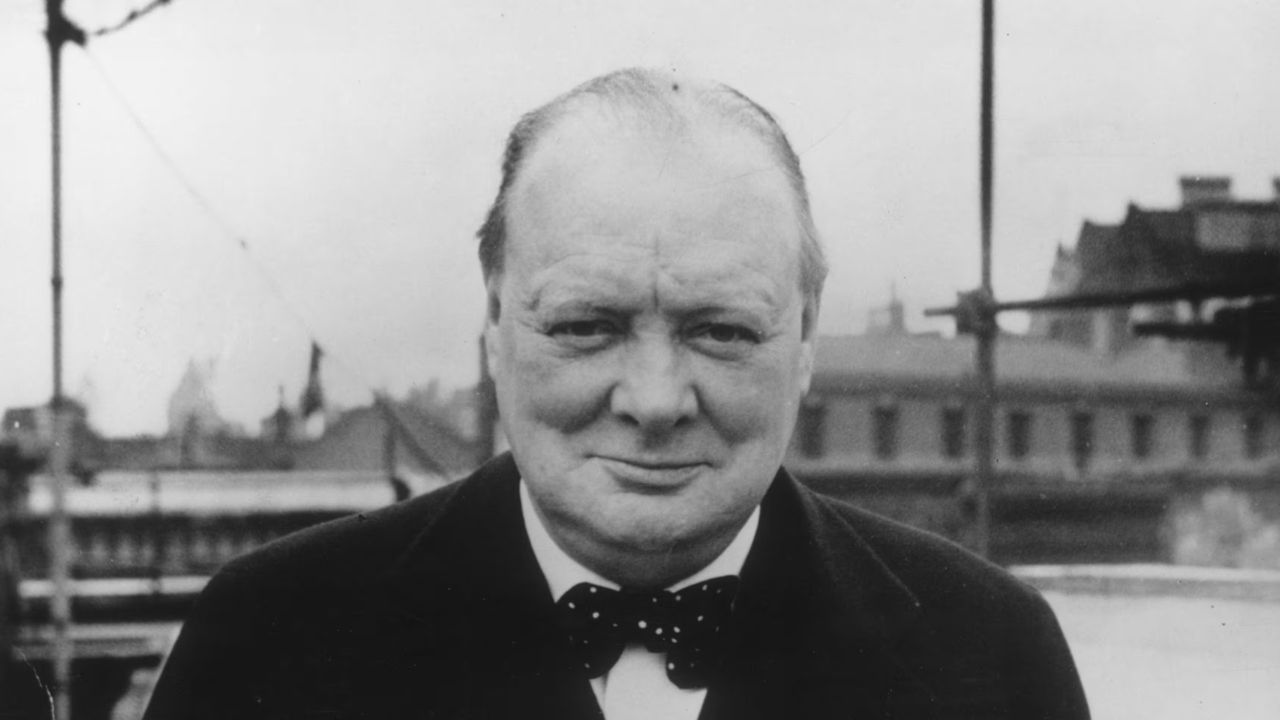
Sir Winston Leonard Spencer Churchill (30 November 1874 – 24 January 1965) was a British statesman, military officer, writer, and one of the most influential leaders of the 20th century. He served as Prime Minister of the United Kingdom twice — first from 1940 to 1945 during the Second World War, and again from 1951 to 1955. Over a political career spanning more than six decades, Churchill represented five different constituencies as a Member of Parliament, becoming a central figure in British politics.
Born in Oxfordshire to a wealthy aristocratic family, Churchill had a mixed English and American heritage. His father, Lord Randolph Churchill, was a prominent politician, and his mother, Jennie Jerome, was an American socialite. Despite his privileged background, Churchill’s early life was marked by personal challenges, including struggles at school, which did not stop him from pursuing a remarkable career in both the military and politics.
Churchill began his public life in the British Army, serving in India, the Mahdist War, and the Second Boer War. He also gained fame as a war correspondent, writing vivid accounts of his campaigns. His political journey started in 1900 as a Conservative MP, later joining the Liberal Party and holding key government positions such as President of the Board of Trade, Home Secretary, and First Lord of the Admiralty during World War I. His leadership experience was shaped by both successes and setbacks, including the controversial Dardanelles campaign.
During the Second World War, Churchill’s leadership reached its peak. Appointed Prime Minister in May 1940, he formed a national government and inspired the British people through his speeches and determination. Under his guidance, Britain played a decisive role in defeating the Axis powers. Even after losing the 1945 election, he remained a key political figure, warning of Soviet influence in Europe and advocating for European unity during the early Cold War.
Apart from politics, Churchill was a celebrated writer and historian, earning the Nobel Prize in Literature in 1953 for his historical works and speeches. He continued to influence British politics until his resignation in 1955 and remained an MP until 1964. Churchill passed away on 24 January 1965 and was honored with a state funeral, leaving a lasting legacy as a wartime hero, skilled orator, and one of Britain’s greatest prime ministers. His life continues to inspire leadership, resilience, and courage across the world.
Winston Churchill (British Politician)

| Full Name | Sir Winston Leonard Spencer Churchill |
| Position | Prime Minister of the United Kingdom |
| In Office | 1940–1945; 1951–1955 |
| Political Party | Conservative Party (most of career); Liberal Party (1904–1924) |
| Preceded by | Neville Chamberlain (1940) |
| Succeeded by | Clement Attlee (1945), Anthony Eden (1955) |
| Date of Birth | 30 November 1874 |
| Place of Birth | Blenheim Palace, Oxfordshire, England |
| Education | Harrow School; Royal Military Academy Sandhurst |
| Military Service | British Army, 4th Hussars; served in India, Sudan, and Second Boer War |
| Member of Parliament | 1900–1964 (represented five constituencies) |
| Other Government Roles | First Lord of the Admiralty, Home Secretary, Minister of Munitions, Chancellor of the Exchequer, Secretary of State for War, Secretary of State for Air, Secretary of State for the Colonies |
| Key Achievements | Led Britain to victory in WWII, Allied coordination, speeches inspiring national resilience, post-war reconstruction |
| Controversies | Support for imperialism, some wartime decisions like area bombing, racial comments criticized by historians |
| Occupation | Politician, Military Officer, Writer, Historian |
| Nobel Prize | Literature, 1953 |
| Date of Death | 24 January 1965 |
| Place of Death | London, England |
| Legacy | Iconic wartime leader, orator, historian; ranked among greatest British Prime Ministers |
Early life and Education
Sir Winston Leonard Spencer Churchill was born on 30 November 1874 at Blenheim Palace, the grand family estate in Oxfordshire, England. He came from a distinguished background: his father, Lord Randolph Churchill, was a prominent Conservative politician, and his mother, Jennie Jerome, was an American socialite. This blend of British aristocracy and American influence gave Churchill a unique perspective on both politics and society from an early age.
Churchill’s childhood was not without challenges. He was a bright but often rebellious student, struggling to meet academic expectations. Despite these difficulties, he showed early signs of determination, curiosity, and a love for history and reading, which would later shape his writing and leadership skills.
He attended several schools before being accepted into the Royal Military Academy Sandhurst, where he trained for a career in the British Army. At Sandhurst, Churchill distinguished himself as a disciplined and ambitious cadet, laying the foundation for his later service as a soldier and war correspondent.
His early life and education played a crucial role in shaping his character: resilience in the face of challenges, a thirst for knowledge, and the courage to take bold decisions — qualities that would define his career in politics and leadership during some of Britain’s most critical moments.
Career
After completing his education at the Royal Military Academy Sandhurst, Winston Churchill began his career in the British Army in 1895. He served in India, Sudan, and later in the Second Boer War in South Africa. During this time, Churchill also gained fame as a war correspondent, writing detailed and vivid reports of battles that were published in newspapers. These writings not only earned him public recognition but also honed his skills as a communicator and historian.
Churchill entered politics in 1900, being elected as a Member of Parliament for the Conservative Party. Four years later, he switched to the Liberal Party, taking on several key government roles. He served as President of the Board of Trade, advocating for workers’ welfare, and later became Home Secretary, championing prison reforms and social policies.
During World War I, Churchill was appointed First Lord of the Admiralty, where he oversaw the British Navy. Although the Dardanelles campaign was a failure and temporarily damaged his reputation, he quickly regained his standing by serving on the Western Front with the Royal Scots Fusiliers. He returned to government under David Lloyd George, holding positions such as Minister of Munitions, Secretary of State for War, Secretary of State for Air, and Secretary of State for the Colonies. He played a key role in the Anglo-Irish Treaty and in shaping British foreign policy in the Middle East.
In the interwar period, Churchill was often out of government during what became known as his “wilderness years.” However, he remained politically active, warning about the rise of Nazi Germany and urging Britain to rearm. His foresight proved critical when World War II broke out.
Churchill’s career is a testament to resilience, adaptability, and leadership. From military officer to journalist, from government minister to wartime Prime Minister, his diverse experiences shaped him into one of Britain’s most influential statesmen, leaving a legacy that continues to inspire generations.
World War II and Prime Ministership
Winston Churchill’s leadership during World War II remains one of the most defining periods of his career. In May 1940, as Britain faced the growing threat of Nazi Germany, he was appointed Prime Minister, succeeding Neville Chamberlain. At a time when the country’s morale was low and Europe was under the shadow of conquest, Churchill’s bold vision and unshakable determination became a source of hope for the nation.
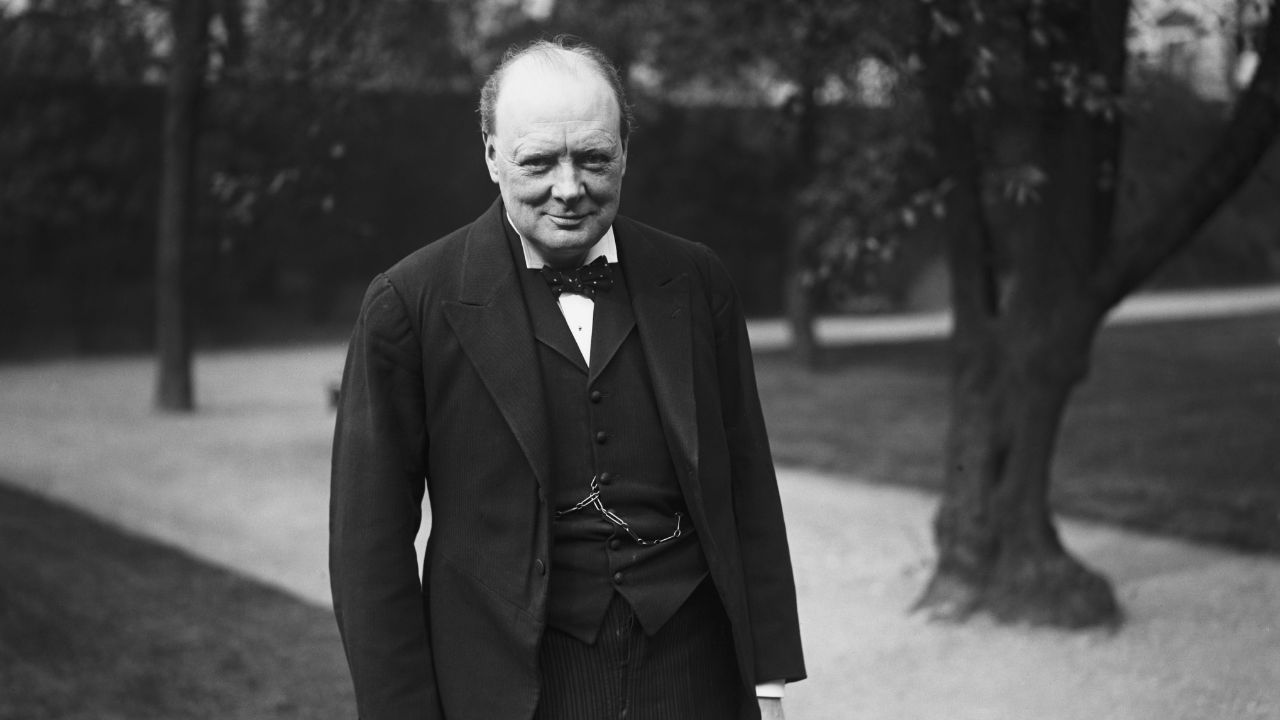
Churchill quickly formed a national government that included members from multiple parties, uniting the country in the fight against the Axis powers. He was known for his powerful speeches and radio broadcasts, which inspired citizens and soldiers alike. Phrases like “We shall fight on the beaches” and “Never surrender” reflected his defiance and unwavering belief in victory, boosting British morale even during the darkest days of the war.
Under his leadership, Britain coordinated closely with its Allies, particularly the United States and the Soviet Union, forming a strategic front against Germany, Italy, and Japan. Churchill played a crucial role in planning military campaigns, guiding diplomatic efforts, and ensuring that Britain remained resilient despite heavy bombings, resource shortages, and repeated threats of invasion.
His tenure as Prime Minister not only emphasized military strategy but also showcased his skill in diplomacy and international relations. Churchill’s ability to communicate effectively with global leaders helped strengthen alliances that were essential to the eventual victory of the Allies in 1945.
Churchill’s time as wartime Prime Minister cemented his reputation as one of the greatest leaders of the 20th century. His courage, eloquence, and strategic foresight ensured that Britain survived its darkest hours and emerged as a pivotal force in shaping the post-war world order.
Later Life, Achievements, and Legacy
After World War II, Winston Churchill faced political ups and downs but remained a prominent figure in British history. In the 1945 general election, his party lost, and he became Leader of the Opposition. During this period, he was an outspoken critic of Soviet expansion and famously warned of the “Iron Curtain” descending across Europe, advocating for unity and cooperation among Western nations.
In 1951, Churchill returned as Prime Minister, focusing on foreign affairs, rebuilding Britain’s international relationships, and guiding the country through the early stages of the Cold War. Domestically, his government prioritized housing and post-war reconstruction, leaving a lasting impact on British society. He resigned from office in 1955 due to declining health but continued to serve as a Member of Parliament until 1964.
Churchill was also a prolific writer and historian, documenting his experiences in multi-volume works about World War II, history, and biographies. In 1953, he was awarded the Nobel Prize in Literature for his mastery of historical and biographical writing, and for his brilliant oratory that inspired millions.
He passed away on 24 January 1965 and was given a state funeral, an honor rarely bestowed on non-royal figures in Britain. Churchill’s life and work left a legacy of courage, resilience, and leadership, earning him recognition as one of the greatest British Prime Ministers.
Today, Winston Churchill is remembered not only as a wartime leader but also as a visionary statesman, historian, and writer whose words, decisions, and dedication continue to influence leaders and inspire people around the world.
Cultural Depictions
Winston Churchill’s life and legacy have inspired countless works in literature, film, television, and art, reflecting his enduring influence on culture and history. He has been portrayed by numerous actors, including Gary Oldman, who won an Academy Award for Best Actor for his role as Churchill in Darkest Hour (2017), capturing the Prime Minister’s determination and oratory genius during World War II.
Churchill’s speeches, writings, and personal anecdotes have also been widely referenced in books, plays, and documentaries, highlighting his wit, leadership, and resilience. Biographers and historians have explored his complex personality — from his political brilliance and military strategies to his humor, stubbornness, and controversial views — offering a well-rounded picture of the man behind the legend.
His image and legacy appear in visual art, including portraits by celebrated photographers and painters, and his likeness has been used in postage stamps, statues, and memorials across the United Kingdom and worldwide. Churchill’s life continues to serve as a symbol of courage, perseverance, and leadership, inspiring new generations and maintaining a lasting place in popular culture.
Personal Life
Winston Churchill’s personal life was as rich and complex as his public career. In 1908, he married Clementine Hozier, who became a trusted partner and confidante throughout his political and wartime endeavors. Together, they had five children: Diana, Randolph, Sarah, Marigold, and Mary. Churchill was known to be a devoted father, though his intense public life often kept him away from home for extended periods.
Churchill had a wide range of personal interests. He was an avid painter, taking up the hobby in middle age as a way to relax and reflect. He also loved reading, writing, and bricklaying, which he pursued as forms of creative expression and stress relief. Known for his wit and charm, he enjoyed social gatherings but was also fiercely private about his family life.
Despite his achievements, Churchill struggled with periods of depression, which he referred to as his “black dog.” He openly acknowledged these struggles later in life, giving insight into the challenges he faced behind his public persona.
His personal values were deeply tied to his sense of duty, patriotism, and responsibility. Churchill’s home life, marriage, hobbies, and personal struggles all contributed to the resilience, focus, and empathy that defined his leadership and left a lasting legacy.
Gallery