Table of Contents
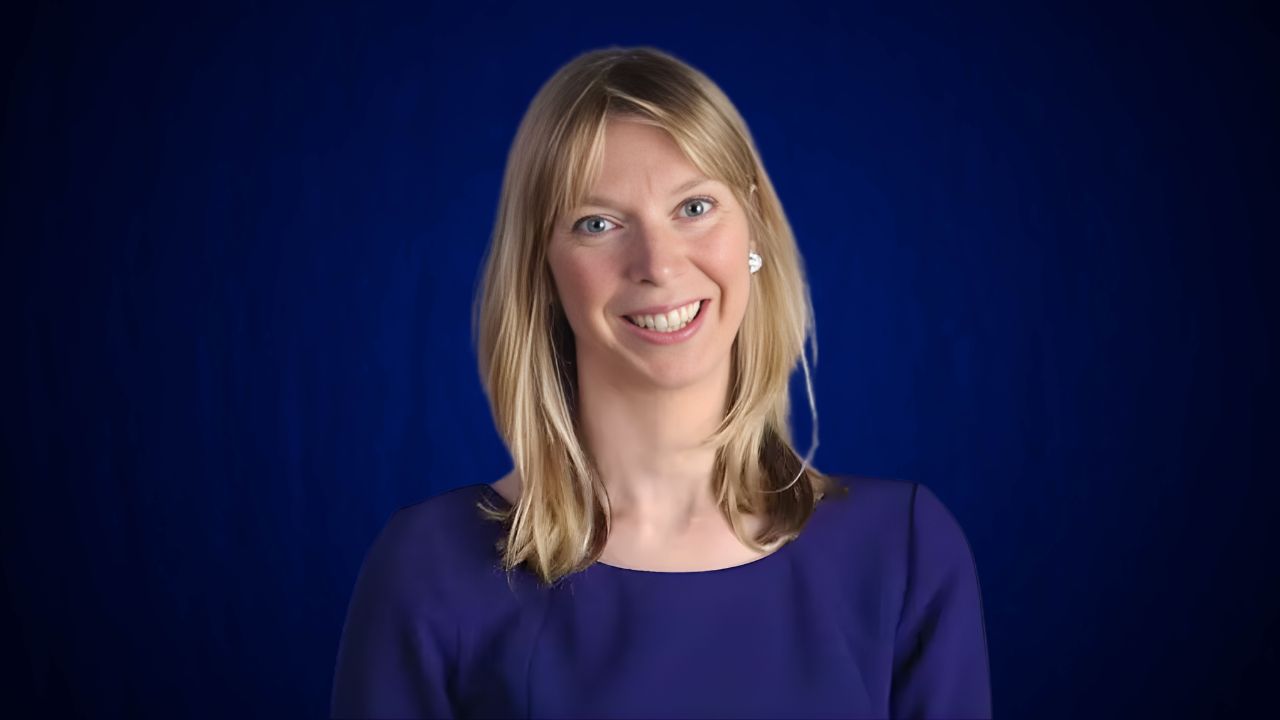
Camilla Cavendish (British Politician)
Hilary Camilla Cavendish, Baroness Cavendish of Little Venice (born 20 August 1968), is a respected British journalist, policy specialist and life peer known for her deep influence on public health, social care and government reform in the UK. She currently writes as a contributing editor and columnist for the Financial Times and serves as a Senior Fellow at Harvard University, where she focuses on global ageing, health systems and public policy innovation. Her expertise and long-standing work in journalism and government have made her a widely trusted voice on social challenges.
Cavendish studied Philosophy, Politics and Economics at Brasenose College, Oxford, graduating with first-class honours, before completing her Master of Public Administration at the Harvard Kennedy School as a Kennedy Scholar. This academic grounding helped shape her ability to bridge journalism, research and policymaking in a way few public figures manage to do.
Before entering national politics, she worked as a management consultant at McKinsey & Company and later became a prominent figure at The Times, where she served as associate editor, columnist and eventually chief leader writer. Her investigations into failures within the family court system led to important legal reforms and earned her major awards, including the Paul Foot Award and Campaigning Journalist of the Year.
Her shift from journalism to government came in 2013, when she led the Cavendish Review on healthcare assistants and support workers — a report that reshaped training standards in the UK’s health and social care sector. In 2015, she joined 10 Downing Street as Director of Policy under Prime Minister David Cameron, contributing to several key initiatives, including the development of the UK’s landmark “sugar tax.”
In recognition of her national service, she was appointed a life peer on 6 September 2016, taking the title Baroness Cavendish of Little Venice. Although nominated through the Conservative Party, she later stepped away from party affiliation to sit as a non-affiliated peer, reflecting her commitment to independent, evidence-driven policymaking.
Today, Baroness Cavendish continues to shape debates on health, ageing, and public-sector reform through her writing, academic work, and advisory roles. Her career — spanning consulting, award-winning journalism, and high-level government service — highlights her dedication to transparency, fairness and effective public policy.
Camilla Cavendish (British Politician)
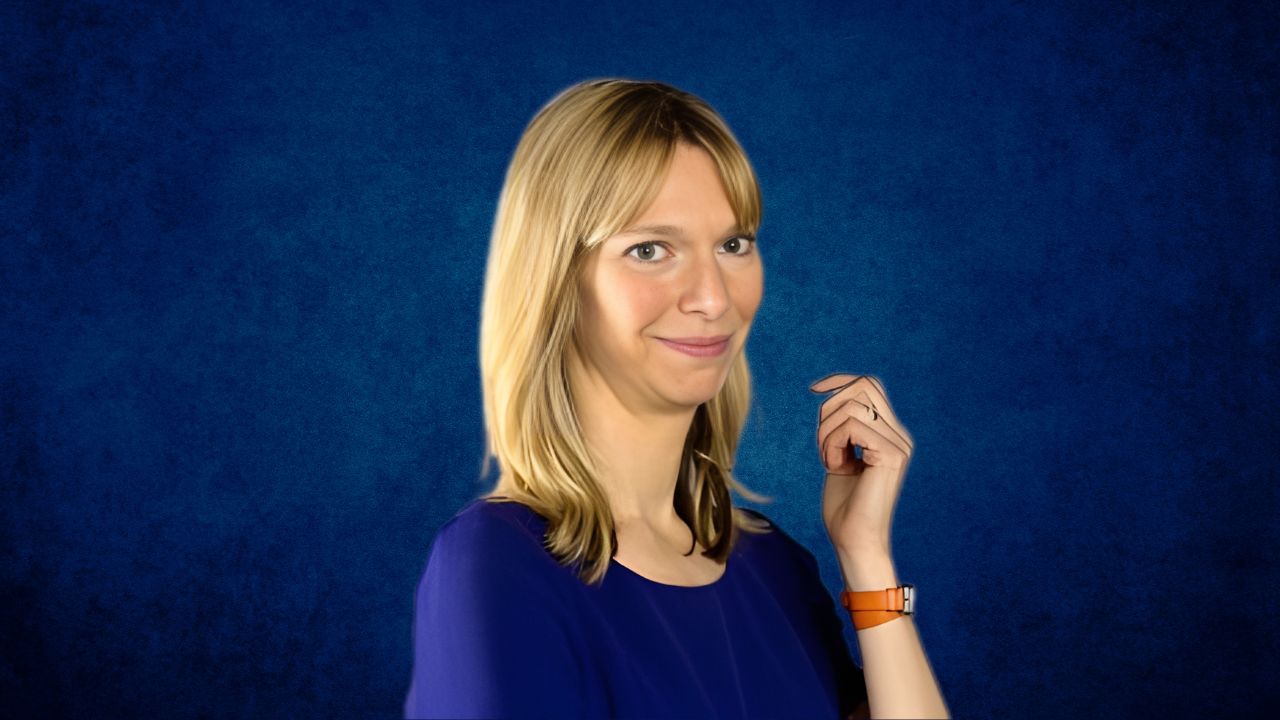
| Full Name | Hilary Camilla Cavendish, Baroness Cavendish of Little Venice |
| Date of Birth | 20 August 1968 |
| Nationality | British |
| Occupation | Journalist, Policy Adviser, Columnist, Life Peer |
| Current Position | Contributing Editor & Columnist at the Financial Times; Senior Fellow at Harvard University |
| House of Lords | Life Peer (appointed 6 September 2016) |
| Political Status | Non-affiliated Member of the House of Lords (since December 2016) |
| Education | Brasenose College, Oxford (PPE, First-class Honours); Harvard Kennedy School (MPA, Kennedy Scholar) |
| Early Career | Management Consultant at McKinsey & Company |
| Journalism Career | Associate Editor & Columnist at The Times; Chief Leader Writer (2010–2012); Columnist at The Sunday Times |
| Major Policy Roles | Director of Policy for Prime Minister David Cameron (2015) |
| Key Contributions | Cavendish Review (2013); Development of the UK “Sugar Tax”; Family Court transparency reforms |
| Awards | Paul Foot Award (2008); Campaigning Journalist of the Year, British Press Awards |
| Areas of Expertise | Public Policy, Social Care Reform, Health Systems, Demography, Journalism |
| Notable Traits | Analytical, reform-driven, influential in UK health and social policy |
| Current Work | Columnist at FT; Senior Fellow at Harvard; Speaker on ageing, healthcare, and policy reform |
Early life and Education
Hilary Camilla Cavendish was born on 20 August 1968 in England. From an early age, she showed a strong interest in public issues, debate and writing — interests that later shaped both her journalism career and her work in government. While details about her childhood and family background are not widely public, her academic path reflects a clear commitment to understanding society, politics and decision-making at the highest level.
Cavendish studied at Brasenose College, University of Oxford, where she pursued the renowned Philosophy, Politics and Economics (PPE) program. Known for producing many leading thinkers and political figures, PPE provided her with a broad foundation in political theory, economics and ethics. She graduated with first-class honours, highlighting her strong academic capability and analytical skills.
After Oxford, Cavendish was awarded a prestigious Kennedy Scholarship, allowing her to continue her studies at the Harvard Kennedy School in the United States. There, she completed a Master of Public Administration (MPA), specialising in public policy and global governance. Her time at Harvard helped broaden her perspective on international policy challenges and strengthened her understanding of how government systems can be reformed to better serve the public.
This combination of elite education, academic excellence and global exposure laid the groundwork for her future roles in journalism, public health reform and national policymaking. It also shaped the practical, evidence-based approach she later became known for in both her writing and her work with the UK government.
Career
Hilary Camilla Cavendish began her professional journey in the private sector, working as a management consultant at McKinsey & Company. This early experience gave her a strong understanding of organisational strategy, business operations and public-sector challenges — knowledge that later shaped her work in journalism and policymaking.
Her move into journalism marked a turning point. Cavendish joined The Times in 2002, where she worked for a decade as an associate editor, columnist and eventually chief leader writer. She became known for her sharp analysis, clear writing and focus on social fairness. Her investigative reporting into failures within the UK family court system led to widespread public attention and contributed to important legal reforms. For this work, she received major awards, including the Paul Foot Award and Campaigning Journalist of the Year at the British Press Awards, cementing her reputation as one of the UK’s most impactful journalists.
Alongside her journalism, Cavendish developed a growing interest in public policy. In 2013, the UK Government commissioned her to lead an independent review into training and development standards for healthcare assistants and support workers. The resulting Cavendish Review became a key document in improving care quality in the UK health and social-care system.
Her policy expertise led her to 10 Downing Street in May 2015, where she was appointed Director of the Policy Unit under Prime Minister David Cameron. In this role, she advised on a wide range of national issues, including public-health strategy, workforce reform and social-care policy. One of the most significant initiatives she contributed to was the development of the UK’s “sugar tax” on sugary drinks — a major step in tackling rising obesity rates.
For her public service, Cavendish was appointed a life peer on 6 September 2016, becoming Baroness Cavendish of Little Venice. Although she initially sat with the Conservative Party, she soon chose to serve as a non-affiliated peer, preferring an independent approach focused on evidence-based policymaking rather than party politics.
Alongside her role in the House of Lords, Cavendish continues to influence public debate as a columnist and contributing editor at the Financial Times. She is also a Senior Fellow at Harvard Kennedy School, where she researches ageing populations, global health systems and the future of social care. In addition, she has taken on advisory and non-executive roles related to health and policy, including work with the UK Department of Health and Social Care.
Her career — spanning consulting, award-winning journalism, rigorous policy work and academic research — reflects her commitment to improving public services and shaping long-term solutions to major social challenges.
Government Work & Policy Impact
Hilary Camilla Cavendish’s entry into government came through her growing reputation as a policy thinker and advocate for public-sector reform. In 2013, the UK Government asked her to lead an independent review into the training and regulation of healthcare assistants and support workers. The resulting Cavendish Review became a widely referenced document, setting out clear recommendations to improve care quality, strengthen oversight and raise professional standards across the NHS and the wider social-care system. Many of her proposals were later adopted, marking a significant step toward safer and more accountable care.
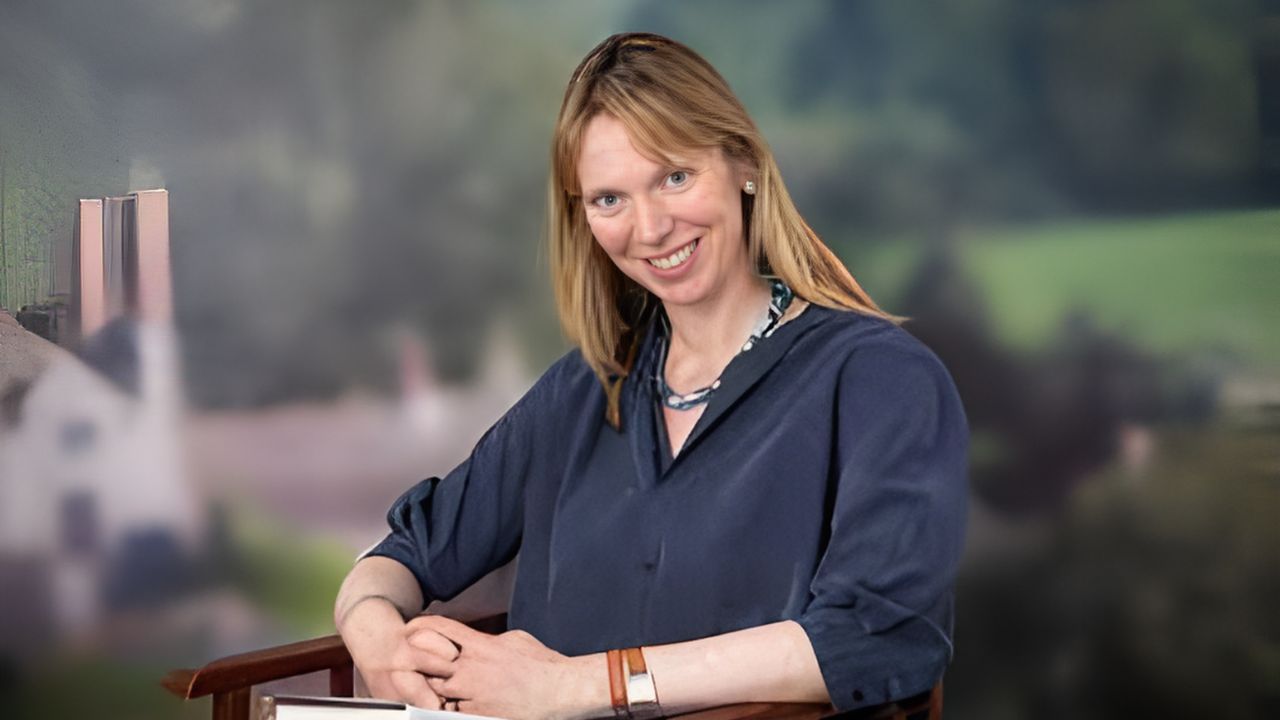
Her influence expanded further in May 2015, when she was appointed Director of the Policy Unit at 10 Downing Street under Prime Minister David Cameron. This role placed her at the centre of national decision-making, where she worked closely with government departments, advisors and experts to shape key domestic policies. Cavendish focused heavily on public health, social care reform and long-term demographic challenges affecting the UK’s ageing population.
One of her most notable contributions was her involvement in the development of the UK’s Soft Drinks Industry Levy, widely known as the “sugar tax.” The policy aimed to reduce sugar consumption among children and young people, and it has since been recognised as one of the most effective public-health initiatives of the decade. Cavendish also worked on workforce development, early-years support and cross-government strategies aimed at improving social mobility.
In recognition of her growing impact on national policy, she was granted a life peerage on 6 September 2016, becoming Baroness Cavendish of Little Venice. Shortly after joining the House of Lords, she chose to resign the Conservative whip and sit as a non-affiliated peer, reinforcing her commitment to independent, evidence-based decision-making rather than party alignment.
Today, Cavendish continues to shape public policy through research, writing and advisory roles. Her work at Harvard Kennedy School, combined with her contributions to health and social-care debates in the UK, reflect her long-standing belief in practical reform, better governance and policies built on evidence rather than ideology.
Legacy & Influence
Baroness Hilary Camilla Cavendish’s career has left a lasting mark on journalism, public policy, and social care in the United Kingdom. Through her investigative reporting, she brought attention to systemic issues in the family court system, helping to create reforms that increased transparency and accountability. Her work demonstrates how journalism can directly influence policy and drive meaningful change.
Her contributions to health and social care policy, particularly through the Cavendish Review and her role in shaping initiatives like the UK sugar tax, reflect her commitment to evidence-based solutions and improving the quality of life for ordinary citizens. By addressing workforce standards, public health, and social-care challenges, she has helped modernize and professionalize critical services that affect millions.
As a life peer in the House of Lords, Baroness Cavendish continues to influence debates on public services, ageing populations, and healthcare reform. Her decision to sit as a non-affiliated peer reinforces her focus on independent, research-driven policymaking rather than party politics, setting a standard for integrity and objectivity in public life.
Her academic work at Harvard Kennedy School and ongoing contributions to the Financial Times extend her influence beyond the UK, shaping international conversations on governance, public health, and social reform. She is widely regarded as a thought leader whose insight combines practical experience with intellectual rigor.
Overall, Baroness Cavendish’s legacy is one of impactful journalism, meaningful policy reform, and principled public service, making her a role model for professionals in media, policy, and government leadership alike.
Personal Life
Baroness Hilary Camilla Cavendish keeps much of her personal life private, and only limited details are publicly known. She is married to Peter John Cavendish, and the couple has a family life that they keep out of the public spotlight. Despite her high-profile career in journalism, academia and government, Cavendish prefers to maintain a clear separation between her public work and private world.
Cavendish is known for her disciplined work ethic and strong interest in social issues, health policy and the future of public services. Her professional experiences—spanning consulting, journalism, and national policymaking—reflect the values she carries into her personal life: fairness, transparency and a commitment to improving systems that affect everyday people.
Outside of her official responsibilities, she has a long-standing interest in global demographics, ageing populations and the challenges facing modern societies. These interests, along with her academic ties to Harvard, continue to shape both her research and personal worldview.
Although not much else is shared publicly, Baroness Cavendish is widely respected for maintaining integrity, independence and professionalism throughout her career—qualities that also define her personal character.
Honours & Awards
Baroness Hilary Camilla Cavendish has been recognised both for her contributions to journalism and her impact on public policy. Some of her key honours and achievements include:
Life Peerage: On 6 September 2016, she was appointed Baroness Cavendish of Little Venice in the House of Lords, acknowledging her service to public life and policy development.
Paul Foot Award (2008): Awarded for her investigative journalism, particularly her reporting on miscarriages of justice in the UK family court system.
Campaigning Journalist of the Year: Recognised at the British Press Awards for her impactful social-justice journalism that led to meaningful reforms.
Harvard Kennedy School Senior Fellowship: Serving as a Senior Fellow, she continues to contribute to research and policy discussions on ageing, healthcare and public administration.
Non-Executive Roles in Government: Appointed to advisory and non-executive roles, including work with the UK Department of Health and Social Care, highlighting her ongoing influence in policy and governance.
Through these honours, Baroness Cavendish has earned recognition as a leading thinker and influencer at the intersection of journalism, social care, and public policy, combining expertise with a commitment to transparency and reform.
Gallery