Table of Contents
Doughtry Long (American Educator & Poet)
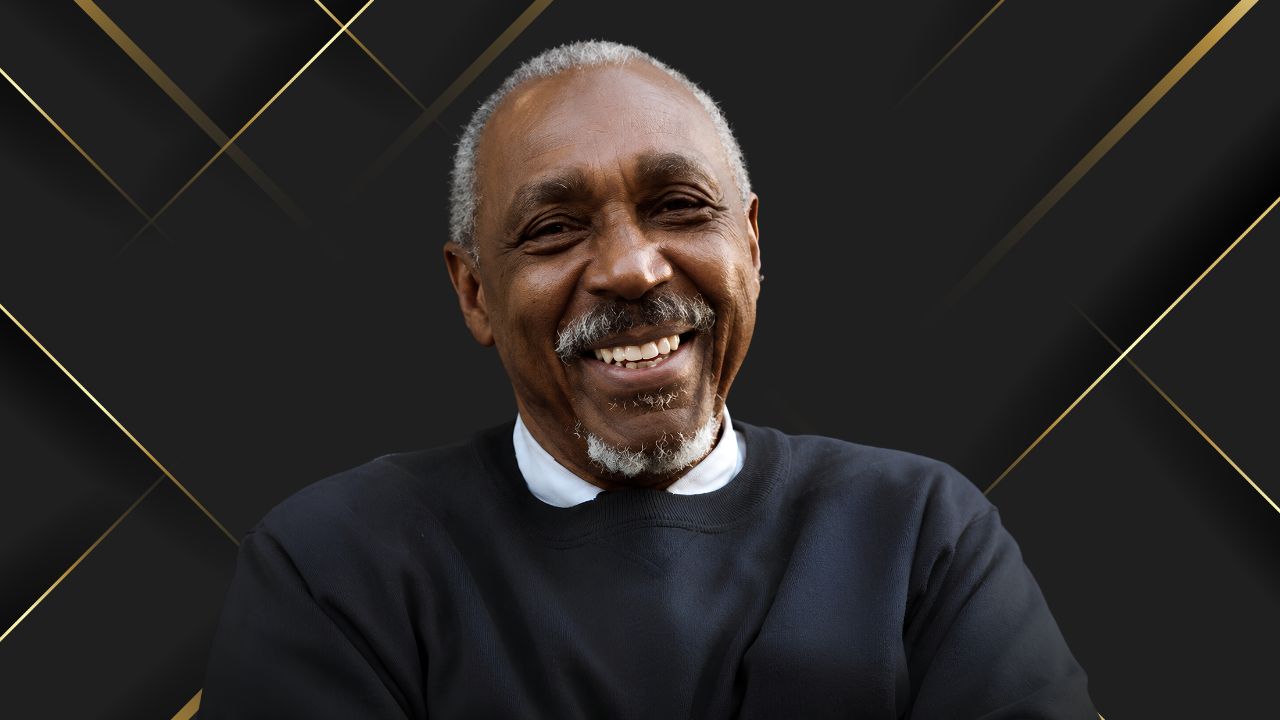
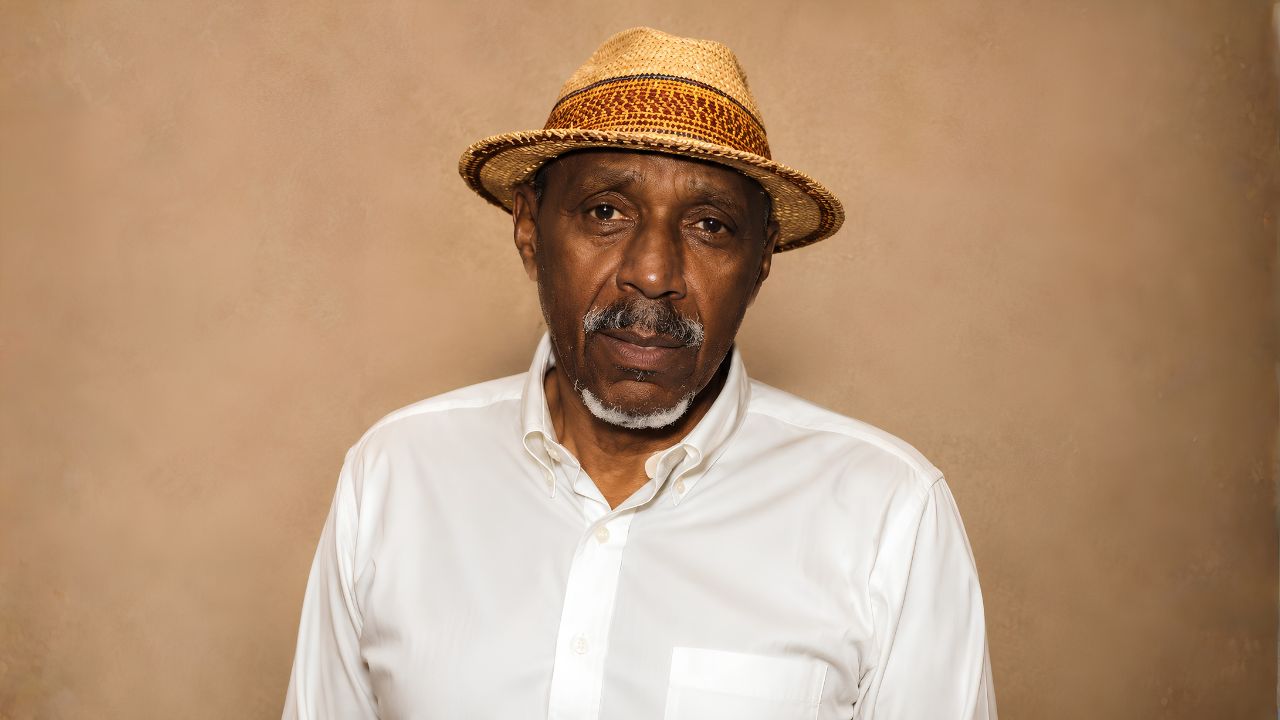
Doughtry Long was an American educator, poet, and community leader whose quiet dedication to teaching and writing left a permanent mark on the city of Trenton, New Jersey. Born on March 14, 1942, in Atlanta, Georgia, he spent the greater part of his life shaping young minds through literature and the power of the written word. He is perhaps most widely recognized as the father of acclaimed actress Nia Long, but that single connection tells only a fraction of his story.
Long built a career that stretched well beyond the classroom. He taught literature and creative writing at Trenton Central High School for more than thirty years — returning, in a meaningful full-circle moment, to teach at the very school he once attended as a student. His commitment to education did not stop at the school gate. He organized an African American Studies Program at Trenton State Prison and served as a community development specialist for the Peace Corps in West Africa. He was later named Trenton Poet Laureate, a formal recognition of his standing as one of the city’s most important literary voices.
As an author, he published multiple works, including Black Love, Black Hope, Rules for Cool, and Song for Nia — a poem he wrote in honor of his daughter. His writing explored Black identity, love, and resilience with honesty and grace.

| Full Name | Doughtry Long Jr. |
| Nickname | Doc |
| Date of Birth | March 14, 1942 |
| Place of Birth | Atlanta, Georgia, United States |
| Date of Death | January 27, 2020 (age 77) |
| Nationality | American |
| Ethnicity | African American |
| Profession | Educator, Poet, Author, Community Leader |
| Employer | Trenton Central High School, Trenton, New Jersey |
| Education | West Virginia State College; Master’s Degree in Urban Studies, The College of New Jersey |
| Career Start | Associate Dean of Students, University of Pennsylvania |
| Teaching Career | Literature and Creative Writing Teacher, Trenton Central High School — 30+ years |
| Notable Achievements | Trenton Poet Laureate; Organized African American Studies Program at Trenton State Prison; Peace Corps Community Development Specialist, West Africa |
| Notable Works | Black Love, Black Hope; Song for Nia; Rules for Cool; Timbuktu Blues; Ginger Bread Mama |
| Spouse | Talita Long (née Gillman) |
| Children | Nia Long (actress), Sommore / Lori Ann Rambough (comedian & actress), Djamila |
| Parents | Doughtry Long Sr. (father), Jessie Wooden (mother) |
| Siblings | One twin sibling (name not publicly available) |
| Estimated Net Worth | Not publicly available |
| Salary | Not publicly available (public school educator, New Jersey, 30+ years) |
Who is Doughtry Long?
Doughtry Long was an American poet, educator, and author born on March 14, 1942, in Atlanta, Georgia. He taught literature and creative writing at Trenton Central High School for over 30 years and served as Trenton Poet Laureate. He is also known as the father of actress Nia Long.
Early Life and Education
Doughtry Long was born on March 14, 1942, in Atlanta, Georgia — the same city that would later become symbolic of the civil rights movement he grew up watching unfold. What made his birth particularly notable was that he entered the world as a twin, a detail confirmed in his official obituary published by Hughes Funeral Home in Trenton. His parents, Doughtry Long Sr. and Jessie Wooden, raised him in a household where family and community held deep meaning.
Childhood and Family Background
The Long family relocated to Trenton, New Jersey, where Doughtry spent his formative years. Trenton during that era was a city shaped by industrial change, Black urban migration, and the rising tide of the civil rights movement. Growing up in that environment left a lasting impression on him. He developed an early awareness of race, identity, and the struggles facing Black Americans — themes that would later run through everything he wrote and taught.
From a young age, he showed a natural pull toward language. Reading, storytelling, and self-expression were not hobbies for him. They were instincts. Those early interests quietly set the direction for the rest of his life.
Educational Journey
Doughtry Long attended Trenton Central High School — the same institution where he would eventually spend more than three decades as a teacher. That connection between student and educator, in the same building, in the same community, says much about who he was.
He went on to enroll at West Virginia State College, a historically Black institution that provided both academic foundation and cultural grounding. He later earned a Master’s Degree in Urban Studies from The College of New Jersey, deepening his understanding of communities, social systems, and the role education plays in civic life.
Those who knew him described him, as noted in his obituary, as a lifelong scholar. He never treated learning as something that ended with a diploma. That philosophy shaped every classroom he ever walked into.
Career
Doughtry Long’s professional life was not a straight line. It was a series of deliberate choices, each one guided by principle, purpose, and a deep belief that education could change lives. He worked as a teacher, an administrator, a Peace Corps specialist, and a published poet — and he brought the same conviction to every role.
Early Career Steps
Long began his professional journey in higher education. He served as Associate Dean of Students at the University of Pennsylvania, a position that placed him at one of the most prestigious academic institutions in the United States. It was a significant role. But it did not last — not because he failed, but because he refused to compromise.
In 1970, he resigned from the position in protest. The decision came in direct response to university policies that he believed were harmful to Black students. It was a public, principled stand at a time when such stands carried real professional risk. He walked away from a prestigious title because his values demanded it.
That resignation was not the end of anything. It was the beginning. It defined who he was as a professional and pointed him clearly toward the community-centered work that would become his life’s purpose. He left higher administration and turned his full attention to teaching — closer to home, closer to the people he most wanted to serve.
Teaching Career at Trenton Central High School
Doughtry Long spent more than thirty years teaching literature and creative writing at Trenton Central High School. The detail that stands out most is this: it was the same school he had attended as a student. He came back not out of convenience, but out of commitment.
His classroom was not a conventional one. He did not simply cover syllabi and move on. According to accounts from former students and community members, he pushed young people to find their own voice through poetry, personal narrative, and honest self-expression. He believed that writing was not just an academic skill — it was a tool for understanding oneself and the world.
His reach extended well beyond the classroom walls. He organized the African American Studies Program at Trenton State Prison, bringing structured education to a population that most institutions ignored. It was a direct extension of his belief that learning belonged to everyone, not only those who could afford or access traditional schooling. Former students consistently remembered him not just as a teacher, but as a mentor who saw potential where others did not look.
Peace Corps and International Work
Long’s commitment to service was not confined to Trenton. He served as a community development specialist for the Peace Corps in West Africa, taking his work to an international stage. In that role, he was particularly focused on recruiting volunteers from Historically Black Colleges and Universities, ensuring that HBCU graduates had a pathway into global civic service.
The experience broadened his perspective in ways that inevitably found their way back into his teaching. He returned to Trenton carrying a wider understanding of community, development, and the role that education plays in human dignity across cultures. His international work reinforced what he already believed at home — that people, given the right tools and the right support, are capable of building something meaningful.
Literary Career and Major Achievements
Parallel to his teaching career, Doughtry Long built a serious body of literary work. He was eventually named Trenton Poet Laureate — a formal recognition by his community that he was among its most important and distinguished voices.
His published works include:
Black Love, Black Hope — one of his most recognized poetry collections, exploring themes of Black identity, resilience, and love
Song for Nia: A Poetic Essay in Three Parts — a deeply personal work written for his daughter, Nia Long
Rules for Cool — a collection that connected with both young readers and adults
Timbuktu Blues — further evidence of his range as a poet
Ginger Bread Mama — a celebrated earlier work
He also wrote a children’s book dedicated to his grandchildren, showing a softer and more intimate side of his literary voice. Beyond his own writing, he helped found the Phoenix Literary Magazine and actively supported African American Studies programs within Trenton schools — work that extended his influence far beyond his own publications. His writing consistently explored what it meant to be Black in America. It was honest, direct, and rooted in lived experience. That authenticity is what made it last.
Net Worth and Financial Background
Doughtry Long was an educator, poet, and public servant. He was not a businessman, a celebrity, or a public financial figure. As a result, detailed financial information about him is limited — and that limitation itself says something honest about the kind of life he chose to live.
These figures are estimates based on publicly available information about New Jersey teacher compensation. No verified personal salary data for Doughtry Long has been made public.

Salary Details
Long worked as a public school educator in New Jersey for more than thirty years. Exact salary figures for Doughtry Long are not publicly available, and no verified records have been disclosed by his family or any official source.
For context, experienced high school teachers in New Jersey — particularly those with a Master’s degree and decades of service — have historically earned among the higher public school salaries in the United States, owing to New Jersey’s relatively strong teacher compensation structure. Given his advanced degree in Urban Studies, his long tenure, and his senior standing at Trenton Central High School, it is reasonable to place him within the upper range of that structure.
Beyond his teaching salary, Long maintained additional professional activities that may have contributed to his income. He was a published author with multiple poetry collections in print. He served with the Peace Corps in West Africa as a community development specialist. He also supported and led various community education programs throughout his career. Whether these activities generated meaningful financial return is not documented.
Net Worth Estimate
Doughtry Long’s personal net worth is not publicly documented. No estate valuations, financial disclosures, or credible estimates have been published by any verified source. This is not unusual. Long spent his career in public education and community service — fields defined by contribution, not accumulation. He was recognized in Trenton not for financial standing but for the lasting impact he made on students, writers, and community members across decades of work.
It is worth noting, for readers who arrive at this page through searches related to his family, that his daughter — actress Nia Long — has an estimated net worth of approximately $9 million, according to multiple entertainment industry sources. That figure belongs to her alone and reflects her career in film and television. It does not reflect, imply, or connect to any financial standing her father may have held.
Doughtry Long’s true measure was never financial. It was counted in classrooms, in published poems, in prison education programs, and in the students who stood at his memorial at Trenton Central High School and read poetry in his honor.
Personal Life and Family
Behind the educator and the poet was a man with a family, a complicated personal history, and a personality that those who knew him found genuinely difficult to forget. Doughtry Long’s personal life was marked by love, distance, reconciliation, and deep creative spirit — much of which eventually found its way into his writing.
Marriage and Partner
Doughtry Long was married to Talita Long, née Gillman, a woman of Trinidadian descent who worked as both a teacher and a printmaker. The pairing of two educators, one literary and one visual, reflected a household where creativity and learning were simply part of daily life.
The marriage did not last. The couple separated, and following the split, Talita relocated with their daughter Nia — first to Iowa City, then eventually to South Los Angeles. The geographical distance that followed placed Long and his children in separate cities for much of their early lives, a fact that shaped the father-daughter dynamic in ways Nia Long herself has spoken about publicly. No further details about the circumstances of the separation have been made public by the family, and none are speculated upon here.
Children and Fatherhood
Doughtry Long was the father of three daughters, each of whom has lived a life shaped — in different ways and to different degrees — by the man he was. His eldest daughter, Lori Ann Rambough, is known professionally as Sommore, a comedian and actress who built a significant career in American entertainment.
His second daughter, Nitara Carlynn Long — known to the world as Nia Long — was born on October 30, 1970, and went on to become one of the most recognized actresses of her generation, with films including Boyz n the Hood, Love Jones, and Soul Food among her credits. His third daughter, Djamila, has remained largely outside the public eye, and limited information about her is available in verified sources.
Long’s relationship with Nia was not without difficulty. She has spoken in interviews about feeling the absence of her father during childhood — the ordinary moments that went unmissed, the bedtime stories that were not read. That distance was real, and she did not minimize it.
But the story did not end there. In the period following his death, Nia spoke openly about forgiveness and about coming to understand her father more fully as a man, not just as a parent. She spent time in Trenton after he passed, learning about the life he had built there — the students he had mentored, the programs he had created, the reputation he had earned. What she found clearly moved her.
She called him “a great man” and “a legend in his community.” She described him publicly as “a master of words, an educator, a mentor and a hero.” He had, before his death, written Song for Nia — a poetic essay in three parts dedicated entirely to her. Whatever distance had existed between them, that poem stood as evidence that she was never far from his thoughts.
When Trenton Central High School held a poetry tribute in his memory, with former students gathering to read and remember, Nia was present. She later said she could not stop crying. It was, by her own account, one of the most powerful experiences of her grief.
Hobbies and Personal Interests
Those who knew Doughtry Long personally described a man whose curiosity extended well beyond books and classrooms. He was passionate about jazz music — a love that informed both his sensibility and his style. He traveled widely, finding interest and inspiration in different cultures and places. He was an avid fisherman and a devoted photographer, comfortable behind a lens as well as behind a pen.
In Trenton, he was known simply as “Doc” — a nickname that carried genuine weight. It was not a title he claimed for himself. It was what the community gave him, a mark of the respect he had earned over decades of showing up.
His daughter Nia perhaps captured him most vividly when she described him as “Larenz Tate in Love Jones but older” — a reference to the romantic, jazz-soaked, literary character from the 1997 film. It was a description that painted him not as a distant figure, but as someone warm, creative, and deeply alive to the world around him.
FAQ: Everything You Need to Know About Doughtry Long
Key questions answered about the Trenton Poet Laureate, educator, and father of actress Nia Long
Born on March 14, 1942, in Atlanta, Georgia, and raised in Trenton, New Jersey, he dedicated his life to education and community service. He organized the African American Studies Program at Trenton State Prison, served with the Peace Corps in West Africa, and published multiple poetry collections. He is also known as the father of acclaimed actress Nia Long. He passed away on January 27, 2020, at the age of 77.
His death came unexpectedly before the COVID-19 pandemic. Following his passing, his daughter Nia Long issued a public statement describing him as "a master of words, an educator, a mentor and a hero in his community." Trenton Central High School later held a poetry tribute in his memory, attended by former students and community members.
His most recognized work is Black Love, Black Hope, which explored themes of Black identity, resilience, and love in America. Song for Nia was a deeply personal poetic essay written for his daughter, actress Nia Long. He also wrote a children's book dedicated to his grandchildren and helped found the Phoenix Literary Magazine in Trenton.
Nia Long has spoken publicly about her father on multiple occasions, including after his death in January 2020, when she described him as "a great man" and "a legend in his community." Their relationship had difficulties during her childhood following her parents' separation, but in later years Nia spoke openly about forgiveness and her pride in who her father was as an educator and poet.
He was known for encouraging students to develop their personal voice through poetry, storytelling, and honest self-expression. His approach went well beyond standard curriculum. He also extended his teaching to Trenton State Prison, where he organized the African American Studies Program — bringing structured education to an underserved population. Former students consistently remembered him as a mentor, not just a teacher.
Nia Long is the most publicly recognized of his children, known for her roles in films such as Boyz n the Hood, Love Jones, and Soul Food. Sommore is a well-known stand-up comedian and actress. His third daughter, Djamila, has remained largely outside the public eye, and limited verified information about her is available.
His academic background in urban studies directly shaped his teaching philosophy and his understanding of community, social systems, and the role education plays in civic life. Those who knew him described him as a lifelong scholar — someone who never stopped learning, even decades into his teaching career.
He spent his career as a public school educator and community servant — fields defined by contribution rather than financial accumulation. His legacy was measured in classrooms, poetry collections, prison education programs, and the lives he shaped over more than three decades of teaching in Trenton, New Jersey.
Gallery