Table of Contents
Oki Electric Industry (OKI)
Oki Electric Industry Co., Ltd. (沖電気工業株式会社, _Oki Denki Kōgyō Kabushiki-gaisha_), commonly referred to as OKI, OKI Electric or OKI Group, is a Japanese information and communications technology company. Headquartered in Toranomon Minato-ku, Tokyo, it operates in over 120 countries worldwide. OKI was founded in 1881 and was the first Japanese company to produce a domestically produced telephone. Initially focused on telecommunications equipment, the company has since expanded its expertise to include information products and mechatronics products, such as automated teller machines (ATMs) and printers.
OKI spun off its semiconductor business in 2008 and sold it to Rohm Company Limited. The company has since expanded its expertise to include information technology and printing solutions. OKI Data, a subsidiary of the company, provides printing products, fax machines, and multi-functional devices under the OKI brand. The company is mainly engaged in the production of professional printing products, applications, and services. OKI Data has introduced a wide range of printers, including:
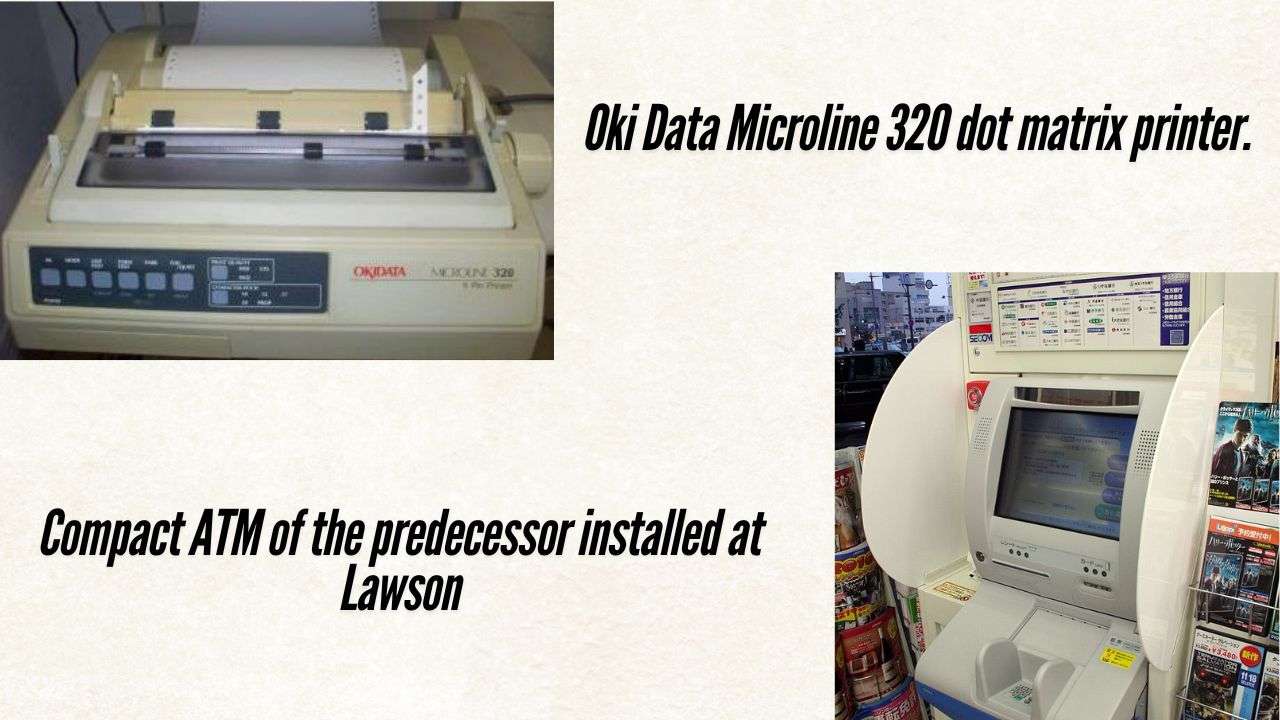
OKI Printers: Known for innovative and quality printing solutions. Okidata Printers: Designed to meet various business needs. OKI Microline Series: Especially dot matrix printers such as the Microline 320 Turbo and Microline 320T, which are reliable and durable. OKI Pro 1050: The best digital production printer for the graphic arts and production market. Through OKI Data America, the company introduced the OKI ProColor Series, which are designed for the graphic arts and production market in North America.
OKI provides its customers not only with devices but also with business applications and consulting services. The company’s printing solutions are considered ideal for color and critical business applications. Oki Electric Industry has a prominent position in the information and communication technology sector due to its advanced technology and quality products. The company focuses not only on improving the quality of its products but also on providing the most advanced solutions according to the needs of its customers.
1-7-12 Toranomon, Minato-ku, Tokyo 105-8460, Japan
| Oki Electric Industry | |
| Urdu Name | اوکی الیکٹرک انڈسٹری |
| Company type | Public KK |
| Traded as | TYO: 6703 |
| Industry | Telecommunications, Electronics, Information technology |
| Founded | January 1881; 143 years ago |
| Founder | Kibataro Oki |
| Headquarters | 1-7-12 Toranomon, Minato-ku, Tokyo 105-8460, Japan |
| Key people | Shinya Kamagami (President and CEO) |
| CEO | Shinya Kamagami (Apr 2016–) |
| Number of employees | 21,090 (consolidated, as of March 31, 2014) |
| Subsidiaries | Oki Data Corporation, Oki Electric Cable Co., Ltd. |
| Website | oki.com/en |
OKI Electric Industry is a leading Japanese company specializing in information and communication technology. The company is known worldwide for providing innovative printers and other business solutions. Through its advanced technology, diverse products, and global network, OKI has created a unique identity for itself worldwide.
History and Evolution
OKI was founded in 1881 and was the first company in Japan to produce a domestically produced telephone. The company was founded by Kabataro Oki (1848–1906), an engineer and former employee of the Kobusho (Ministry of Industry) factory. In 1877, just a year after Alexander Graham Bell’s invention, Kobusho attempted to reverse engineer telephone receivers, and Oki was part of the team that produced the first prototype. In January 1881, convinced that the nation was entering the age of communications, Kabataro Oki founded Mekasha, later renamed OKI. The company produced the first telephone in Japan in 1881, five years after Bell’s invention of the telephone, and exhibited an award-winning silver lacquer-coated wire at the 1885 International Exhibition of Inventions in London.
Initially focused on manufacturing telecommunications equipment, the company over time expanded its expertise to include information products and mechatronics products, such as automated teller machines (ATMs) and printers. Oki Electric Industry spun off its semiconductor business in 2008 and sold it to Rohm Company Limited. The company then further specialized in information technology and printing solutions.
Before and After the Wars
During World War I, wartime demand brought OKI great profits as the demand for telephone service increased. There was a strong demand for PBX (Private Branch Exchange), the largest system of which was installed by OKI in Japan. In addition to business from Japan, overseas business also increased, supplying railroad-type printers, portable telephones, and power cords outside Japan. From around 1920, OKI made notable progress in the technical development of the common battery switchboard. Asano Soichiro’s son was appointed as the next chairman in 1931. In the late 1930s, Oki Electric Industry plants were used to meet military demand for goods, which had major effects on OKI’s business, such as the construction of new production plants, and an increase in its capital as well as the number of people associated with it. After WWII, OKI increased its production capacity to restore magnetotype telephones and exchanges that had been damaged during the war.
OKI faced great difficulties as it moved to rebuild itself. On November 1, 1949, OKI Electric Industry Co., Ltd. was established to succeed the previous company, OKI Electric Co., Ltd. Two years later, in November 1951, OKI’s shares were listed on the Tokyo Stock Exchange. It was also at this time that OKI began mass-producing the “Type-4 telephone”, which was called “a symbol of Japan’s post-war reconstruction”. In 1956, it was the first to produce a 100-line Ericsson-type crossbar switching system for commercial use.
OKI Electronics (1960-1980)
Oki Electric Industry gradually transformed itself into an electronics company from the second half of the 1960s through the 1970s.
1960
To respond to the high level of economic growth that Japan was experiencing, OKI needed to accelerate its business operations and clarify responsibilities.

OKI began manufacturing and supplying business machines such as teletypewriters, and perforation typewriters. In June 1961, OKI launched the OKITYPER-2000, an electric teletypewriter that could simultaneously produce perforation tape and book entry forms. The company also manufactured and sold various general-purpose computers such as the OKITAC-5090, the first domestically produced computer to use basic memory. In 1964, OKI developed the OKISAVER, a terminal for online deposits that was supplied to financial institutions.
1970s
In addition to minicomputers such as the OKITAC series produced in the mid-1960s, OKI began supplying various I/O devices, electroprinters, and dot printers primarily to the financial industry in the 1970s. Oki Electric Industry business at that time included cash dispensers (CDs), automatic depositors (ADs), and automated teller machines (ATMs). During this period, OKI expanded its overseas business by supplying telecommunications systems to countries in the Middle East, Central and South America, as well as other Asian countries. In 1972, OKI established OKI Data Corporation (ODC: today’s OKI Data Americas), a Japan-US joint venture based in Philadelphia, to manufacture the DP100, dot printers.
In 1975, Oki Electric Industry collaborated with Bell Labs to develop the world’s first automobile telephone system. This was the beginning of OKI’s wireless technology, and, as of 2009, OKI continues to expand this technology into vehicle-to-vehicle communications and ETC (Electronic Toll Collection) technologies.
OKI's Evolution in the 1980s
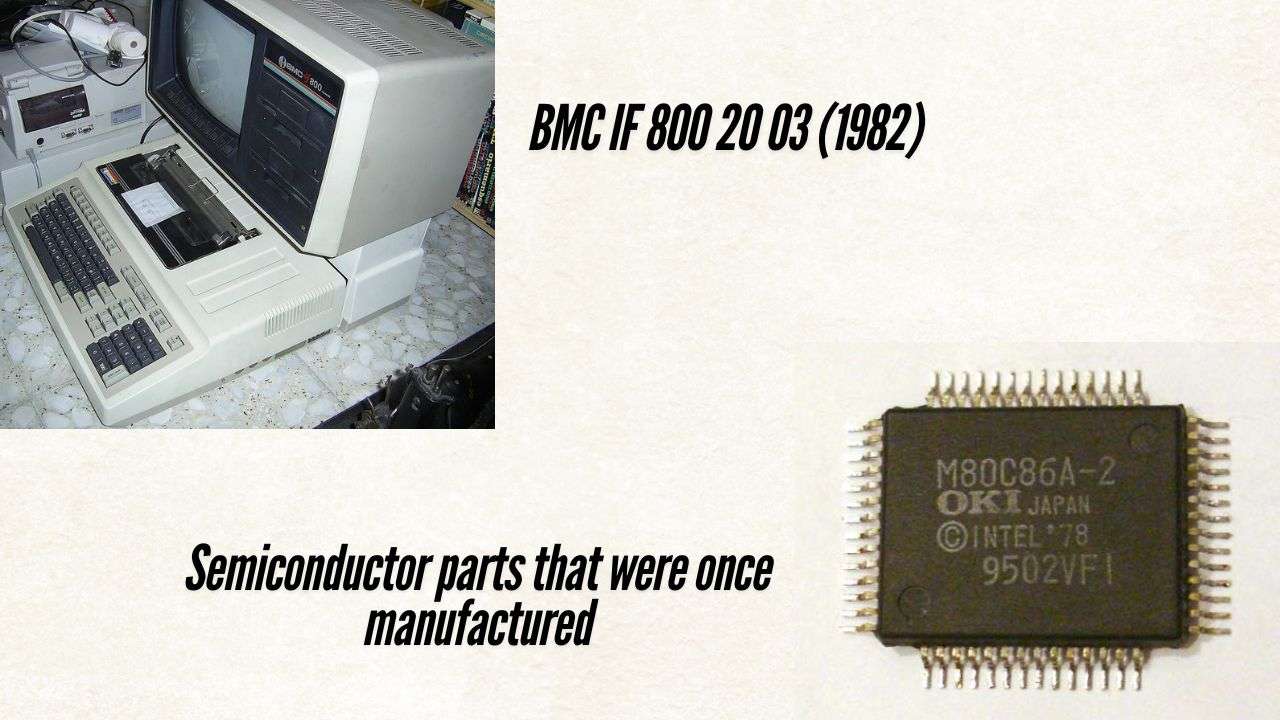
In the 1980s, OKI achieved significant milestones in its technology and product development. During this time, the company expanded its product range into various sectors and began to establish a foothold in the global market. In May 1980, Oki Electric Industry launched the IF-800 series, which emerged as a successful business-use computer (PC). The series not only provided simple and efficient computing to the business world but also incorporated a fax business unit to meet the growing demand of the private sector. These steps helped establish OKI as a modern company.
World's First Cash Recycling ATM (1982)
In 1982, OKI introduced the world’s first cash recycling ATM. This technology enabled banks to withdraw deposited notes instantly, improving efficiency and operations in financial institutions. Oki Electric Industry introduced the Microline 320 series for dot matrix printing, which was known for its excellent performance in commercial and industrial applications. It includes various models such as 320 FB, 321, 380, 390 FB and 393, 395, which meet the printing needs of businesses.
Other major Oki products
- Oki Pacemark printers: such as 2350, 2410 and 3410.
- Oki Laserline printers: such as Laserline 6.
- Oki ICS: such as MSM5232 8-channel tone generator and MSM6242 RTC.
- Oki Pacemark and Microline: the best choice for commercial and industrial applications.
Oki made several important steps in its products and technology in the 1980s, such as the development of the IF-800 series and the cash recycling ATM. In addition, Oki introduced innovative printers like the Microline 320, which are still the preferred printing solution for businesses around the world today.

OKI's Network Solutions (1990)
In the early 1990s, the Japanese economy was in a deep recession, which continued even after the bubble economy collapsed. This financial crisis dealt a severe blow to Oki’s business. In October 1994, Oki Electric Industry spun off its printer and fax machine business and established Oki Data Corporation, to focus on network solutions and advanced technologies.
In the late 1990s, with the proliferation of the Internet, Oki worked to establish itself as a network solutions provider. During this time, Oki Electric Industry introduced a variety of networking products and services that met the needs of businesses and consumers.
Marketing of the Ouki 900 Cell Phone (December 1990)
In December 1990, Ouki began marketing the 900 cell phone, which became popular in the phone phreaking culture. Its feature was its advanced debugging menu, which allowed users to eavesdrop on others’ cell phone calls as well as observe cell phone network operations.
In 2004, Ouki released its IP CONVERGENCE Server SS9100, the industry’s first Microsoft.Net-compliant server. This server allowed businesses to deliver a variety of services over the network. In 2006, Ouki released the Center Stage NX5000, a carrier-grade communications server. This server was compatible with modern network solutions and provided enterprises with improved networking and communications.
Business Changes in 2008
In 2008, as part of its business selection and concentration measures, Oki spun off its semiconductor business to Rohm Co., Ltd. This decision was made to further focus the company on network solutions and communications products.
In the 1990s, Oki made significant changes to the nature of its business. It shifted its focus to network solutions and introduced new products such as the IP CONVERGENCE server and the Center Stage NX5000. These moves helped Oki gain a leading position in the networking world and it is still considered one of the best network solution providers today.

Subsidiaries: Oki Data Americas, Inc.
Oki Data Americas, Inc., a subsidiary of Oki Data Corporation of Japan, manufactures a variety of PC peripherals under the OKI brand, including digital color and monochrome printers, serial impact dot matrix printers, multifunction products, and facsimile machines. Oki Electric Industry Data Americas was founded in 1972, when two Philadelphia businessmen and their Japanese customer Oki Electric formed a joint venture to manufacture information technology products. The joint venture aimed to develop innovative and affordable printing technologies, one of the most popular products being the Okimate 10 thermal transfer printer. This printer was one of the first affordable color printers for early home computers, introducing a new trend in the market.
Oki Electric Industry Data Americas, Inc. is headquartered in Irving, Texas, having previously relocated from its previous office in Mt. Laurel, NJ. In addition, Oki Data Americas has other offices in Mississauga, Canada; Mexico City, Mexico; and São Paulo, Brazil.
Current status of Oki Data
Oki Electric Industry Data Americas ceased sales of all Oki-branded hardware as of March 31, 2021. However, Oki Data-made printers are now sold in the United States through their distribution partners under the IntoPrint brand. Oki Electric Industry Data Americas has established itself over time as a major player in the printing solutions industry, and its products have gained wide acceptance, especially in home computers and businesses. The company has continuously invested in the development of its subsidiary and consolidated its presence globally, although it has decided to discontinue its hardware sales in recent years.
Sponsorships
Oki Electric Industry sponsored English Premier League football club Portsmouth F.C. from 2005 to 2009. From 2003 to 2008, Oki held the naming rights to Jubilee Oval in Kogarah, Sydney, Australia, the home ground of the National Rugby League team St. George Illawarra Dragons. Oki was also a major sponsor of 1.FC Kaiserslautern from 1990 to 1996. During the 1998–1999 season, OKI sponsored French Ligue 1 team HSC Montpellier.
Summary
Oki Electric Industry Data Americas, Inc. has grown steadily since its inception and has established itself as a major player in the global market as a subsidiary of Oki Electric. The company has developed innovative products such as digital color and monochrome printers, serial impact dot matrix printers, multifunction products and facsimile, which have proven useful to business and home users. The history of Oki Data Americas dates back to 1972, when it took a revolutionary step into the market with its Okimate 10 thermal transfer printer. Over time, the company has expanded its presence to countries such as the United States, Canada, Mexico and Brazil, where it has offices.
However, after March 31, 2021, Oki Data Americas stopped selling Oki-branded hardware, but the products it manufactures are still sold under the IntoPrint brand. This shows that Oki has focused on other aspects of its business and has changed its strategy to better meet the needs of the global market. Ultimately, Oki Data Americas has achieved a leading position through its innovation, technology, and products, and although the company has ceased hardware sales, the solutions it creates continue to be recognized worldwide.
Career Statistics
Products
| Products | Info-telecom systems |
| Social infrastructure systems | |
| ATMs | |
| Printers | |
| Multifunction devices | |
| Technology solutions |
Revenue & Income
| Revenue | Increase US$ 4.72 billion (2013) (¥ 483.11 billion) (2013) |
| Net income | Increase US$ 267.3 million (FY 2013) (¥ 27.35 billion) (FY 2013) |