Table of Contents
Sanjiv Khanna (51st CJ India)
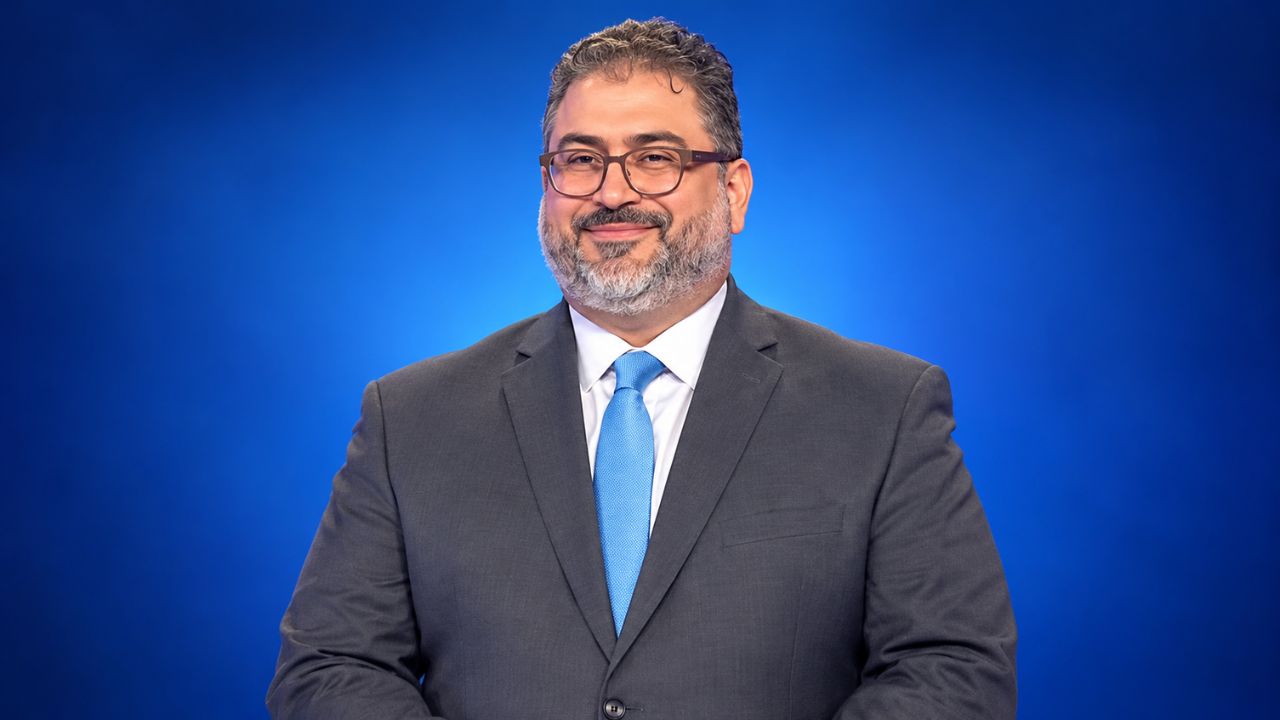
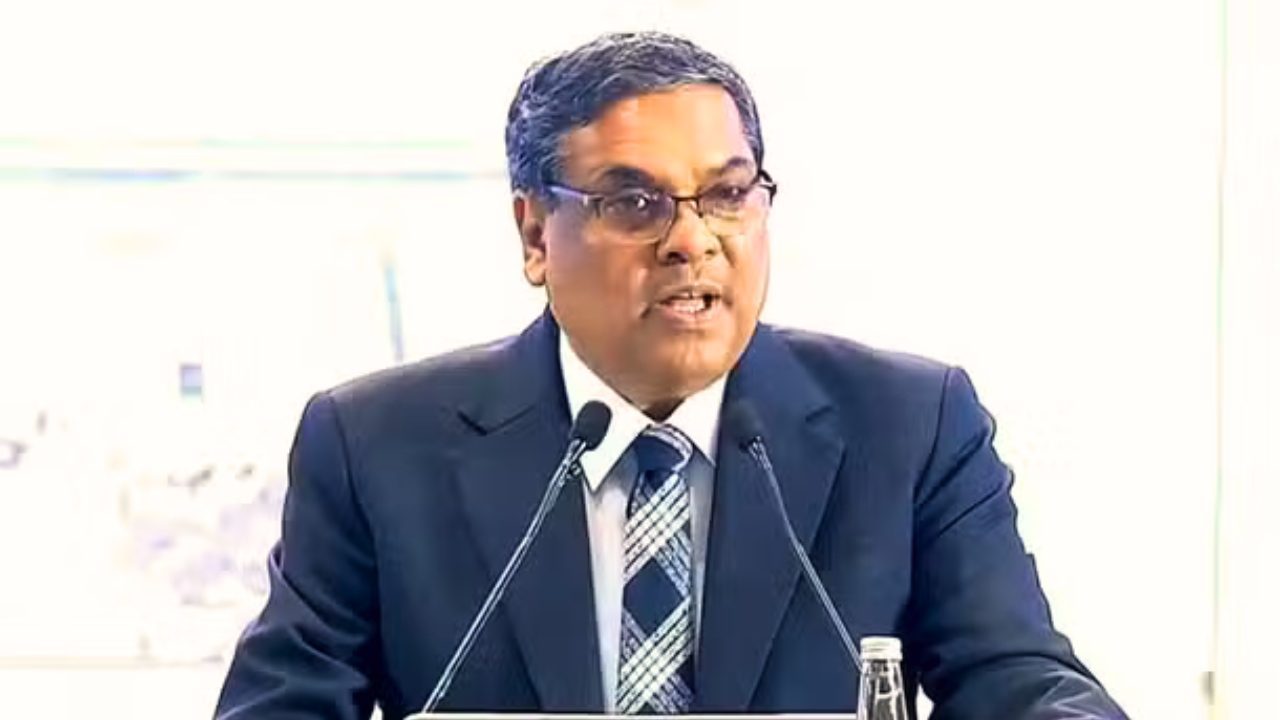
Sanjiv Khanna, born 14 May 1960, is a prominent Indian jurist and currently serving as the 51st Chief Justice of India. He has taken his legal education and experience to the top of India’s judicial system, and his journey reflects his hard work and commitment to justice.
In 1983, Sanjiv Khanna joined the Bar Council of Delhi as an advocate. He has served in the District Courts of Delhi and the Delhi High Court in various areas such as constitutional law, direct taxation, arbitration, commercial law, and environmental law. Sanjiv Khanna also worked in the Income Tax Department as a Senior Standing Counsel, and in 2004 was appointed as the Standing Counsel (Civil) for the National Capital Region of Delhi.
In 2005, Sanjiv Khanna became an Additional Judge of the Delhi High Court and in 2006 he got the status of a permanent judge. During his tenure at the High Court, he also served as Chairman and In-charge Judge of the Delhi Judicial Academy and Arbitration Centres.
On 18 January 2019, Sanjiv Khanna was elevated as a judge of the Supreme Court of India. In addition, he also served as the Executive Chairman of the National Legal Services Authority and the Chairman of the Supreme Court Legal Service Committee in 2023.
As the Chief Justice, Sanjiv Khanna has been playing a central role in the delivery of justice and legal reforms. He is also the Executive Chairman of the National Legal Services Authority and a member of the Governing Council of the National Judicial Academy, Bhopal.
New Delhi, India
| Sanjiv Khanna 51st CJ | |
| Born | 14 May 1960 (age 64) |
| Place of Birth | New Delhi, India |
| Relations | Hans Raj Khanna (uncle) |
| Children | 2 |
| Alma mater | University of Delhi |
| Current Position | 51st Chief Justice of India |
| Office | Chief Justice of India since 2024 |
Early Life and Education
Sanjiv Khanna completed his schooling from Modern School (New Delhi) in 1977. After graduating from St. Stephen’s College, Delhi in 1980, he studied law at the Campus Law Centre, Faculty of Law, Delhi University. His father, Justice Devraj Khanna, was a judge of the Delhi High Court and retired in 1985. His mother, Saroj Khanna, was a lecturer in Hindi at Lady Shriram College, Delhi, which kept his family closely involved in the field of education and law.
Family Legal Background
Sanjiv Khanna’s uncle, Justice Hans Raj Khanna, was a prominent judge of the Supreme Court of India, known for his bold legal opinions and protection of fundamental rights. In 1973, Justice Hans Raj Khanna introduced the doctrine of infrastructure, and in 1976 gave a dissenting judgment in the case of ADM Jabalpur v. Shivkant Shukla, known as the habeas corpus case. His bold opinion in this case earned him the wrath of the central government, and he was removed from the post of Chief Justice. Justice Khanna then resigned from his post, which is remembered as a landmark step in safeguarding the independence of the judiciary in India.

The legal history of Sanjiv Khanna’s family had a profound influence on his life and career, instilling in him a passion for justice, freedom, and adherence to legal principles.
Career
Justice Sanjiv Khanna officially started his legal career in 1983 by being registered as an advocate with the Bar Council of Delhi. In his early days, he worked in district courts and gained valuable experience. Over time, he specialized in constitutional law, taxation, arbitration, and commercial law, making him a respected legal expert.
Justice Khanna served as Senior Standing Counsel in the Income Tax Department, where he pursued important legal cases. Later, he was appointed as the Standing Counsel for the National Capital Territory of Delhi, where his work demonstrated his legal expertise and dedication to the law.
In 2005, Sanjiv Khanna was appointed as an Additional Judge of the Delhi High Court, and was elevated to the rank of Permanent Judge in 2006 due to his hard work and outstanding judgments. This was the pivotal moment in his career which gave him the opportunity to continuously rise in the judiciary of India.
Career Journey
Sanjiv Khanna started his career as an advocate at the Delhi Bar Council in 1983. He worked in various legal disciplines in the District Courts of Delhi and the Delhi High Court, and later served as the Standing Counsel (Civil) of the National Capital Territory of Delhi in 2004. Earlier he also served as Senior Standing Counsel in the Income Tax Department. On 24 June 2005, Sanjiv Khanna was promoted as an Additional Judge of the Delhi High Court, and on 20 February 2006, he was appointed as a Permanent Judge. On 18 January 2019, Khanna was appointed as a judge of the Supreme Court of India, causing controversy in judicial circles despite the presence of senior judges. However, his appointment had the approval of the Government of India.
Post of Chief Justice of India

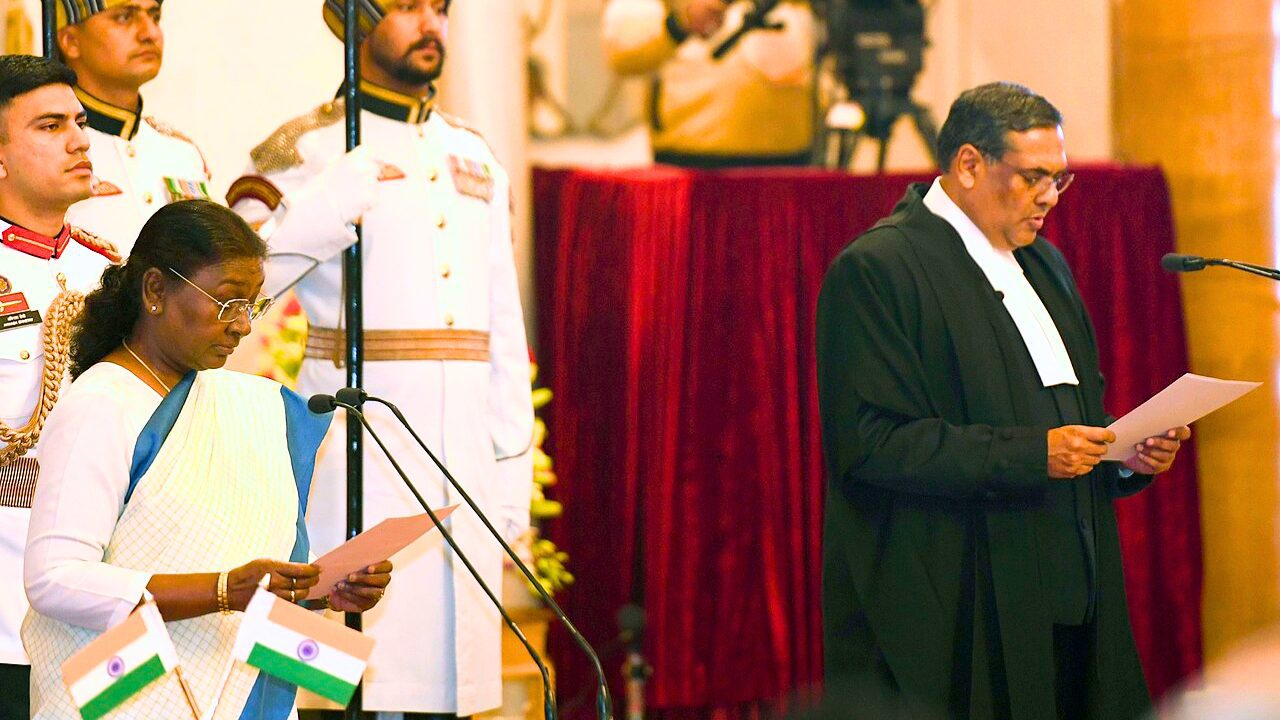
On 17 October 2024, outgoing Chief Justice Dhananjaya Y Chandrachud traditionally recommended the Ministry of Law and Justice to nominate Justice Sanjiv Khanna as the next Chief Justice of India. Justice Sanjiv Khanna was sworn in as the 51st Chief Justice of India on 11 November 2024 at a ceremony held at Rashtrapati Bhavan and was administered the oath of office by President Draupadi Murmu.
Personal Life
Justice Sanjiv Khanna was born into a family that was prominent in the legal profession. His father, Justice Devraj Khanna, was a respected judge of the Delhi High Court, who retired in 1985. His mother, Saroj Khanna, was a professor of Hindi at Lady Shri Ram College, Delhi University. Justice Khanna’s uncle, Justice Hans Raj Khanna, has been a prominent Supreme Court judge who is remembered for upholding fundamental rights despite government pressure during the Emergency. Their controversial decision highlights the importance of personal liberties.
Justice Sanjiv Khanna’s personal life has been private. He is married and has two children, but provides little information about his private life, indicating that he is more focused on his professional duties.
Conclusion
Justice Sanjiv Khanna’s journey is a fine example of an exemplary legal career and determination. Despite being born in a family with a legal background, he rose to a high position in the judiciary through his ability and hard work. His services and decisions reflect his legal understanding and commitment to the demands of justice.
Justice Khanna’s personality, his principles, and his unwavering service in the judiciary make him one of the best judges of India. Keeping his personal life private, he always prioritized his duties, which reflects his professional integrity and sincerity. Justice Khanna’s legacy is a combination of his family’s legal services and his personal efforts, which will serve as a beacon for generations to come.
Career Statistics
51st Chief Justice of India
11 November 2024
| Appointed | Droupadi Murmu |
| Preceded | Dhananjaya Y. Chandrachud |
Judge of Supreme Court of India
18 January 2019 – 10 November 2024
| Nominated | Ranjan Gogoi |
| Appointed | Ram Nath Kovind |
Judge of Delhi High Court
24 June 2005 – 17 January 2019
| Nominated | Ramesh Chandra Lahoti |
| Appointed | A P J Abdul Kalam |