Table of Contents
Shia LaBeouf (American Actor)
What defines a truly remarkable actor? Is it their ability to immerse themselves in diverse roles, their dedication to the craft, or the controversies that shape their public image? For Shia LaBeouf, the answer lies in all three. A child star turned Hollywood icon, LaBeouf has spent decades captivating audiences with his raw talent, fearless choices, and unpredictable career trajectory. Whether starring in blockbuster franchises, acclaimed indie films, or avant-garde performance art projects, he remains one of the most intriguing and polarizing figures in entertainment.
Born on June 11, 1986, Shia LaBeouf gained early recognition for his role as Louis Stevens in Even Stevens, a performance that earned him a Daytime Emmy Award in 2003. However, his ambitions extended far beyond Disney stardom. His transition into mainstream cinema began with Holes (2003), followed by breakout roles in Disturbia and Transformers (2007), the latter cementing him as a bankable Hollywood lead. Over the years, his filmography has showcased a striking mix of commercial hits like Indiana Jones and the Kingdom of the Crystal Skull (2008) and critically acclaimed dramas such as Fury (2014), American Honey (2016), and Honey Boy (2019), the latter being a deeply personal film based on his own childhood.
Yet, LaBeouf’s career is not just defined by his acting. He has ventured into directing, debuting with Let’s Love Hate (2004) and later Maniac (2011), starring rappers Cage and Kid Cudi. His artistic pursuits also extend into performance art, collaborating with LaBeouf, Rönkkö & Turner in thought-provoking installations that challenge celebrity culture, media narratives, and personal identity. These bold artistic experiments, along with his unpredictable public persona, have made him a subject of both admiration and scrutiny.
Despite the controversies that have followed him, LaBeouf’s commitment to storytelling remains undeniable. His performances are often marked by intense physical and emotional transformations, reflecting his deep investment in his craft. While his career has seen moments of turmoil, each challenge has led to reinvention, making him one of the most dynamic and complex figures in modern cinema.
As we explore Shia LaBeouf’s journey—from his rise as a child star to his evolution into a fearless actor, director, and performance artist—it becomes clear that he is not just another Hollywood name. He is a storyteller who continuously defies expectations, pushing boundaries in ways that few others dare. But what truly drives him? Is it an insatiable hunger for artistic expression, personal redemption, or something more? His story is far from over, and with every new project, he reminds us why he remains a force to be reckoned with.
Early Life and Background
Shia LaBeouf’s early life was marked by financial hardship, family struggles, and a relentless drive to succeed. From performing in front of strangers on the street to starring in one of the most popular Disney shows, his journey was anything but ordinary. His ability to turn adversity into artistic expression became his greatest strength, paving the way for a career filled with bold choices, unforgettable performances, and personal transformations. His story is a testament to the power of resilience and self-determination, proving that even in the face of chaos, talent and persistence can carve a path to success.
Family Origins and Upbringing
Shia LaBeouf, an American actor known for his raw talent and unconventional personality, was born Shia Saide LaBeouf on June 11, 1986, in Los Angeles, California. His unique name reflects his mixed heritage—his first name, “Shia,” means “gift from God” in Hebrew, while his last name, “LaBeouf,” translates to “the beef” in French. His father, Jeffrey Craig LaBeouf, was a Vietnam War veteran who struggled with post-traumatic stress disorder (PTSD) and substance abuse issues. His mother, Shayna Saide, was a dancer, visual artist, and clothing jewelry designer of Jewish descent. Raised in a working-class household, LaBeouf’s childhood was filled with financial struggles, which significantly shaped his outlook on life and career choices.
LaBeouf’s parents divorced when he was young, leading to a turbulent upbringing. Despite their separation, his parents remained influential figures in his life. His mother played a particularly significant role, ensuring he embraced his Jewish roots, which later contributed to his spiritual journey and self-exploration. His father, though troubled, exposed him to a world of artistic expression and storytelling, which deeply impacted his career path.
Childhood Challenges and Early Influences
Shia LaBeouf did not have a typical Hollywood childhood. Growing up in the Echo Park neighborhood of Los Angeles, he witnessed firsthand the struggles of poverty, addiction, and instability. His father’s battles with addiction led to erratic behavior, sometimes putting LaBeouf in difficult situations. Despite this, LaBeouf looked up to his father and often used humor as a coping mechanism, which later became a defining trait in his performances.
To support his family, his mother sold jewelry and handmade crafts, while LaBeouf took up street performances to earn extra money. His comedic talent and ability to entertain became evident early on, as he would perform for passersby, showcasing an innate ability to connect with an audience. One of his biggest influences was watching comedians like Robin Williams and Eddie Murphy, which fueled his love for performance. He would often memorize entire stand-up routines and reenact them for family and friends. This ability to imitate and capture emotions helped shape his early acting skills.
Another significant influence on his childhood was the Disney Channel. Watching Disney shows sparked a dream in him—to become a part of that world. However, his entry into acting wasn’t fueled by passion alone; it was also a means of financial survival.
Interest in Acting and First Performances
LaBeouf’s first major step into acting came in an unconventional way. At the age of 11, he started calling talent agents in the phone book, pretending to be his own manager. His brash confidence and persistence landed him a talent agent, which opened doors for auditions.
His early acting gigs included small roles in TV commercials and minor appearances in TV shows. However, his big break came when he landed the role of Louis Stevens on the hit Disney Channel series “Even Stevens” (2000-2003). His portrayal of the mischievous yet lovable younger brother won him critical acclaim and even earned him a Daytime Emmy Award.
During his time on Disney, LaBeouf developed a reputation for his improvisational skills and comedic timing. His ability to make scenes feel spontaneous and authentic set him apart from other child actors. While many young Disney stars struggled to transition into serious acting, LaBeouf was determined to break the mold.
Following his Disney success, he took on more challenging roles in films like “Holes” (2003) and “Disturbia” (2007). These performances showcased his ability to handle deeper, more dramatic roles, setting the stage for his breakout in blockbuster films such as “Transformers” (2007-2011) and “Indiana Jones and the Kingdom of the Crystal Skull” (2008).
Early Acting Career and Rise to Fame
Shia LaBeouf is a name that has been synonymous with Hollywood success, controversy, and transformation. His journey from a child actor in Disney’s Even Stevens to a critically acclaimed performer and filmmaker is nothing short of fascinating. This article explores his early acting career, the breakthrough role that made him a household name, and his rise to prominence in the entertainment industry.
First Roles in Television and Film
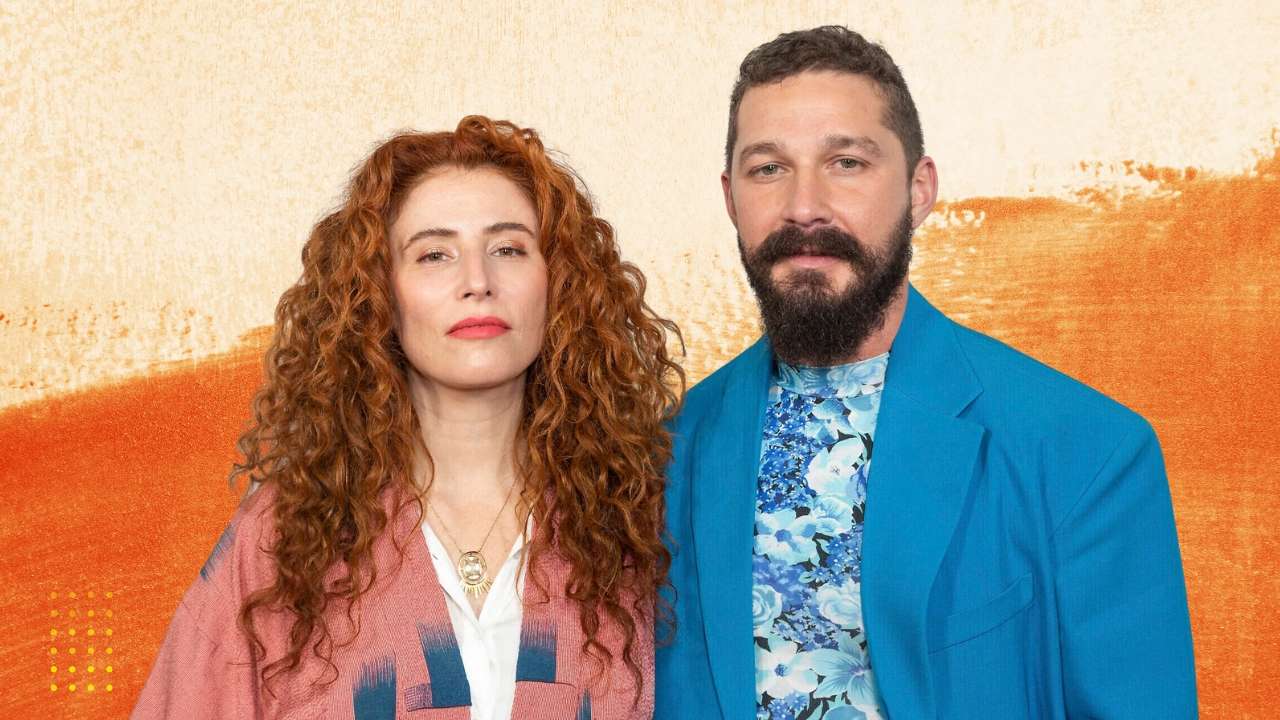
Shia LaBeouf’s acting journey began in the mid-1990s when he took his first steps into the entertainment industry as a child actor. Born on June 11, 1986, in Los Angeles, California, LaBeouf grew up in a family struggling financially, which motivated him to pursue acting at an early age. His career took off with small roles in television shows such as Caroline in the City (1998) and The X-Files (1999). He also made brief appearances in series like Freaks and Geeks and ER, where he displayed his natural comedic and dramatic talents.
LaBeouf’s first major film appearance was in the made-for-TV movie Breakfast with Einstein (1998). However, it wasn’t until 2000 that his career would take a significant turn with the role that would define his early years.
Rise to Prominence with Disney’s Even Stevens
In 2000, Shia LaBeouf landed the lead role of Louis Stevens in Disney Channel’s hit series Even Stevens. The show followed the comedic adventures of the mischievous yet lovable Louis, the troublemaking younger brother in a suburban family. The series quickly became a fan favorite, running for three seasons from 2000 to 2003. LaBeouf’s performance as Louis was widely praised, earning him a reputation as one of Disney’s most talented young actors. His natural comedic timing, combined with his ability to portray heartfelt moments, made him stand out from other child actors of the time.
During his Even Stevens years, LaBeouf also starred in Disney Channel Original Movies, such as Hounded (2001) and Tru Confessions (2002). In Tru Confessions, he took on the dramatic role of a boy with a developmental disability, showcasing his ability to handle serious and emotional performances—a trait that would become crucial in his later career. His role in Even Stevens led to a Daytime Emmy Award for Outstanding Performer in a Children’s Series in 2003. This recognition cemented his status as one of Disney’s top young stars.
Early Critical Acclaim and Awards
While still on Even Stevens, LaBeouf began transitioning into mainstream Hollywood. His breakthrough film role came in Holes (2003), a Disney adaptation of the popular novel by Louis Sachar. Playing the lead character, Stanley Yelnats, LaBeouf proved he could carry a major motion picture. The film was a box office success and further established him as a rising star. Following Holes, he starred in The Battle of Shaker Heights (2003) and Charlie’s Angels: Full Throttle (2003), showcasing his versatility in different genres. He also took on darker and more intense roles in films like Constantine (2005), where he played Chas Kramer alongside Keanu Reeves.
During this time, LaBeouf was recognized for his growing talent, earning praise from critics and industry professionals. His ability to seamlessly shift from comedic to dramatic roles set him apart from many of his peers. Shia LaBeouf’s early acting career laid the foundation for his later successes. From his breakout role in Even Stevens to critical acclaim in Holes and beyond, he demonstrated a rare ability to adapt and evolve as an actor. While his later years have been marked by controversy and reinvention, his initial rise in Hollywood remains a testament to his undeniable talent and determination. His ability to captivate audiences with both humor and depth made him one of the most memorable actors of his generation.
2007–2011 Breakthrough and Big-Budget Films
Transition from Child Actor to Hollywood Star
Shia LaBeouf’s journey from a child actor to a Hollywood A-lister is a testament to his talent, perseverance, and ability to adapt. Before 2007, he was primarily known for his role in Disney’s Even Stevens, a sitcom that earned him a Daytime Emmy Award. However, his ambition extended beyond television, leading him to take on more serious and diverse roles in Hollywood. The transition wasn’t immediate, but his performances in indie films and supporting roles in major productions laid the foundation for what would be his breakthrough era. With his natural charisma and knack for playing relatable, everyman characters, he quickly became a favorite among directors looking for young, energetic leads.

Lead Role in Transformers Franchise
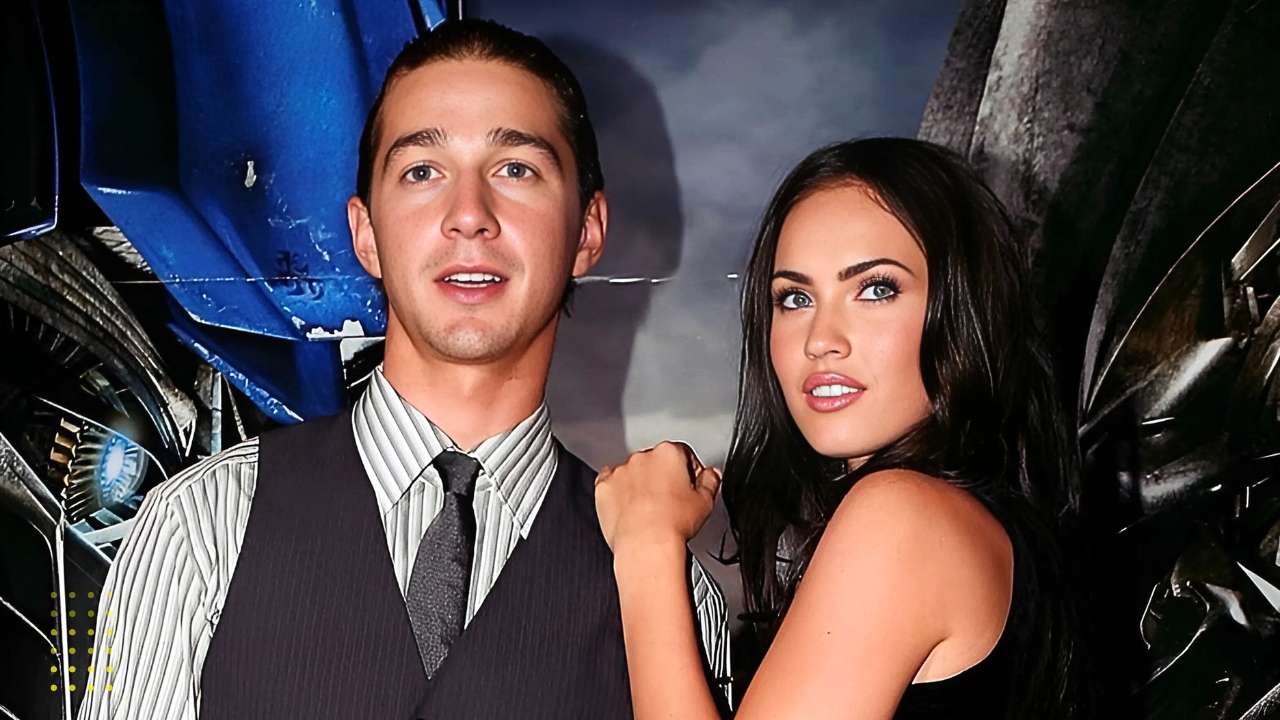
The defining moment of Shia LaBeouf’s career came in 2007 when he starred as Sam Witwicky in Transformers, directed by Michael Bay and produced by Steven Spielberg. The film was a massive box office success, grossing over $700 million worldwide. LaBeouf’s portrayal of Sam—a witty, awkward teenager thrust into an intergalactic war—resonated with audiences. His comedic timing and ability to handle high-energy action sequences made him a standout in a film dominated by CGI-heavy battles between Autobots and Decepticons.
The success of Transformers led to two sequels:
- Transformers: Revenge of the Fallen (2009) – Despite mixed reviews, the film was a commercial success, grossing over $800 million globally. LaBeouf’s chemistry with co-star Megan Fox was widely praised.
- Transformers: Dark of the Moon (2011) – The final film featuring LaBeouf as Sam, this installment grossed over $1.1 billion, cementing the franchise as one of the highest-grossing of all time.
During this period, Shia LaBeouf became one of Hollywood’s highest-paid young actors. However, he later expressed dissatisfaction with the franchise, stating that he wanted to explore more serious and challenging roles beyond big-budget blockbusters.
Other Major Hits: Disturbia and Indiana Jones
While Transformers made him a household name, LaBeouf also proved his versatility by starring in other major films.
Disturbia (2007): A modern-day reimagining of Alfred Hitchcock’s Rear Window, Disturbia showcased LaBeouf’s ability to carry a thriller. The film was both a critical and commercial success, grossing over $117 million against a $20 million budget. His performance as a teenager under house arrest who suspects his neighbor of being a murderer earned him critical praise.
Indiana Jones and the Kingdom of the Crystal Skull (2008): Starring alongside Harrison Ford, LaBeouf played Mutt Williams, the rebellious son of Indiana Jones. The film, despite mixed reviews, was a box office juggernaut, grossing nearly $800 million worldwide.
His role in Indiana Jones hinted at a potential passing of the torch, but after criticizing the film publicly, he distanced himself from the franchise. This incident marked the beginning of his outspoken nature, which would later impact his Hollywood trajectory.
Reception and Box Office Impact
Between 2007 and 2011, Shia LaBeouf was one of the most bankable young actors in Hollywood. His films collectively grossed billions worldwide, and he gained a reputation for bringing both humor and depth to his characters. However, as his career soared, so did his public scrutiny. His outspoken nature, clashes with directors, and personal controversies began to overshadow his acting achievements. While his talent was undeniable, his unpredictable behavior made him a divisive figure in Hollywood.
Despite this, his performances during this period remain some of his most iconic. The Transformers franchise, Disturbia, and Indiana Jones solidified his status as a leading man, proving that Shia LaBeouf was more than just a former Disney star—he was a force to be reckoned with in Hollywood.
Evolution and Indie Success (2012–Present)
Shia LaBeouf has undergone one of the most dramatic career transformations in Hollywood. Once a mainstream blockbuster star, he has since carved a niche in the indie film world, opting for deeply personal, experimental, and unconventional projects. His journey from “Transformers” to “Nymphomaniac,” “American Honey,” “Honey Boy,” and “The Peanut Butter Falcon” has reshaped his legacy, making him one of the most intriguing actors of his generation.
Departure from Mainstream Hollywood
By the early 2010s, LaBeouf had established himself as a bankable star with hits like “Transformers” (2007–2011), “Indiana Jones and the Kingdom of the Crystal Skull” (2008), and “Wall Street: Money Never Sleeps” (2010). However, he gradually became disillusioned with the Hollywood system, openly criticizing its lack of artistic integrity. His frustration became apparent when he publicly exited franchise filmmaking, declaring that he was “not famous anymore” and embracing a more rebellious and anti-establishment image. This shift was accompanied by a series of controversies, public outbursts, and artistic stunts—most notably his performance art installations and the viral “Just Do It” motivational meme.
Rather than following the conventional trajectory of an A-list actor, LaBeouf turned toward indie films that offered deeper creative expression.
Experimental and Independent Films
LaBeouf shocked audiences by starring in Lars von Trier’s provocative film “Nymphomaniac,” marking his official break from commercial Hollywood. The film, known for its explicit content and raw storytelling, allowed LaBeouf to showcase his unfiltered, immersive acting style.
His commitment was extreme—he reportedly sent an audition tape featuring real sexual encounters and even mailed a photo of his own genitalia to producers. While the film was polarizing, it demonstrated his willingness to take risks and reinvent himself.
American Honey (2016)
Andrea Arnold’s “American Honey” further solidified LaBeouf’s indie transformation. The road-trip drama, featuring a cast of non-professional actors, saw him play a reckless magazine salesman traveling across the Midwest. His intense, free-spirited performance earned critical acclaim, with Variety praising him as “the film’s unpredictable heart.”
This role also showcased his dedication to realism—LaBeouf got real tattoos, lived with the cast, and fully immersed himself in the film’s chaotic energy.
Honey Boy (2019)
Perhaps LaBeouf’s most personal work, “Honey Boy” was a semi-autobiographical film that he wrote while in rehab. Directed by Alma Har’el, the movie explored his turbulent childhood, focusing on his troubled relationship with his father.
In a bold move, LaBeouf played his own father, exposing the emotional and psychological trauma he endured as a child actor. The film was hailed as a raw, cathartic masterpiece, with critics and audiences praising his vulnerability and self-awareness.
The Peanut Butter Falcon (2019)
In this heartwarming adventure film, LaBeouf starred alongside Zack Gottsagen, an actor with Down syndrome, in a story about an unlikely friendship. The film was a massive indie success, grossing over $23 million against a modest budget. Unlike his previous roles, this film showcased a more grounded and mature LaBeouf, earning him renewed admiration. Even Dakota Johnson, his co-star, praised his dedication and emotional depth, strengthening their on-screen chemistry.
Reception and Impact on the Indie Film Scene
LaBeouf’s transition into indie cinema has been met with critical respect and newfound credibility. He is no longer seen as just a former blockbuster star but as a risk-taking, introspective artist. His work in “Honey Boy” and “The Peanut Butter Falcon” proved that he could tell powerful stories outside Hollywood’s studio system. Film critics have compared his trajectory to that of actors like Robert Pattinson and Adam Driver, who also moved from mainstream franchises to arthouse cinema.
However, LaBeouf’s career has also been marred by controversy, including allegations of abuse by FKA Twigs, his ex-girlfriend, and various legal troubles. These incidents have affected his reputation, leading to his removal from major projects, including Olivia Wilde’s “Don’t Worry Darling.”
Evolution and Indie Success (2012–Present)
Despite past controversies, LaBeouf remains an enigmatic and sought-after figure in cinema.
Padre Pio (2022) and Religious Transformation
In 2022, he starred in “Padre Pio,” playing the Italian priest known for his miraculous healing powers. During preparation, LaBeouf converted to Catholicism, describing it as a deeply spiritual experience. This marked a new phase in his personal and professional life.
Megalopolis (2024–2025)
One of his most anticipated projects is Francis Ford Coppola’s “Megalopolis,” where he joins an ensemble cast featuring Adam Driver and Forest Whitaker. The film is expected to be an epic return to ambitious, auteur-driven cinema.
Possible Return to Major Films?
While LaBeouf has distanced himself from Hollywood blockbusters, rumors persist about potential comebacks, including a possible return to the “Transformers” franchise or a collaboration with Tom Hardy in a future project. However, his career remains unpredictable, defined by his willingness to break conventions and embrace unconventional storytelling. Shia LaBeouf’s evolution from a mainstream action star to an indie film icon is one of the most compelling stories in modern cinema. His work in films like “Honey Boy” and “The Peanut Butter Falcon” has proven his depth, authenticity, and artistic vision.
While his personal life remains controversial, his ability to reinvent himself and take creative risks sets him apart from most actors. Whether he continues in the indie scene or returns to major productions, LaBeouf remains a fascinating, complex, and deeply talented artist.
Redefining Performance Art
Shia LaBeouf, widely recognized for his roles in Hollywood blockbusters, has also carved out a unique space in the realm of performance art. His experimental projects—ranging from endurance-based installations to provocative social statements—have challenged conventional narratives, sparking both intrigue and controversy. This article explores LaBeouf’s artistic ventures, their reception, and how they have influenced alternative storytelling.
1. "I Am Sorry" (2014): A Silent Apology to the World
In 2014, Shia LaBeouf stunned the public with his performance piece, I Am Sorry, at a Los Angeles gallery. The project, co-created with artists Nastja Säde Rönkkö and Luke Turner, invited visitors to sit across from LaBeouf, who remained silent with a paper bag over his head that read, “I AM NOT FAMOUS ANYMORE.” The installation was seen as a response to his plagiarism controversy involving artist Daniel Clowes, as well as a broader reflection on celebrity culture and media scrutiny.
- Audience Experience: Visitors described the encounter as deeply emotional, with LaBeouf visibly shedding tears at times.
- Criticism & Praise: While some hailed it as a raw exploration of public shaming and identity, others dismissed it as a self-indulgent publicity stunt.
2. "#ALLMYMOVIES" (2015): A Cinematic Self-Reflection
In #ALLMYMOVIES, LaBeouf took performance art to another level by live-streaming himself watching all of his films in chronological order at the Angelika Film Center in New York. The event lasted three days, with audiences allowed to join him in the theater.
- Impact on Fans: Viewers worldwide tuned in via the live stream, fascinated by his unfiltered reactions to his own career. His expressions of joy, embarrassment, and nostalgia humanized him in an unprecedented way.
- Artistic Significance: The project blurred the lines between celebrity and audience, inviting introspection about self-perception and artistic growth.
3. "He Will Not Divide Us" (2017–2021): A Political and Social Experiment
Launched on the day of Donald Trump’s presidential inauguration, He Will Not Divide Us was a live-streamed art installation intended as a symbol of unity and resistance. Participants were encouraged to chant the phrase “He will not divide us” into a mounted camera outside the Museum of the Moving Image in New York.
Challenges & Controversy:
- The installation quickly became a battleground for political activists, trolls, and far-right extremists, forcing its relocation multiple times.
- It eventually turned into an online treasure hunt, with internet communities attempting to sabotage the project by tracking LaBeouf’s movements.
Cultural Impact: Despite the chaos, He Will Not Divide Us remains a significant study in internet culture, activism, and the vulnerability of public art in the digital age.
Reception and Controversy: Art or Attention-Seeking?
LaBeouf’s performance art has been polarizing, with critics and audiences divided over its sincerity and artistic merit.
- Supporters View: Many consider his work groundbreaking, comparing it to the endurance art of Marina Abramović and other avant-garde artists. His projects challenge traditional media formats, making audiences confront deeper societal issues.
- Critics’ Perspective: Detractors argue that his work is self-indulgent, citing his past controversies, including accusations from ex-partners like FKA Twigs, as reasons to question his authenticity.
- Media’s Role: His art projects often gain virality, leading skeptics to speculate whether they serve as PR stunts rather than true artistic expressions.
Influence on Alternative Storytelling
Shia LaBeouf’s experimental work has had a lasting impact on modern storytelling, particularly in the digital age. His projects highlight the growing trend of audience participation in storytelling. #ALLMYMOVIES and He Will Not Divide Us encouraged global engagement, showing how digital platforms can transform narrative structures. LaBeouf’s art forces audiences to question what is real versus what is staged. This has influenced modern filmmaking and content creation, inspiring projects that blend documentary with fiction.
By utilizing live streams, viral hashtags, and interactive experiences, LaBeouf has demonstrated how social media can be a powerful tool for experimental art. This approach has inspired artists and filmmakers to create unconventional narratives that engage audiences beyond passive viewing. Despite the controversy surrounding him, Shia LaBeouf has undeniably expanded the boundaries of performance art. His experimental projects, whether seen as genius or spectacle, provoke thought, challenge norms, and redefine storytelling in the digital era. While his Hollywood career continues, his true impact may lie in his fearless exploration of art as a medium for personal and societal reflection.
Controversies and Scandals
Shia LaBeouf, a name synonymous with Hollywood stardom, has made headlines for both his impressive acting career and his controversial actions. While he is widely recognized for his roles in Transformers, Fury, American Honey, and Indiana Jones and the Kingdom of the Crystal Skull, his journey has been marred by allegations of plagiarism and creative theft. These accusations have impacted his public perception, raising questions about artistic integrity and originality.
In this article, we explore Shia LaBeouf’s controversies related to plagiarism, their consequences on his career, and how he has responded to these claims.
Accusations Against Shia LaBeouf
One of the most notable plagiarism accusations against Shia LaBeouf emerged in 2013 when he released his short film HowardCantour.com. The film, which premiered at the Cannes Film Festival, received critical acclaim—until viewers discovered it bore a striking resemblance to Justin M. Damiano, a 2007 graphic novel by Daniel Clowes.
- Identical Dialogue & Storyline: Upon comparison, it became evident that HowardCantour.com heavily borrowed from Clowes’ work, with near-identical dialogue and plot points.
- No Permission or Acknowledgment: LaBeouf had failed to credit Clowes or obtain permission, leading to immediate backlash.
Once the plagiarism was exposed, Shia LaBeouf attempted to issue an apology. However, his response was met with further criticism when it was revealed that parts of his apology had been copied verbatim from other sources—ironically reinforcing his reputation for plagiarism.
Copying Other Creators’ Work
The HowardCantour.com scandal was not an isolated incident. Further investigations into LaBeouf’s creative projects revealed a pattern of alleged artistic theft:
- Apology Plagiarism: His public apology regarding HowardCantour.com was found to be lifted from a 2010 post on Yahoo Answers.
- Comic Book Similarities: Shia LaBeouf’s self-published comics were scrutinized for containing material heavily inspired by other artists, with minimal original content.
- Screenwriting Theft Allegations: His experimental work in screenwriting was also flagged for lifting passages from other sources without proper attribution.
These accusations severely tarnished his credibility as a writer and director, raising concerns about his approach to creative expression.
Impact on His Career and Public Perception
The plagiarism scandals had significant consequences on Shia LaBeouf’s public image and career trajectory. The controversy over HowardCantour.com led to outrage within the creative community, particularly among writers and filmmakers who saw it as a blatant act of intellectual theft. Daniel Clowes, the original creator of Justin M. Damiano, pursued legal action, further intensifying the scandal. While Shia LaBeouf had cultivated an image of being an eccentric and unconventional artist, these incidents painted him as dishonest. Social media played a crucial role in amplifying the controversy, leading to widespread mockery and criticism.
His attempts at apologizing—especially the fact that they were plagiarized—turned him into an internet meme. This, combined with his infamous “Just Do It” motivational video, led to his actions being widely parodied, further diminishing his credibility. Though he continued to work in Hollywood, LaBeouf’s reputation as a serious artist was significantly impacted. Studios became hesitant to work with him on creative projects outside of acting. His directorial aspirations suffered the most, with little to no industry support for his filmmaking ventures.
Personal and Professional Redemption Attempts
Over the years, Shia LaBeouf has made several attempts at redemption. He has spoken about his struggles with addiction, mental health, and personal growth. Some believe that his later works, including Honey Boy—a semi-autobiographical film—served as an attempt to regain public trust. However, despite his efforts, the plagiarism allegations remain a defining moment in his career, leaving a permanent mark on his artistic credibility. Shia LaBeouf’s plagiarism controversies exposed a troubling side of his artistic journey.
While he remains a talented actor with a strong filmography—including Transformers, Fury, and American Honey—his reputation as a creator has been permanently damaged. His case serves as a reminder of the importance of originality and ethical artistic practices in the entertainment industry. Whether he can fully recover from these controversies remains uncertain, but his story continues to be a subject of debate among fans and critics alike.
Legal Issues and Public Incidents
Shia LaBeouf, a Hollywood talent known for his roles in Transformers, Holes, and Fury, has had a tumultuous journey in the public eye. While his performances have earned him critical acclaim, his off-screen behavior—ranging from legal troubles to public meltdowns—has often overshadowed his career. This article explores LaBeouf’s history of arrests, legal battles, and erratic public behavior, shedding light on the complexities behind the actor’s persona.

Arrests and Run-ins With Law Enforcement
Shia LaBeouf’s legal troubles span over a decade, with multiple arrests and controversial incidents marking his record. Below are some of the most significant run-ins with the law that have shaped public perception of the actor.
1. Drunken Arrest in Chicago (2007)
Before LaBeouf became a household name in Transformers, he was arrested in November 2007 for refusing to leave a Walgreens store in Chicago while intoxicated. Though charges were dropped, it marked the beginning of his public legal troubles.
2. DUI Arrest in Los Angeles (2008)
In 2008, LaBeouf was arrested for driving under the influence after being involved in a car accident in Los Angeles. The accident resulted in severe hand injuries, requiring multiple surgeries. Although police determined the other driver was at fault, LaBeouf’s intoxicated state contributed to the incident.
3. Broadway Disturbance and NYC Arrest (2014)
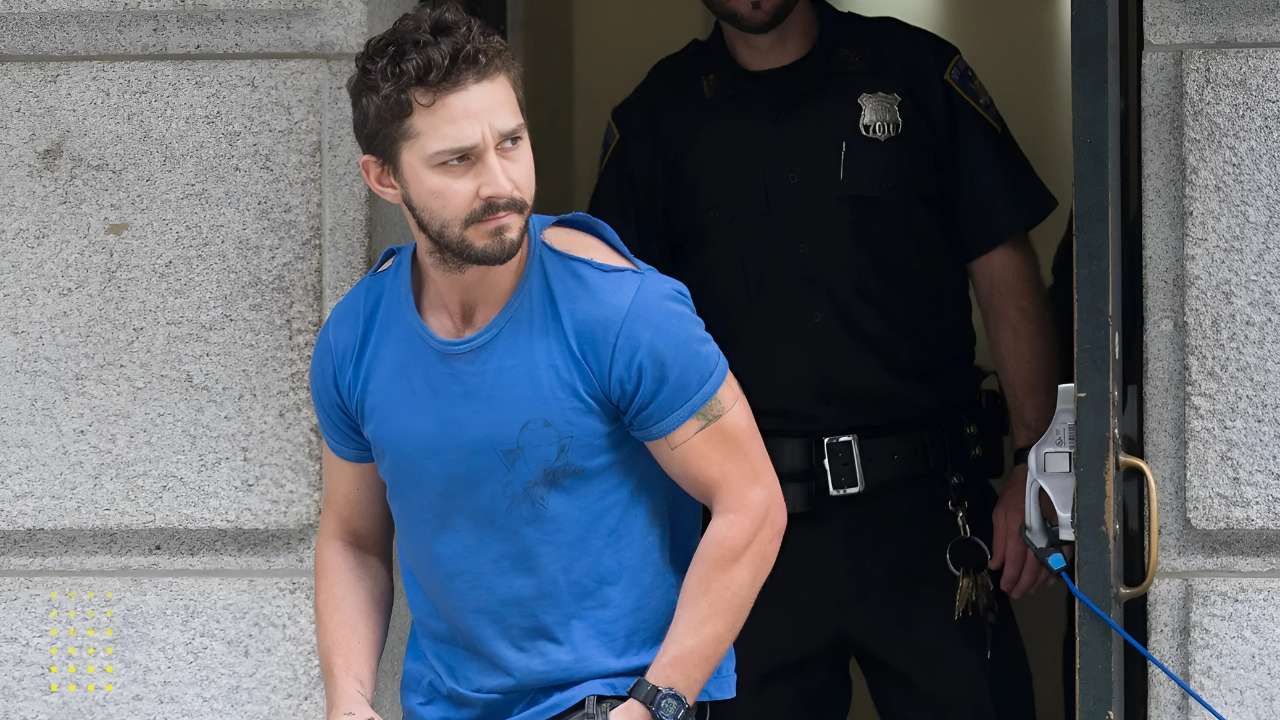
One of LaBeouf’s most infamous incidents occurred in 2014 when he disrupted a Broadway performance of Cabaret starring Alan Cumming. Witnesses reported that he was smoking inside the theater, yelling obscenities, and being aggressive. When police arrested him, he allegedly spat at officers and made bizarre remarks. He later pled guilty to disorderly conduct and sought rehabilitation for alcohol addiction.
4. Savannah Public Intoxication and Racial Slurs (2017)
While filming The Peanut Butter Falcon in Savannah, Georgia, LaBeouf was arrested for public drunkenness and disorderly conduct. Bodycam footage later revealed him shouting profanities and making racist remarks toward officers. He later apologized, attributing the incident to his struggles with alcoholism.
5. Battery and Theft Charges (2020)
In 2020, LaBeouf was charged with battery and petty theft after an altercation with a man in Los Angeles. Surveillance footage showed him allegedly stealing the man’s hat during a physical altercation. Though he was released on bail, the incident added to his growing list of legal troubles.
6. Lawsuit by FKA Twigs (2020)
One of the most serious accusations against LaBeouf came in 2020 when his ex-girlfriend, musician FKA Twigs, filed a lawsuit against him, alleging emotional, physical, and sexual abuse. The lawsuit detailed disturbing claims, including allegations that he knowingly infected her with an STD. LaBeouf later admitted to past abusive behavior but denied some of the specific accusations. The lawsuit significantly damaged his career, leading to his removal from multiple projects.
Public Meltdowns and Erratic Behavior
Beyond his legal issues, LaBeouf has been known for unpredictable and sometimes bizarre behavior. These incidents have left fans and the media questioning his mental health and well-being.
1. The “Just Do It” Meme (2015)
In 2015, LaBeouf filmed an intense motivational speech, yelling “Just do it!” repeatedly in front of a green screen. Originally created as part of an art project, the clip went viral and became a meme. While some saw it as inspirational, others perceived it as another example of his eccentricity.
2. The “He Will Not Divide Us” Art Protest (2017)
Following Donald Trump’s election, LaBeouf launched an anti-Trump protest and live-streamed a performance titled He Will Not Divide Us. The installation, meant to run for four years, was repeatedly vandalized and moved across different locations before being shut down due to security concerns. During one of the protests, LaBeouf was arrested for assaulting a man who allegedly provoked him.
3. Wearing a Paper Bag on His Head (2014)
At the Berlin Film Festival in 2014, LaBeouf walked the red carpet wearing a paper bag that read, I Am Not Famous Anymore. The bizarre stunt was part of an art installation he co-created, which involved sitting in a gallery wearing the same bag while silently allowing visitors to interact with him. The performance was widely criticized as an attention-seeking gimmick.
4. Alleged Fight With Tom Hardy (2012)
While filming Lawless (2012), reports surfaced that LaBeouf and co-star Tom Hardy had a physical altercation. Hardy later confirmed that LaBeouf, known for method acting, became aggressive on set. Though the details remain unclear, the incident fueled rumors about LaBeouf’s on-set behavior.
What’s Next for Shia LaBeouf?
After years of controversy, LaBeouf has attempted to rebuild his reputation. In recent years, he has expressed regret over his past actions, embraced Catholicism, and focused on personal rehabilitation. He starred in Padre Pio (2022), a film about a Catholic saint, which he credits for his religious transformation. Despite his efforts, his career remains uncertain. While some fans believe he deserves redemption, others argue that his past behavior should not be overlooked.
Shia LaBeouf’s legal issues and public incidents have shaped his public image as much as his acting career. From Transformers fame to courtroom battles, his journey remains one of Hollywood’s most complex redemption arcs. Whether he successfully returns to the spotlight or remains a cautionary tale depends on how he navigates his personal and professional life moving forward.
Abuse Allegations and Industry Fallout
Shia LaBeouf, a name synonymous with raw talent and controversy, has experienced a turbulent career marked by blockbuster success, public scandals, and allegations of abuse. From his breakout role in Even Stevens to leading the Transformers franchise, LaBeouf’s career has been both dynamic and chaotic. However, his name became mired in controversy after serious abuse allegations surfaced, leading to legal battles, industry fallout, and attempts at rehabilitation.
Accusations from FKA Twigs and Others
In December 2020, British singer-songwriter FKA Twigs filed a lawsuit against Shia LaBeouf, accusing him of sexual battery, emotional distress, and abuse during their relationship. She alleged that LaBeouf subjected her to relentless psychological and physical torment, including forced isolation, sleep deprivation, and violent outbursts.
Twigs’ lawsuit painted a harrowing picture, detailing incidents such as LaBeouf knowingly infecting her with an STD, threatening to crash a car while she was inside, and imposing strict, controlling behaviors. The lawsuit also accused him of gaslighting her and manipulating her into staying in an abusive relationship.
Additionally, another ex-girlfriend, Karolyn Pho, also came forward with claims of emotional and physical abuse, further solidifying the pattern of LaBeouf’s alleged behavior. The accusations sent shockwaves through Hollywood, triggering discussions about accountability in the film industry.
Responses from Hollywood and Legal Battles
The fallout was swift and severe. Several major studios distanced themselves from LaBeouf. He was removed from Olivia Wilde’s psychological thriller Don’t Worry Darling, with rumors suggesting his behavior on set was a concern. Wilde later claimed she fired him to ensure a “safe working environment,” although LaBeouf refuted this, stating he left voluntarily.
His legal troubles escalated as he faced a lawsuit from Twigs, which was set for trial in 2024. LaBeouf denied many of the allegations but admitted to past mistakes, stating in an interview, “I have hurt people I love.” His legal team sought to settle the case privately, but Twigs insisted on pursuing justice publicly.
As the allegations mounted, LaBeouf’s personal and professional life crumbled. His career, once thriving with hits like Transformers, Fury (alongside Brad Pitt), and American Honey, was at risk of complete derailment.
Attempts at Rehabilitation and Accountability
In a surprising turn, LaBeouf claimed to have undergone a deep spiritual transformation while preparing for his role in Padre Pio (2022). He revealed that he had converted to Catholicism, citing the faith as a key element in his journey to redemption. He stated that the experience changed his perspective on life, helping him acknowledge past wrongs and take responsibility.
Despite skepticism from critics who saw his conversion as an image-rehabilitation tactic, LaBeouf insisted that his newfound faith was genuine. He participated in religious discussions, attended church services, and openly expressed remorse for his past behavior.
Therapy, AA, and Sobriety
LaBeouf also checked into therapy and Alcoholics Anonymous (AA), acknowledging his struggles with alcoholism and anger management. He admitted that his past behavior stemmed from deep-seated trauma and unresolved childhood issues, including an abusive upbringing.
During an emotional appearance on Jon Bernthal’s podcast Real Ones, LaBeouf admitted:
“I hurt a lot of people. And I’m ashamed of that. But I also believe in redemption, in making things right.”
His transparency about his struggles earned him some public sympathy, but many remained unconvinced. Critics argued that apologies and therapy were not enough—true accountability required actions beyond words.
Career Comeback: Can LaBeouf Return to Hollywood?
Following his efforts to rebuild his image, whispers of a Hollywood comeback began circulating. He landed a role in Francis Ford Coppola’s ambitious project Megalopolis (2024), marking his return to high-profile cinema.
Despite this, the film industry remains divided. Some argue that LaBeouf deserves another chance, especially given his attempts at reform. Others believe he should remain blacklisted, given the severity of the allegations. His career trajectory remains uncertain, dependent on whether Hollywood and audiences are willing to forgive and move forward.
The Casting Dispute for Don’t Worry Darling
Shia LaBeouf is no stranger to controversy, but one of the most widely publicized conflicts in his career was his exit from Olivia Wilde’s 2022 psychological thriller Don’t Worry Darling. The situation led to a media storm involving leaked emails, conflicting public statements, and reactions from both Hollywood insiders and fans.
The Casting Dispute for Don’t Worry Darling
Don’t Worry Darling, starring Florence Pugh and Harry Styles, was initially set to feature Shia LaBeouf in the male lead role. However, before production began, LaBeouf was replaced by Styles, with director Olivia Wilde citing concerns over his behavior and working style.
According to Wilde, she removed LaBeouf from the project due to his “combative energy” and a need to ensure a safe and collaborative environment for the cast, particularly Florence Pugh. Wilde stated in an interview:
“His process was not conducive to the ethos that I demand in my productions.”
However, LaBeouf later provided evidence that contradicted Wilde’s version of events, claiming that he was not fired but had actually quit.
Conflict with Director Olivia Wilde
Shia LaBeouf pushed back against Wilde’s claims in a detailed response, which included leaked messages and a video that Wilde allegedly sent to him. In the video, Wilde appears to suggest that she wanted him to stay on the project, even referencing “Miss Flo”—a comment widely interpreted as a slight toward Florence Pugh.
LaBeouf also shared emails in which he wrote to Wilde:
“You and I both know the reasons for my exit. I quit your film because your actors and I couldn’t find time to rehearse.”
This revelation cast doubt on Wilde’s public statements and fueled speculation about on-set tensions. Florence Pugh notably distanced herself from the film’s promotional efforts, leading many to believe there was deeper drama behind the scenes.
Leaked Emails and Public Statements
The controversy escalated when LaBeouf released text messages from Wilde, where she expressed disappointment over his departure. The messages painted a different picture than Wilde’s previous statements, suggesting that she wanted him to remain in the film despite concerns.
Meanwhile, the public feud led to further scrutiny of LaBeouf, who was already facing legal issues, including a lawsuit from FKA twigs alleging abuse during their relationship. These allegations complicated his professional standing in Hollywood, with some seeing his Don’t Worry Darling exit as part of a broader pattern of controversy surrounding him.
Industry and Fan Reactions
The industry reaction was mixed. While some supported Wilde’s decision to replace LaBeouf, others questioned whether the real reason for his exit was being misrepresented.
Hollywood insiders debated whether Wilde’s comments were a strategic move to distance the film from LaBeouf’s legal troubles, while fans speculated about the extent of Florence Pugh’s involvement in his departure.
Social media exploded with reactions:
- Some fans sided with LaBeouf, arguing that Wilde misrepresented the truth.
- Others supported Wilde, saying that prioritizing a safe working environment was more important than one actor’s career.
- Florence Pugh remained silent, further fueling speculation about internal drama.
Despite the controversy, Don’t Worry Darling performed well at the box office, though it remained overshadowed by off-screen drama. Shia LaBeouf’s Don’t Worry Darling dispute became one of Hollywood’s most debated casting conflicts. The situation raised larger questions about workplace dynamics, the importance of truthful public statements, and how personal controversies can impact professional opportunities. While LaBeouf continues to rebuild his career with upcoming projects, the Don’t Worry Darling controversy remains a defining chapter in his Hollywood journey.
Responses from Hollywood and Legal Battles
The fallout was swift and severe. Several major studios distanced themselves from LaBeouf. He was removed from Olivia Wilde’s psychological thriller Don’t Worry Darling, with rumors suggesting his behavior on set was a concern. Wilde later claimed she fired him to ensure a “safe working environment,” although LaBeouf refuted this, stating he left voluntarily.
His legal troubles escalated as he faced a lawsuit from Twigs, which was set for trial in 2024. LaBeouf denied many of the allegations but admitted to past mistakes, stating in an interview, “I have hurt people I love.” His legal team sought to settle the case privately, but Twigs insisted on pursuing justice publicly.
As the allegations mounted, LaBeouf’s personal and professional life crumbled. His career, once thriving with hits like Transformers, Fury (alongside Brad Pitt), and American Honey, was at risk of complete derailment.
Attempts at Rehabilitation and Accountability
In a surprising turn, LaBeouf claimed to have undergone a deep spiritual transformation while preparing for his role in Padre Pio (2022). He revealed that he had converted to Catholicism, citing the faith as a key element in his journey to redemption. He stated that the experience changed his perspective on life, helping him acknowledge past wrongs and take responsibility.
Despite skepticism from critics who saw his conversion as an image-rehabilitation tactic, LaBeouf insisted that his newfound faith was genuine. He participated in religious discussions, attended church services, and openly expressed remorse for his past behavior.
Therapy, AA, and Sobriety
LaBeouf also checked into therapy and Alcoholics Anonymous (AA), acknowledging his struggles with alcoholism and anger management. He admitted that his past behavior stemmed from deep-seated trauma and unresolved childhood issues, including an abusive upbringing.
During an emotional appearance on Jon Bernthal’s podcast Real Ones, LaBeouf admitted:
“I hurt a lot of people. And I’m ashamed of that. But I also believe in redemption, in making things right.”
His transparency about his struggles earned him some public sympathy, but many remained unconvinced. Critics argued that apologies and therapy were not enough—true accountability required actions beyond words.
Career Comeback: Can LaBeouf Return to Hollywood?
Following his efforts to rebuild his image, whispers of a Hollywood comeback began circulating. He landed a role in Francis Ford Coppola’s ambitious project Megalopolis (2024), marking his return to high-profile cinema.
Despite this, the film industry remains divided. Some argue that LaBeouf deserves another chance, especially given his attempts at reform. Others believe he should remain blacklisted, given the severity of the allegations. His career trajectory remains uncertain, dependent on whether Hollywood and audiences are willing to forgive and move forward.
Personal Life and Public Image
Shia LaBeouf is one of Hollywood’s most enigmatic figures—equally known for his compelling performances and controversial personal life. His journey from a child actor on Even Stevens to a leading man in Transformers has been accompanied by public scrutiny, legal troubles, and personal reinvention. This article explores his relationships, struggles, and evolving self-image.
Shia LaBeouf’s personal life has been as eventful as his career. Over the years, his relationships with co-stars and industry figures have frequently made headlines.
Notable Relationships and Friendships
LaBeouf’s romantic relationships have often been with high-profile women in entertainment.
- Mia Goth: The Nymphomaniac actress and LaBeouf had an on-again, off-again relationship. They reportedly married in 2016 in Las Vegas, although later reports suggested it was not a legal ceremony. After breaking up in 2018, they rekindled their romance in 2020, and in 2022, they welcomed their daughter.
- FKA Twigs: The musician and actress accused LaBeouf of emotional and physical abuse during their relationship, leading to a high-profile lawsuit. The case brought significant attention to allegations of LaBeouf’s past behavior.
- Megan Fox: While filming Transformers, rumors circulated about a romance between LaBeouf and Fox. He later admitted to a brief fling, though Fox was in a relationship with Brian Austin Green at the time.
- Dakota Johnson: Though not a romantic relationship, LaBeouf and Johnson developed a strong friendship while filming The Peanut Butter Falcon. Johnson has publicly spoken about supporting him despite his controversies.
In addition to his romantic entanglements, LaBeouf has had tumultuous friendships with co-stars, including Tom Hardy, with whom he reportedly had an on-set altercation while filming Lawless.
Personal Struggles and Self-Reflection
LaBeouf’s personal life has been marred by legal issues, substance abuse, and moments of profound self-reflection. Shia LaBeouf’s history of arrests and public outbursts is well-documented. He has faced multiple charges, including disorderly conduct, public intoxication, and assault. His 2017 arrest in Georgia, where he was caught on camera making racist remarks toward a police officer, led to widespread backlash.
His aggressive behavior, combined with accusations of abuse from FKA Twigs, damaged his reputation, causing Hollywood to distance itself from him. He was reportedly dropped from Olivia Wilde’s Don’t Worry Darling due to conflicts on set.
Rehabilitation and Religious Conversion
In recent years, LaBeouf has sought redemption. He entered rehab, where he confronted his past behavior and diagnosed struggles with PTSD. A significant turning point came when he prepared for his role in Padre Pio. Immersing himself in the Catholic faith, LaBeouf underwent a spiritual transformation, later announcing that he had converted to Catholicism. His public acknowledgment of faith and commitment to change has sparked debates about whether his redemption is genuine or a strategic rebranding.
Shia LaBeouf remains a polarizing figure. His undeniable talent, seen in films like Fury and Honey Boy, contrasts sharply with his public controversies. While some view his recent efforts—fatherhood, faith, and rehabilitation—as a sincere attempt at growth, others remain skeptical.
Political and Social Views
Shia LaBeouf, a talented actor known for his roles in Transformers, Fury, and Honey Boy, has also made headlines for his outspoken political and social views. Beyond his Hollywood career, LaBeouf has actively participated in social movements, protests, and activism. This article explores his political stance, activism, and influence in social movements.
Political and Social Views of Shia LaBeouf
Shia LaBeouf’s political and social beliefs have been a subject of interest for fans and critics alike. While he does not conform to traditional political labels, his actions suggest a strong inclination toward progressive and left-leaning ideologies.
Outspoken Critic of Conservative Politics
LaBeouf has often used his platform to express discontent with certain conservative political figures and policies. His views became especially prominent during the 2016 U.S. presidential election when he openly opposed Donald Trump’s presidency. He was involved in anti-Trump protests and launched artistic projects as a form of resistance.Freedom of Expression and Artistic Protest
His belief in the power of art as a medium for political expression is evident through his controversial installations and performances. LaBeouf has used various creative projects to challenge authority, advocate for marginalized voices, and address political and social issues.Shifting Religious Views and Their Impact on His Politics
Shia LaBeouf’s religious journey has also played a role in shaping his views. Raised in a mixed Jewish-Christian household, he recently converted to Catholicism after portraying Padre Pio in a biographical film. His newfound faith has influenced his perspective on redemption, forgiveness, and personal transformation.Support for Social Justice and Equality
LaBeouf has spoken out against racism, sexism, and discrimination in the entertainment industry and society at large. He has supported movements advocating for LGBTQ+ rights, racial equality, and mental health awareness.
Political and Social Views
Shia LaBeouf is known for blending activism with performance art, creating projects that draw attention to political and social issues.
1. “He Will Not Divide Us” – A Viral Protest Against Trump
One of LaBeouf’s most famous activist projects was He Will Not Divide Us, an interactive art installation launched on the day of Donald Trump’s inauguration in 2017. Created in collaboration with artists Luke Turner and Nastja Säde Rönkkö, the project encouraged people to chant “He Will Not Divide Us” into a live-streaming camera.
- The project was meant to last throughout Trump’s presidency but faced multiple disruptions due to vandalism and far-right internet trolls.
- It was shut down multiple times but was later moved to different locations worldwide.
2. Support for Women’s Rights and #MeToo Movement
LaBeouf’s activism has been met with both praise and criticism. While he has publicly supported women’s rights and gender equality, allegations of domestic violence and abuse from his ex-girlfriend, FKA Twigs, have complicated his public image. In response, LaBeouf acknowledged his struggles with personal issues and entered a rehabilitation program to address his behavior.
3. Mental Health Awareness and Artistic Expression
Shia LaBeouf has used his personal struggles to raise awareness about mental health. His film Honey Boy (2019) was a semi-autobiographical story that explored childhood trauma, toxic masculinity, and the effects of fame on mental well-being.
- The film was praised for shedding light on childhood abuse and the long-term psychological impact of growing up in Hollywood.
- LaBeouf’s honesty about his struggles with PTSD and addiction has resonated with many fans and mental health advocates.
Role in Social Movements and Protests
Beyond his individual activism, LaBeouf has engaged with various social movements and protests.
1. Anti-War and Veterans' Rights Advocacy
While filming Fury (2014), LaBeouf developed a deep respect for military veterans. He has since advocated for better mental health support for veterans, participating in discussions about PTSD and the challenges soldiers face after returning home.
2. Involvement in Black Lives Matter (BLM) Protests
During the height of the Black Lives Matter movement in 2020, LaBeouf expressed support for racial justice and police reform. While he did not take a leadership role, he used his platform to amplify voices from the movement.
3. Environmental Awareness and Climate Change Activism
Although not as vocal as some celebrities on climate change, LaBeouf has expressed concerns about environmental destruction and corporate responsibility. His involvement in progressive artistic projects has occasionally touched on themes of environmental justice. Shia LaBeouf remains one of Hollywood’s most enigmatic figures, known for both his artistic genius and his controversial moments. His political and social views, activism, and participation in social movements reveal a man deeply passionate about change, justice, and self-expression. While his personal struggles and past controversies have shaped public perception, his commitment to using art as activism continues to influence discussions on politics, social justice, and mental health.
Religious Journey and Faith
Shia LaBeouf, known for his intense performances in movies like Transformers, Fury, and Honey Boy, has had a life marked by both artistic brilliance and personal struggles. While his acting career has often made headlines, his spiritual transformation—culminating in his conversion to Catholicism—has drawn significant attention in recent years.
In this article, we explore Shia LaBeouf’s religious journey, from his early beliefs to his profound shift toward Catholicism.
Early Religious Beliefs
Shia LaBeouf was born on June 11, 1986, into a culturally diverse family. His mother, Shayna Saide, was Jewish, while his father, Jeffrey Craig LaBeouf, was a Christian with French Cajun heritage. As a child, LaBeouf was exposed to both religious traditions but was not deeply involved in any particular faith. In multiple interviews, LaBeouf has shared that his upbringing was unconventional. He grew up in a financially struggling household in Los Angeles, where he experienced instability, emotional hardships, and strained family relationships. His parents’ differing religious backgrounds meant that he had a broad exposure to spirituality, but there was no strong religious foundation guiding his early years.
During his teenage years, as his career took off with Even Stevens and Holes, religion remained more of a cultural aspect rather than a deeply personal or spiritual commitment. Fame, Hollywood’s pressures, and personal struggles kept him disconnected from structured faith.
A Life-Changing Role in "Padre Pio"
Shia LaBeouf’s religious transformation was unexpected and deeply personal. It began in 2022 when he prepared for his role as Padre Pio, the revered Italian Catholic saint, in the movie Padre Pio. To truly understand the character, LaBeouf immersed himself in Catholic teachings. He spent time in a Capuchin monastery, where he lived among Franciscan monks, learning their ways, prayers, and devotion to God. This intense spiritual experience became more than just research for a film—it became a transformative journey for him.
In an interview, LaBeouf admitted that, at the time, he was struggling with personal failures, controversies, and legal issues. The experience of living among monks, engaging in deep prayer, and understanding the teachings of Christianity helped him find a sense of purpose and inner peace. Shia LaBeouf’s conversion to Catholicism represents one of the most unexpected and powerful transformations in Hollywood. From a troubled past to a deeply spiritual present, his journey is a testament to the impact of faith on personal redemption.
As he continues navigating his career and personal life, it remains to be seen how his newfound beliefs will shape his future projects and public persona. But one thing is certain—Shia LaBeouf’s story is one of resilience, transformation, and spiritual awakening.
Career Statistics
Filmography
| Film | 42+ |
| Television | 22+ |
| Total | 64+ |
Awards
| Won | 24+ |
| Nominated | 46+ |
| Total | 70+ |
Filmography
| Year | Title | Role |
|---|---|---|
| 1998 | The Christmas Path | Cal |
| 1998 | Monkey Business | Wyatt |
| 2003 | Holes | Stanley “Caveman” Yelnats IV |
| 2003 | Dumb and Dumberer: When Harry Met Lloyd | Lewis |
| 2003 | Charlie’s Angels: Full Throttle | Max Petroni |
| 2003 | The Battle of Shaker Heights | Kelly Ernswiler |
| 2004 | I, Robot | Farber |
| 2005 | Constantine | Chas Kramer |
| 2005 | Nausicaä of the Valley of the Wind | Asbel |
| 2005 | The Greatest Game Ever Played | Francis Ouimet |
| 2006 | A Guide to Recognizing Your Saints | Young Dito |
| 2006 | Bobby | Cooper |
| 2007 | Disturbia | Kale Brecht |
| 2007 | Surf’s Up | Cody Maverick |
| 2007 | Transformers | Sam Witwicky |
| 2008 | Indiana Jones and the Kingdom of the Crystal Skull | Henry “Mutt Williams” Jones III |
| 2008 | Eagle Eye | Jerry Shaw / Ethan Shaw |
| 2009 | Transformers: Revenge of the Fallen | Sam Witwicky |
| 2009 | New York, I Love You | Jacob |
| 2010 | Wall Street: Money Never Sleeps | Jake Moore |
| 2011 | Transformers: Dark of the Moon | Sam Witwicky |
| 2012 | Radioman | Himself |
| 2012 | Lawless | Jack Bondurant |
| 2012 | The Company You Keep | Ben Shepard |
| 2013 | Charlie Countryman | Charlie Countryman |
| 2013 | Nymphomaniac | Jérôme Morris |
| 2014 | Fury | Boyd Swan |
| 2015 | Man Down | Gabriel Drummer |
| 2016 | American Honey | Jake |
| 2017 | Borg vs McEnroe | John McEnroe |
| 2018 | #TAKEMEANYWHERE | Himself |
| 2019 | Honey Boy | James Lort |
| 2019 | The Peanut Butter Falcon | Tyler |
| 2020 | The Tax Collector | Creeper |
| 2020 | Pieces of a Woman | Sean Carson |
| 2021 | A Man Named Scott | Himself |
| 2022 | Padre Pio | Padre Pio |
| 2024 | Megalopolis | Clodio Pulcher |
| 2025 | Henry Johnson | Gene |
| TBA | Salvable | Vince |
Television
| Year | Title | Role |
|---|---|---|
| 1998 | Caroline in the City | Ethan |
| 1998 | Breakfast with Einstein | Joey |
| 1999 | Jesse | Moe |
| 1999 | Everything’s Relative | Young Marty |
| 1999 | Suddenly Susan | Ritchie |
| 1999 | Touched by an Angel | Johnny |
| 1999 | The X-Files | Richie Lupone |
| 2000 | ER | Darnel Smith |
| 2000 | Freaks and Geeks | Herbert the Mascot |
| 2000–2003 | Even Stevens | Louis Anthony Stevens |
| 2001 | Hounded | Ronny van Dussel |
| 2001 | The Nightmare Room | Dylan Pierce |
| 2002 | The Proud Family | Johnny McBride |
| 2002 | Tru Confessions | Eddie Walker |
| 2003 | The Even Stevens Movie | Louis Anthony Stevens |
| 2003 | Project Greenlight | Himself / Kelly Ernswiler |
| 2003 | Say What? Karaoke | Guest judge |
| 2005 | Total Request Live | Himself (co-host) |
| 2007 | Saturday Night Live | Himself (host) |
| 2008 | Saturday Night Live | Himself |
Gallery