Table of Contents
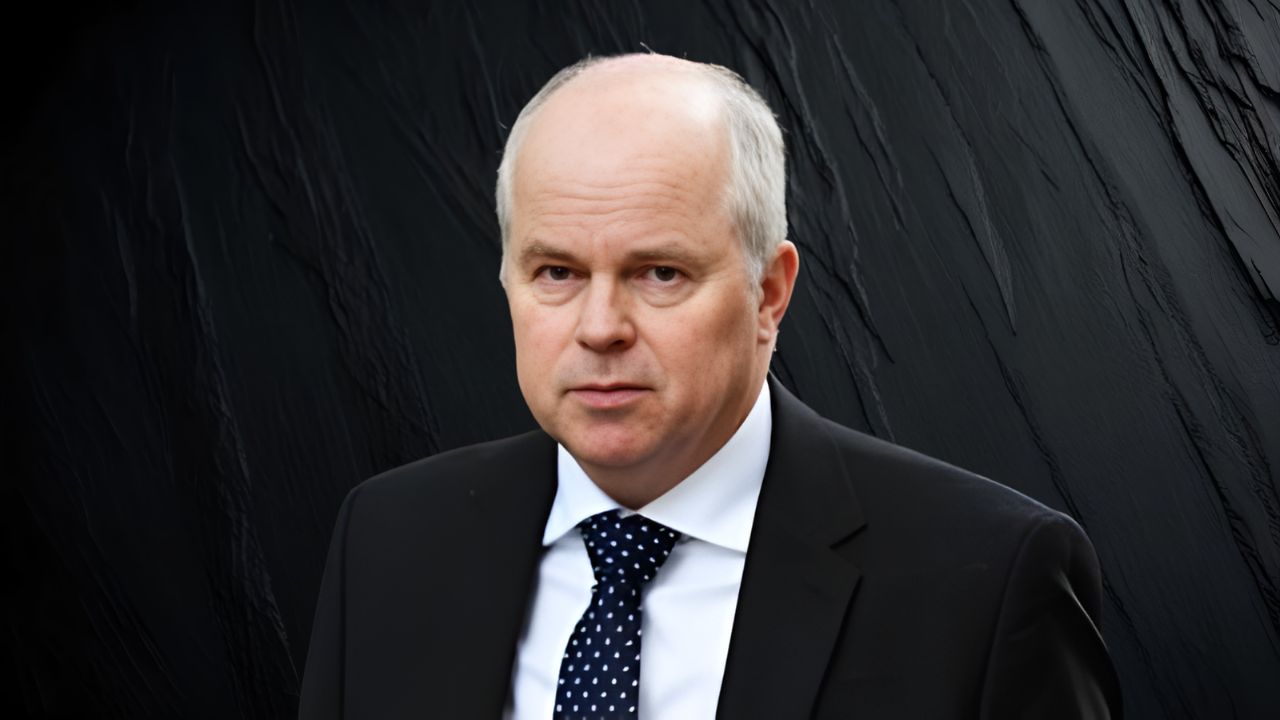
Robbie Gibb (Political Advisor)
Sir Robert Paul Gibb, often known as Robbie Gibb, was born on 29 September 1964 and has spent more than three decades shaping political communication and broadcast journalism in the United Kingdom. From a young age, he showed an interest in public affairs and national politics, a passion that guided his studies at Royal Holloway, University of London and later defined his entire professional journey. Over the years, he became known for his calm style, strong analytical thinking, and deep understanding of the British political landscape.
Gibb first rose to prominence through his long association with the BBC, where he began as a political researcher and gradually took on more senior responsibilities. His work behind major political programmes such as Newsnight, Daily Politics, The Andrew Marr Show, and This Week helped establish him as one of the network’s most trusted editorial voices. Whether working on daily political coverage or managing high-pressure studio environments, he built a reputation for fairness, accuracy, and clear communication.
Before returning to broadcasting, Gibb spent time working directly in politics, serving as Chief of Staff to Conservative MP Francis Maude in the late 1990s. This experience provided him with valuable insight into government operations and political strategy, which later strengthened his work both in journalism and public communication. When he rejoined the BBC, he used this unique blend of political and media understanding to enhance the quality and depth of the corporation’s political reporting.
In 2017, Robbie Gibb entered a new chapter when he was appointed Director of Communications at 10 Downing Street under Prime Minister Theresa May. In this role, he found himself at the centre of some of the most complex political events in recent history, including critical stages of the Brexit process. His responsibilities included shaping government messaging, managing media relations, and helping the Prime Minister communicate clearly during a time of rapidly changing political developments. His service during this period led to him being honoured with a knighthood in 2019.
Following his time in government, Gibb returned to the private sector as a senior adviser at the communications firm Kekst CNC, while also continuing to play an active role in British broadcasting. In 2021, he joined the BBC Board as a non-executive director, contributing his decades of experience to the organisation’s oversight and strategic direction. Today, Sir Robbie Gibb is recognised as a significant figure in modern British media — someone who has moved smoothly between journalism, politics, and strategic communication while maintaining a strong professional presence in each field.
Robbie Gibb (Political Advisor)

| Full Name | Sir Robert Paul “Robbie” Gibb |
| Position | Downing Street Director of Communications |
| In Office | 6 July 2017 – 24 July 2019 |
| Prime Minister | Theresa May |
| Preceded by | Katie Perrior |
| Succeeded by | Lee Cain |
| Date of Birth | 29 September 1964 (age 61) |
| Place of Birth | Northampton, Northamptonshire, England |
| Spouse | Elizabeth Louise Boyd |
| Children | 2 |
| Relatives | Sir Nick Gibb (brother) |
| Nationality | British |
| Education | Royal Holloway, University of London – Economics & Public Administration |
| Occupation | Public relations professional, political advisor, broadcast journalist |
| Political Roles | – Chief of Staff to Conservative MP Francis Maude (1990s) – Director of Communications, 10 Downing Street (2017–2019) |
| Honours | Knighthood in 2019 Resignation Honours |
| Private Sector Roles | Senior Adviser, Kekst CNC (communications consultancy) |
| BBC Board Role | Non-Executive Director (England), appointed 2021 |
| Notable Achievements | Influential in UK political media, recognised for journalism and government communications |
| Current Status | Active in media and communications advisory roles |
Early life and education
Sir Robert Paul “Robbie” Gibb was born on 29 September 1964 in Northampton, Northamptonshire, England, to John and Eileen Gibb. Although born in Northampton, he grew up in the West Yorkshire cities of Leeds and Wakefield, in a family with a strong interest in public service and politics. His younger brother, Sir Nick Gibb, later became a prominent Conservative MP for Bognor Regis and Littlehampton, underscoring the family’s deep political engagement.
Gibb received his early education at Ramsey Abbey School in Cambridgeshire and Harrogate Grammar School in North Yorkshire. He then attended Royal Holloway, University of London, where he studied Economics and Public Administration. During his university years, he developed a keen understanding of politics, governance, and public affairs, which would guide his future career in both journalism and political advisory roles. His education provided him with the analytical and communication skills needed to navigate high-pressure political and media environments.
From an early stage, Gibb combined his academic knowledge with practical curiosity about how government and media intersect—including, in his youth, involvement alongside his brother in activities supporting anti-communist dissidents in the Soviet Union through the National Alliance of Russian Solidarists. This blend of formal education and real-world interest in political processes prepared him for a career that would straddle journalism, political strategy, and public relations. His early life and education played a critical role in shaping the professionalism and insight he would later bring to the BBC and Downing Street.
Career
Sir Robbie Gibb began his professional journey in journalism at the BBC, starting as a political researcher, including work on the television programme On the Record. Over time, he rose through the ranks thanks to his sharp analytical skills and deep understanding of British politics. In 2002, he returned to the BBC as deputy editor of Newsnight, one of the BBC’s flagship political programmes, before serving as its deputy political editor. He later edited other high-profile shows including Daily Politics, The Andrew Marr Show, and This Week, while also overseeing coverage of the UK Budget and editing live political events such as The Great Debate during the 2016 EU referendum campaign. A prominent Brexit supporter, his work behind the scenes ensured accurate, balanced, and insightful political coverage, earning him respect across the media industry. He also served as head of BBC Westminster and editor of live political programmes until 2017.
In the late 1990s until 2000, Gibb stepped briefly into politics, serving as Chief of Staff to Conservative MP Francis Maude, during which he also supported Michael Portillo’s campaign in the 2001 Conservative Party leadership election. This experience gave him direct exposure to government operations and political strategy, which later strengthened his editorial work at the BBC.
From July 2017 to July 2019, Gibb transitioned from journalism to government service when he was appointed Director of Communications at 10 Downing Street under Prime Minister Theresa May. In this role, he managed government messaging during a critical period, including the Brexit negotiations, coordinated media strategies across policy areas such as budget preparations and NHS planning, and helped communicate complex political decisions to the public. His effectiveness in this high-pressure position earned him a knighthood in the 2019 Resignation Honours for political and public service.
After leaving Downing Street, Gibb joined Kekst CNC, a global public relations consultancy, as a senior adviser in 2019, where he leverages his expertise in British politics and communications. He also served as an editorial advisor to GB News ahead of its 2021 launch (until October 2020) and advised the government in 2021 on the publication of the Commission on Race and Ethnic Disparities report. In 2020, he led a consortium to acquire The Jewish Chronicle, serving as a director until August 2024, when ownership was transferred while he retained involvement through a related community interest company.
Gibb maintained his connection with broadcasting, being appointed in May 2021 as a Non-Executive Director (Member for England) on the BBC Board for an initial three-year term, which was extended to run until May 2028. In this role, he contributes to the oversight and strategic direction of the organisation, chairs the England Committee and the Remuneration and People Committee, and upholds the BBC’s independence and public mission.
Throughout his career, Sir Robbie Gibb has been recognised for his ability to navigate both journalism and politics effectively, maintaining professionalism and credibility in roles that demand both discretion and public visibility. However, his positions have faced scrutiny over impartiality, including controversies in 2024–2025 related to his ties to The Jewish Chronicle and influence on BBC editorial decisions, leading to calls from media figures, politicians, and unions for his removal from the BBC Board.
Research and Development Programs
The development of the Changhe Z-10 was anchored in a long-term research and engineering program designed to create China’s first indigenous attack helicopter. The effort, known internally as the WZ-10 program, began in the late 1990s and involved collaboration between the China Helicopter Research and Development Institute (CHRDI) and Changhe Aircraft Industries Corporation (CAIC). It was supported by the Aviation Industry Corporation of China (AVIC), the country’s main state-owned aerospace conglomerate.
A central challenge was China’s limited experience in designing dedicated attack helicopters. To accelerate development, Chinese engineers studied existing foreign models such as the AH-64 Apache and Eurocopter Tiger while tailoring their designs to local operational needs. The design emphasized modularity, survivability, and compatibility with future upgrades in avionics and weapon systems.

During early phases, technical assistance was reportedly acquired from foreign partners on a component level. Russian firms were believed to have consulted on rotor dynamics and flight stability, while South African experts contributed to survivability and systems integration. However, the core architecture, mission systems, and airframe were developed domestically.
Initial prototypes were tested by 2003, with extensive wind tunnel and systems integration trials conducted throughout the mid-2000s. The Z-10 program ran parallel to broader PLA modernization efforts, allowing for continuous refinement based on real-time military feedback.
By the time of its first public appearance in 2012, the Z-10 represented over a decade of targeted research, marked by a progressive transition from conceptual design to combat-ready platform.
Gallery