Table of Contents
Zosia’s (Vampire) History
The remains of a 17th-century woman, dubbed ‘Zosia’, were discovered in 2022 in the Polish village of Pane. Her grave was found to have a sickle around her neck and a lock on her feet, which were believed to have been used to prevent her from returning from the dead, as she was considered a ‘vampire’. Swedish archaeologist Oscar Nelson has been working on the reconstruction of Zosja’s face. He used DNA, 3D printing, and modeling clay to recreate Zosja’s face, in an attempt to restore her human identity.
Analysis showed that Zosja was between 18 and 20 years old at the time of her death and that she likely suffered from a medical or mental condition that led her contemporaries to consider her a ‘vampire’. The silk hat found in his grave, embroidered with gold or silver threads, indicates his high social status. The purpose of the restoration of this face was to present Zozha as a human being, and not as a terrifying creature, in accordance with the superstitions of the period.
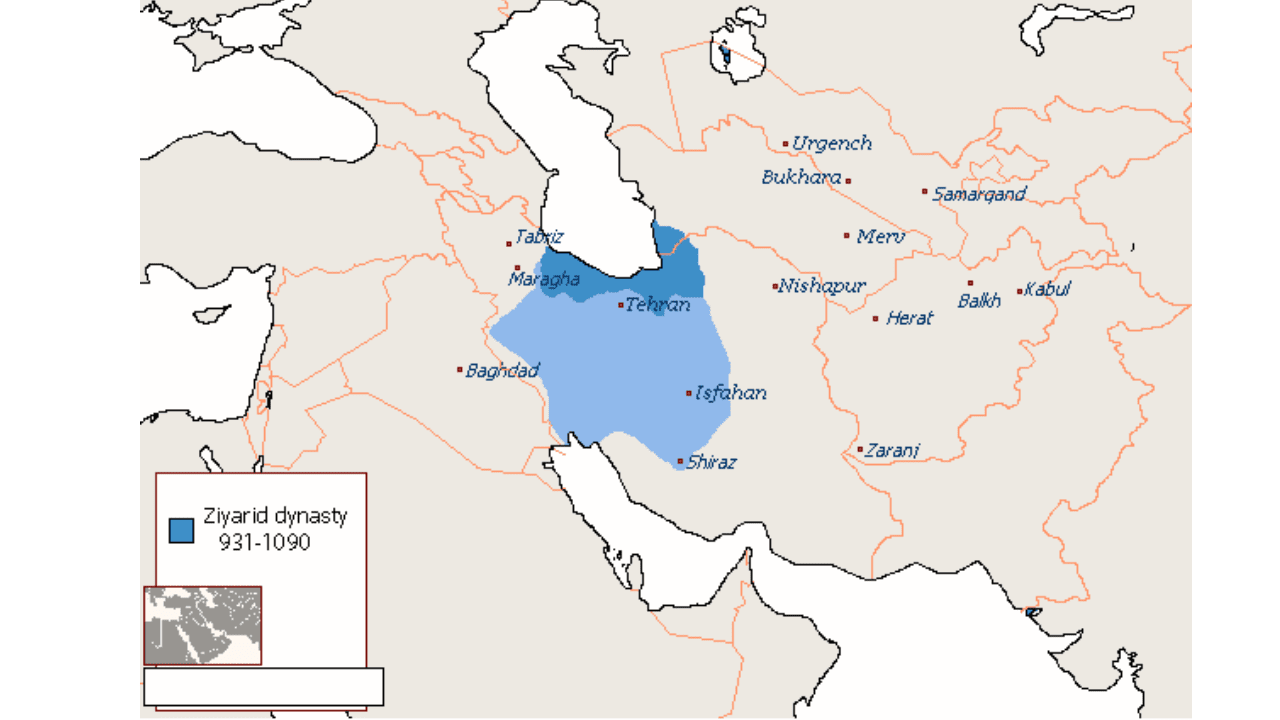
Map of the Ziyarid dynasty

| Zosia’s | |
| Urdu Name | زوسیا کا |
| Name Given by Researchers | Zosia |
| Discovery Location | Pień, Poland |
| Period | 17th Century |
| Age at Death | Estimated to be in her late 20s |
| Current Location of Study | Poland |
History
In 2022, archaeologists in the Polish village of Pane made a startling discovery: the remains of a 17th century woman, known locally as ‘Zosia’s’. The discovery gained international attention when evidence from the grave indicated that the woman was believed to be a ‘vampire’.
Strange details of the grave
Zosia’s remains were buried with a sickle placed under her neck, while a padlock was tied to her feet. This was a symbol of a belief at the time, according to which these measures were taken to ensure that the deceased could not leave their grave. This reflects the superstitions of the time when people believed that under certain circumstances, the dead could return as vampires.
Swedish archaeologist Oscar Nilsson recreated Zosia’s face. The process was completed with the help of DNA analysis, 3D printing and modeling clay. Experts meticulously recreated Zosia’s facial features to see how she looked in life. The restoration is not only a scientific feat, but also an attempt to connect a historical figure with humanity.
Zosia’s life clues
Research has shown that Zosia’s age was approximately 18 to 20 years at the time of death. The silk hat found on her head, which was woven with gold and silver threads, indicates her high social status. In addition, experts believe that Zosia’s suffered from a medical or mental illness, which made people of that time consider her ‘dangerous’ or ‘abnormal’.
History and Humanity Blend
Zosia’s story reminds us of how human beliefs and fears have led to extraordinary events in the past. Modern scientific research has presented this ‘vampire’ as a human being, with his own story, his own struggles and his own identity. Zosia’s grave and her reconstructed face have become an important symbol for history, archaeology and human understanding today. It gives us the opportunity to unravel the tangled knots of the past and see the people of the past in their true colors.
The discovery of Zosia and the restoration of her face are not only a scientific achievement, but also a beautiful example of humanity and history. This story teaches us how important it is to understand the past and learn from it. Zoza is still a question mark for us today: have we learned anything from the fears and beliefs of the past?
Summary
Zosia’s discovery and restoration of her face provide us with an opportunity to understand the superstitions, social beliefs, and complex aspects of human history. The burial of a young woman in the 17th century as a ‘vampire’ reflects the societal fears and paranormal beliefs of the time. Oscar Nelson’s restoration of Zosia’s face using modern scientific techniques not only helped solve a historical mystery, but also brought Zosia back to life with respect for humanity. This breakthrough is proof that science and technology can play a significant role in giving identity to forgotten people from the past and giving new life to their stories.
Movies
| Aspect | Details |
|---|---|
| Name Given by Researchers | Zosia |
| Discovery Location | Pień, Poland |
| Time Period | 17th Century |
| Cause of Fame | Burial with anti-vampire rituals (sickle across the neck, padlock on toe) |
| Archaeological Discovery | Found in 2022 by a team of Polish archaeologists |
| Purpose of Ritual Burial | Prevent the deceased from returning as a vampire |
| Significance of Sickle | Designed to sever the head if the body attempted to rise |
| Padlock on Toe Meaning | Symbolized permanent death and restriction |
| Age at Death | Estimated to be in her late 20s |
| Health Analysis | Signs of malnutrition and illness detected in skeletal remains |
| Facial Reconstruction Expert | Oscar Nilsson |
| Reconstruction Method | Advanced 3D facial reconstruction techniques using the skull |
| Appearance Details (After Reconstruction) | Soft features, slight asymmetry, youthful face |
| Historical Context | Fear of vampires was prevalent in 17th-century Europe due to plagues and unexplained deaths |
| Significance of Discovery | Insight into historical burial rituals and cultural superstitions |
| Current Location of Study | Poland |
| Cultural Impact | Highlights historical fear of the supernatural and advances in archaeological technology |