Table of Contents
Boris Johnson (British Politician)
Alexander Boris de Pfeffel Johnson, born on 19 June 1964 in New York City, is one of the most recognizable and controversial figures in modern British politics. A British politician, writer, and former journalist, he served as Prime Minister of the United Kingdom and Leader of the Conservative Party from 2019 to 2022. Before becoming PM, he held several high-profile positions, including Foreign Secretary (2016–2018), Mayor of London (2008–2016), and Member of Parliament for Henley (2001–2008) and Uxbridge and South Ruislip (2015–2023).
From an early age, Boris showed ambition and charm. He attended Eton College, one of Britain’s most prestigious schools, and went on to study classics at Balliol College, Oxford, where he became president of the Oxford Union in 1986. His early career in journalism began in 1989 with The Daily Telegraph, and he later became editor of The Spectator (1999–2005). These years shaped his public image as a witty, confident, and often controversial communicator.
Boris Johnson’s political career took off when he became Mayor of London in 2008. During his two terms, he focused on transport, infrastructure, and the city’s global profile. He returned to Parliament in 2015 and quickly became a leading figure in the Brexit campaign, helping the UK decide to leave the European Union. After the referendum, he was appointed Foreign Secretary under Prime Minister Theresa May, a position he later resigned from in 2018 over disagreements about Brexit negotiations.
As Prime Minister, Boris faced some of the most challenging moments in recent British history. He finalized the UK’s departure from the EU, called a snap general election in 2019, and won a landslide victory. His government also navigated the COVID-19 pandemic, introducing emergency measures and launching one of the world’s fastest vaccination programs. Internationally, he supported Ukraine following the Russian invasion, imposing sanctions and providing aid. Despite these achievements, his tenure was marked by controversies, including the Partygate scandal, which affected his reputation and led to widespread criticism.
Boris Johnson remains a polarizing figure, admired for his humor, charisma, and decisive actions, yet criticized for elitism, political scandals, and controversial decisions. His journey—from a journalist with bold ideas to London’s mayor and ultimately the UK’s Prime Minister—reflects a life full of ambition, influence, and headline-making moments that continue to shape British politics today.
Boris Johnson (British Politician)
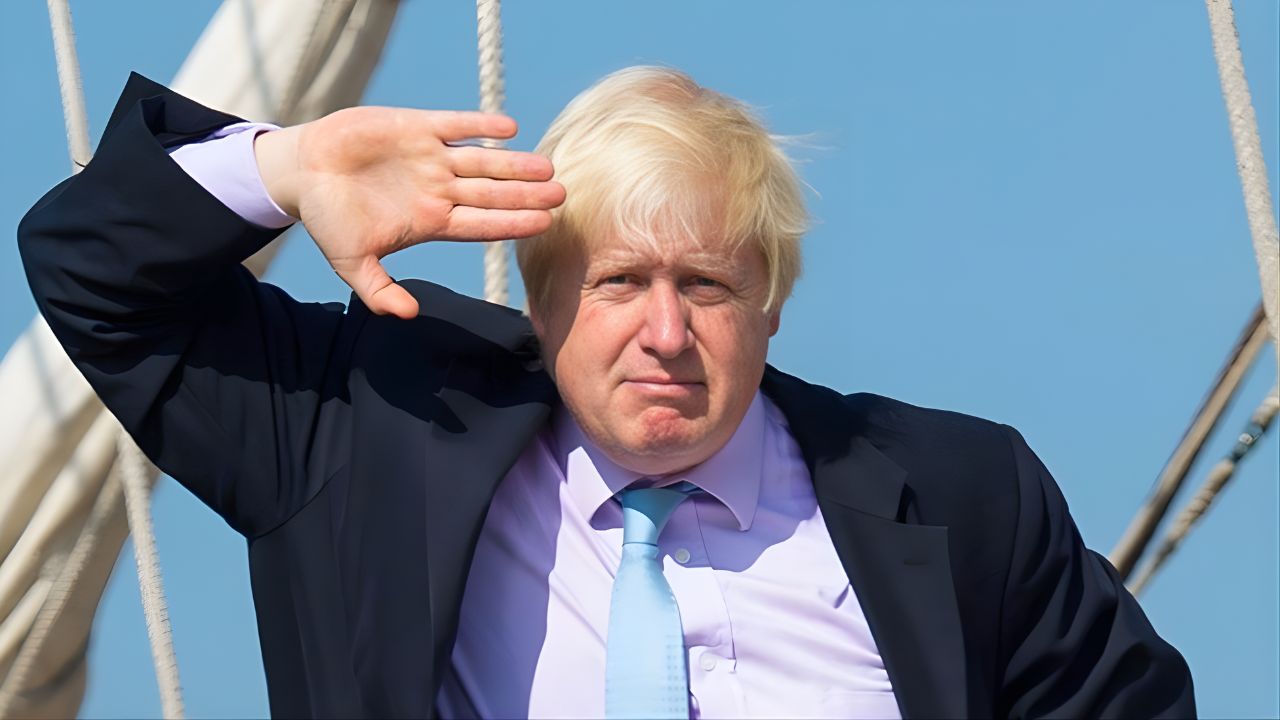
| Full Name | Alexander Boris de Pfeffel Johnson |
| Position | Former Prime Minister of the United Kingdom |
| In Office | 24 July 2019 – 6 September 2022 |
| Political Party | Conservative Party |
| Preceded by | Theresa May |
| Succeeded by | Liz Truss |
| Date of Birth | 19 June 1964 (age 61) |
| Place of Birth | New York City, United States |
| Education | Eton College; Balliol College, Oxford (Classics) |
| Career | Journalist, Editor of The Spectator, MP, Mayor of London, Foreign Secretary, Prime Minister |
| Member of Parliament | Henley (2001–2008); Uxbridge & South Ruislip (2015–2023) |
| Mayor of London | 2008–2016 |
| Foreign Secretary | 2016–2018 |
| Key Achievements | Brexit implementation, COVID-19 vaccination program, London infrastructure improvements, support to Ukraine |
| Controversies | Partygate scandal, multiple political criticisms and resignations within government |
| Nationality | British |
| Occupation | Politician, Writer, Journalist |
| Notable Traits | Witty, charismatic, controversial, influential in UK politics |
| Current Status | Former MP and Prime Minister, public figure |
Early life and education
Alexander Boris de Pfeffel Johnson was born on 19 June 1964 in New York City, United States, to Stanley Johnson and Charlotte Johnson. Although born in the U.S., he was raised mainly in the United Kingdom, growing up in a family that combined political influence with international connections. His father, Stanley, is a former politician and writer, while his mother, Charlotte, comes from a well-known British family.
From a young age, Boris showed intelligence, curiosity, and a flair for leadership. He attended several prestigious schools, beginning with preparatory education before moving on to Eton College, one of Britain’s most elite boarding schools. At Eton, he became known for his wit, outgoing personality, and participation in debates, laying the foundation for his future career in public life.
After completing his schooling at Eton, Johnson studied classics at Balliol College, Oxford, one of the oldest and most respected colleges at Oxford University. His time at Oxford was marked by active engagement in student politics; in 1986, he was elected president of the Oxford Union, a prestigious debating society. This role showcased his leadership abilities and gave him early exposure to public speaking and political strategy.
Boris Johnson’s early life and education not only shaped his intellect and character but also set the stage for a career that would span journalism, politics, and national leadership. His upbringing combined privilege with ambition, giving him the tools to navigate both elite institutions and public life effectively.
Career
Boris Johnson began his professional journey in journalism, using his wit and communication skills to build a public profile. In 1989, he joined The Daily Telegraph as a reporter, eventually becoming a columnist known for his bold opinions and distinctive style. From 1999 to 2005, he served as editor of The Spectator, one of Britain’s leading political magazines. This period helped him gain recognition as a sharp, influential voice in public debate.
Johnson entered politics in 2001 when he was elected Member of Parliament (MP) for Henley. He quickly made his mark as a prominent Conservative politician, gaining attention for both his humor and his ambitious approach to public service. However, early controversies, such as allegations regarding an extramarital affair, temporarily affected his political trajectory.
In 2008, Boris was elected Mayor of London, a role he held until 2016. As mayor, he focused on improving transport infrastructure, modernizing city services, and enhancing London’s global reputation. His tenure also included overseeing the 2012 London Olympics, a key moment that cemented his profile as a capable and charismatic leader.
After leaving the mayoralty, Johnson returned to Parliament in 2015 as the MP for Uxbridge and South Ruislip. He became a leading figure in the Brexit campaign, advocating strongly for the UK’s departure from the European Union. Following the referendum, he was appointed Foreign Secretary under Prime Minister Theresa May, a position he held until 2018, resigning over disagreements about the government’s Brexit strategy.
Boris Johnson’s career demonstrates a blend of journalistic skill, political ambition, and public leadership. From shaping public opinion through the press to steering national policy as Prime Minister, his journey reflects both achievements and controversies that continue to influence British politics.
Prime Ministership and Key Achievements
Boris Johnson became Prime Minister of the United Kingdom and Leader of the Conservative Party on 24 July 2019, succeeding Theresa May. His rise to the country’s top political position came at a crucial time, with Brexit negotiations dominating the national agenda. One of his most notable achievements was finalizing the UK’s exit from the European Union on 31 January 2020, fulfilling a central promise of his political campaign.
During his premiership, Boris also faced the unprecedented COVID-19 pandemic. His government introduced nationwide lockdowns, emergency measures, and a rapid vaccination program, which became one of the fastest in the world. These efforts aimed to protect public health while stabilizing the economy and maintaining public services.
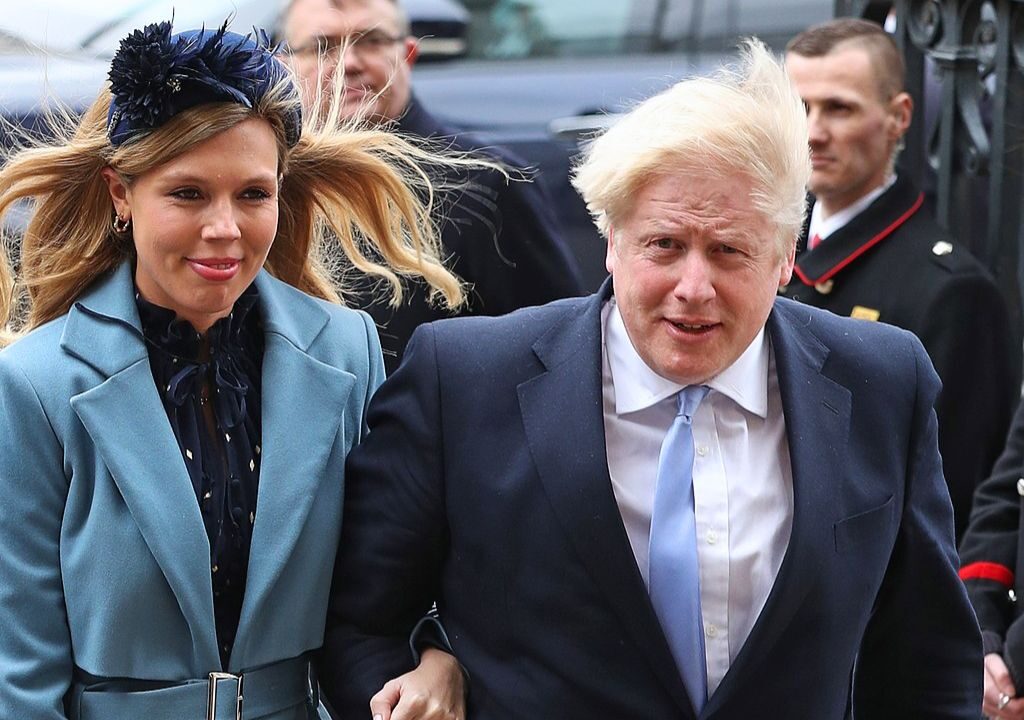
On the international front, Johnson took decisive steps in response to the Russian invasion of Ukraine in 2022. His government imposed sanctions on Russia, provided humanitarian aid, and approved military support for Ukraine, strengthening the UK’s position on the global stage.
However, his tenure was not without controversy. The Partygate scandal revealed parties held at 10 Downing Street during national COVID-19 restrictions, resulting in criticism and fines, including for Johnson himself. Political pressure and internal party disagreements eventually led to his resignation in July 2022, though he remained in Parliament until June 2023.
Despite controversies, Boris Johnson’s premiership is remembered for its decisive leadership on Brexit, pandemic response, and international diplomacy. His time as Prime Minister combined policy achievements with headline-making events, leaving a lasting impact on British politics.
Controversies and Criticisms
Boris Johnson has long been a polarizing figure in British politics, admired by supporters for his humor and charisma but frequently criticized for his conduct and decisions. One of the most prominent controversies during his time as Prime Minister was the Partygate scandal, which revealed that parties and gatherings took place at 10 Downing Street during COVID-19 lockdowns. Johnson and several officials were fined, creating a significant backlash and raising questions about adherence to public rules.
His leadership style and public statements have also drawn criticism. Opponents have accused him of elitism, cronyism, and occasional dishonesty, particularly regarding political promises and claims made in Parliament. These controversies contributed to a perception among critics that his premiership was one of the most scandal-prone in recent British history.
Johnson faced further criticism over the handling of Brexit negotiations, especially in the early stages, and for decisions made in domestic and international policy that some viewed as rushed or poorly communicated. Additionally, revelations regarding appointments within his party, such as the Chris Pincher affair, triggered resignations among government ministers and intensified scrutiny of his judgment.
Despite these controversies, many supporters continue to praise Boris for his achievements, including getting Brexit done, implementing a fast COVID-19 vaccination program, and responding decisively to international crises like the Russian invasion of Ukraine. His legacy remains a mix of policy accomplishments and political disputes, reflecting both the successes and challenges of his career.
Legacy and Public Perception
Boris Johnson’s political career leaves a complex and debated legacy. Supporters admire him for his charisma, humor, and bold decision-making, seeing him as a leader who delivered key promises, such as Brexit, while also overseeing one of the world’s fastest COVID-19 vaccination programs. His approach to foreign policy, including strong support for Ukraine during the Russian invasion, also earned praise on the international stage.
At the same time, critics argue that his tenure was marked by controversies, scandals, and questionable judgment. Incidents like the Partygate scandal and controversial political appointments have cast a shadow over his achievements, contributing to a perception that his leadership style was sometimes reckless or opportunistic.
Despite the mixed views, Boris Johnson remains a recognizable and influential figure in British politics. His journey from journalist to London mayor to Prime Minister illustrates his ability to capture public attention and navigate high-stakes political challenges.
Ultimately, his legacy reflects a blend of ambition, accomplishment, and controversy. For historians, political analysts, and the general public, Boris Johnson is remembered as a leader who left a significant imprint on modern British history, both through his policy achievements and headline-making moments.
Personal Life
Boris Johnson has had a colorful and widely discussed personal life, which has often attracted public and media attention. He has been married twice and has several children from different relationships. His family background is notable: he is the son of Stanley Johnson, a former Conservative Member of the European Parliament and writer, and Charlotte Johnson Wahl, a painter from a prominent British family.
Boris is known for his distinctive personality and public image, combining humor, charisma, and sometimes controversy. Outside of politics, he has written books, contributed to journalism, and appeared in public debates, showcasing his literary and communication skills. His personal interests include history, literature, and sports, particularly cycling and rowing, which reflect his energetic and dynamic lifestyle.
His personal life has sometimes intersected with his public role. Relationships, family matters, and high-profile social events have frequently been covered by media outlets, adding to both his popularity and controversies. Nevertheless, Johnson’s personal background and family connections have influenced his worldview and political approach, shaping him into a figure recognized for both leadership and individuality.
Religion
Boris Johnson was baptized and raised in the Church of England, reflecting his family’s Anglican heritage. While he identifies culturally with Anglicanism, his public statements and lifestyle suggest a more liberal and pragmatic approach to religion rather than strict observance. His education at Eton and Oxford exposed him to classical studies and ethical debates, influencing his worldview and moral reasoning.

Relationships and Children
Boris Johnson has had a high-profile personal life, with multiple relationships and children. He was first married to Allegra Mostyn-Owen (married 1987–1993) and later to Marina Wheeler (married 1993–2020), with whom he has four children. In addition, he has other children from different relationships, reflecting a modern and sometimes controversial family dynamic. His personal life has often attracted media attention, but he continues to balance family responsibilities alongside his public career.
Family and Ancestors
Boris comes from a politically and culturally prominent family. His father, Stanley Johnson, was a Conservative MEP and author, while his mother, Charlotte Johnson Wahl, was a painter from a well-known British family. His paternal ancestors include connections to European nobility, with ties to Germany and Turkey, giving Boris a cosmopolitan heritage. This family background has influenced his education, career ambitions, and understanding of international affairs, contributing to his public persona as a globally aware and well-connected leader.
Gallery