Table of Contents
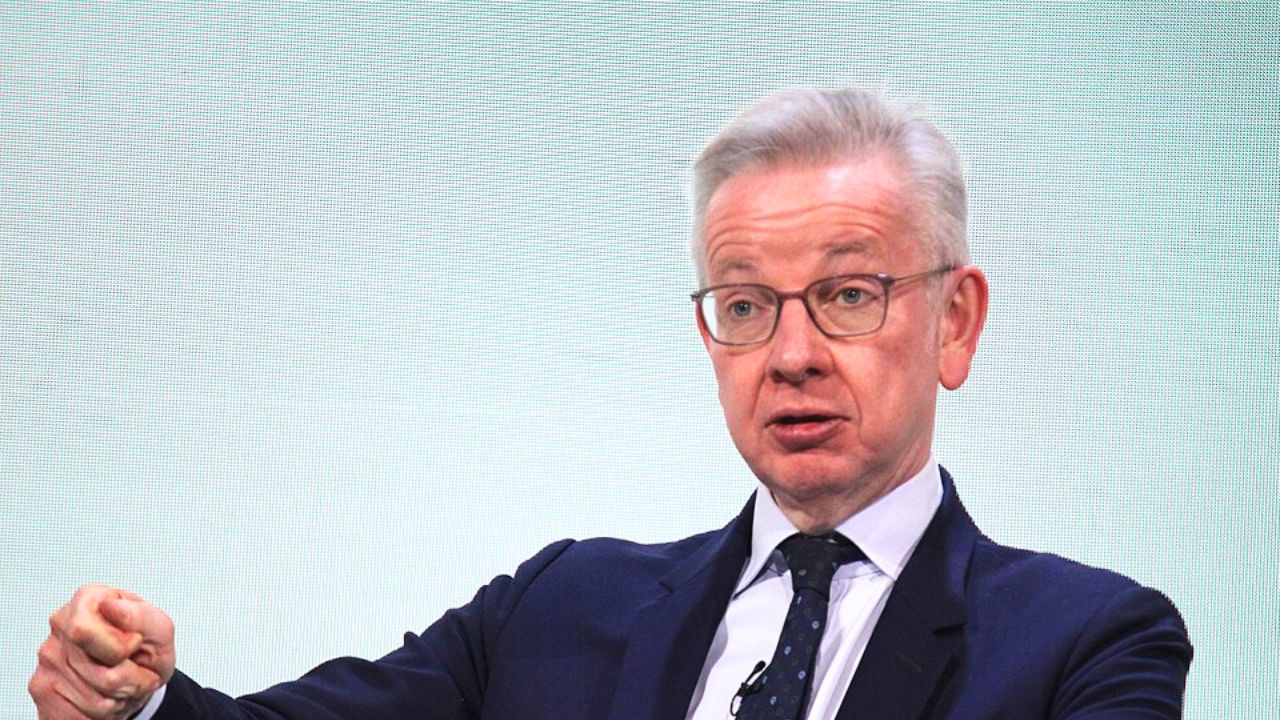
Michael Gove (British Politician)
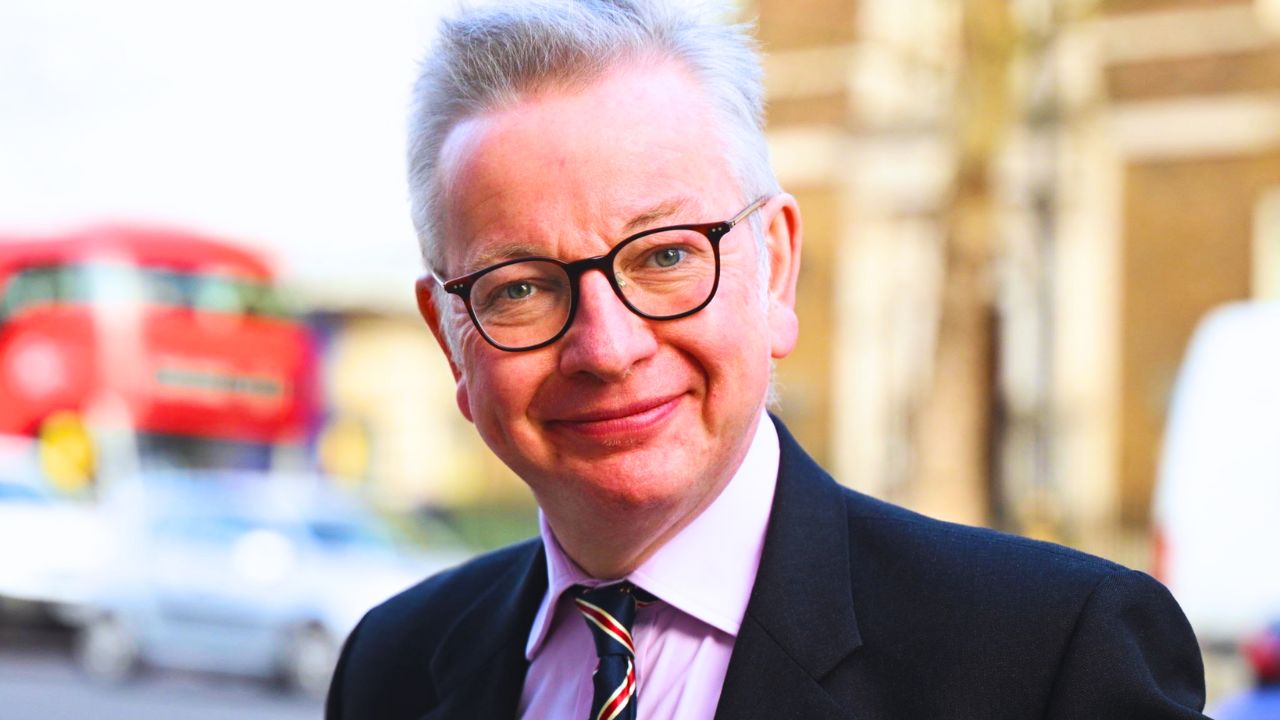
Michael Andrew Gove, Baron Gove, born on 26 August 1967 in Aberdeen, Scotland, is a British politician, journalist, and influential public figure whose career has spanned journalism, parliamentary politics, and senior Cabinet roles. Adopted as an infant, he grew up in the Kittybrewster area of Aberdeen and attended the independent Robert Gordon’s College before studying English at Lady Margaret Hall, Oxford. His early life shaped a determination and resilience that would define his political journey.
Before entering politics, Gove built a career in journalism, working for The Press and Journal in Scotland and later as a long-serving leader writer at The Times in London. This experience gave him a deep understanding of public debate and communication, skills that would prove crucial in his later political career.
In 2005, he was elected as Member of Parliament for Surrey Heath, beginning a nearly two-decade-long parliamentary career. He quickly rose to prominence, serving as Secretary of State for Education in 2010, where he implemented major reforms in schools, exam systems, and curriculum policies. Despite controversy and opposition from teachers’ unions, his reforms left a lasting impact on the UK education system.
Gove’s political influence expanded through various senior roles, including Secretary of State for Justice, Environment Secretary, and Chancellor of the Duchy of Lancaster, where he managed key responsibilities such as Brexit preparations and coordinating the government’s response to the COVID-19 pandemic. He played a central role in the 2016 EU membership referendum and made two bids for the Conservative Party leadership, reflecting his position as a major figure in UK politics.
In 2024, Gove announced he would not stand as MP in the next general election. He was subsequently made a life peer in the House of Lords in November 2024 (Baron Gove). Alongside his political achievements, he became the Chairman of The Spectator in 2024. Michael Gove’s career combines journalism, bold policymaking, and strategic leadership, making him a significant and sometimes controversial voice in modern British politics.
Michael Gove (British Politician)
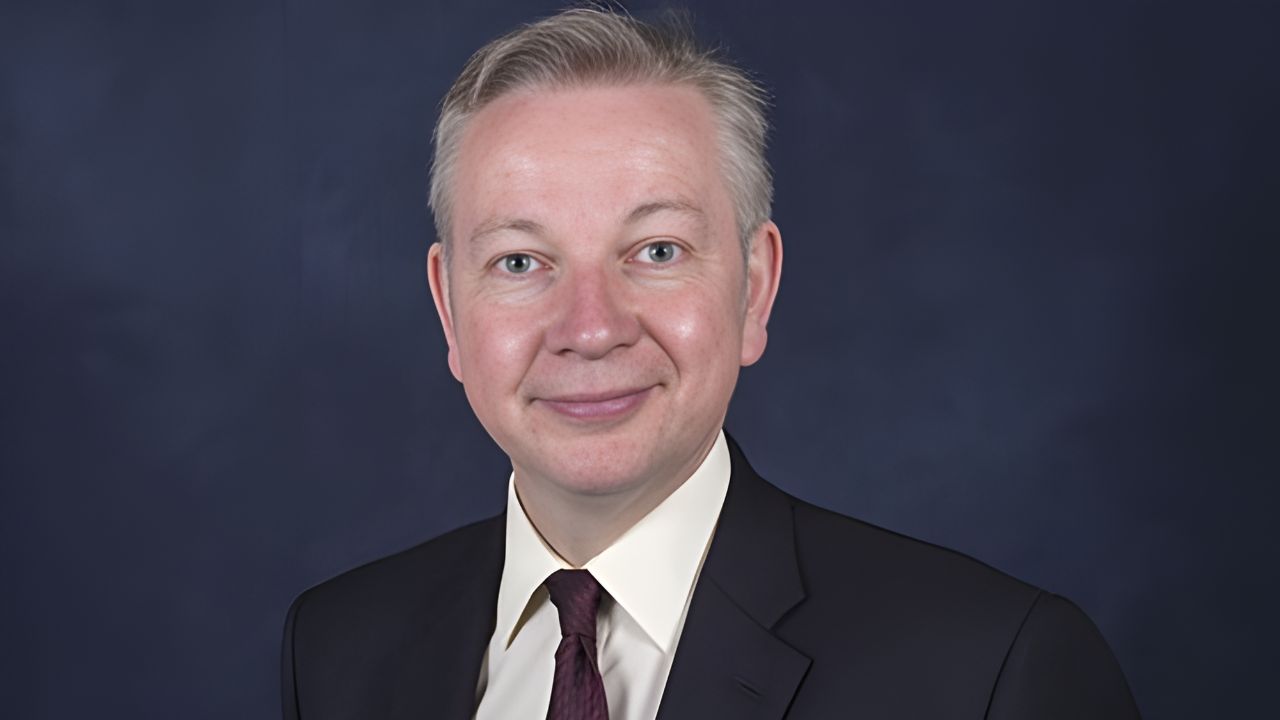
| Full Name | Michael Andrew Gove, Baron Gove |
| Birth Name | Graeme Andrew Logan |
| Date of Birth | 26 August 1967 |
| Place of Birth | Aberdeen, Scotland, United Kingdom |
| Nationality | British |
| Profession | Politician, Journalist, Writer |
| Political Party | Conservative Party |
| Education | Robert Gordon’s College, Aberdeen; Lady Margaret Hall, Oxford — B.A. in English |
| Career Start | Reporter, The Press and Journal, Aberdeen |
| Current Role | Life Peer, House of Lords (Baron Gove, of Torry in the City of Aberdeen); Editor of The Spectator (2024–present) |
| Former MP | Surrey Heath (2005–2024) |
| Notable Roles | Secretary of State for Education (2010–2014); Justice Secretary (2015–2016); Environment Secretary (2017–2019); Chancellor of the Duchy of Lancaster (2019–2021); Secretary of State for Levelling Up, Housing and Communities (2021–2024); Co-Convener, Vote Leave Campaign (2016) |
| Wife | Sarah Vine (journalist; married October 2001, separated 2021) |
| Children | Two (son and daughter) |
| Estimated Net Worth | Not officially confirmed |
| Honours | Life Peerage — Baron Gove, of Torry in the City of Aberdeen (2025) |
| Residence | London, United Kingdom |
Early life and education
Michael Andrew Gove, originally named Graeme Andrew Logan, was born on 26 August 1967 in Aberdeen, Scotland. He spent the first months of his life in care before being adopted at the age of four months. After his adoption, he grew up in the Kittybrewster area of Aberdeen, where he was raised in a supportive and academically focused environment. His early years played a major role in shaping his confidence, curiosity, and interest in public affairs.
Gove attended the independent Robert Gordon’s College, where he developed a strong passion for literature, debating, and public speaking. Known for being hardworking and articulate, he actively took part in school activities that strengthened his leadership skills. His academic abilities earned him a place at Lady Margaret Hall, Oxford, where he studied English.
During his time at Oxford, Gove became deeply involved in writing, journalism, and student politics. He contributed to student publications and built a reputation as an intelligent and persuasive communicator—skills that later became central to his career in both journalism and politics.
Career
Michael Gove began his professional career in journalism, a foundation that would shape his entire public life. After graduating from Oxford, he worked as a reporter for The Press and Journal, a major Scottish newspaper based in Aberdeen. He later gained experience in television journalism across Scottish and UK regional programmes before relocating to London. In 1996, Michael Gove joined The Times as a leader-writer and columnist, steadily rising to become part of its senior editorial team. His years in journalism gave him a sharp public voice and a deep understanding of how to communicate complex political ideas — skills that proved essential when he later entered politics.
In 2005, Gove made the jump from journalism to politics when he was elected as MP for Surrey Heath. He quickly rose within his party — from a backbencher to serving in the party’s Shadow Cabinet between 2007 and 2010. As Shadow Secretary for Children, Schools and Families, he began shaping his ideas about education reform. When the coalition government formed in 2010, Gove was appointed Secretary of State for Education. In this role (2010–2014), he pushed through major school reforms: expanding “academy” schools, reshaping curricula and exam structures, and introducing early reading assessments for children. These measures stirred big changes in the British education system, though they also sparked heated debate and strong opposition from teachers’ unions and critics.
After 2014, Gove’s career took him through various senior government roles: he became Government Chief Whip (2014–2015), then Lord Chancellor and Secretary of State for Justice (2015–2016). Later, under different administrations, he served as Environment Secretary (2017–2019), Chancellor of the Duchy of Lancaster (2019–2021), and eventually Secretary for Department for Levelling Up, Housing and Communities (2021–2024).
Throughout his political journey, Gove played a central role in many of the UK’s key debates — from education and justice to environment, housing, and national governance. His transition from journalist to long-serving politician showcases how he leveraged his writing and communication background into a broad, influential public-service career.
Major Policies and Impact
Throughout his political career, Michael Gove has been known for introducing bold and often controversial reforms that left a lasting mark on the UK’s education system, justice sector, environmental policies, and government operations. His decisions have shaped national debates and influenced the direction of several governments.
As Secretary of State for Education, Gove introduced some of the most significant school reforms in modern British history. He expanded academy and free schools, redesigned GCSE and A-Level exams to focus more on final assessments, and updated the national curriculum. He also introduced the phonics reading test for young students. While these reforms aimed to raise standards, they also faced criticism from teachers’ unions, who argued that the pace of change was too fast and disruptive.
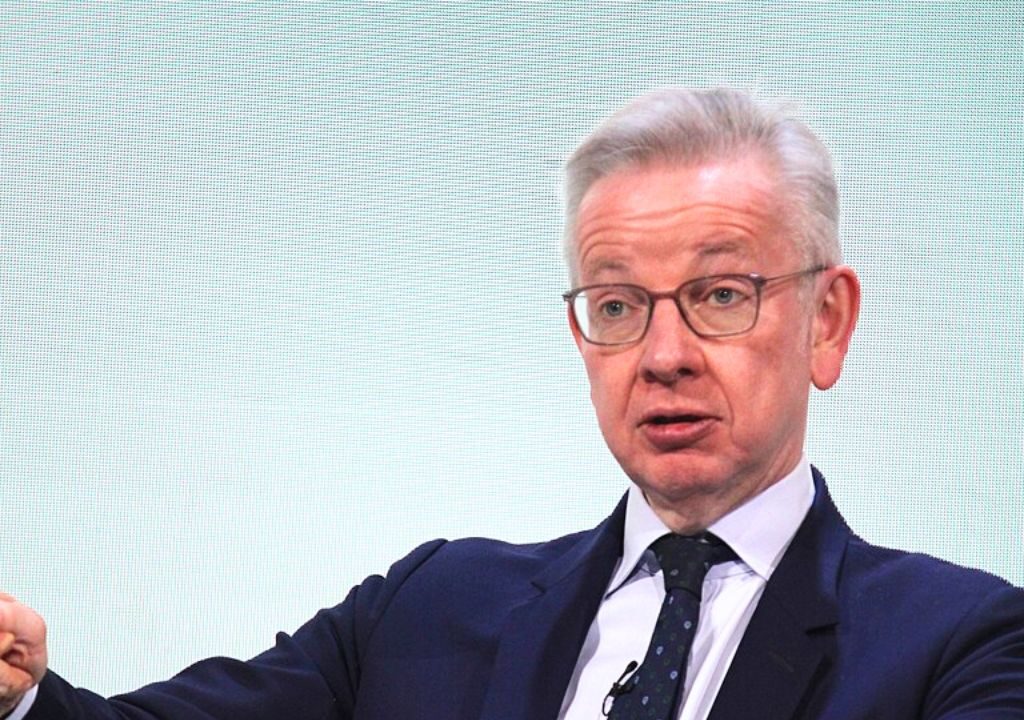
During his time as Justice Secretary (2015–2016), Gove pushed for changes that focused on rehabilitation and reducing reoffending. He supported reforms in prison management, promoted education within prisons, and reversed several unpopular policies introduced by his predecessor. His approach earned praise from reform groups, though he left the role before many of the changes were fully implemented.
As Environment Secretary, Gove led policies focused on environmental protection, animal welfare, and sustainability. His work included measures to reduce plastic waste, strengthen environmental standards after Brexit, and improve animal welfare laws. These policies were widely welcomed by environmental organizations.
In his role as Chancellor of the Duchy of Lancaster and later as the minister responsible for no-deal Brexit preparations, Gove coordinated strategic planning across government departments. He became one of the central figures shaping the UK’s post-Brexit regulatory direction. He also played a key part in coordinating elements of the COVID-19 response, especially behind-the-scenes planning and interdepartmental coordination.
As Secretary of State for Levelling Up, Housing and Communities, Gove focused on improving housing standards, reforming building safety after the Grenfell Tower tragedy, and working on long-term plans to reduce regional inequality across the UK. His efforts especially targeted unsafe cladding removal and holding developers accountable.
Overall, Michael Gove’s policies reflect a pattern of ambitious reform, strong personal convictions, and a willingness to take on challenging institutional changes. Whether praised or criticized, his impact on British public policy has been deep and long-lasting.
Political Influence & Leadership Roles
Michael Gove has been one of the most influential figures in modern British politics, known for his strategic thinking, communication skills, and willingness to challenge established views within his own party. After entering Parliament in 2005, he quickly became a leading Conservative voice, moving from the backbenches into major Cabinet positions under several prime ministers, including David Cameron, Theresa May, Boris Johnson, and Rishi Sunak.
Gove’s influence grew significantly during the 2016 EU membership referendum, where he served as a co-convener of the Vote Leave campaign. His role placed him at the centre of one of the most important political events in recent UK history, shaping national debate and strengthening his standing within the Conservative Party. Following the referendum, he became a key architect of Brexit preparations, especially when appointed Chancellor of the Duchy of Lancaster, a role that put him in charge of high-level planning and cross-government coordination.
He also held several senior leadership roles, including Secretary of State for Education, Justice Secretary, Environment Secretary, and later Secretary of State for Levelling Up, Housing and Communities. In each position, Gove was known for pushing ambitious reforms, often reshaping entire departments and influencing long-term national policies.
Gove twice stood for the Conservative Party leadership, first in 2016 and again in 2019. Although he did not win either contest, his presence in these races highlighted his status as a political heavyweight. His leadership bids also demonstrated the trust placed in him by significant parts of the party, especially those who supported Brexit and institutional reform.
In 2024, Gove stepped down as an MP, but his political influence continued. He entered the House of Lords as Baron Gove in 2025, ensuring he remained a key voice in British public life. Combined with his appointment as editor of The Spectator, he continues to shape political debate both inside Parliament and through the media.
Controversies & Legacy
Michael Gove’s long political journey has not been without criticism, and several of his decisions have sparked national debate. One of the most notable controversies came during his time as Education Secretary, when his rapid school reforms — including changes to exams and the expansion of academies — faced strong pushback from teachers’ unions and education experts. Critics claimed the reforms were rushed, while supporters argued they were necessary to raise standards. His role in the 2016 Brexit campaign also caused significant political tension, especially after he withdrew support for Boris Johnson’s leadership bid, which led to accusations of disloyalty within the Conservative Party.
Despite these controversies, Gove has left a lasting mark on modern British politics. His reputation as a bold reformer, unafraid of taking difficult decisions, has shaped how he is viewed by both colleagues and the public. Over the years, he has influenced major policy areas — education, justice, the environment, and levelling up — each time leaving a distinct footprint. While opinions about him remain divided, few deny that his ideas and reforms have played a significant role in reshaping key institutions across the UK. Gove’s legacy is one of ambition, resilience, and continuous political relevance, making him a central figure in contemporary British government.
Personal Life
Michael Gove’s personal life reflects a blend of long-term relationships, family commitments, and the quieter routines behind his busy public career. Before his marriage, Gove was known to have been in relationships with political adviser Simone Finn and historian Amanda Foreman, both of whom were part of his early social and professional circle. His most public relationship began in 1998 when he met journalist Sarah Vine during their time at The Times. Their connection developed quickly, and the couple married in October 2001, later welcoming two children.
Although Gove and Vine announced their separation in 2021, they continued to maintain a cooperative approach to co-parenting. By early 2022, a decree nisi had been issued, but as of 2025 the divorce remained incomplete due to administrative delays rather than personal disagreements.
Over the years, Gove has lived in several well-known areas of London, including West Kensington, Notting Hill, North Kensington, and Mayfair. His housing arrangements have occasionally drawn media attention — particularly when Liz Truss allowed him to stay in her grace-and-favour flat at 1 Carlton Gardens after his appointment as Secretary of State for Levelling Up in 2021. Even after he became Foreign Secretary, David Cameron permitted him to continue living there.
Gove’s upbringing in Aberdeen included his baptism in the Church of Scotland, a detail he has occasionally referenced when discussing his early values. In 2023, he experienced a personal loss when his adoptive father, Ernest Gove, passed away — a moment that he has acknowledged as deeply meaningful given the strong influence his parents had on his early life.
Religion
Michael Gove was baptised in the Church of Scotland, a tradition rooted in his early upbringing in Aberdeen. Although he has not been publicly outspoken about his personal religious practices, his early connection to the church reflects the influence of Scottish cultural and spiritual traditions on his formative years. Gove occasionally references these values when speaking about community, responsibility, and public service, but he generally keeps his personal faith separate from his political work.
Relationships and Children
Before his marriage, Gove had notable relationships with political adviser Simone Finn and historian Amanda Foreman, both of whom were part of his professional and social circle during his early career in London.
Michael Gove’s wife, Sarah Vine, is a prominent British journalist and columnist best known for her long-running work at the Daily Mail. The two first met in 1998 while working together at The Times, where Gove was a senior leader-writer and Vine was building her own reputation as a journalist. Their professional relationship quickly became personal, and the couple married in October 2001. Together they have two children — a son and a daughter — and for over two decades maintained one of Westminster’s most recognisable dual-career households, with Gove serving as a senior Cabinet minister and Vine as one of Britain’s most widely-read newspaper columnists.
In 2021, Michael Gove and Sarah Vine announced their separation in a joint statement, describing the decision as mutual and emphasising their shared commitment to their children’s well-being. A decree nisi was formally issued in early 2022, though the full legal finalisation of the divorce continued into 2025 due to procedural rather than personal reasons. Despite their split, both have maintained a respectful co-parenting relationship. Sarah Vine has since written openly about the experience in her column, bringing additional public attention to the end of one of Westminster’s most recognised couples.
Family and Ancestors
Michael Gove’s family story begins with his early months spent in care before being adopted as a baby. He was taken in by Ernest and Christine Gove, a couple from Aberdeen who provided the foundation for his education and personal values. His adoptive father, Ernest Gove—who passed away in 2023—worked in the local fish-processing industry, while his mother was active in community life.
Although Gove’s biological ancestry is not widely documented, his adoptive family played a central role in shaping his upbringing. Their support guided him through school, university, and later into journalism and politics. Gove has often spoken warmly about the impact of his adoptive parents, acknowledging them as the key influence behind his personal discipline and academic ambition.
Honours
In recognition of his long and influential career in British politics, Michael Andrew Gove was awarded a life peerage in 2025, becoming Baron Gove, of Torry in the City of Aberdeen — a title that reflects his deep roots in the city where he was raised. This honour acknowledges his decades of public service, spanning roles as a Member of Parliament, multiple Cabinet minister positions, and significant contributions to education, justice, housing, and environmental policy.
As of 2026, Michael Gove’s current job is as a Life Peer and active member of the House of Lords, where he continues to engage with legislation and public policy debate. Alongside his parliamentary role, he serves as Editor of The Spectator, one of the UK’s most prominent political and cultural magazines — a position that keeps him at the centre of British political commentary. This combination of legislative participation and media influence mirrors the dual career in politics and journalism that has defined Michael Gove throughout his public life since the 1990s.
FAQ: Everything You Need to Know About Michael Gove
Key questions answered about the British politician, life peer, and journalist
Sarah Vine and Michael Gove met in 1998 while both working at The Times — Gove as a senior leader-writer and Vine as a journalist. They married in October 2001 and together have two children. After more than two decades together, the couple announced their separation in a joint statement in 2021, emphasising their commitment to co-parenting. A decree nisi was issued in early 2022, though the full legal finalisation of their divorce continued into 2025 due to procedural delays.
After stepping down as MP for Surrey Heath in 2024, Gove was elevated to the House of Lords in 2025 as Baron Gove, of Torry in the City of Aberdeen. In this capacity he continues to engage with legislation and national policy debate. Simultaneously, he serves as Editor of The Spectator, one of the UK's most influential political and cultural magazines, keeping him at the centre of British public life through both parliamentary and media channels.
Born Graeme Andrew Logan, Gove spent the first months of his life in care before being adopted by Ernest and Christine Gove. His adoptive father, Ernest, worked in the local fish-processing industry and passed away in 2023 — a loss Gove has described as deeply meaningful. His adoptive mother Christine was active in community life. Gove has consistently spoken warmly about both parents, acknowledging them as the key influences behind his academic ambition and personal discipline. His biological parents are not publicly documented.
Gove and Vine announced their separation in 2021 via a joint statement. A decree nisi — a conditional court order confirming no legal reasons prevent the divorce — was granted in early 2022. However, the full legal completion of the process continued into 2025 due to administrative and procedural delays, not personal disagreements. Both parties have maintained a respectful and cooperative co-parenting relationship throughout the process.
Over his career, Gove earned income as a senior journalist at The Times (1996–2005), as MP for Surrey Heath (2005–2024), and through his long tenure across some of the UK's most senior Cabinet positions. He has also held a grace-and-favour residence at 1 Carlton Gardens. As of 2026, he continues to earn through his role as Editor of The Spectator. No verified net worth figure has been publicly confirmed by Gove himself.
Gove was born on 26 August 1967 in Aberdeen, Scotland, and registered at birth as Graeme Andrew Logan. After being adopted at four months old by Ernest and Christine Gove, he was renamed Michael Andrew Gove. He has carried that name throughout his entire public and political career. In 2025, he was elevated to the House of Lords as Baron Gove, of Torry in the City of Aberdeen.
Gove celebrates his birthday on 26 August each year. Born in 1967, he entered politics in 2005 at the age of 37 and went on to serve across multiple Cabinet positions over nearly two decades. After stepping down as MP in 2024 at age 56, he was elevated to the House of Lords the following year. He turns 59 in August 2026.
Gallery