Table of Contents
Brian Walden (British Politician)
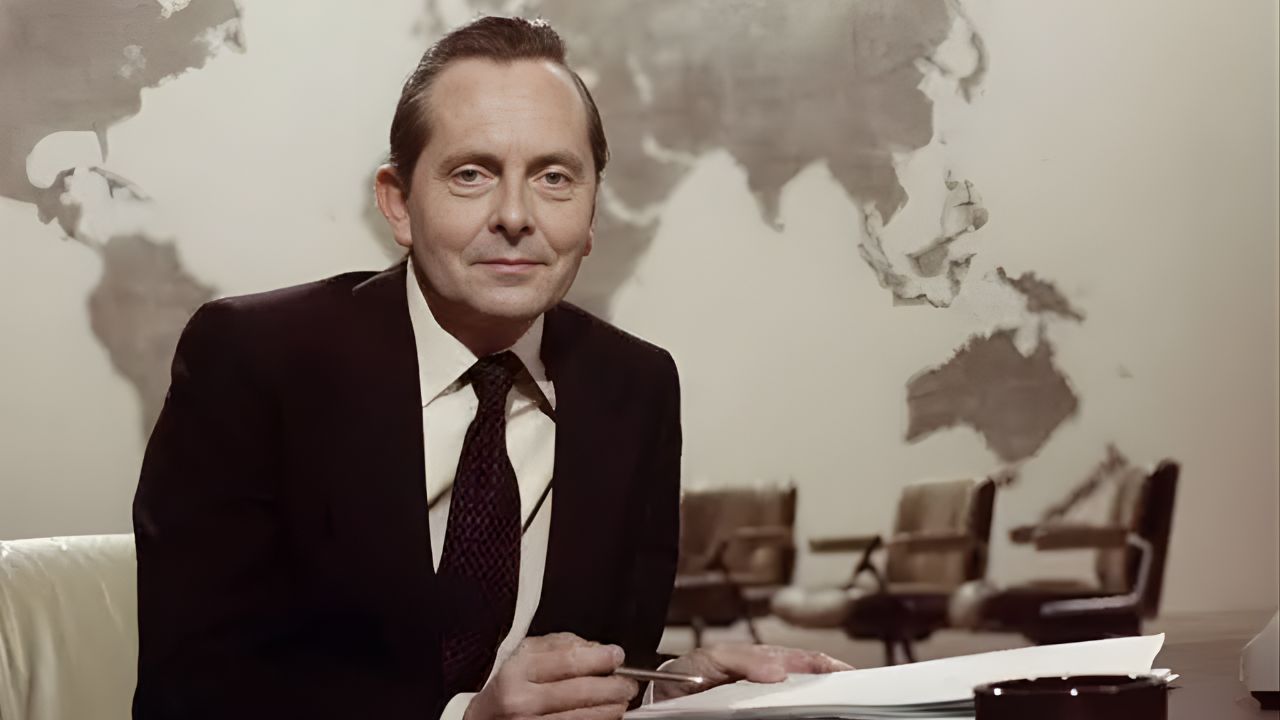
Alastair Brian Walden (8 July 1932 – 9 May 2019) was a British journalist, broadcaster, and former Labour politician whose influence spanned both national politics and mainstream television. Coming from a modest background in the West Midlands, he rose through education and determination, eventually earning a place at Oxford and becoming President of the Oxford Union in 1957 — a role that showcased his sharp debating talent and confident public voice.
Walden spent more than a decade in Parliament after being elected as a Labour MP in 1964, representing Birmingham constituencies until 1977. Known for his independence of thought and clear communication style, he built a reputation as a thoughtful yet firm political figure. But his career took a defining turn when he left Parliament to focus on broadcasting, a field where he would later become one of Britain’s most respected interviewers.
As a television presenter, especially on Weekend World, Walden gained national recognition for his direct, disciplined interview style. His ability to challenge leading political figures — including several memorable interviews with Prime Minister Margaret Thatcher — earned him widespread praise. His work brought him major honours, such as the BAFTA Richard Dimbleby Award in 1986 and ITV Personality of the Year in 1991, confirming his place among the finest political interviewers of his generation.
Beyond his public career, Alastair Brian Walden lived a full personal life. He married three times, was a father to four sons, and eventually settled in Guernsey during his later years. Walden passed away on 9 May 2019 at the age of 86, leaving behind a legacy defined by intelligence, integrity, and a lifelong commitment to understanding political power.
Influential in Parliament and unforgettable on screen, Walden’s career continues to stand as an example of thoughtful journalism and fearless political inquiry.
Brian Walden (British Politician)
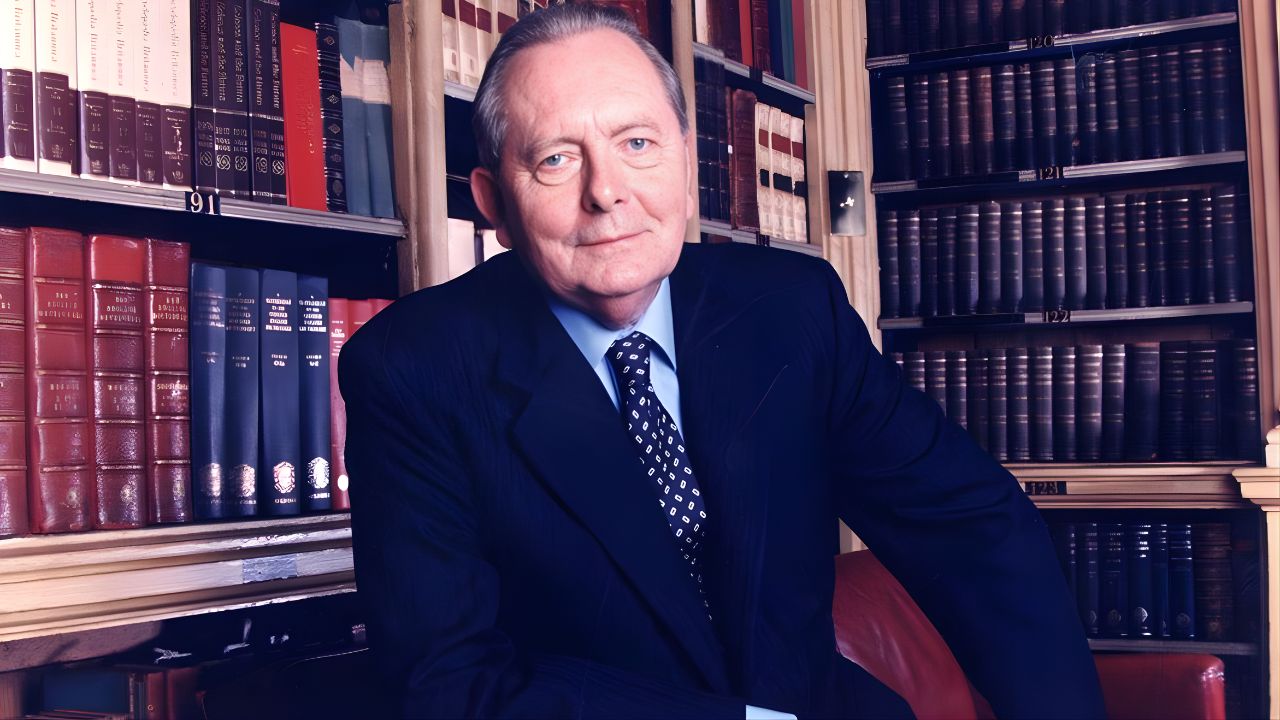
| Full Name | Alastair Brian Walden |
| Born | 8 July 1932 |
| Died | 9 May 2019 (aged 86) |
| Place of Birth | West Bromwich, West Midlands, England |
| Nationality | British |
| Education | Queen’s College, Oxford (Modern History) |
| Political Party | Labour Party |
| Member of Parliament | Birmingham All Saints (1964–1974); Birmingham Ladywood (1974–1977) |
| Years in Parliament | 1964–1977 |
| Career After Politics | Political Broadcaster & Journalist |
| Famous For | Hard-hitting political interviews, especially with Margaret Thatcher |
| Notable TV Program | Weekend World (ITV) |
| Awards | BAFTA Richard Dimbleby Award (1986); ITV Personality of the Year (1991) |
| Known For | Tenacious interviewing style; influential political analysis |
| Occupation | Broadcaster, Journalist, Former Politician |
| Personal Life | Married three times; father of four sons |
| Residence (Later Life) | Guernsey, Channel Islands |
| Cause of Death | Complications from emphysema |
| Legacy | Regarded as one of Britain’s finest political interviewers |
Early life and Education
Alastair Brian Walden was born on 8 July 1932 in West Bromwich, Staffordshire, England. He grew up in a working-class household, where his father worked as a glazier. Life in an industrial town during the 1930s and 40s shaped much of Walden’s early understanding of society, giving him a grounded perspective that stayed with him throughout his political and broadcasting career.
Walden attended West Bromwich Grammar School, where he quickly stood out for his academic ability and strong interest in public affairs. Despite limited family resources, he excelled in his studies and earned a reputation as a bright and determined student. His strong performance at school opened the door to opportunities that were uncommon for many from similar backgrounds at the time.
After completing national service, Walden earned an open scholarship to The Queen’s College, University of Oxford, where he studied History. Oxford became a turning point in his life. He developed confidence as a speaker, became deeply involved in student politics, and was known for his sharp debating style.
His debating talent led him to one of his most notable early achievements — being elected President of the Oxford Union in 1957. This role allowed him to engage with national and international political ideas while sharpening the communication skills that would later define his career in broadcasting.
Walden went on to begin postgraduate studies at Nuffield College, Oxford, although he chose not to complete his doctorate. Even so, his years at Oxford played a major role in shaping him into the articulate, analytical, and confident public figure he would eventually become.
Political Career
Alastair Brian Walden began his political journey in the early 1960s after gaining national attention for his debating skills at Oxford. In 1964, he was elected as the Labour Member of Parliament for Birmingham All Saints, marking the start of a parliamentary career that would last more than a decade. When constituency boundaries changed in 1974, he continued to serve as the MP for Birmingham Ladywood.
Walden quickly became known for his clear, thoughtful speeches and his ability to explain complex political issues in simple terms. Although he sat on the Labour benches, he often took an independent line, preferring honest analysis over strict party loyalty. This reputation earned him respect from both colleagues and critics. He served during a turbulent period in British politics, including debates on industrial change, social reforms, and economic challenges of the 1960s and 70s.
During his time in Parliament, Walden was regularly involved in committees and policy discussions, especially those connected to education, social welfare, and constitutional matters. His sharp intellect and measured approach made him one of the more distinctive voices in the House of Commons.
However, Walden gradually became frustrated with the limitations of parliamentary life and the increasing demands of party politics. In 1977, he made a surprising but decisive move: he stepped down from Parliament to pursue a full-time career in broadcasting. Many saw this shift as a natural fit for his skills, since his clarity, confidence, and analytical mindset had already marked him as a strong communicator.
Leaving politics did not distance Walden from public affairs — in fact, his next career as a broadcaster allowed him to influence national debate even more directly. His political experience provided the foundation for the hard-hitting interview style that later made him one of Britain’s most respected political journalists.
Broadcasting Career
After leaving Parliament in 1977, Alastair Brian Walden stepped into broadcasting—a move that would transform him into one of Britain’s most influential political interviewers. His transition to television seemed natural; he had the clarity, confidence, and analytical mind needed to challenge political leaders on complex issues. What began as a new chapter quickly became the defining phase of his public life.
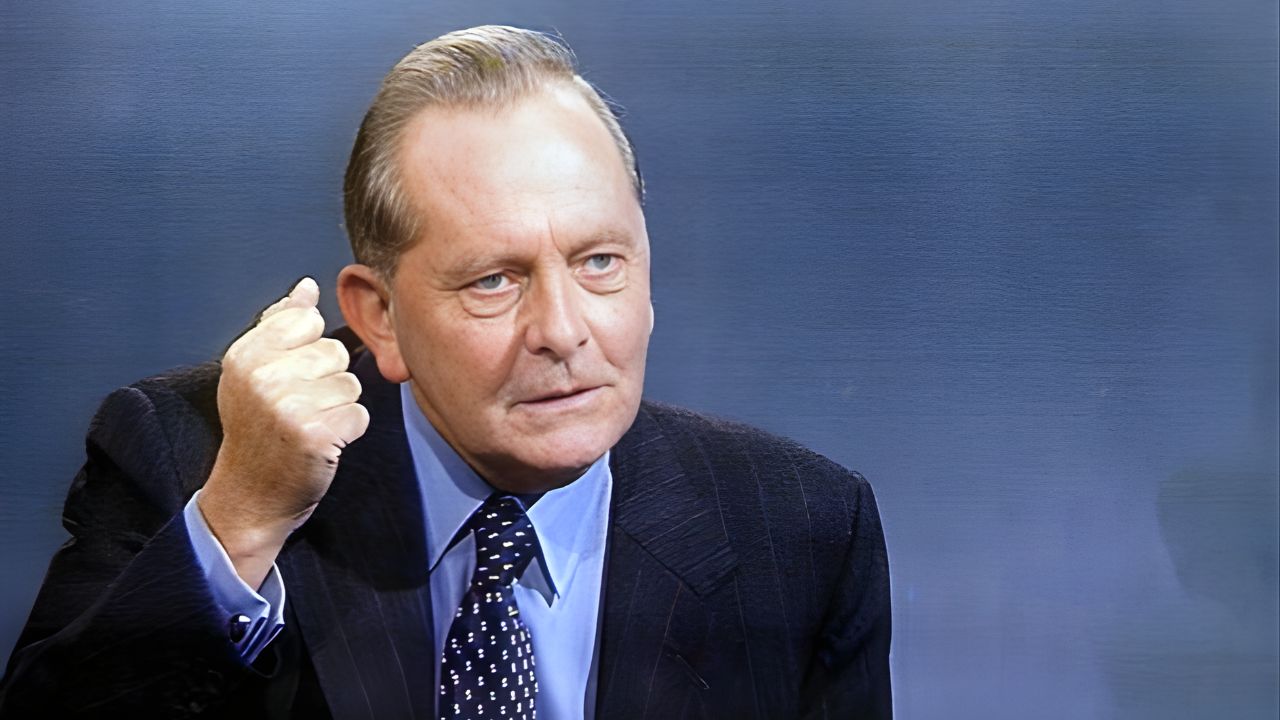
Walden joined ITV and soon became the lead presenter of the political program Weekend World, a role he held from the late 1970s through the early 1990s. The show was known for its serious approach to politics, and Walden’s interviews became the centerpiece of each episode. His style was distinctive: calm but relentless, polite yet unyielding. He asked precise, tightly focused questions that forced ministers and prime ministers to move beyond rehearsed talking points.
His interviews with Prime Minister Margaret Thatcher were especially famous. While she respected him and reportedly considered him one of her favourite interviewers, Walden never allowed personal warmth to weaken his questioning. Their exchanges—particularly the 1989 interview—are still remembered for their intensity, clarity, and political impact.
Walden’s skill earned him major recognition. In 1986, he received the BAFTA Richard Dimbleby Award, one of the highest honours in British broadcasting. A few years later, in 1991, he was named ITV Personality of the Year, further cementing his status as a leading figure in political journalism.
Beyond Weekend World, Walden hosted various documentaries, election specials, and political analyses, becoming a trusted voice for viewers seeking straightforward explanations during complex national events. Even when he asked tough questions, his style remained fair, intelligent, and deeply informed—qualities that set him apart from many interviewers of his time.
By the time he stepped back from regular broadcasting, Brian Walden had become widely regarded as one of the greatest political interviewers in British television history. His work shaped the standard for political journalism and influenced an entire generation of broadcasters.
Legacy & Influence
Alastair Brian Walden left a lasting impact on both British politics and broadcasting. His career demonstrated that clarity, integrity, and rigorous questioning could shape public debate and elevate the standards of journalism. Even decades after his retirement, Walden’s interviews are still studied for their precision, depth, and fairness.
In politics, he is remembered as a thoughtful and independent-minded Labour MP who valued honesty over party loyalty. His time in Parliament showed that strong communication skills, combined with analytical thinking, could influence public understanding of complex issues.
In broadcasting, Walden’s legacy is even more pronounced. As the host of Weekend World and other political programs, he set a new benchmark for political interviewing. His style—direct but respectful, persistent yet fair—became a model for generations of journalists. Figures like Margaret Thatcher reportedly respected him for his ability to ask tough questions without personal bias, highlighting his professionalism and influence.
Beyond his professional achievements, Walden inspired many aspiring journalists and broadcasters to value preparation, research, and integrity. He proved that rigorous political analysis could engage a broad audience without compromising on accuracy or depth.
Brian Walden’s influence endures through the countless interviews, analyses, and public debates he contributed to, shaping both media practices and public understanding of politics in the UK. His work remains a benchmark for excellence, reminding us of the power of thoughtful journalism to inform, challenge, and inspire.
Popular Culture
Alastair Brian Walden’s sharp intellect and distinctive broadcasting style made him a recognizable figure beyond politics and journalism. Over the years, he became a symbol of serious political interviewing in British media, often referenced in discussions about the golden era of television news and political programs.
His interviews, particularly with Prime Minister Margaret Thatcher, were widely cited and replayed in documentaries, political retrospectives, and educational programs analyzing British politics in the late 20th century. Walden’s approach—direct, analytical, and fair—has often been used as a benchmark in media training for aspiring journalists.
Though not a mainstream celebrity, Walden appeared in public discussions, panel shows, and political debates, which helped cement his image as one of the UK’s most respected and influential political commentators. His work has also been referenced in books and articles exploring British media history and the evolution of political broadcasting.
By bridging politics and media with authority and clarity, Brian Walden became a familiar name to anyone interested in serious journalism, and his influence in popular culture continues to be recognized by students, journalists, and political enthusiasts alike.
Personal Life
Alastair Brian Walden led a full and eventful personal life alongside his professional achievements. He was married three times and was a devoted father to four sons. His family life, though private, reflected the same dedication and thoughtfulness he brought to his career.
Walden’s interests extended beyond politics and broadcasting. He enjoyed reading, historical studies, and engaging in intellectual discussions, which often informed his approach to journalism. Despite his public profile, he valued privacy and preferred a quiet life away from constant media attention.
In his later years, Walden retired to Guernsey, one of the Channel Islands, where he spent his time enjoying a peaceful environment while remaining engaged with current affairs through reading and occasional commentary.
He passed away on 9 May 2019 at the age of 86, following complications from emphysema. Even after his passing, his work continues to inspire journalists, political commentators, and anyone interested in the intersection of media and politics.
Gallery