Table of Contents
Nigel Lawson (British Politician)
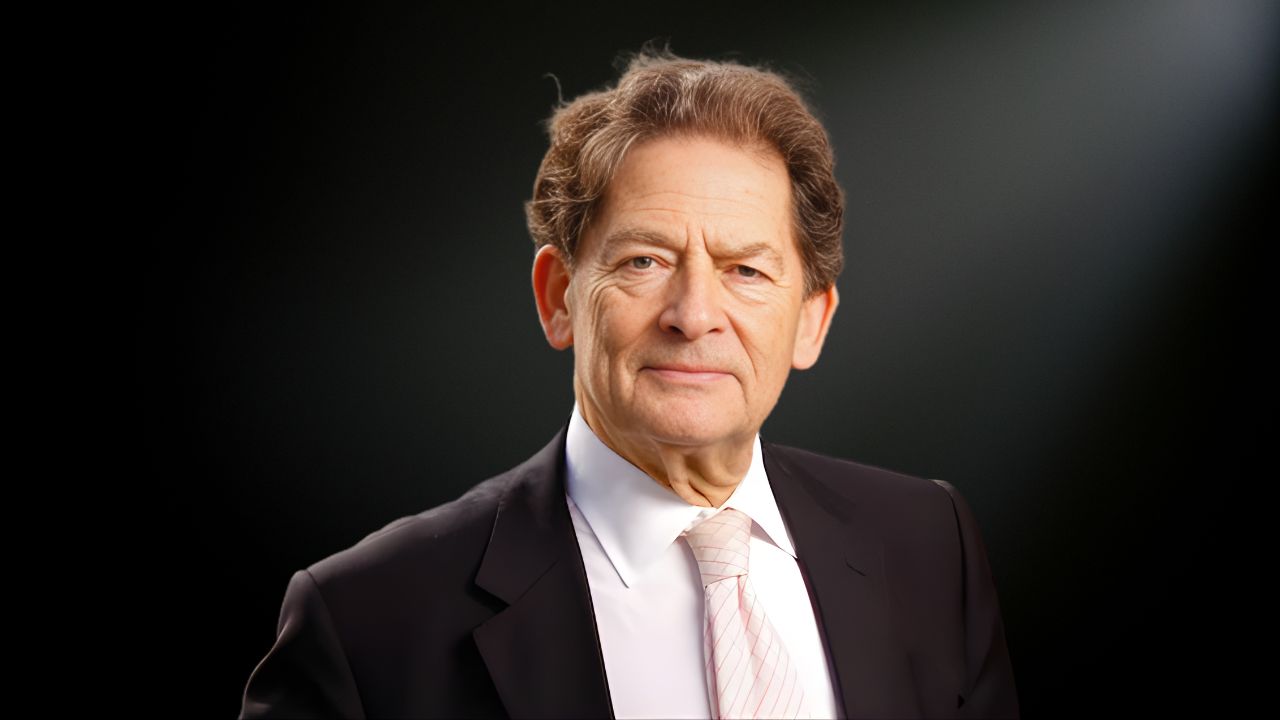
Nigel Lawson, Baron Lawson of Blaby, PC (11 March 1932 – 3 April 2023), was a prominent British politician and journalist who played a major role in shaping the UK’s economy during the 1980s. Born in Hampstead, London, into a well-off family, he studied at Christ Church, Oxford, earning a first-class degree in Philosophy, Politics, and Economics. This academic background laid a strong foundation for his career in journalism and later in politics.
Before entering politics, Lawson made a name for himself in journalism. He worked with the Financial Times and The Sunday Telegraph, and later became editor of The Spectator. These experiences in finance and media equipped him with the skills and insight that helped him navigate complex political and economic challenges.
Lawson entered Parliament in 1974 as the Member of Parliament for Blaby, a seat he held until 1992. Under Prime Minister Margaret Thatcher, he quickly rose through the ranks, first as Financial Secretary to the Treasury, then as Secretary of State for Energy, and finally as Chancellor of the Exchequer from 1983 to 1989. In these roles, he was a key supporter of Thatcher’s policies, including the privatisation of major industries and economic liberalisation.
As Chancellor, Lawson introduced major reforms that reshaped Britain’s economy. He reduced income tax rates, promoted privatisation, and led the 1986 “Big Bang” financial deregulation, which turned London into a leading global financial centre. His policies, known collectively as the “Lawson Boom,” accelerated economic growth but also generated debates about inflation and fiscal management.
After stepping down in 1989 due to policy disagreements, Lawson remained influential in British politics. He was elevated to the House of Lords as Baron Lawson of Blaby, where he continued to be active until his retirement in 2022. Beyond politics, he founded the Global Warming Policy Foundation, advocated for Brexit as president of Conservatives for Britain, and was the father of six children, including celebrity chef Nigella Lawson and journalist Dominic Lawson. His life and career remain a key chapter in modern British political and economic history.
Nigel Lawson (British Politician)

| Full Name | Nigel Lawson, Baron Lawson of Blaby, PC |
| Position | Chancellor of the Exchequer; Secretary of State for Energy; Member of Parliament |
| In Office (Chancellor) | June 1983 – October 1989 |
| Political Party | Conservative Party |
| Preceded by (Chancellor) | Sir Geoffrey Howe |
| Succeeded by (Chancellor) | John Major |
| Date of Birth | 11 March 1932 |
| Date of Death | 3 April 2023 |
| Place of Birth | Hampstead, London, England |
| Education | Westminster School; Christ Church, Oxford (Philosophy, Politics, and Economics) |
| Career | Journalist (Financial Times, The Sunday Telegraph, The Spectator); Politician (MP, Cabinet Minister, Chancellor) |
| Member of Parliament | Blaby, Leicestershire (1974–1992) |
| Major Policies | Privatisation of state industries, tax cuts, financial deregulation (“Big Bang” 1986), economic liberalisation |
| Think Tank & Campaigns | Founder & Chairman of Global Warming Policy Foundation; President of Conservatives for Britain; supporter of Vote Leave |
| Children | Nigella Lawson, Dominic Lawson, Tom Lawson, and three others |
| Nationality | British |
| Occupation | Politician, Journalist, Economist |
| Notable Traits | Influential economic reformer, journalist, advocate of Brexit, father of prominent children |
| Current Status | Deceased (2023) |
Early life and Education
Nigel Lawson, Baron Lawson of Blaby, was born on 11 March 1932 in Hampstead, London, into a prosperous family with Latvian-Jewish roots. He grew up in a supportive and well-off environment, which allowed him to focus on his studies from an early age. His upbringing instilled in him a keen interest in economics, politics, and public affairs, setting the stage for his future career in journalism and politics.
He attended some of London’s most prestigious schools, showing early promise as a bright and ambitious student. Lawson went on to study at Christ Church, Oxford, where he pursued a degree in Philosophy, Politics, and Economics (PPE), graduating with first-class honours. His academic achievements at Oxford not only honed his analytical and communication skills but also gave him a strong foundation to understand complex economic and political issues — skills that would prove invaluable throughout his career.
During his university years, Lawson also developed a deep appreciation for public service and debate. His education emphasized both theory and practical understanding, preparing him to navigate the worlds of media, politics, and finance with confidence. This combination of intellectual rigor and real-world insight became a hallmark of his approach in later professional life.
Career
After completing his education at Oxford, Nigel Lawson began his professional journey in journalism, where he quickly established himself as a talented financial writer and editor. He worked at the Financial Times, gaining deep insights into economics and business, and later joined The Sunday Telegraph, where he further honed his skills in reporting and analysis. His editorial expertise culminated in his appointment as editor of The Spectator from 1966 to 1970, where he built a reputation for clear, insightful commentary on political and economic matters.
Lawson entered politics in 1974, when he was elected as the Member of Parliament for Blaby in Leicestershire, a seat he held until 1992. Under Prime Minister Margaret Thatcher, he rose rapidly through the political ranks. Initially appointed as Financial Secretary to the Treasury, he later served as Secretary of State for Energy from 1981 to 1983, where he was involved in shaping energy policies and supporting Thatcher’s vision of economic reform.
In June 1983, Lawson reached the pinnacle of his political career as Chancellor of the Exchequer, a position he held until October 1989. As Chancellor, he became a key architect of Britain’s economic transformation in the 1980s, championing policies such as income tax reduction, privatisation of state-owned industries, and financial deregulation. His leadership during the 1986 “Big Bang” event reshaped London’s financial markets, turning the city into a global financial hub.
Lawson’s tenure was marked by bold reforms that stimulated economic growth, often referred to as the “Lawson Boom.” However, his policies were also a subject of debate, especially regarding inflation and fiscal management. Despite stepping down in 1989, Lawson remained an influential figure in British politics, shaping debates on economic policy and Britain’s role in Europe for years to come.
Major Achievements and Reforms
Nigel Lawson’s tenure as Chancellor of the Exchequer from 1983 to 1989 is widely remembered for its transformative impact on the UK economy. One of his most notable achievements was the reduction of income tax rates, including a dramatic cut in the top rate from 60% to 40% and a lower standard rate. These reforms were aimed at encouraging investment, increasing disposable income, and stimulating economic growth.
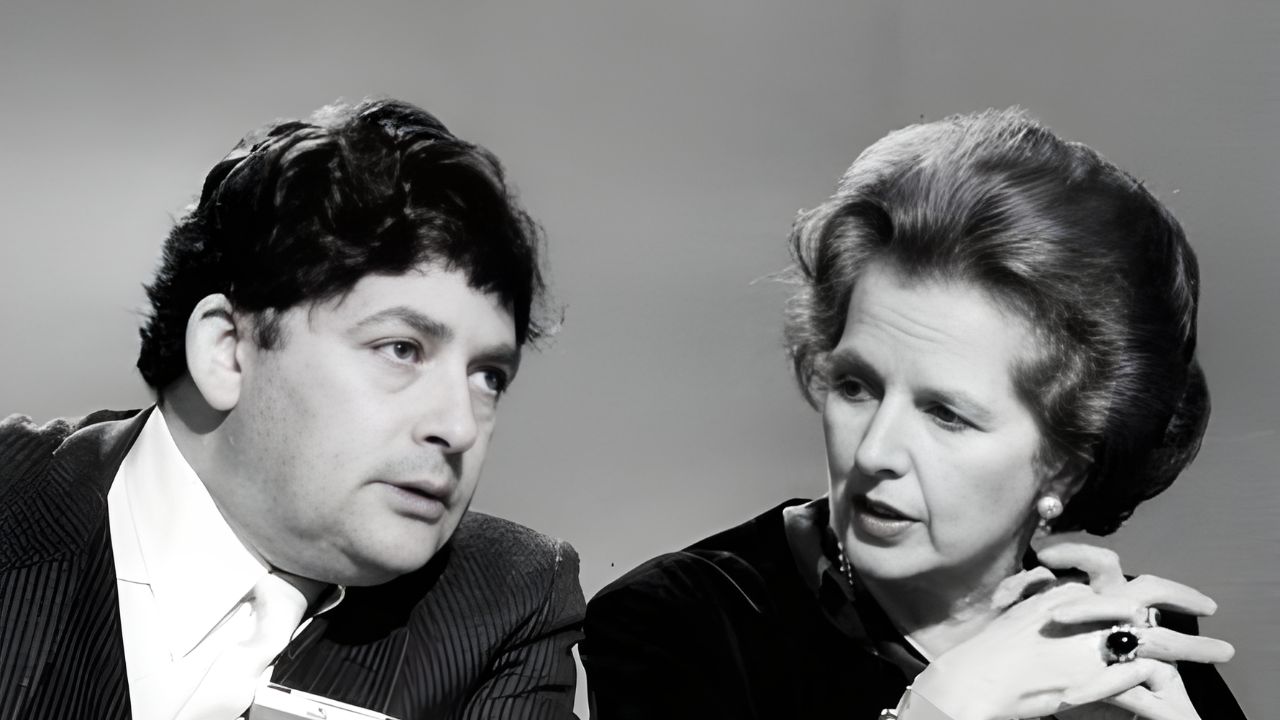
He was also a driving force behind the privatisation of several state-owned industries, including British Telecom, British Gas, and other major companies. This shift towards a free-market approach not only modernised key sectors but also expanded share ownership among the public, reflecting Thatcher’s broader vision of economic liberalisation.
Another landmark moment during Lawson’s chancellorship was the 1986 “Big Bang”, a sweeping deregulation of London’s financial markets. This bold move transformed the City of London into a global financial hub, attracting international investment and fostering innovation in banking and trading practices. The “Big Bang” remains one of the defining events of modern British economic history.
Lawson’s policies collectively contributed to what is often called the “Lawson Boom,” a period of rapid economic expansion and growth in the mid-1980s. While the boom increased wealth and investment, it also sparked debates about inflation and economic sustainability, reflecting the challenges of balancing growth with fiscal stability.
Beyond his formal achievements, Lawson’s reforms had a lasting influence on the UK’s economic landscape, shaping policies and debates for decades. His commitment to free-market principles, tax reform, and financial innovation made him one of the most significant figures in British economic history.
Major Policies, Achievements, and Later Life
Nigel Lawson is best remembered for his bold economic policies that reshaped Britain during the 1980s. His tax reforms, including sharp reductions in both personal and corporate income taxes, encouraged investment and boosted the economy. Lawson was also a strong advocate for privatisation, leading the sale of several state-owned companies to improve efficiency and expand public shareholding.
Perhaps his most famous policy achievement was the 1986 “Big Bang”, which deregulated London’s financial markets. This event modernised trading practices, attracted international investment, and firmly established London as a global financial centre. Collectively, these reforms came to be known as the “Lawson Boom,” a period of rapid economic growth, rising stock markets, and increased consumer confidence.
Lawson’s legacy is not without debate. While his policies generated wealth and modernised the economy, critics point to the challenges of inflation and the need for careful fiscal management. Nevertheless, his impact on Britain’s economic structure, market liberalisation, and global financial standing remains significant, cementing his reputation as one of the country’s most influential Chancellors.
After resigning as Chancellor in 1989, Lawson continued to play an active role in British politics and public life. He remained a backbencher until 1992 and was subsequently elevated to the House of Lords as Baron Lawson of Blaby, where he contributed to debates on economic and political matters until his retirement in 2022.
Lawson remained influential beyond the legislature. He served as President of Conservatives for Britain, advocating for the UK’s exit from the European Union, and founded the Global Warming Policy Foundation, promoting debate on climate change policies. On a personal level, he was the father of six children, including Nigella Lawson, a celebrity chef and food writer, and Dominic Lawson, a journalist. Nigel Lawson passed away on 3 April 2023, but his contributions to British politics, finance, and public debate continue to be recognised, ensuring his lasting impact on the UK’s economic and political landscape.
In the media
Nigel Lawson was frequently featured in the media throughout his career, both as a journalist and as a prominent political figure. Before entering politics, he gained recognition for his work at the Financial Times, The Sunday Telegraph, and as editor of The Spectator, where his articles and editorials reached a wide audience and established him as a knowledgeable voice on economic and political issues.
During his time as Chancellor of the Exchequer, Lawson’s policies, such as the Big Bang financial deregulation and tax reforms, received extensive media coverage. Newspapers, television, and radio often highlighted his bold economic strategies, making him one of the most discussed figures in British politics during the 1980s.
Even after leaving frontline politics, Lawson continued to be a public commentator. He frequently appeared in interviews, opinion pieces, and media debates, particularly on topics such as Brexit, the European Union, and climate change policy through his Global Warming Policy Foundation. His media presence allowed him to influence public opinion and maintain relevance in political and economic discussions long after his retirement from the House of Commons.
Personal Life
Nigel Lawson was married to Diane, Lady Lawson, and together they had six children. Among his children, Nigella Lawson became a world-famous food writer and celebrity chef, while Dominic Lawson established himself as a respected journalist. Another son, Tom Lawson, pursued a career in education and became the headmaster of Eastbourne College.
Lawson was known for balancing his demanding public career with family life, ensuring that his children received strong guidance and support. His personal values reflected his dedication to both public service and family, creating a legacy that extended beyond politics into the lives of his children and grandchildren.
Outside of family, Lawson had interests in economics, finance, and public policy that continued to shape his activities even after retiring from active politics. He remained intellectually active, contributing to debates on economic strategy, European affairs, and environmental policy through his think tank and public commentary.
Nigel Lawson passed away on 3 April 2023, leaving behind a distinguished legacy as a politician, economic reformer, journalist, and devoted family man. His personal life, much like his public career, demonstrated a commitment to influence, service, and integrity.
Gallery