Table of Contents
Quadcopter Drones (Quadrotor)
The quadcopter, sometimes referred to as a quadrotor drone, is one of the most revolutionary aerial technologies of the 21st century. With its four rotors arranged in a square configuration, this type of multicopter has transformed how we perceive and interact with aerial devices. While the concept of multi-rotor aircraft dates back over a century, it wasn’t until the rise of modern unmanned aerial vehicles (UAVs) that quadcopters gained mainstream recognition and practical applications.
Historically, experimental quadrotor helicopters and convertiplanes were built as early as the 1920s and 1930s, but their designs were limited by the technology of the time. The emergence of lightweight materials, compact electric motors, and high-capacity lithium polymer batteries in the late 20th and early 21st centuries marked a turning point in quadcopter development. Today’s drones benefit from advanced flight control systems, GPS navigation, and obstacle detection, making them safer, more stable, and more reliable than ever before.
Quadcopters have found applications far beyond hobbyist use. From aerial photography, videography, and mapping to agricultural monitoring, disaster relief, and military reconnaissance, these devices have reshaped industries worldwide. Their ability to hover in place, perform precise maneuvers, and access hard-to-reach areas makes them invaluable tools in various professional fields. Recent years have also seen the integration of AI-powered autonomous flight systems that allow drones to execute complex missions without human intervention.
In the defense sector, quadcopters have been adapted for surveillance, intelligence gathering, and tactical operations. Some models are even equipped with payload delivery systems or integrated sensors for environmental monitoring and security enforcement. However, with their increasing capabilities comes the challenge of regulating drone activity, particularly in urban areas and restricted airspaces.
The global drone market continues to expand rapidly, with projections estimating it to surpass $90 billion by 2030. This growth is fueled by ongoing innovations in battery efficiency, rotor dynamics, and artificial intelligence integration. As regulatory frameworks and public acceptance evolve, quadcopters are set to play an even more critical role in industries like logistics, healthcare delivery, and environmental conservation. In short, the modern quadcopter is no longer just a technological curiosity — it’s a symbol of innovation, offering unique solutions to modern challenges while opening new possibilities for exploration, security, and commercial enterprise.
Quadcopter Drones (Quadrotor)

| Name | Quadcopter |
| Nickname | Drone, UAV (Unmanned Aerial Vehicle) |
| First Launch | 1920s (First conceptual use in aerodynamics and aviation) |
| Popular Manufacturers | DJI, Yuneec, Parrot, Autel Robotics, Skydio |
| Common Types | Mini Quadcopter, Racing Quadcopter, Camera Quadcopter, Military Quadcopter |
| Camera Equipped | Yes, commonly equipped with HD or 4K cameras for photography and filming |
| Primary Uses | Aerial Photography, Surveillance, Military, Racing, Delivery, Surveying |
| Typical Range | 1–10 km for consumer models; up to 50 km for military-grade models |
| Flight Time | 10–30 minutes depending on battery and payload |
| Speed | Up to 100 mph for racing models; 15–30 mph for general use |
| Maximum Altitude | 400 meters (regulated by aviation authorities in many countries) |
| Regulations | FAA Part 107 (USA), European Union EASA Regulations, national/local laws |
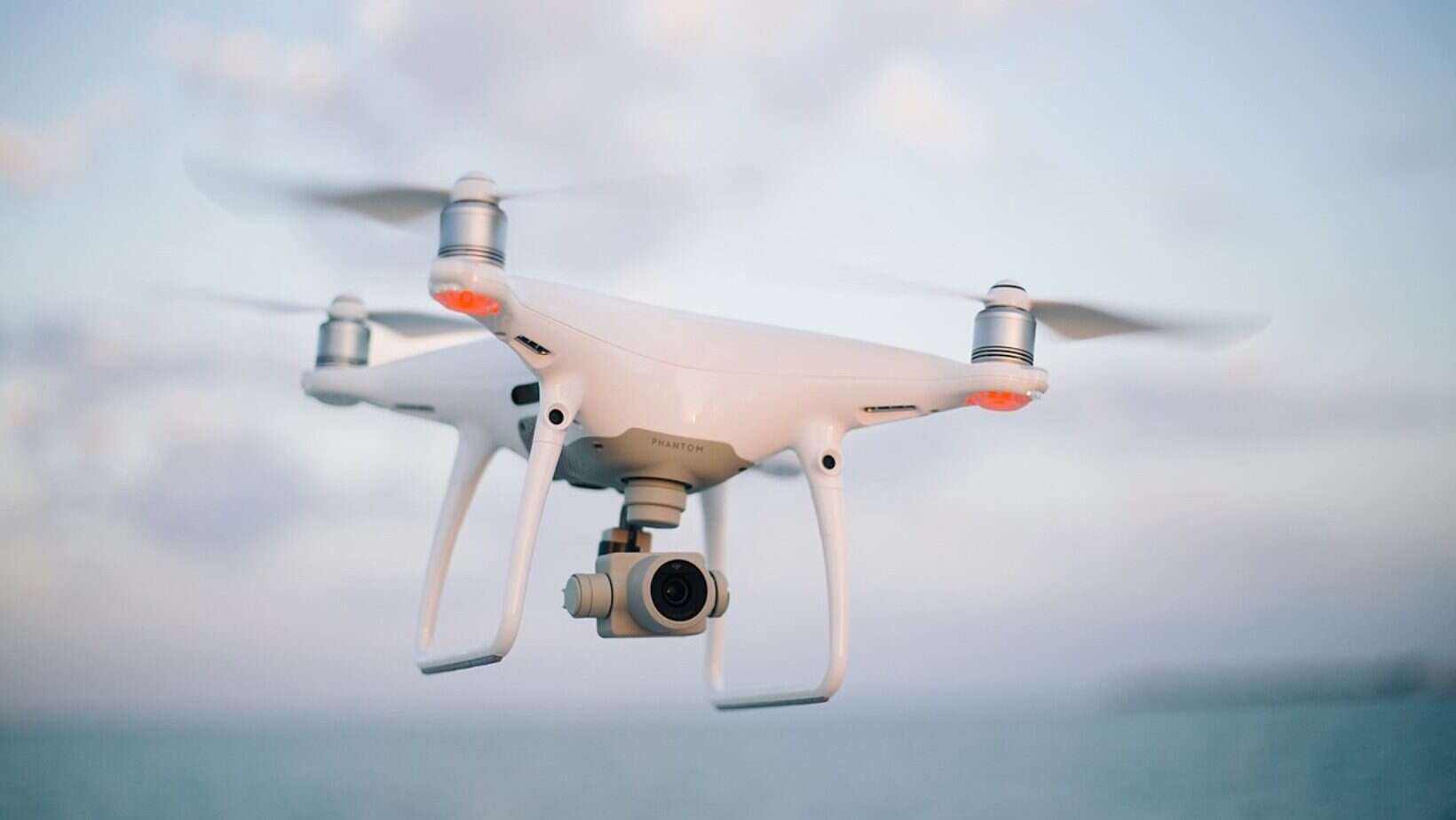
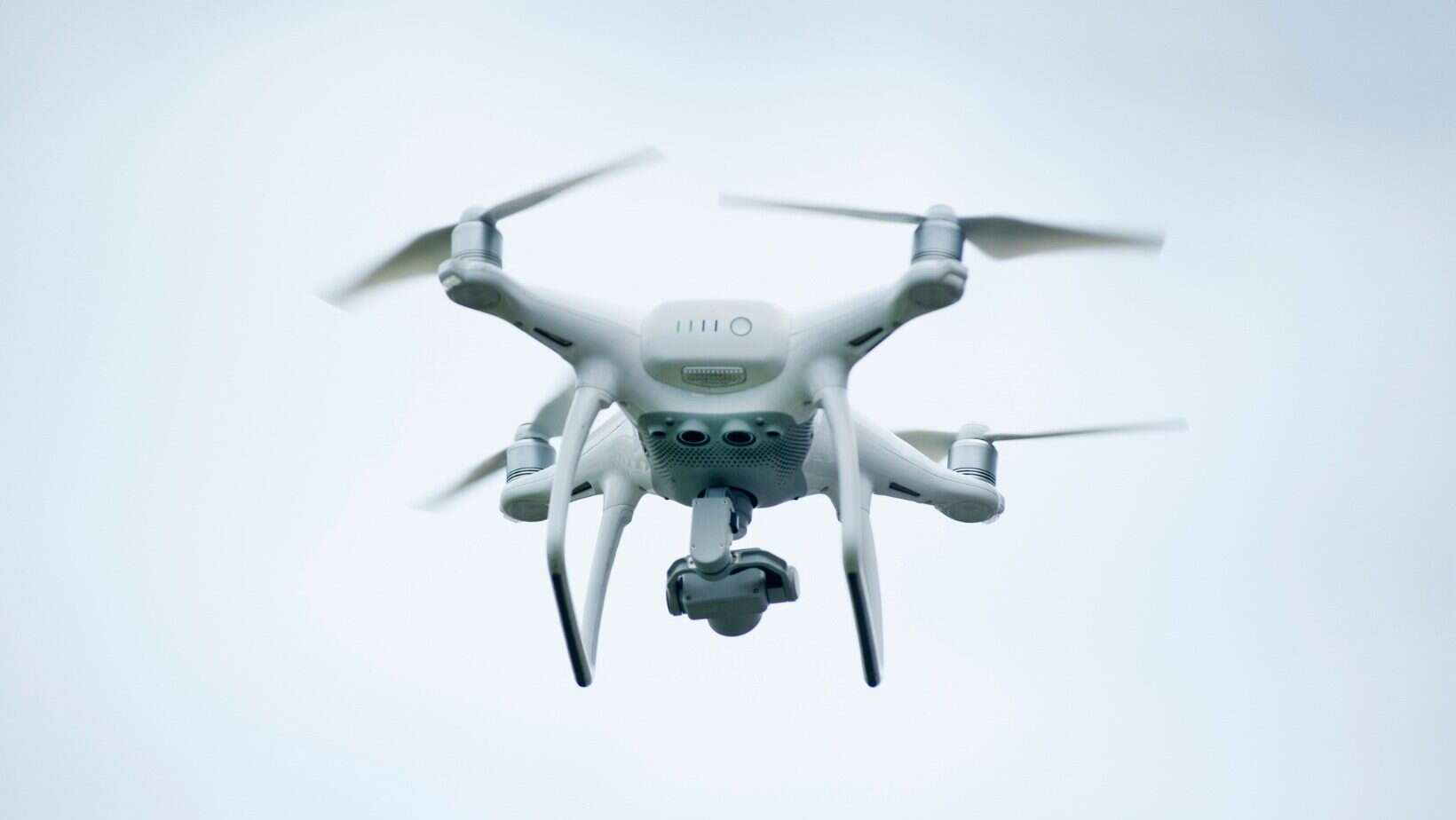
| Notable Models | DJI Phantom 4, DJI Mavic, Yuneec Typhoon H, Autel Robotics EVO |
| Military Applications | Surveillance, Targeting, Combat Operations, Reconnaissance, Weapons Delivery |
| Key Ethical Issues | Privacy Invasion, Surveillance Concerns, Criminal Use (e.g., Smuggling) |
| Global Impact | Transformation of multiple industries including media, agriculture, security |
| Technological Advances | Improved GPS, autonomous flight capabilities, AI-powered obstacle avoidance |
Overview
The quadcopter — also known as a quadrotor or quadcopter drone — represents one of the most versatile and widely adopted aerial systems in modern aviation technology. Characterized by its four horizontally mounted rotors, this distinctive type of multicopter has become a symbol of innovation in both recreational and professional fields. From military quadcopters and agricultural drones to racing quadcopters and personal photography drones, these machines have transformed how humans capture, survey, and interact with the world from above.
While the quadcopter’s rapid rise to prominence may seem like a recent phenomenon, its conceptual origins trace back over a century. The fundamental principles behind multi-rotor aircraft were first explored in the early 20th century, but only with the advent of lightweight materials, high-torque electric motors, and sophisticated flight control systems in the late 20th and early 21st centuries did quadcopters transition from experimental curiosities to indispensable aerial tools.A quadcopter is a type of unmanned aerial vehicle (UAV), or drone, that operates using four rotors positioned symmetrically around a central frame. Each rotor provides lift and is independently controlled to enable stable hovering, vertical takeoff, and multidirectional movement. The simplicity and effectiveness of this configuration have made quadcopters popular in various sectors, from commercial aerial photography and search-and-rescue operations to military surveillance and entertainment applications such as FPV racing quadcopters.
Unlike traditional helicopters, which rely on a complex single-rotor system with a tail rotor for stability, a quadcopter achieves flight balance through the alternating rotation of its rotors. Two rotors spin clockwise while the other two rotate counterclockwise, providing both lift and yaw control without the need for a tail rotor. This mechanical simplicity enables mini quadcopters, large quadcopter drones, and even military-grade quadcopters to be designed efficiently for a range of applications. The concept of multi-rotor flying machines predates modern drones by several decades. Early experimental models such as the Oehmichen No. 2 in 1923 and the Breguet-Richet Gyroplane in 1907 explored the potential of multiple rotors for vertical flight. However, the technology of the time limited their stability and practical use. The first successful quadrotor helicopter capable of manned flight was constructed by Etienne Oehmichen, a French engineer who achieved a historic milestone in 1924 by completing a closed-circuit flight of one kilometer.
Following these early experiments, interest in multi-rotor aircraft persisted intermittently throughout the 20th century. However, it wasn’t until the emergence of modern electronics, microcontrollers, and lightweight lithium-polymer (LiPo) batteries in the late 1990s and early 2000s that quadcopters began to gain traction as viable UAV platforms. This technological shift opened the door to innovations such as remote controlled quadcopters, drone quadcopters with cameras, and eventually the sophisticated autonomous drones we see today. The dawn of the 21st century saw quadcopters evolve from niche experimental vehicles into commercially available tools and consumer products. Companies like DJI, founded in 2006, revolutionized the drone industry with models such as the DJI Phantom 3 Standard Quadcopter Drone and the DJI Mavic Quadcopter series. These drones combined advanced GPS-based stabilization, HD cameras, and smartphone-controlled interfaces, making aerial photography and videography accessible to enthusiasts and professionals alike.
Meanwhile, the defense sector adapted quadcopters for reconnaissance and surveillance, with countries like Israel becoming pioneers in the deployment of military quadcopters for border patrol and tactical operations. In parallel, hobbyists embraced FPV racing quadcopters, while industrial sectors integrated quadcopters into infrastructure inspection, disaster management, and agriculture monitoring. Today, the global quadcopter market continues to expand at an unprecedented rate. According to recent industry forecasts, the drone market is projected to exceed $90 billion by 2030, with quadcopters accounting for a significant share due to their affordability, ease of control, and adaptability. Popular models like the DJI Phantom 4 Pro Quadcopter, Yuneec Q500 4K Typhoon Quadcopter, and 3DR Solo Drone Quadcopter have set new standards for commercial and recreational drone use.
Beyond personal and recreational uses, quadcopters are being utilized for tasks ranging from wildlife conservation and emergency response to cinematic production and scientific research. The increasing demand for quadcopter drones with cameras, large quadcopter drones, and racing quadcopters for sale reflects the growing diversity of this aerial technology in modern society.
Design Principles of Quadcopter Drones
Quadcopters, commonly known as drones, are sophisticated flying machines that rely on a set of well-defined design principles to ensure stability, maneuverability, and efficiency. These principles are critical to the quadcopter’s performance in various applications, from recreational use to military operations. Below are the key design principles that influence the functionality of quadcopters.

Torque
Torque, in the context of quadcopters, refers to the rotational force generated by the motors and propellers. Each motor in a quadcopter spins in a particular direction, creating a specific amount of torque. To maintain stability and prevent unwanted rotations, the design of quadcopters employs a clever arrangement of motors. In a typical quadcopter, two motors spin clockwise (CW), and the other two spin counterclockwise (CCW). This opposing rotational setup cancels out the torque produced by each motor, ensuring the drone remains balanced in the air.
However, the torque generated by the motors also plays a crucial role in maneuverability. For instance, to achieve a yaw (rotation around the vertical axis), the motors’ speeds are adjusted to create differential thrust, allowing the quadcopter to turn in place. This design principle is what allows quadcopters to achieve smooth, controlled movements, making them versatile for both casual users and professionals.
Vortex Ring State
The vortex ring state (VRS) is a phenomenon that occurs when a quadcopter descends too rapidly, causing the downwash of air from the rotors to interfere with the airflow at the rotor blades. This leads to the formation of a turbulent vortex, which can reduce the efficiency of the lift generated by the rotors. As a result, the quadcopter may experience a loss of control or a dramatic decrease in lift, leading to a hard landing or even a crash.
VRS is a critical consideration in the design of quadcopters, especially in applications requiring precise control during landing or hovering. Engineers and designers account for this phenomenon by optimizing rotor design and control algorithms to mitigate the risks of VRS. To avoid VRS, many quadcopters are designed to limit vertical descent speeds and incorporate features like altitude hold, which helps maintain a stable position when hovering.
Mechanical Structure
The mechanical structure of a quadcopter is crucial for ensuring both strength and weight efficiency. The frame serves as the foundation, providing the necessary support for all other components, including motors, propellers, batteries, and sensors. To strike a balance between durability and weight, quadcopters often use lightweight materials like carbon fiber or plastic composites. These materials are strong enough to withstand impacts and stresses during flight but light enough to prevent excessive weight that could hinder performance.
The mechanical design must also ensure the proper alignment of motors and propellers to optimize airflow and minimize drag. A well-structured frame also aids in vibration reduction, a crucial factor in ensuring stable flight and clear video footage in the case of drones equipped with cameras. Additionally, quadcopters designed for military or professional use often feature reinforced frames to withstand harsher conditions, such as extreme temperatures or high wind speeds.
Coaxial Rotors
Coaxial rotors refer to a design where two rotors are stacked vertically on the same axis. This configuration is often used in larger, more powerful, military, or advanced professional drones (which might still be broadly termed “quadcopters” if they retain four primary lifting points, but technically become “octocopters” if each of the four arms has two coaxial motors). This design aims to improve stability and lift by generating more thrust in a given horizontal area. By having the two rotors spinning in opposite directions on the same axis, the torque from that specific pair of rotors is largely canceled out, contributing to overall vehicle stability and allowing for efficient thrust generation without increasing the drone’s overall footprint.
Coaxial rotors offer benefits such as increased thrust capacity, which is crucial for carrying heavier payloads, and can enhance control authority. This makes the design especially useful in high-performance drones intended for specialized missions, such as heavy-lift applications, advanced surveillance, or scientific research. However, this design leads to increased complexity in the motor system (requiring more motors and electronic speed controllers per arm) and generally higher power consumption compared to a traditional single-motor-per-arm setup, due to increased weight and efficiency losses from rotor-on-rotor interference. Despite these trade-offs, coaxial rotor designs have gained popularity in the development of larger, more robust drones that require significant lift and reliable performance.
Operational Capabilities of Quadcopter Drones
Quadcopters, or drones, have revolutionized both commercial and military operations due to their unique operational capabilities. These drones, designed with four rotors for optimal stability, boast significant advancements in autonomous flight, endurance, and speed. Their diverse capabilities make them versatile tools in various sectors, from recreational hobbies to critical military applications. This section explores these key operational features that define the quadcopter’s potential in modern technology.

Autonomous Flight
One of the most groundbreaking features of quadcopter drones is their ability to perform autonomous flight. Autonomous flight refers to the drone’s ability to fly without direct human control, using onboard sensors, GPS, and sophisticated algorithms to navigate and make decisions. This capability is vital for both civilian and military applications, as it allows drones to operate in environments that would otherwise be dangerous or inaccessible for human pilots.
The development of autonomous flight in quadcopters has evolved significantly since the early 2000s. The integration of GPS systems, inertial measurement units (IMUs), and computer vision enabled drones to navigate complex environments and follow pre-programmed flight paths. For instance, the DJI Phantom series, one of the most popular consumer drones, utilizes autonomous flight technology to ensure stable hovering and automatic return-to-home features when the drone loses signal or battery power. Similarly, certain advanced military quadcopters, often smaller tactical units, can autonomously fly specific missions for surveillance and reconnaissance.
The rise of autonomous drones has been facilitated by advances in artificial intelligence (AI), which allow quadcopters to adapt in real time to their environment. This includes avoiding obstacles, tracking targets, and adjusting to changing weather conditions. The integration of AI has made autonomous quadcopters safer and more reliable, paving the way for broader adoption in industries such as agriculture, search-and-rescue, and logistics.
Endurance
Endurance, or the duration a quadcopter can remain in flight, is a crucial factor for determining its effectiveness in various applications. The endurance of a quadcopter is primarily determined by the capacity of its power source, typically a lithium-polymer (LiPo) battery. Advances in battery technology have allowed drones to achieve longer flight times, with some high-end consumer models capable of flying for up to 30 minutes on a single charge. For example, the DJI Mavic Air 2 offers up to 34 minutes of flight time, thanks to its advanced battery management system.
In military and specialized applications, endurance is even more critical. While fixed-wing drones like the MQ-1 Predator can stay airborne for over 24 hours, multirotor drones achieve their endurance through a combination of lightweight construction, efficient propulsion systems, and increasingly powerful batteries, as well as sometimes relying on tethered power or battery swap systems for longer missions. The ability for quadcopters to fly for extended periods, even if shorter than fixed-wing counterparts, is important for many tasks like localized environmental monitoring or persistent overhead surveillance in a confined area.
Despite these advancements, the endurance of quadcopters is still limited by battery technology, which is an ongoing challenge for the industry. Researchers are exploring alternative power sources, such as solar energy and hydrogen fuel cells, which could extend flight times even further and reduce reliance on traditional batteries. As these technologies evolve, quadcopters will become even more capable of performing long-duration missions, both for commercial and military purposes.
Speed
Speed is another defining characteristic of quadcopters, particularly in racing drones and specialized applications. The speed of a quadcopter is determined by the power of its motors, the aerodynamics of its frame, and the efficiency of its propulsion system. While consumer-grade drones typically achieve speeds of 30-50 mph (48-80 km/h), racing quadcopters are designed to push the limits of speed, reaching up to 100 mph (160 km/h) or more in some cases.
Racing quadcopters, which have gained popularity as part of the drone racing sport, are designed with lightweight frames, high-performance motors, and specialized controllers to maximize speed and maneuverability. These drones are often equipped with high-definition cameras that allow pilots to navigate through challenging courses using first-person view (FPV) technology. Brands like DJI, with their FPV drone systems, have helped propel the popularity of racing quadcopters by offering advanced features that enhance the flying experience.
In military and tactical contexts, speed plays a critical role for multirotor drones, allowing for rapid deployment and quick traversal of target areas for reconnaissance or situational awareness. While dedicated fixed-wing military drones (like the Wasp III mentioned in the original text) are designed for very high speeds over long distances, high-speed quadcopters are valuable for fast, localized intelligence gathering or swift engagement within a limited operational zone.
The combination of autonomous flight, endurance (within multirotor limits), and speed has made quadcopters indispensable in a wide range of industries, from entertainment to defense. As technology continues to advance, future quadcopters are expected to have even greater capabilities, including faster speeds, longer flight durations, and more sophisticated autonomous functions, further enhancing their role in modern technology and operations.
Historical Background of Quadcopter Drones
The evolution of the quadcopter drone is a story of innovation, perseverance, and the drive to overcome technological limitations. From early experimentation with vertical flight to the widespread use of multirotor drones in military, commercial, and recreational fields, the development of the quadcopter has been shaped by the vision of pioneers and the needs of modern industries. This section explores the key milestones in the history of quadcopter drones.

Early Foundations of Quadcopter Technology
The origins of the quadcopter can be traced back to the early 20th century when innovators began to explore the concept of vertical flight. The first successful vertical takeoff and landing (VTOL) aircraft were largely helicopters, but the idea of a multirotor system—capable of offering greater stability and control—was a logical next step in aviation evolution.
The earliest known design of a quadcopter was introduced by French engineer Paul Cornu in 1907. Cornu, who is often credited as one of the first pioneers of rotorcraft, designed a four-rotor aircraft that successfully lifted off the ground. Although Cornu’s flight was short-lived and unsuccessful in terms of sustained flight, it laid the groundwork for future advancements in quadcopter technology. This early experiment demonstrated the feasibility of using multiple rotors to achieve stable flight.
Fast forward to the mid-20th century, the development of quadcopters took a significant leap with advances in materials and electronics. In the 1950s and 1960s, military and aerospace engineers began experimenting with multirotor aircraft as a means of providing better stability in flight. However, these early models were primarily experimental, and it wasn’t until the 1990s that quadcopters began to receive attention from the broader scientific and commercial community.
One of the first modern quadcopters was developed in the late 1990s by Dr. Yves Rossy, a Swiss engineer known for his pioneering work in jetpack technology. Rossy’s work helped demonstrate the viability of multirotor vehicles, and the use of computer-controlled flight systems made it clear that drones could be controlled autonomously.
Advancements and Military Use
The postwar era marked a turning point in the development of quadcopters, particularly due to the influence of military needs and the rise of advanced technologies. In the 1960s and 1970s, military organizations, especially in the United States and the Soviet Union, began exploring unmanned aerial vehicles (UAVs) for reconnaissance, surveillance, and target practice. During this time, the development of flight control systems and autonomous flight technologies laid the groundwork for the quadcopters of today.
The AeroVironment company’s development of the Wasp series in the 1980s is a notable example of the quadcopter’s military application. These drones were used for surveillance and reconnaissance missions, providing valuable intelligence to military commanders. These early military quadcopters were generally larger, heavy-duty models designed for specific, often covert operations.
In the civilian sector, the 1990s and early 2000s saw further innovations in drone technology, particularly in the areas of flight control systems and battery efficiency. Companies like DJI Innovations, founded in 2006, began to play a pivotal role in the commercial availability of quadcopters. DJI, in particular, revolutionized the market by introducing consumer-friendly drones equipped with GPS and camera technology, such as the Phantom series. These drones were not only used for leisure activities like aerial photography and racing, but they also became vital tools for businesses in sectors such as agriculture, film production, and environmental research.
The first commercial quadcopters to feature integrated flight controllers, GPS systems, and stabilization technologies emerged during this period, opening up new possibilities for both recreational and professional drone pilots. With the development of smaller, more affordable models, quadcopters became accessible to the average consumer, thus expanding their usage beyond military applications.
The Rise of Commercial and Consumer Use
In the 2010s, the quadcopter market experienced exponential growth. The introduction of quadcopters with high-quality cameras transformed industries like filmmaking, journalism, and real estate. DJI’s Phantom 3, released in 2015, became an iconic model of this era, offering advanced flight features and high-quality imaging at a reasonable price point, effectively democratizing aerial photography for amateurs and professionals alike.
Simultaneously, actual military quadcopters began to see increased deployment in tactical roles, often for short-range intelligence, surveillance, and reconnaissance (ISR), or even for carrying small payloads. Their vertical takeoff and landing capabilities made them ideal for operations in complex urban or confined environments where fixed-wing drones might be impractical. Military investment in drone technology spurred further innovations across all drone types, including more sophisticated sensors, enhanced communication systems, and the integration of artificial intelligence (AI) for autonomous decision-making.
The advent of racing drones also marked a significant cultural shift. Drone racing, as a competitive sport, gained immense popularity in the mid to late 2010s, with enthusiasts building highly specialized quadcopters designed for extreme speed and agility through obstacle courses. Companies began to cater to this niche, designing lightweight, high-performance models specifically for racing. The sport’s rise was complemented by the growth of live-streamed drone racing events, which drew large audiences and further solidified the quadcopter’s place in popular culture.
Impact on Modern Industries
The historical evolution of quadcopters has led to their widespread application across various fields. Military quadcopters remain essential for close-range intelligence, surveillance, and reconnaissance (ISR) tasks, providing real-time data to ground forces and operating in scenarios unsuitable for larger fixed-wing UAVs. Civilian applications continue to expand, with drones being used for environmental monitoring, search-and-rescue operations, infrastructure inspections, precision agriculture, and even limited package delivery.
The development of mini quadcopters and FPV (First-Person View) racing quadcopters also paved the way for more specialized uses. As quadcopters became smaller, more affordable, and equipped with high-quality cameras and precise controls, they became indispensable tools for individuals, professionals, and businesses. Additionally, the development of larger, more powerful multirotor drones capable of carrying heavy payloads led to their use in tasks like firefighting (e.g., carrying fire suppression balls) and in humanitarian aid delivery in remote or disaster-stricken areas.
In conclusion, the historical development of quadcopter drones has been marked by key milestones, from early theoretical designs and experimental hops to the technological breakthroughs of the late 20th and 21st centuries that fueled their explosive commercial and military growth. Today, quadcopters are an essential part of modern life, with applications spanning from military tactical operations to personal hobbies and professional industries, reflecting their versatility and technological significance.
Modern Developments
In recent years, the quadcopter drone has gained significant popularity in civilian sectors, ranging from recreational use to commercial applications. The evolution of quadcopters, especially after the early 2000s, saw a notable increase in accessibility and affordability. Companies like DJI revolutionized the consumer drone market, introducing models like the DJI Phantom series, which became a go-to for hobbyists and content creators. The rise of these quadcopter drones with cameras further fueled the demand for aerial photography and videography, giving civilians the ability to capture stunning landscapes, film events, and even assist in real estate photography.

Quadcopters have become an essential tool in various industries, from agriculture to filmmaking. The ability to capture high-resolution imagery from aerial perspectives has opened new doors for commercial drones. In agriculture, for instance, mini quadcopters are employed to monitor crop health, assess land conditions, and apply pesticides or fertilizers efficiently. In the construction industry, quadcopters are utilized for site surveys, providing accurate topographical data and aerial maps, which were once costly and time-consuming to obtain through traditional means.
Additionally, racing quadcopters have emerged as a competitive sport, with racing quadcopters for sale becoming increasingly popular. These lightweight drones, designed for high-speed flight and agility, are used in FPV (first-person view) racing events, where pilots navigate courses at breakneck speeds, all while seeing through the drone’s camera. The growing popularity of drone racing has led to the creation of professional leagues and global competitions, further embedding quadcopters into the realm of recreational and sporting activities.
Drones
The term “drone” has become synonymous with quadcopter drones in the modern context, though drones can encompass a wider range of UAV (unmanned aerial vehicles) types. Drones, including quadcopters, have found applications in several domains, from disaster management to delivery services. The use of drones for package delivery has been tested by companies like Amazon, with their Prime Air service aiming to revolutionize logistics. While regulatory and technological hurdles remain, these innovations indicate the promising future of drone-based transportation.
The development of drone technologies has also seen advancements in autonomous flight and GPS navigation systems. Early models of quadcopters required manual control and could be difficult to stabilize, but modern quadcopters are equipped with advanced flight controllers, making them easier to fly and more stable in the air. For example, the DJI Mavic series and the DJI Spark quadcopter feature intelligent flight modes, including obstacle avoidance and auto-follow capabilities, significantly enhancing the flying experience for both professionals and hobbyists.
As the civilian sector grows, the popularity of drone quadcopters is also being influenced by the rising demand for aerial mapping and 3D modeling. A wide range of applications, including creating virtual tours and surveying remote or inaccessible areas, is transforming industries like real estate, agriculture, and environmental conservation.
Military Applications
The military sector has been one of the driving forces behind the development and evolution of quadcopters. While early drones were primarily used for reconnaissance, military quadcopters have advanced significantly in recent years, becoming essential tools for modern warfare. Military forces worldwide use drones for surveillance, reconnaissance, and tactical operations, offering real-time data and minimizing the need for manned aircraft in dangerous environments.
Quadcopters, with their ability to hover and maneuver in confined spaces, are particularly valuable for close-range surveillance missions. The Israeli military has been a key player in the development of quadcopter military drones, employing small drones for tactical surveillance during combat missions. The Israel Defense Forces (IDF) are known for their innovations in drone technology, including the development of small, portable quadcopters that can be deployed quickly to gather intelligence and provide live video feeds to military commanders.
In recent years, the scope of military quadcopters has expanded to include armed drones, capable of carrying payloads for precision strikes. These drones can deliver weapons or explosives with pinpoint accuracy, minimizing civilian casualties and reducing the risk to military personnel. The MQ-9 Reaper, a larger military quadcopter drone, is one example of a drone used for both surveillance and precision strikes.
The rise of drone warfare has led to ethical debates surrounding the use of drones in combat, particularly regarding civilian casualties and the accountability of drone operators. Despite these concerns, the continued military development of quadcopters shows no signs of slowing, with ongoing efforts to enhance drone capabilities, including longer flight times, increased payload capacities, and greater autonomy.
Criminal Activity
As quadcopters have gained widespread adoption across various sectors, including recreational, commercial, and military, they have also become a focal point for criminal activity. The ability to fly these drones undetected and access hard-to-reach places has raised concerns among law enforcement agencies and security experts alike. The potential for drone-related crimes has emerged as a significant issue, ranging from invasion of privacy to more severe criminal acts.
One of the most common illegal uses of quadcopters involves the violation of privacy. Drones equipped with high-definition cameras, such as the DJI Phantom 4 quadcopter, can be used to spy on individuals, recording sensitive activities without consent. In 2015, there were several reported incidents where drones were flown into private property or near private residences, capturing footage without permission. This has led to growing concerns about the need for stricter privacy regulations surrounding drone usage.
Additionally, drones have been used for smuggling illegal items, particularly across borders. Law enforcement has documented instances where drones were flown over prison walls to deliver contraband such as drugs, weapons, and other illegal goods. A military quadcopter, designed for surveillance, could easily be modified for these illicit purposes, highlighting the potential for misuse of drone technology. The increasing sophistication of quadcopters has raised alarms in many countries about the difficulty of intercepting and tracking drones used for criminal activities.
Another aspect of criminal drone activity is their use in terrorist operations. Drones, including the Israeli quadcopter, have been used in warfare, and the technology has made its way into the hands of extremist groups. In conflict zones, drones have been employed for targeted strikes, surveillance, and as weapons delivery systems. The use of armed drones in terrorist attacks has raised significant ethical and security concerns, as these tools can be easily weaponized and used for destructive purposes with minimal risk to the perpetrators.
Regulation and Restrictions
As the use of quadcopters continues to expand, so too does the need for clear and comprehensive regulation and restrictions to address the various challenges posed by drones. Governments around the world have been grappling with how to effectively regulate quadcopter usage without stifling innovation. In the United States, the Federal Aviation Administration (FAA) introduced a set of rules in 2016 to regulate the operation of drones, including quadcopter drones with cameras. These regulations were aimed at ensuring safe airspace usage and preventing potential accidents or misuse of drones.
The FAA’s Part 107 rules, which apply to commercial drone operators, require pilots to pass a knowledge test, register their drones, and comply with certain flight restrictions, such as avoiding flying over people or in restricted airspace. These regulations have been instrumental in curbing the dangerous or unlawful use of quadcopters, particularly in areas near airports or populated regions. The rules also set limits on altitude and speed, ensuring that drones are operated within safe and predictable boundaries.
In addition to federal regulations, local governments have introduced their own restrictions to address the unique challenges posed by drones in urban and private spaces. Many cities have enacted no-fly zones, particularly in sensitive areas such as government buildings, military bases, and public events. For example, no-fly zones around airports are a critical part of the regulatory framework, as drones, including military quadcopters, can pose significant hazards to aircraft. Similarly, the use of drones in national parks and wildlife reserves has been restricted in many countries to prevent disturbances to wildlife and natural landscapes.
Beyond regulatory challenges, there are ethical concerns about the potential for drone surveillance to infringe upon civil liberties. The use of quadcopter drones with cameras in public spaces raises issues about the extent to which personal privacy should be protected. As quadcopters become more common in urban environments, there is a growing debate about whether the ability to capture footage from a distance without consent infringes upon individual rights. Some argue that drones provide valuable benefits, such as aiding in search and rescue operations, but others contend that these benefits should not come at the cost of personal freedoms.
Internationally, some countries have also begun to implement national drone laws. For instance, the European Union introduced a set of regulations in 2020 to standardize drone rules across member states, including requirements for remote identification and geo-fencing. These regulations were designed to ensure that drones do not interfere with manned aircraft and to improve safety in shared airspace.
Gallery