Table of Contents
Boeing F/A-18E/F Super Hornet
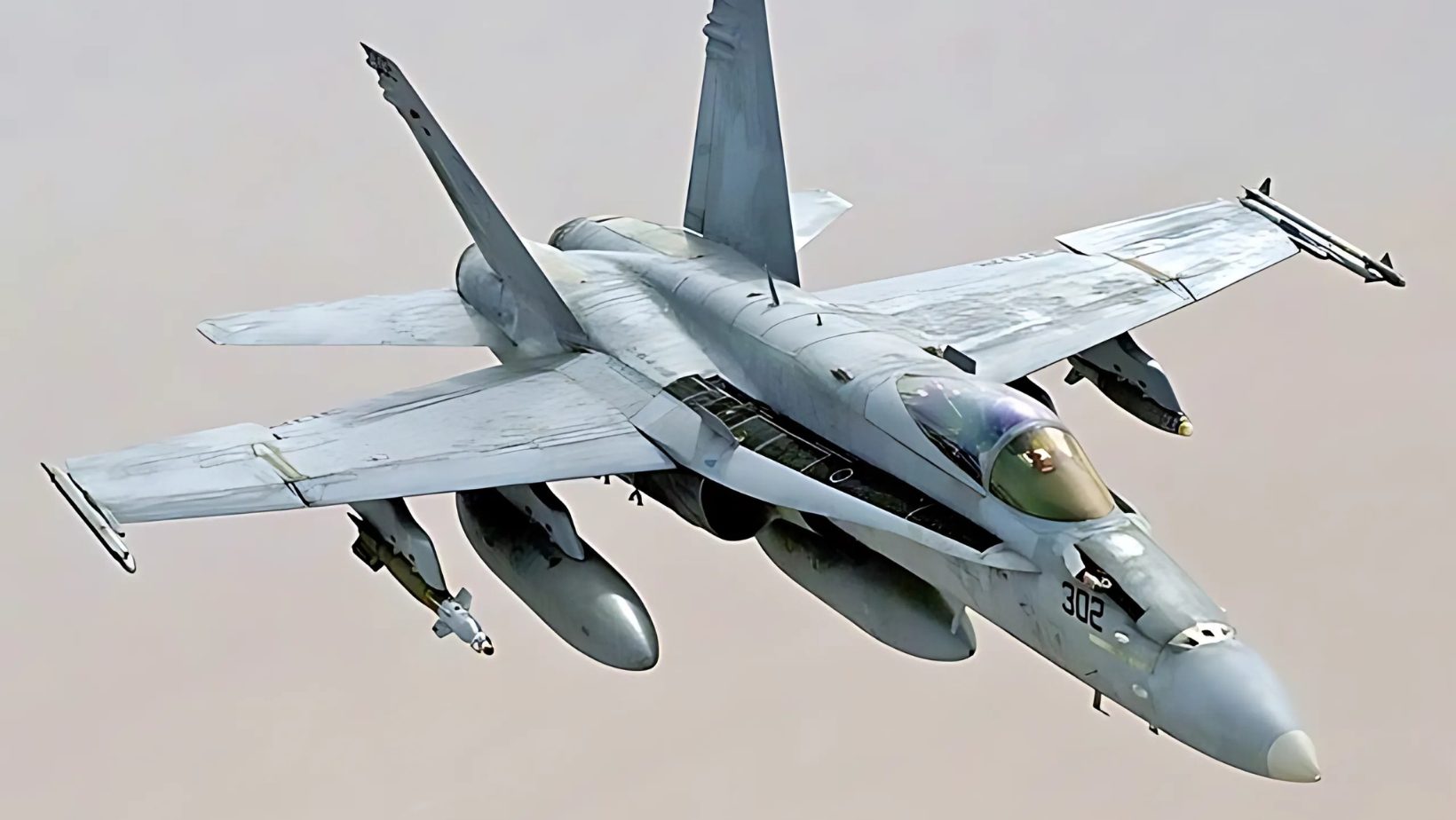
In the dynamic world of modern military aviation, few aircraft have achieved the iconic status of the Boeing F/A-18E/F Super Hornet. Evolving from the original F/A-18 Hornet, this advanced, twin-engine, carrier-capable, multirole fighter jet has solidified its place as a reliable workhorse for the United States Navy and allied forces. As of 2025, the Super Hornet continues to dominate naval air power, thanks to its unmatched versatility, combat readiness, and technological upgrades that keep it relevant against next-generation threats.
Originally designed by McDonnell Douglas and now produced by Boeing, the F/A-18E (single-seat) and F/A-18F (two-seat) variants entered operational service in 2001, replacing the legendary F-14 Tomcat. From high-speed air-to-air missions to precision air-to-ground strikes, the Super Hornet was built as a true multirole fighter capable of handling the demands of 21st-century warfare. The aircraft’s adaptability has seen it actively deployed in critical combat zones including Afghanistan, Iraq, and operations against hostile forces in Syria.
What sets the Super Hornet apart is its constant evolution. The introduction of Block II and the latest Block III variants has transformed this fighter jet into a platform equipped with advanced AESA radar systems, upgraded stealth features, enhanced network-centric warfare capabilities, and increased service life of up to 10,000 flight hours. These improvements ensure the Super Hornet remains a critical asset for carrier-based operations well into the 2030s.
Powered by two robust General Electric F414-GE-400 turbofan engines, the Super Hornet boasts a top speed of over 1,190 mph (Mach 1.6) and a combat radius exceeding 390 nautical miles. Its 11 weapons hardpoints can carry a lethal mix of air-to-air missiles, precision-guided munitions, and external fuel tanks, while its adaptability allows it to serve in roles ranging from strike fighter to aerial tanker with modular equipment.
Beyond its operational prowess, the Super Hornet also commands attention in the international defense market. Nations like Australia and Kuwait have already integrated it into their fleets, while new buyers seek its proven performance and cost-efficiency compared to newer 5th-gen fighters. Its continued relevance is amplified by its seamless interoperability with U.S. and NATO forces, making it an attractive option for countries prioritizing both capability and strategic alliance.
In a rapidly advancing defense landscape, the Boeing F/A-18E/F Super Hornet stands as a prime example of how smart engineering and consistent modernization can extend the operational life of a fighter platform. More than just a combat aircraft, it’s a symbol of reliable air superiority and a trusted guardian of naval aviation power in a complex, evolving world.
Boeing F/A-18E/F Super Hornet
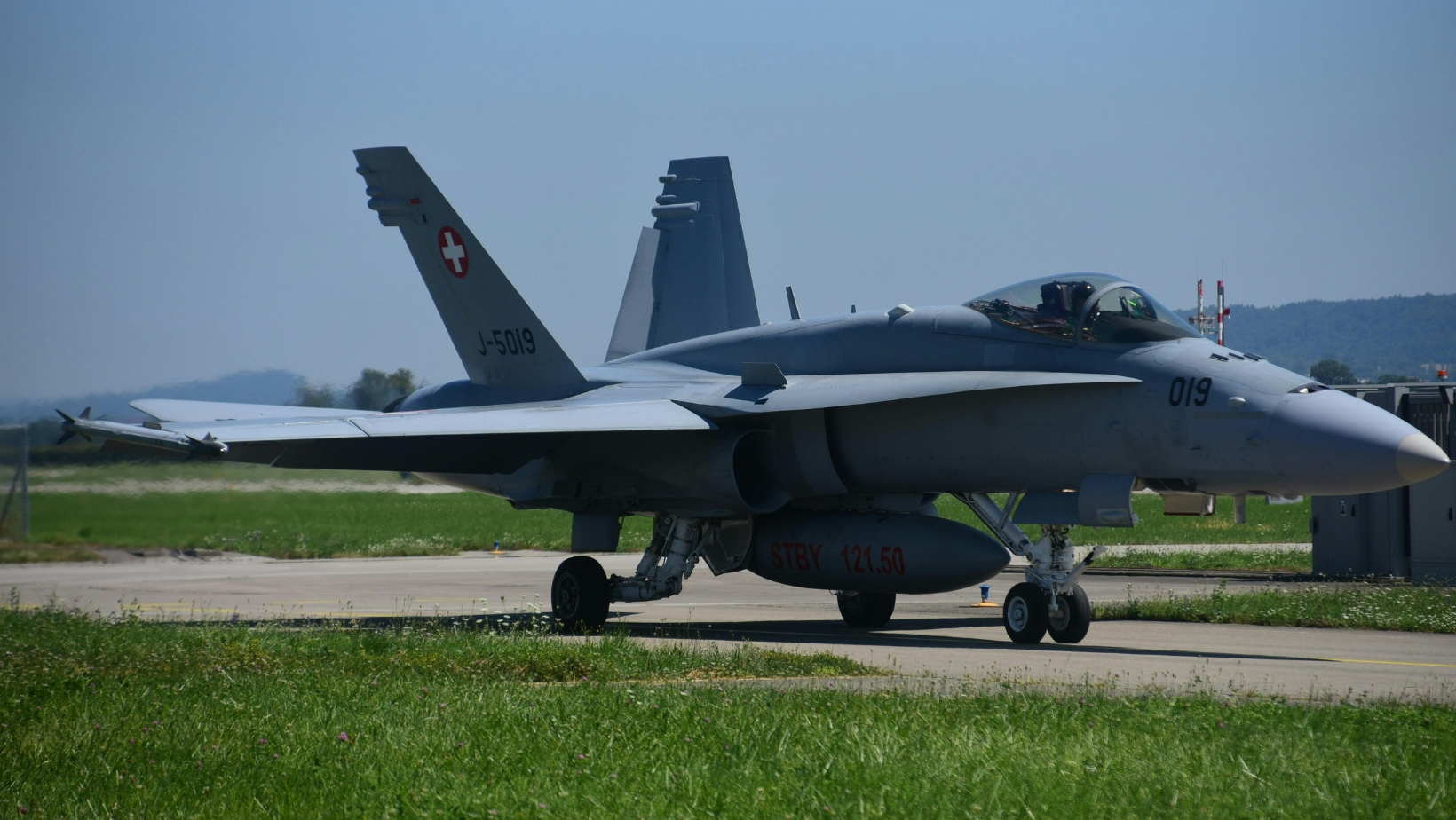
| Name | Boeing F/A-18E/F Super Hornet |
| Nickname | “Super Hornet” |
| Type | Carrier-based multirole fighter aircraft |
| Manufacturer | Boeing (previously McDonnell Douglas) |
| First Flight | November 29, 1995 (F/A-18E/F variant) |
| Entered Service | 2001 (U.S. Navy) |
| Role | Multirole fighter, strike fighter, air superiority, electronic warfare |
| Crew | 1 (F/A-18E) or 2 (F/A-18F) |
| Length | 18.3 meters (60 feet) |
| Wingspan | 13.62 meters (44.7 feet) |
| Height | 4.88 meters (16 feet) |
| Maximum Takeoff Weight | 29,000 kg (66,000 lbs) |
| Top Speed | Mach 1.8 (1,190 mph or 1,915 km/h) |
| Combat Range | 1,250 nautical miles (2,315 km) |
| Service Ceiling | 50,000 feet (15,240 meters) |
| Armament | Variety of bombs, missiles, including AIM-7 Sparrow, AIM-120 AMRAAM, AGM-65 Maverick, etc. |
| Avionics | AN/APG-79 AESA radar, digital fly-by-wire, infrared targeting system (ATFLIR), GPS-guided weapons |
| Powerplant | 2 × Pratt & Whitney F414-GE-400 turbofan engines (22,000 lbf thrust each) |
| Unit Cost | Approximately $70 million (per unit, 2025 prices) |
| Operators | United States, Australia, Kuwait, Qatar, Malaysia, Canada (proposed) |
| Total Units in Service | 700+ (2025 estimate) |
| Nickname of U.S. Version | “Super Hornet” |
Development
The origins of the Boeing F/A-18E/F Super Hornet trace back to the mid-1980s, a period marked by the U.S. Navy’s growing concerns about the longevity and operational effectiveness of its frontline carrier-based fighter fleet. At the time, the Navy operated a combination of aircraft, including the aging F-14 Tomcat, the original F/A-18 Hornet, and the A-6 Intruder. While the F/A-18 Hornet, introduced in the late 1970s, had proven highly effective in multirole operations, it was increasingly evident that its combat radius, payload capacity, and survivability would be insufficient to meet evolving 21st-century threats.
Recognizing this, the U.S. Department of Defense and Navy leadership sought a cost-effective, rapidly deployable solution that could replace several aging platforms without the prohibitive expenses of developing an entirely new aircraft from scratch. This initiative coincided with the termination of the A-12 Avenger II stealth attack aircraft program in 1991, which had been over budget and behind schedule. As a result, the Navy pivoted toward a practical solution: developing a larger, more capable derivative of the proven F/A-18 design.
In 1992, the program was formally initiated under the F/A-18E/F designation, with McDonnell Douglas (which would later merge with Boeing in 1997) leading development. The goal was to address the operational shortcomings of earlier Hornet models while integrating new technologies to enhance survivability, combat range, and mission flexibility.
Design Objectives and Military Requirements
The design objectives for the F/A-18E/F Super Hornet were established to create a multirole fighter aircraft capable of excelling in both air-to-air combat and air-to-ground strike missions, while also meeting stringent naval operational requirements. Among the critical enhancements sought by the U.S. Navy were:
Increased Combat Radius: One of the primary limitations of the original F/A-18 Hornet was its relatively short range. The Super Hornet was designed with an expanded internal fuel capacity of approximately 36% more than the F/A-18C/D, addressing this issue without relying excessively on external fuel tanks.
Enhanced Survivability: To counter emerging air defense threats, the design incorporated reduced radar cross-section (RCS) features, advanced electronic warfare (EW) systems, and improved defensive countermeasures.
Greater Payload Capacity: The new aircraft featured 11 weapons stations, compared to the Hornet’s nine, and increased maximum takeoff weight, enabling it to carry a broader array of modern precision-guided munitions, missiles, and external fuel tanks.
Carrier Compatibility: As a naval aircraft, the Super Hornet needed to maintain robust carrier-landing capability. The design included enlarged leading-edge extensions (LEX), larger control surfaces, and strengthened landing gear for arrested landings on aircraft carriers.
Future Upgrade Potential: The airframe and avionics architecture were designed with modularity and adaptability in mind, allowing for incremental upgrades like the Block II and Block III variants introduced in subsequent decades.
Prototyping and Initial Production
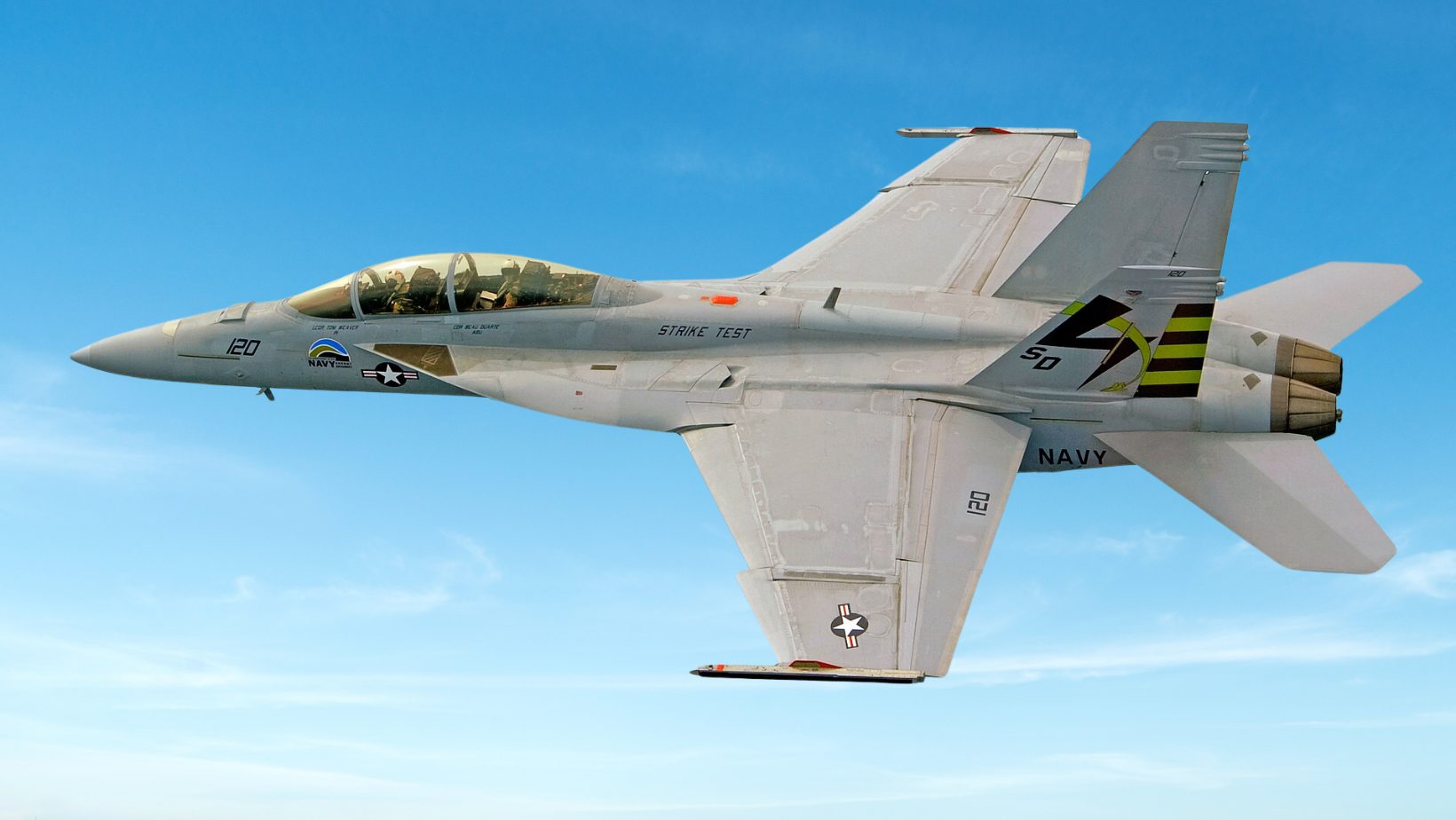
The first F/A-18E/F Super Hornet prototype took to the skies on November 29, 1995, from Lambert–St. Louis International Airport in Missouri, marking a pivotal moment in the program’s development. Flight testing quickly demonstrated that the redesigned aircraft achieved significant improvements over its predecessor in terms of range, payload, and handling characteristics.
Following a series of successful test flights and carrier suitability trials aboard the USS John C. Stennis (CVN-74) in January 1997, the U.S. Navy authorized low-rate initial production (LRIP). This phase saw the manufacturing of early operational aircraft while simultaneously conducting extensive operational evaluation and fleet integration assessments.
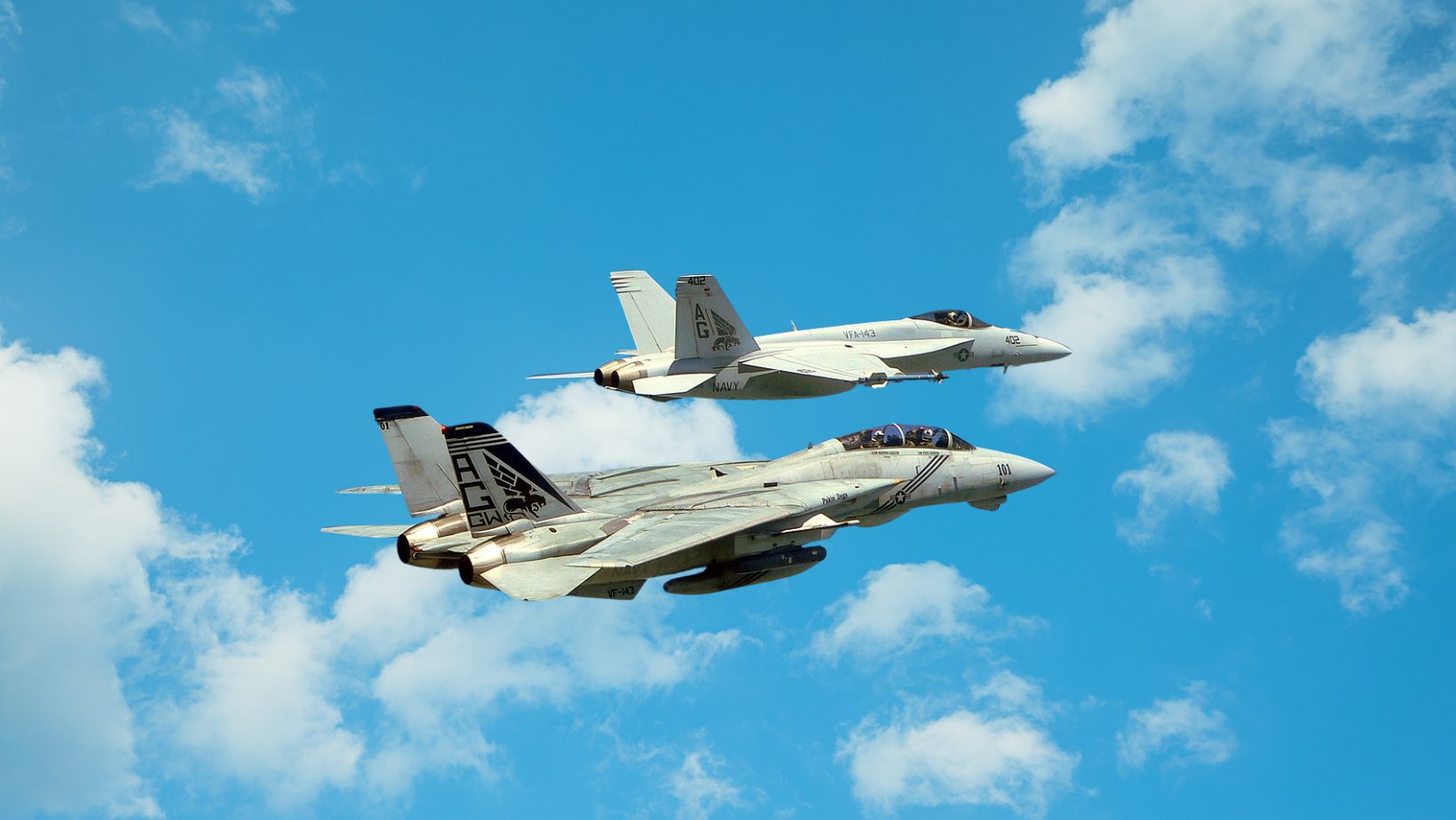
In August 1997, just a month after McDonnell Douglas’s merger with Boeing, the program transitioned to full-rate production. The Navy officially introduced the Super Hornet into operational service in 2001, initially deploying it alongside legacy F/A-18 Hornets and eventually replacing the venerable F-14 Tomcat, which was retired in 2006.
Notably, the Super Hornet platform also paved the way for specialized variants like the EA-18G Growler, an advanced electronic warfare aircraft, further extending the versatility of the design.
Testing Phases and Performance Evaluation
Following its maiden flight on November 29, 1995, the Boeing F/A-18E/F Super Hornet entered an extensive and methodically planned testing and evaluation program designed to validate its capabilities and ensure it met the rigorous operational requirements of the United States Navy. As an evolution of the original F/A-18 Hornet, this aircraft represented a significant leap in terms of range, payload capacity, survivability, and avionics — qualities critical for sustaining naval air superiority into the 21st century.
The Super Hornet’s flight test program commenced at Naval Air Station Patuxent River in Maryland and at Naval Air Weapons Station China Lake in California, two of the Navy’s primary aviation testing facilities. Between 1996 and 1999, the aircraft underwent a comprehensive series of evaluations under the Navy’s Operational Test and Evaluation Force (OPTEVFOR), assessing key performance aspects such as carrier takeoffs and landings, weapons integration, air-to-air and air-to-ground mission profiles, and electronic warfare capabilities.
A landmark moment arrived in 1999 when the Navy declared the Super Hornet operationally suitable and effective, clearing the way for full-rate production. According to Navy sources and Department of Defense reports from that time, the Super Hornet outperformed the original F-18 in range, payload, and maintainability, while also demonstrating improved survivability through advanced radar cross-section reduction and electronic countermeasures.
Improvements from the Original F/A-18 Hornet
The F/A-18E/F Super Hornet was not a simple upgrade but a comprehensive redesign, with approximately 42% larger airframe compared to the original F/A-18C/D models. Its internal fuel capacity increased by 33%, providing a greater unrefueled combat radius of over 500 nautical miles — a significant enhancement over its predecessor, addressing one of the Hornet’s primary limitations in long-range operations.
Key aerodynamic refinements included larger rectangular air intakes optimized for high-speed performance and improved engine airflow. The aircraft was powered by twin General Electric F414-GE-400 engines, offering about 35% more thrust than the older F404 engines of the legacy Hornets. This not only improved overall performance but allowed the Super Hornet to maintain supersonic speeds with a full combat load.
In terms of survivability, the Super Hornet featured reduced radar cross-section (RCS) designs integrated into its airframe — a crucial factor for modern air warfare scenarios involving advanced surface-to-air and air-to-air missile threats. Avionics upgrades included a digital flight control system, advanced cockpit displays, and compatibility with state-of-the-art sensors and weapons systems. These updates positioned the Super Hornet as a transitional multirole fighter, bridging the gap between fourth-generation platforms like the F-16 and F-15, and fifth-generation aircraft such as the F-22 Raptor and F-35 fighter jet.
Introduction of the Advanced Super Hornet
As the global security environment evolved and newer fifth-generation threats emerged, Boeing and the U.S. Navy sought to future-proof the Super Hornet through the Advanced Super Hornet initiative. Unveiled in 2013, this upgrade program aimed to significantly enhance the aircraft’s survivability, situational awareness, and combat effectiveness, ensuring its operational relevance well into the 2030s.
The Advanced Super Hornet demonstrator incorporated several cutting-edge features: an external conformal fuel tank (CFT) system for extended range without sacrificing payload capacity, an enclosed weapons pod to further reduce radar signature, and an upgraded cockpit suite with a Large Area Display (LAD) and advanced tactical targeting systems. Additionally, improved electronic warfare systems, such as the Next Generation Jammer (NGJ), were integrated to bolster its electronic attack and defensive capabilities.
These enhancements culminated in the F/A-18 Super Hornet Block III, the most advanced iteration of the platform, officially entering production in 2020. Block III brought a reduced radar signature, enhanced networking systems through the Tactical Targeting Network Technology (TTNT), and extended airframe service life from 6,000 to 10,000 flight hours. This modernization effort ensured the Super Hornet remained a competitive and versatile asset alongside newer fighters like the F-35 Lightning II while serving as the backbone of the U.S. Navy’s carrier-based air wing.
Design and Technical Specifications
The Boeing F/A-18E/F Super Hornet is a highly versatile, multirole fighter aircraft designed for carrier-based operations, equipped with advanced technology and capabilities that make it one of the most formidable aircraft in the United States Navy’s arsenal. Its design is a significant departure from the original F/A-18 Hornet, featuring various upgrades in airframe, avionics, and engine performance to meet modern warfare challenges.

Airframe and Aerodynamic Features
The airframe of the F/A-18E/F Super Hornet is notably larger than that of its predecessor, the F/A-18C Hornet, with a 42% larger airframe, which contributes to improved stability and overall performance. Its design includes a more substantial and robust structure to withstand the rigors of carrier operations, featuring swept-back wings and tailplanes that provide better lift and stability at higher speeds.
The aircraft’s wing area is also expanded, with a more aerodynamic design that enhances fuel efficiency and agility. This is complemented by the leading-edge extensions (LEX), which improve airflow over the wings, enabling better maneuverability at higher angles of attack. The Super Hornet’s forward-swept winglets help reduce drag and improve fuel efficiency at subsonic and transonic speeds, further extending its combat radius.
The Super Hornet’s increased size also means a larger internal fuel tank capacity, providing a 33% greater fuel volume than the original Hornet. This gives it a combat range of approximately 500 nautical miles without the need for external tanks, allowing for longer missions with fewer refueling requirements. The enhanced airframe and aerodynamic features contribute to the Super Hornet’s ability to perform a wide range of missions, from air superiority to ground attack.
Avionics, Radar, and Sensor Systems
One of the most significant upgrades in the Boeing F/A-18E/F Super Hornet is its avionics suite, which has been modernized to meet the demands of contemporary aerial combat. The aircraft is equipped with an AN/APG-79 AESA (Active Electronically Scanned Array) radar, which significantly improves its capability to detect and track targets in both air-to-air and air-to-ground engagements. This radar allows the Super Hornet to detect and track multiple targets simultaneously, providing superior situational awareness in complex combat environments.
In addition to the radar, the Super Hornet features an advanced electronic warfare system, which includes the AN/ALR-67(v)3 radar warning receiver and the AN/ALQ-214 electronic countermeasures system. These systems provide the aircraft with the ability to detect and jam enemy radar, making it more survivable in contested airspace.
The cockpit of the Super Hornet has also been updated with a glass cockpit design, featuring multi-function displays (MFDs) and an upgraded Heads-Up Display (HUD) that provides the pilot with critical information without needing to look away from the action. The addition of a central digital processing unit (DPU) has enhanced the processing power and allowed the integration of new sensors and mission systems, which can be quickly upgraded as new technologies become available.
Moreover, the Super Hornet is equipped with sensor fusion capabilities, enabling it to integrate data from multiple sources — including radar, infrared, and electronic sensors — into a single, coherent picture of the battlespace. This is essential for carrying out precision strike missions and for maintaining air superiority.
Engine Configuration and Performance
The engine configuration of the F/A-18E/F Super Hornet is one of the key elements that enhances its performance compared to the original Hornet. It is powered by two General Electric F414-GE-400 engines, each capable of producing 22,000 pounds of thrust in afterburner, a significant increase in power compared to the F/A-18C’s F404 engines. This power boost enables the Super Hornet to carry a larger payload, increase its speed, and improve its overall maneuverability.
The F414 engines also contribute to the Super Hornet’s ability to maintain supersonic speeds with a full weapons load, while still providing greater fuel efficiency compared to older engine models. This is crucial for extending the aircraft’s operational range, especially during long-duration carrier missions.
With a top speed of around Mach 1.8, the Super Hornet is capable of engaging in high-speed intercepts and combat scenarios while maintaining a high degree of agility. Its service ceiling of approximately 50,000 feet allows it to engage enemy aircraft at a wide range of altitudes, from close-in dogfights to high-altitude intercepts.
In terms of payload, the Super Hornet can carry a maximum of 17,750 pounds of ordinance across its 11 hardpoints, enabling it to perform a wide variety of roles, including air-to-air combat, precision strikes, and close air support. The aircraft is capable of carrying a range of weapons, including guided bombs, air-to-air missiles, and electronic warfare pods, making it a true multirole fighter.
Cockpit Layout and Pilot Interface
The Boeing F/A-18E/F Super Hornet features a highly advanced, ergonomically designed cockpit tailored for multi-role combat operations. The single-seat F/A-18E and two-seat F/A-18F configurations share a common, digital “glass cockpit” layout, integrating state-of-the-art avionics and user-centric interfaces to enhance situational awareness, pilot workload management, and mission effectiveness.
A significant upgrade from its predecessor, the original F/A-18 Hornet, the Super Hornet’s cockpit includes three large, multi-function liquid crystal displays (LCDs), replacing the older cathode-ray tube indicators. These screens present radar data, weapons status, electronic warfare information, and navigation details in a centralized, customizable format, allowing pilots to configure displays based on mission needs.
The heads-up display (HUD) projects critical flight and targeting information directly onto a transparent screen in the pilot’s line of sight, minimizing the need to divert attention from the airspace. Complementing this is the Joint Helmet Mounted Cueing System (JHMCS), which enables pilots to track and cue weapons simply by looking at a target — a vital asset in high-speed, multi-axis engagements. This system works seamlessly with the aircraft’s AIM-9X Sidewinder and other modern air-to-air ordnance.
In addition to standard control stick and throttle (HOTAS) setups, the F/A-18E/F integrates voice command features in its Block III variants, introduced in 2021. This further reduces pilot workload in complex scenarios, especially during simultaneous multi-role missions such as fleet defense, ground attack, and electronic warfare.
Stealth Features and Radar Cross-Section Reduction Measures
While not a true stealth aircraft like the F-22 fighter jet or F-35 fighter jet, the F/A-18E/F Super Hornet incorporates a number of design refinements aimed at reducing its radar cross-section (RCS) and improving survivability in contested environments.
Key measures include reshaped air intakes with serrated edges (called radar blockers) designed to minimize radar reflections from the engine fan blades — one of the most radar-visible components on a jet. Additionally, the Super Hornet features a cleaner airframe with fewer protruding antennas and sensors, along with smoother panel joints to limit radar returns.
The aircraft’s fuselage is coated with radar-absorbent materials (RAM) in critical areas, and care was taken to align the edges and surfaces to deflect radar energy away from enemy radars. Wing and tail surfaces were also redesigned with an emphasis on angular alignment to mitigate radar detection.
While its RCS reduction isn’t as extreme as fifth-generation platforms like the F-35, these enhancements make the F-18 Super Hornet notably harder to detect than older fourth-generation fighters such as the F-16 or the original Hornet. This allows it to survive and operate effectively in heavily defended airspace where stealth is advantageous but full fifth-generation capability isn’t available or necessary.
Variants Overview: F/A-18E vs F/A-18F
The Boeing F/A-18E/F Super Hornet was developed as a larger, more capable evolution of the original F/A-18 Hornet, designed to meet the U.S. Navy’s carrier-based multi-role fighter requirements. It comes in two primary configurations:
F/A-18E Super Hornet (Single-Seat)
The F/A-18E is a single-seat variant optimized for strike, air superiority, and fleet defense missions. This version enhances survivability and range over the earlier Hornet, featuring increased internal fuel capacity (over 33% more) and additional hardpoints for ordnance. It can perform precision strikes, close air support, air interdiction, and maritime operations, while also serving as a carrier-based air superiority platform.F/A-18F Super Hornet (Two-Seat)
The F/A-18F is the two-seat version, with a rear cockpit occupied by a Naval Flight Officer (NFO) or Weapons Systems Officer (WSO). The second crew member manages mission systems, sensor operations, electronic warfare tasks, and complex air-to-air engagements, significantly enhancing the aircraft’s operational versatility. This variant is particularly valuable in long-range strike missions, aerial refueling coordination, and suppression of enemy air defenses (SEAD).
Both versions share over 90% of their systems, airframe components, and performance characteristics, maintaining operational flexibility across the U.S. Navy’s carrier strike groups. The Block III upgrade, which began delivery in 2021, introduced advanced avionics, a new 10×19-inch touchscreen large-area display (LAD), improved survivability measures, conformal fuel tanks for extended range, and enhanced networked warfare capabilities — ensuring the Super Hornet remains a frontline fighter into the 2030s.
Armament and Combat Capabilities
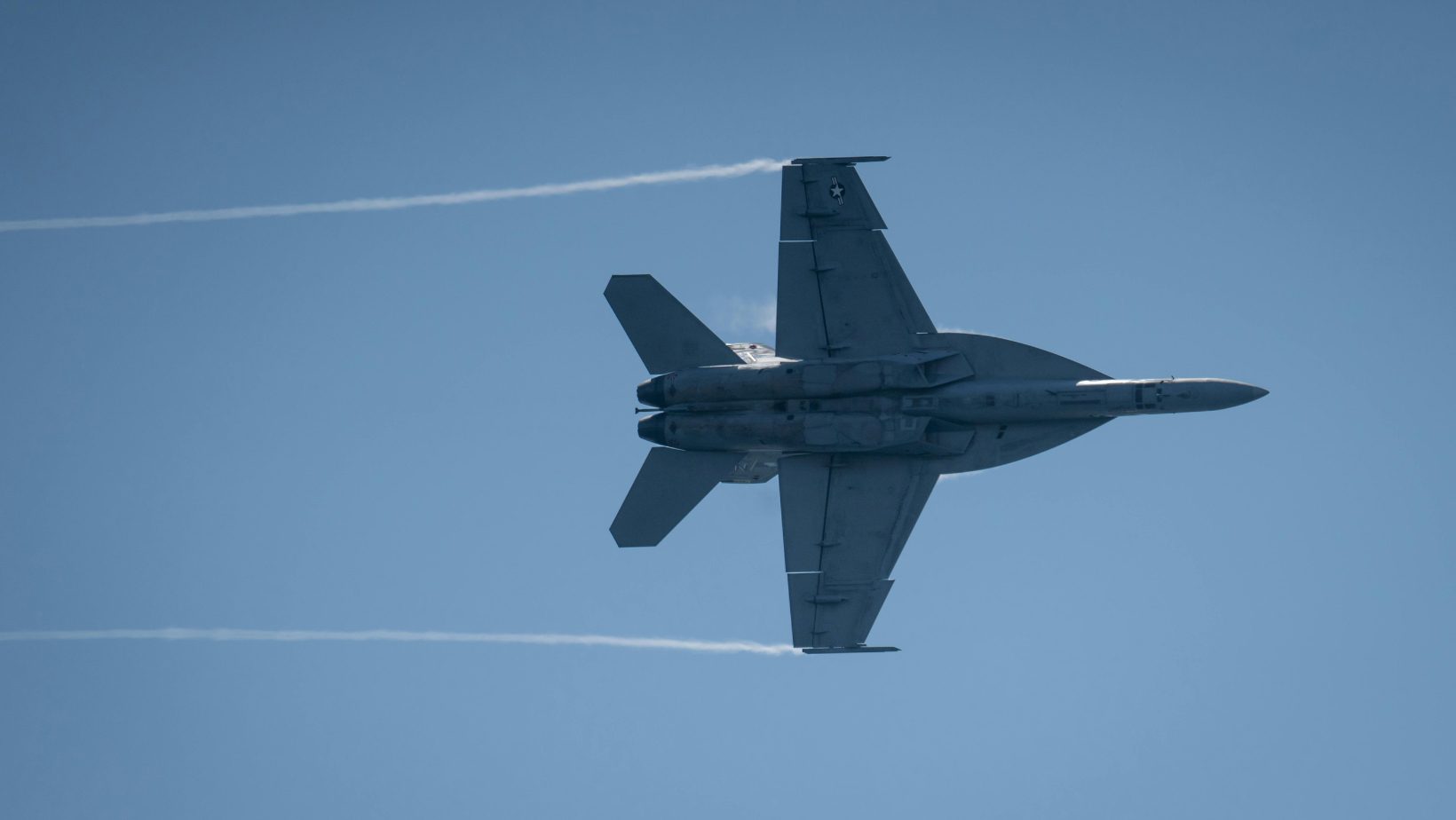
The Boeing F/A-18E/F Super Hornet stands among the most versatile and heavily armed multi-role combat aircraft in the United States Navy’s inventory. Designed as an evolution of the original F/A-18 Hornet platform, the Super Hornet boasts a formidable combination of air-to-air weapon systems, air-to-ground munitions, and advanced electronic warfare capabilities. These features have made the F/A-18E/F an indispensable asset for carrier strike groups and expeditionary forces since its operational introduction in 2001.
Air-to-Air Weapon Systems
At the heart of the Super Hornet’s air superiority role is its robust air-to-air armament, enabling it to engage enemy aircraft across short, medium, and long ranges. The aircraft is equipped with an internal M61A2 Vulcan 20mm rotary cannon, capable of firing 6,000 rounds per minute, providing close-quarters combat capability against hostile aircraft and airborne threats.
The primary missile armament includes the AIM-120 Advanced Medium-Range Air-to-Air Missile (AMRAAM) for beyond-visual-range (BVR) engagements. This radar-guided missile offers precision targeting up to approximately 100 miles (160 km) under optimal conditions. For within-visual-range dogfights, the Super Hornet utilizes the AIM-9X Sidewinder, a highly maneuverable infrared-guided missile that can lock onto targets off-boresight, a feature enhanced by the aircraft’s Joint Helmet-Mounted Cueing System (JHMCS), which allows pilots to target enemies by simply looking in their direction.
Thanks to its advanced radar systems — particularly the AN/APG-79 Active Electronically Scanned Array (AESA) radar introduced on later Block II and Block III variants — the Super Hornet can simultaneously track and engage multiple airborne threats, rivaling the situational awareness capabilities of newer fighters like the F-35 fighter jet and F-22 fighter jet.
Air-to-Ground Munitions
As a true multi-role platform, the Boeing F/A-18E/F Super Hornet excels in strike missions against ground and maritime targets. The aircraft can carry an extensive range of precision-guided munitions, unguided bombs, and air-to-surface missiles on its 11 hardpoints, capable of accommodating up to 17,750 pounds (8,050 kg) of ordnance.
Among its key precision strike weapons are the Joint Direct Attack Munition (JDAM) kits, which convert conventional bombs into GPS-guided smart weapons, and the AGM-154 Joint Standoff Weapon (JSOW), designed for engaging heavily defended targets from a safe distance. Additionally, the Super Hornet is capable of deploying the AGM-88 High-Speed Anti-Radiation Missile (HARM), specifically intended for suppressing enemy air defenses (SEAD) by homing in on radar emissions.
For maritime strike roles, the F/A-18E/F can carry the AGM-84 Harpoon anti-ship missile, a proven weapon system against enemy vessels. In recent years, the aircraft has also been cleared for the AGM-158C Long-Range Anti-Ship Missile (LRASM), a next-generation stealth cruise missile designed to counter advanced naval threats at extended ranges, significantly improving the U.S. Navy’s anti-surface warfare capabilities.
Electronic Warfare and Defensive Aids
Beyond its offensive payload, the Super Hornet integrates cutting-edge electronic warfare (EW) systems and defensive countermeasures essential for modern aerial combat. Notably, the EA-18G Growler, a specialized electronic attack variant based on the F/A-18F airframe, extends the platform’s EW capabilities by jamming enemy radar, communications, and data links — a vital function in suppressing sophisticated integrated air defense systems (IADS).
The standard F/A-18E/F Super Hornet is equipped with the AN/ALQ-214 Integrated Defensive Electronic Countermeasures (IDECM) system, which detects, identifies, and counters radar-guided threats through jamming and decoy tactics. The aircraft also employs the AN/ALE-55 Fiber Optic Towed Decoy (FOTD) system, designed to lure away radar-guided missiles.
To further enhance survivability, the aircraft includes radar warning receivers (RWR), chaff and flare dispensers, and missile approach warning systems (MAWS). The ongoing Block III upgrade, currently entering service as of 2023, introduces enhanced cockpit displays, increased networking capabilities, and upgraded survivability features, ensuring the Super Hornet remains a capable counterpart to fifth-generation fighters like the F-35 and a crucial component of the U.S. Navy’s carrier air wings well into the 2030s.
Operational Significance
Since its debut, the Boeing F/A-18E/F Super Hornet has proven its combat versatility in numerous conflicts, from operations in Iraq and Afghanistan to modern maritime patrol missions in the Indo-Pacific. Its balanced mix of air-to-air and air-to-ground weapon systems, coupled with advanced electronic warfare tools, provides commanders with a flexible, carrier-based platform capable of performing air dominance, strike, suppression of enemy defenses, and reconnaissance missions with equal proficiency.
As of 2025, with procurement of Block III Super Hornets ongoing and the eventual transition toward sixth-generation aircraft like the Next Generation Air Dominance (NGAD) program, the F/A-18E/F continues to evolve, maintaining its status as one of the world’s premier f-18 fighter jet platforms and a central figure in U.S. naval aviation strategy.
Reconnaissance and Refueling Capabilities
Beyond its reputation as a formidable multirole fighter, the Boeing F/A-18E/F Super Hornet is also equipped with advanced reconnaissance and aerial refueling capabilities, which significantly expand its operational versatility. The aircraft’s adaptability in both offensive and support roles has cemented its value within the U.S. Navy’s carrier air wings since its introduction in 1999.
One of the Super Hornet’s notable enhancements over its predecessor, the F/A-18 Hornet, is its ability to be configured for aerial refueling missions. Select Super Hornets, designated as “Buddy Store” tankers, carry a removable external fuel tank equipped with a hose-and-drogue system. This capability allows a Super Hornet to act as a tactical airborne refueling asset, providing fuel to other carrier-based aircraft such as fellow Super Hornets, F-35 fighter jets, and EA-18G Growlers during extended sorties. This refueling versatility is especially critical in carrier operations, where mid-mission refueling can determine the success of long-range strikes or extended patrols over contested regions.
In addition to refueling duties, the F/A-18E/F Super Hornet is capable of carrying state-of-the-art reconnaissance pods, such as the Shared Reconnaissance Pod (SHARP). Introduced in the early 2000s as a replacement for the aging F-14 Tomcat’s TARPS system, the SHARP pod offers high-resolution imagery collection across a broad spectrum of environmental conditions, including day and night operations. Mounted on the aircraft’s centerline hardpoint, SHARP provides real-time intelligence, surveillance, and reconnaissance (ISR) support — a vital component in both pre-strike mission planning and post-strike battle damage assessment.
Notable Technological Systems
Technological innovation has been at the heart of the Boeing F/A-18E/F Super Hornet’s continued relevance on modern battlefields, especially as it operates alongside fifth-generation aircraft like the F-22 fighter jet and F-35 Lightning II. Among its most advanced systems is the Active Electronically Scanned Array (AESA) radar, specifically the Raytheon AN/APG-79. This radar, integrated in the Block II Super Hornets and carried forward into the Block III upgrade, offers significant improvements over earlier mechanically scanned arrays. The APG-79 provides pilots with simultaneous air-to-air and air-to-ground targeting, enhanced tracking of multiple targets, increased resistance to electronic jamming, and improved mapping capabilities — even through adverse weather or ground clutter.
Complementing the AESA radar is the Super Hornet’s Forward-Looking Infrared (FLIR) system, typically mounted in a targeting pod such as the AN/ASQ-228 ATFLIR. This advanced thermal imaging sensor allows the aircraft to detect, identify, and track heat signatures from vehicles, aircraft, and personnel at extended ranges. The FLIR capability is particularly crucial for precision-guided munitions delivery and covert surveillance missions, granting the Super Hornet an edge in both strike and reconnaissance roles during low-visibility operations.
The Block III Super Hornet, which began deliveries to the U.S. Navy in September 2021, further enhances these technological systems. It introduces Distributed Targeting Processor-Networked (DTP-N) and Tactical Targeting Network Technology (TTNT), enabling faster data processing and high-speed secure data sharing between aircraft and command centers. This network-centric warfare capability ensures seamless integration with platforms like the F-35 fighter jet, providing situational awareness superiority in contested environments.
Combined, these systems allow the Boeing F/A-18E/F Super Hornet to remain a highly effective multi-role platform capable of performing reconnaissance, strike, refueling, and electronic warfare support missions from the deck of a U.S. Navy aircraft carrier. Its enduring versatility and constant technological upgrades have helped maintain its operational relevance well into the 2020s, securing its place alongside — and complementing — newer aircraft like the F-35C in naval aviation strategy.
Operational History
The Boeing F/A-18E/F Super Hornet, a twin-engine, carrier-capable multirole fighter aircraft, has played a crucial role in the United States Navy’s air operations since its introduction in the late 1990s. Developed as a larger and more advanced variant of the original F/A-18 Hornet, the Super Hornet was designed to address the limitations of its predecessor while replacing aging fleets of F-14 Tomcats and augmenting capabilities alongside the F-35 fighter jet and other next-generation aircraft. Its operational history is marked by significant deployments, frontline combat roles, and consistent evolution in response to emerging threats.

Service Entry and Early Deployments
The F/A-18E/F Super Hornet officially entered service with the United States Navy in 1999, following an extensive testing and evaluation phase that began in the mid-1990s. The aircraft achieved Initial Operational Capability (IOC) in September 2001, just as the United States was entering a new era of military engagement in the wake of the September 11 terrorist attacks. The Strike Fighter Squadron 115 (VFA-115), stationed aboard the USS Abraham Lincoln (CVN-72), became the first operational squadron to transition from the older F/A-18C Hornet to the new Super Hornet.
The Super Hornet’s early deployments were shaped by the post-9/11 global security environment. In July 2002, VFA-115 deployed to the Persian Gulf as part of Operation Southern Watch, enforcing the no-fly zone over southern Iraq. The deployment marked the Super Hornet’s combat debut and demonstrated its flexibility in both air-to-air and air-to-ground operations.
Major Conflicts and Combat Performance
The Super Hornet’s operational reputation was solidified during the 2003 invasion of Iraq under Operation Iraqi Freedom. Participating extensively in combat sorties, Super Hornets launched precision-guided munitions and provided vital close air support for coalition ground forces. According to official U.S. Navy records, the aircraft conducted thousands of sorties during the conflict without a single combat loss, underscoring its reliability, survivability, and operational versatility.
During these operations, the Super Hornet benefited from its advanced AESA (Active Electronically Scanned Array) radar, FLIR targeting pods, and electronic warfare suites, providing pilots with superior situational awareness in complex airspace. Its ability to carry a diverse payload — including JDAMs, laser-guided bombs, and AIM-120 AMRAAM missiles — allowed it to perform multiple mission types within a single sortie, a capability increasingly vital in modern, asymmetric combat environments.
Subsequent deployments saw the F/A-18E/F Super Hornet active in Operation Enduring Freedom in Afghanistan and Operation Inherent Resolve against ISIS targets in Iraq and Syria. The Super Hornet proved particularly valuable in these operations, where long-duration patrols, rapid target acquisition, and high-precision strikes were essential.
United States Navy Operational Use
Since its induction, the F/A-18E/F Super Hornet has become the backbone of the United States Navy’s carrier-based air power. With the retirement of the F-14 Tomcat in 2006, the Super Hornet assumed the primary air superiority and strike roles aboard U.S. aircraft carriers, operating alongside older F/A-18C/D Hornets and, more recently, the F-35C Lightning II.
Notably, the Super Hornet was featured prominently during the 2011 NATO-led intervention in Libya (Operation Odyssey Dawn), flying from the USS Enterprise (CVN-65) and delivering precision munitions against Libyan government targets. The aircraft’s multirole capability and advanced targeting systems made it a critical asset in the highly fluid operational environment.
The aircraft’s operational versatility extends beyond combat roles. In its F/A-18F two-seat variant, the Super Hornet serves as a vital platform for the EA-18G Growler electronic warfare aircraft, which shares much of its airframe and avionics. Additionally, the Super Hornet has been integrated into carrier air wings conducting deterrence patrols in the South China Sea, joint exercises with NATO allies, and humanitarian assistance operations.
As of 2025, the Super Hornet remains in front-line service with several active and reserve squadrons. The Block III upgrade program, introduced in 2021, has extended the platform’s operational lifespan, enhancing its range, survivability, and data connectivity to ensure interoperability with fifth-generation fighters like the F-35 and advanced surface assets.
The enduring utility of the Super Hornet is perhaps best illustrated by its starring role in popular culture. In 2022’s “Top Gun: Maverick”, U.S. Navy pilots flew F/A-18E/F Super Hornets in high-speed, high-stakes maneuvers, reaffirming the aircraft’s symbolic and operational status within the U.S. Navy.
Legacy and Future Prospects
While discussions continue regarding the Super Hornet’s eventual replacement — with the Next Generation Air Dominance (NGAD) program and expanded F-35C procurements under consideration — the F/A-18E/F remains a cornerstone of naval aviation. Its combination of proven combat performance, continual upgrades, and operational adaptability ensures that it will remain a critical component of U.S. naval strategy well into the 2030s.
As of 2024, the U.S. Navy has expressed intent to operate a mixed fleet, with Super Hornets complementing F-35C fighter jets until next-generation aircraft fully mature. The Block III Super Hornet, with its conformal fuel tanks, enhanced cockpit systems, and advanced networking capabilities, represents the pinnacle of fourth-generation carrier-based combat aircraft — a testament to the enduring success of Boeing’s F/A-18 platform.
Royal Australian Air Force Service Record
The Boeing F/A-18E/F Super Hornet holds a significant place in the operational history of the Royal Australian Air Force (RAAF), marking a pivotal modernization step for the nation’s aerial combat capabilities. In March 2007, the Australian government, faced with delays in the F-35 fighter jet program and the need to retire its aging fleet of F-111C strike aircraft, announced the acquisition of 24 F/A-18F Super Hornets as an interim solution. The deal, valued at approximately AUD 6 billion, was finalized with deliveries commencing in 2009 and concluding ahead of schedule by October 2011.
RAAF Base Amberley in Queensland became the primary operational hub for Australia’s Super Hornets, where No. 1 Squadron was reactivated to operate the new jets. The acquisition significantly bolstered the RAAF’s strike and multirole capabilities, integrating advanced systems like the AN/APG-79 Active Electronically Scanned Array (AESA) radar and compatibility with a range of precision-guided munitions.
Since entering service, the Australian Super Hornets have actively participated in numerous regional exercises, including Pitch Black, Talisman Sabre, and Bersama Shield, while also contributing to international operations. Notably, from September 2014, Australian Super Hornets were deployed to the Middle East as part of Operation Okra, supporting coalition efforts against ISIS in Iraq and Syria. Operating from Al Minhad Air Base in the United Arab Emirates, these aircraft conducted hundreds of combat sorties, demonstrating reliability, combat effectiveness, and interoperability with U.S. and allied forces.
The RAAF’s investment in the Super Hornet platform also paved the way for the eventual procurement of the EA-18G Growler electronic warfare variant, solidifying Australia’s position as the only country outside the United States to operate this sophisticated electronic attack platform.
Kuwait Air Force and Other Confirmed Users
In recent years, the Boeing F/A-18E/F Super Hornet expanded its footprint beyond the United States and Australia. One notable international customer is the Kuwait Air Force, which sought to modernize its fighter fleet amid regional security challenges and the need to replace aging aircraft.
In September 2018, Boeing secured a $1.5 billion contract to supply 22 F/A-18E and six F/A-18F Super Hornets to Kuwait. Deliveries commenced in 2021, with the aircraft tailored to the Block III configuration — featuring an advanced cockpit system, conformal fuel tanks for increased range, and enhanced networking capabilities. These upgrades positioned Kuwait’s fleet among the most advanced F-18 fighter jet variants in service globally.
The Kuwait Air Force’s Super Hornets have significantly enhanced the nation’s aerial defense posture, enabling multirole operations from air superiority to precision strike and reconnaissance missions. Additionally, the acquisition ensured interoperability with U.S. and allied air forces in the region, a crucial factor given ongoing geopolitical tensions in the Persian Gulf.
As of 2025, while several nations have evaluated the F/A-18E/F Super Hornet, confirmed operators remain limited, with Canada and Germany previously considering the platform but eventually opting for alternative systems such as the F-35 fighter jet.
Planned Future Service and Upgrades
Despite the emergence of fifth-generation fighters like the F-22 and F-35, the Boeing F/A-18E/F Super Hornet continues to play a critical role in the operational strategies of its users, particularly the United States Navy. Recognizing the necessity to bridge capability gaps and extend fleet viability, the U.S. Department of Defense approved a substantial modernization program centered around the Block III upgrade, ensuring the Super Hornet remains combat-relevant well into the 2030s.
The Block III configuration incorporates a range of enhancements, including reduced radar cross-section treatments, advanced networking capabilities, a new 10×19 inch touchscreen cockpit display, and conformal fuel tanks that extend range by up to 120 nautical miles. Additionally, improvements in mission systems and survivability features enable better integration with the latest air combat tactics, including manned-unmanned teaming concepts.
As of 2025, Boeing is actively delivering Block III Super Hornets to the U.S. Navy, with plans to retrofit existing Block II models. Australia has also indicated interest in adopting some Block III enhancements for its existing fleet, ensuring sustained operational effectiveness in the Indo-Pacific region.
Looking ahead, while the U.S. Navy plans to transition to a predominantly F-35C-equipped carrier air wing in the coming decades, the Super Hornet is set to remain a vital component of carrier strike groups through 2040. Its proven reliability, multirole flexibility, and relatively lower operational costs compared to stealth-centric platforms like the F-35 and the now-retired F-22 ensure it remains a valuable asset.
This future roadmap reflects the enduring importance of the Boeing F/A-18E/F Super Hornet in global air power strategy — a platform that has continuously evolved to meet the complex demands of modern aerial warfare.
Global Operators
The Boeing F/A-18E/F Super Hornet, a highly versatile multirole fighter, has earned its place as a reliable workhorse in several air forces worldwide. As an evolution of the original F/A-18 Hornet, the Super Hornet provides enhanced range, payload capacity, and advanced avionics, making it a formidable aircraft in both air superiority and strike missions. While the United States Navy remains its principal operator, countries like Australia and Kuwait have also integrated the Super Hornet into their air forces, each tailoring its use to their strategic needs.

The United States Navy is the largest and original operator of the Boeing F/A-18E/F Super Hornet. Introduced into service in 1999 as a replacement for aging fleets of the F-14 Tomcat, A-6 Intruder, and earlier Hornet variants, the Super Hornet was designed to modernize naval aviation with improved survivability, increased mission flexibility, and reduced operational costs.
The first operational deployment of the Super Hornet took place in 2002 aboard the USS Abraham Lincoln (CVN-72), where it participated in Operation Southern Watch over Iraq. Shortly after, it played a significant role during Operation Iraqi Freedom (2003), performing strike, close air support, and combat air patrol missions.
As of 2024, the Super Hornet remains the backbone of U.S. Navy carrier air wings, with over 500 units in service. Its continued relevance has been secured through ongoing upgrades, notably the Block III program, which enhances avionics, radar systems, and network-centric warfare capabilities. Block III aircraft began deliveries in 2021, ensuring the F/A-18E/F remains a capable asset alongside newer platforms like the F-35C Lightning II and complements legacy systems like the F-22 Raptor.
The U.S. Navy is expected to operate the Super Hornet well into the 2030s, with discussions underway about its eventual replacement by the Next Generation Air Dominance (NGAD) program.
Potential and Evaluated Operators
While the Boeing F/A-18E/F Super Hornet remains an operational cornerstone for several nations’ air forces and navies, it has also been actively considered by multiple countries seeking to modernize their combat aviation fleets. From India’s carrier aviation ambitions to Canada’s long-running fighter replacement program, the Super Hornet has featured prominently in several high-profile defense acquisition evaluations. Below is a comprehensive, fact-based account of key countries that have either assessed or expressed interest in the aircraft.
India’s pursuit of a modern, carrier-capable multirole fighter brought the F/A-18E/F Super Hornet into contention as part of the country’s ambitious Multi-Role Carrier Borne Fighter (MRCBF) program. With India’s indigenous INS Vikrant aircraft carrier entering service in 2022 and the operational limitations of its current MiG-29K fleet well-documented, the Indian Navy formally issued a Request for Information (RFI) in early 2017 for a new deck-based fighter.
In response, Boeing aggressively positioned the F-18 fighter jet as a reliable, combat-proven, and interoperable platform. Notably, Boeing conducted comprehensive trials in July 2022 at the Indian Navy’s shore-based test facility in Goa, demonstrating the Super Hornet’s capability to operate from ski-jump-style take-off ramps—a critical requirement for India’s STOBAR (Short Take-Off But Arrested Recovery) aircraft carriers. The aircraft performed multiple ski-jump launches and arrested landings, reinforcing its suitability for Indian naval operations.
Although the Dassault Rafale M also completed similar trials in early 2022, India has yet to officially announce its final selection. Defense analysts consider the decision pivotal for India’s naval air power future, with the F/A-18E/F Block III variant, featuring advanced avionics, enhanced networking capabilities, and reduced radar signature, remaining a strong contender as of 2025.
Canada
Canada’s long-running Future Fighter Capability Project (FFCP) was among the most closely watched defense procurements of the past decade. Aimed at replacing the Royal Canadian Air Force’s aging fleet of CF-18 Hornets (a licensed variant of the original F/A-18 Hornet), the competition initially attracted several high-profile entries, including the F/A-18E/F Super Hornet.
Boeing formally offered 18 interim Super Hornets in 2017 as a stopgap measure after Canada’s temporary withdrawal from the F-35 Joint Strike Fighter Program in 2016. However, the proposed sale became politically fraught due to trade disputes between Boeing and Canadian aerospace firm Bombardier, leading the Canadian government to cancel the planned interim procurement later that year.
Despite this setback, the F/A-18E/F remained in the running for the main FFCP competition until 2021, when the Canadian government narrowed its selection to the Lockheed Martin F-35A Lightning II and the Saab Gripen E. In March 2022, Canada officially selected the F-35 fighter jet as its next-generation combat aircraft, effectively ending the Super Hornet’s prospects in the Canadian market.
Finland
Finland’s extensive HX Fighter Program aimed to replace its F/A-18C/D Hornet fleet, which had been in service since the 1990s. The procurement process, valued at approximately €10 billion (USD $11.3 billion), was one of Europe’s most comprehensive fighter evaluations, involving five contenders: the F/A-18E/F Super Hornet, Eurofighter Typhoon, Dassault Rafale, Saab Gripen E, and the F-35A.
Boeing submitted both the F/A-18E/F Super Hornet Block III and the EA-18G Growler electronic warfare aircraft as part of a joint package, emphasizing operational familiarity with the F-18 platform, advanced Block III enhancements, and the unique electronic warfare capability of the Growler variant.
The competition concluded in December 2021, with the Finnish government selecting the F-35A Lightning II. Factors contributing to this decision reportedly included the F-35’s advanced stealth features, comprehensive sensor suite, and long-term interoperability benefits within NATO and allied frameworks. While the Super Hornet was well-regarded, particularly for its cost-effectiveness and proven operational record in Arctic conditions, it ultimately fell short against the more technologically advanced F-35 platform.
Germany
In March 2020, Germany publicly confirmed that it was considering the F/A-18E/F Super Hornet as part of its plan to replace its fleet of Panavia Tornado multirole combat aircraft, alongside the Eurofighter Typhoon and EA-18G Growler for electronic warfare missions. The German Air Force’s (Luftwaffe) aging Tornado fleet, used for nuclear sharing responsibilities within NATO, required a suitable replacement certified to carry B61 nuclear bombs, a capability the Eurofighter had not yet acquired.
Boeing’s proposal included 45 Super Hornets (for strike and nuclear deterrence roles) and EA-18G Growlers (for electronic warfare support). The Super Hornet’s NATO certification process for the B61-12 bomb was a significant advantage, as it aligned with Germany’s nuclear-sharing commitments with the United States.
Despite extensive evaluations and positive assessments of the Super Hornet’s capabilities, Germany ultimately announced in April 2022 that it would procure 35 F-35A Lightning II aircraft for its nuclear deterrence role, alongside additional Eurofighter Typhoons for conventional missions. The decision was driven by the F-35’s advanced stealth features, interoperability within NATO, and its already certified status for the nuclear sharing mission. The F/A-18E/F Super Hornet, while respected for its versatility and proven combat track record, was set aside as Germany prioritized fifth-generation capabilities.
Malaysia
In 2010, Malaysia entered the global spotlight when it initiated a fighter jet procurement process to modernize its air force, which at the time operated Mikoyan MiG-29 aircraft. The Malaysian government expressed interest in replacing its aging fleet with more modern, versatile fighters capable of performing both air-to-air and air-to-ground missions. Among the contenders for the Malaysian Multi-role Combat Aircraft (MRCA) program were the Boeing F/A-18E/F Super Hornet, Eurofighter Typhoon, and Dassault Rafale.
Despite the Super Hornet’s long-range capabilities, proven multirole versatility, and solid track record in carrier-based operations, Malaysia ultimately did not select the F/A-18E/F Super Hornet. The program faced delays and was eventually suspended in 2013 due to budget constraints and shifting defense priorities. Instead, the Su-30MKM was selected in 2007 as the cornerstone of Malaysia’s air force modernization.
While the Super Hornet was not chosen, Boeing has continued to foster strong defense relations with Malaysia, with some F/A-18 Hornets previously purchased in the 1990s still operational.
Spain
Spain’s interest in the Boeing F/A-18E/F Super Hornet was closely tied to its broader defense needs and its fleet of aging McDonnell Douglas F/A-18 Hornet fighters, originally purchased in the late 1980s. Spain, seeking to replace its existing Hornet fleet, evaluated the Super Hornet alongside other platforms like the Eurofighter Typhoon and F-35A Lightning II.
The Super Hornet became a contender in 2013 when Spain began looking for a multirole fighter to fulfill both its NATO commitments and national defense needs. Boeing positioned the F/A-18E/F as a cost-effective, familiar, and highly capable fighter that could be integrated seamlessly into Spain’s existing fleet of Hornets, reducing the logistical and training challenges of introducing an entirely new platform.
However, Spain’s Ministry of Defense ultimately chose the Eurofighter Typhoon in 2015 for the majority of its needs, while continuing to upgrade its existing F/A-18 Hornet fleet with new radar and avionics systems. The decision was driven largely by the need for interoperability with NATO forces and the availability of European-based maintenance and support options. Nevertheless, the F/A-18E/F Super Hornet was highly regarded for its capabilities and was considered a viable alternative for the Spanish air force.
Switzerland
In 2014, Switzerland launched its Air 2030 program, seeking to replace its aging fleet of F-5 Tigers and F/A-18 Hornets. The Swiss government evaluated several contenders, including the F/A-18E/F Super Hornet, Eurofighter Typhoon, F-35A Lightning II, and Dassault Rafale.
The Swiss evaluation process was rigorous, with an emphasis on aircraft performance in mountainous terrain, advanced multirole capabilities, and cost-effectiveness. Boeing’s F/A-18E/F Super Hornet offered a proven multirole platform with a strong track record in harsh environments, particularly in carrier operations in diverse weather conditions. Additionally, its capabilities in electronic warfare and air-to-ground strike made it an attractive option for Switzerland’s defense needs.
However, Switzerland ultimately selected the F-35A Lightning II in 2021, citing the aircraft’s advanced stealth technology, superior sensor systems, and overall suitability for the nation’s security requirements in the modern age. The decision to purchase the F-35 was also influenced by long-term interoperability with NATO allies. While the F/A-18E/F did not win the competition, it was still regarded as a highly capable and competitive option.
Other Evaluated Operators
Beyond Malaysia, Spain, and Switzerland, the Boeing F/A-18E/F Super Hornet has been evaluated by various other countries as part of their fighter procurement programs. These countries have considered the Super Hornet for its proven capabilities, ease of integration, and robust support structure, although it has not always resulted in procurement.
For instance, in the United Arab Emirates (UAE), Boeing engaged in discussions to replace their Mirage 2000s and evaluate a possible multirole fighter for both air superiority and strike missions. However, the UAE ultimately chose the F-16 Block 60 and later the F-35 to fulfill their future combat air needs.
Similarly, Brazil considered the F/A-18E/F as part of its F-X2 fighter competition to replace its Dassault Mirage 2000 fleet. Although the Super Hornet was a strong contender, **Brazil eventually selected the Gripen E after an extensive evaluation process in 2013. However, the F/A-18E/F still remains an important option for nations seeking advanced carrier-capable fighters.
The F/A-18E/F also saw interest from other countries in Latin America, the Middle East, and Europe, with varying degrees of consideration. However, as of 2025, it has not gained the same widespread adoption as other platforms like the F-35 or the Eurofighter Typhoon.
Variants of the Boeing F/A-18E/F Super Hornet
The Boeing F/A-18E/F Super Hornet family is a versatile and adaptable platform, developed to meet the needs of modern combat and strike missions. The Super Hornet is available in several configurations, each designed for specific roles ranging from air superiority to electronic warfare. These variants cater to diverse operational requirements, providing a wide range of capabilities for military forces worldwide.

F/A-18E (Single-seat variant)
The F/A-18E Super Hornet is the single-seat variant of the Super Hornet family, designed primarily for air-to-air and air-to-ground combat operations. Introduced into service with the U.S. Navy in 2002, the F/A-18E was developed as a larger, more advanced version of the original F/A-18 Hornet. This version includes a longer fuselage, increased fuel capacity, and advanced avionics, making it ideal for extended range missions and multirole capabilities.
The F/A-18E is equipped with a powerful AN/APG-79 AESA radar, circular electronically scanned array (CESA) radar, and advanced cockpit systems, which enhance situational awareness and targeting precision. These systems allow the aircraft to execute a wide variety of missions, including close air support, suppression of enemy air defenses, and maritime strike operations. The F/A-18E is also capable of carrying a diverse payload, including air-to-air missiles like the AIM-120 AMRAAM and air-to-ground munitions like JDAM bombs.
A critical advantage of the F/A-18E is its ability to operate from aircraft carriers, thanks to its rugged design and robust landing gear. The F/A-18E has played a significant role in modern naval warfare, offering unparalleled flexibility in operations ranging from over-the-horizon strikes to combat air patrols.
F/A-18F (Two-seat variant)
The F/A-18F Super Hornet is the two-seat variant of the Super Hornet, designed primarily for multirole operations and tactical flexibility. Introduced alongside the F/A-18E, the F/A-18F serves as the crew trainer and strike mission variant, with a pilot and weapons systems officer (WSO) working in tandem. This configuration is ideal for coordinated strike missions, extended combat scenarios, and reconnaissance tasks.
The F/A-18F shares most of its airframe and avionics systems with the single-seat F/A-18E but includes the added benefit of a second seat for operational flexibility. The second crew member, stationed in the rear seat, can focus on managing complex mission systems, such as targeting and weapons deployment, allowing the pilot to concentrate on flight control and tactical positioning. This makes the F/A-18F an excellent platform for operations that require high levels of coordination, such as deep strike missions and electronic warfare suppression.
As part of the U.S. Navy’s fleet, the F/A-18F is deployed in a wide range of combat environments, from close air support missions to multinational strike operations. It has also served as a platform for advanced training of naval aviators, preparing them for more complex aerial missions in a multi-threat environment.
EA-18G Growler (Electronic warfare version)
The EA-18G Growler is a specialized electronic warfare (EW) variant of the Super Hornet family, designed to provide the U.S. Navy with enhanced electromagnetic spectrum dominance. Introduced in 2009, the Growler is equipped with advanced electronic warfare systems that allow it to perform suppressive jamming of enemy radar and communication systems, a key component of modern combat operations.
The EA-18G is equipped with a AN/ALQ-99 jamming system and an array of electronic attack pods, enabling it to disrupt, degrade, or neutralize enemy radars and communications, effectively blinding adversaries and protecting strike groups from hostile radar-guided missiles. The aircraft is also equipped with highly advanced avionics that enhance its ability to locate and disrupt enemy signals. These capabilities are vital for ensuring the safety of both strike missions and aircraft carrier operations.
The Growler’s introduction marked a significant shift in electronic warfare capabilities, as it provided the U.S. Navy with a more agile and versatile EW platform than the older EA-6B Prowler, which had previously served in this role. The EA-18G Growler remains a critical asset for naval operations, providing force protection and electronic warfare superiority in contested environments.
Advanced Super Hornet / Block III
The Advanced Super Hornet, also known as the F/A-18E/F Block III, is the latest evolution of the Super Hornet, designed to meet the increasingly sophisticated demands of modern combat and to extend the service life of the fleet through the 2040s. This version, which is currently being delivered to the U.S. Navy, features numerous enhancements over previous models, particularly in terms of avionics, sensor systems, and networking capabilities.
One of the key upgrades in the Block III variant is the AN/APG-79 AESA radar, which has been upgraded to provide increased resolution and greater range, along with improved targeting and tracking capabilities. This allows the aircraft to engage targets at greater distances, significantly improving its effectiveness in both air-to-air and air-to-ground missions.
Additionally, the Block III Super Hornet incorporates a new large-area display in the cockpit, enabling the pilot to receive more comprehensive situational awareness with enhanced clarity. The aircraft is also equipped with a reflector-less wing design, which improves aerodynamic performance, enhances fuel efficiency, and extends range without compromising payload capacity. These improvements make the Advanced Super Hornet a highly capable, flexible, and cost-effective fighter, providing a substantial upgrade over earlier models.
The Block III variant also incorporates advanced networking capabilities, allowing it to seamlessly integrate into larger, joint strike force operations. The open mission systems architecture ensures that the aircraft remains adaptable to future technological advances and evolving warfare tactics.
Notable Incidents and Accidents
The Boeing F/A-18E/F Super Hornet is renowned for its versatility and effectiveness in various combat roles, but like any advanced military aircraft, it has faced its share of incidents and accidents throughout its service history. These mishaps, though often rare, have had significant implications on the operational use of the aircraft and have led to important design modifications aimed at enhancing safety and performance. This section highlights some of the notable incidents involving the Super Hornet and how they have influenced the aircraft’s development and operational procedures.
Documented Mishaps and Crashes
Since its introduction in the early 2000s, the Super Hornet has been involved in several high-profile incidents, though the aircraft’s overall safety record remains strong. The most significant incidents typically involve mechanical failures, pilot errors, or environmental conditions, with some leading to aircraft losses. However, it is important to note that the Super Hornet’s design incorporates numerous safety features aimed at minimizing such occurrences.
One notable accident occurred in 2013, when a U.S. Navy F/A-18F Super Hornet crashed off the coast of Southern California during a routine training exercise. The aircraft, assigned to the USS Ronald Reagan aircraft carrier, experienced a flame-out during a low-speed maneuver, leading to the loss of the plane. Fortunately, both pilots ejected safely and were rescued by nearby naval personnel. Investigations pointed to fuel system issues as a contributing factor, specifically an engine failure due to fuel starvation during a high-G maneuver.
In 2016, another F/A-18E was lost in Florida after a mechanical failure. The aircraft reportedly suffered a wing-fold malfunction that caused it to lose control shortly after takeoff. Again, both pilots ejected, but the aircraft was completely destroyed. Subsequent investigations highlighted the need for improved mechanical checks and a reassessment of certain aeroelastic wing structures. These incidents prompted the U.S. Navy to conduct a review of its fleet and ensure that all Super Hornets were subject to more rigorous pre-flight checks to avoid similar issues.
Impact on Operational Use
The impact of these mishaps on the operational use of the Boeing F/A-18E/F Super Hornet was not only felt in terms of aircraft availability but also in the development of new safety protocols and design revisions. After several incidents, the U.S. Navy adopted stricter maintenance and inspection routines, especially regarding critical systems like the engine fuel system, electrical wiring, and airframe integrity.
For instance, after the 2013 crash, the Navy implemented additional pilot training programs to simulate emergency situations and improve response times in case of mechanical failures. The training emphasized better situational awareness and emergency recovery techniques, ensuring that pilots were better equipped to handle extreme circumstances. These efforts were aimed at reducing the risk of similar accidents in the future and improving overall mission success.
Furthermore, the accidents underscored the necessity of upgrading certain design elements of the aircraft to enhance durability and safety under challenging combat conditions. One such upgrade was the inclusion of improved wing fold mechanisms in later models, particularly following the 2016 crash. These modifications ensured more reliable performance in both combat missions and carrier operations, where the risk of mechanical issues could be amplified due to the harsh conditions at sea.
Design Modifications After Incidents
In response to the various incidents and the lessons learned from them, Boeing and the U.S. Navy made several key design modifications to the Super Hornet over the years, enhancing both safety and operational efficiency. These upgrades were not only aimed at preventing specific failures but also at improving the overall performance of the aircraft in increasingly complex combat environments.
One major modification was the integration of more advanced avionics and flight control systems, which were retrofitted to earlier models of the Super Hornet as part of the Block II upgrade program. These systems included better engine control algorithms, which helped prevent power loss or engine failure under extreme conditions. The Fly-by-Wire system, which provides more precise control over the aircraft’s movement, was also improved to reduce the likelihood of pilot-induced oscillations (PIOs) that can lead to accidents.
The Advanced Super Hornet / Block III upgrade introduced further improvements to the aircraft’s safety and performance, including better radar systems and communications equipment, which ensured better threat detection and situational awareness during combat missions. The updated cockpit design, with larger displays and enhanced control systems, also made it easier for pilots to monitor aircraft systems in real-time and take corrective action if necessary.
Additionally, modifications to the wing structure and landing gear increased the aircraft’s resilience to high-stress maneuvers and rough landings, which are common in naval operations. These upgrades were a direct result of feedback from pilots and maintenance crews, who identified potential weaknesses in the aircraft’s original design.
Specifications (F/A-18E/F)
The Boeing F/A-18E/F Super Hornet is a highly versatile and capable multirole fighter aircraft designed to excel in both air-to-air and air-to-ground combat missions. Its specifications reflect the extensive modifications and improvements over its predecessor, the F/A-18 Hornet, making it a formidable asset in the U.S. Navy’s fleet. This section provides a comprehensive look at the general characteristics, performance metrics, armament capacity, and advanced avionics of the Super Hornet, highlighting the aircraft’s powerful capabilities and technological advancements.

General Characteristics
The F/A-18E/F Super Hornet, often referred to as the “big brother” of the original F/A-18 Hornet, has been significantly scaled up to provide enhanced payload capacity, range, and overall mission versatility. The F/A-18E variant is a single-seat aircraft, while the F/A-18F features a tandem two-seat configuration, allowing it to perform both combat and reconnaissance roles.
Length: 60.3 feet (18.4 meters)
Wingspan: 44.0 feet (13.4 meters)
Height: 16.0 feet (4.9 meters)
Wing Area: 400 square feet (37.2 square meters)
Max Takeoff Weight: 66,000 pounds (30,000 kilograms)
Empty Weight: 30,000 pounds (13,600 kilograms)
These dimensions and weights make the Super Hornet larger and heavier than its predecessor, the F/A-18 Hornet, but these increases allow for improved performance, particularly in terms of payload and fuel capacity. The wider wingspan is particularly advantageous for carrier-based operations, where the aircraft must efficiently operate from the constrained space of an aircraft carrier.
Performance
The F/A-18E/F Super Hornet is built for high-speed, long-range missions, making it an ideal aircraft for both air superiority and ground attack roles. Its performance metrics are impressive, with significant enhancements over the original F/A-18 Hornet, especially in terms of speed, range, and operational ceiling.
Top Speed: Mach 1.8 (about 1,190 mph or 1,915 km/h)
Combat Radius: 390 nautical miles (722 km)
Maximum Range: 2,000 nautical miles (3,700 km) with external fuel tanks
Service Ceiling: 50,000 feet (15,240 meters)
Rate of Climb: 44,000 feet per minute (13,410 meters per minute)
These figures highlight the Super Hornet’s remarkable agility and endurance. The aircraft’s supersonic speed enables rapid deployment to conflict zones, while its extended range allows it to conduct deep-strike missions far from base. Additionally, its high service ceiling ensures it can operate above the most challenging threats in the atmosphere.
The aircraft’s fuel efficiency and ability to carry large quantities of fuel, combined with its aerial refueling capabilities, make it highly effective for extended missions. This is particularly beneficial for carrier-based operations, where the aircraft is required to conduct long-range missions with limited refueling opportunities.
Armament Capacity
The Boeing F/A-18E/F Super Hornet is equipped with a versatile and powerful armament system, capable of carrying a wide range of munitions for both air-to-air and air-to-ground engagements. Its weapons systems allow it to perform multiple roles, from precision strike to close air support.
Guns: One M61A2 Vulcan 20mm rotary cannon with 578 rounds of ammunition
Hardpoints: 11 total hardpoints, including two wingtip stations and five on each of the wings and fuselage
Bombs: Capability to carry precision-guided bombs such as the Joint Direct Attack Munition (JDAM), Laser-guided bombs, and Mk 82 bombs
Missiles: Can carry a variety of air-to-air missiles, including the AIM-7 Sparrow, AIM-120 AMRAAM, and AIM-9 Sidewinder. It is also capable of carrying anti-ship missiles like the AGM-84 Harpoon
External Fuel Tanks: To extend the aircraft’s operational range
These weapon options, coupled with its advanced targeting systems, make the Super Hornet highly adaptable in multiple combat scenarios, from intercepting enemy aircraft to delivering precision strikes on ground targets.
Avionics and Sensors
The avionics suite and sensors of the Boeing F/A-18E/F Super Hornet are some of its most advanced features, providing the aircraft with exceptional situational awareness, targeting precision, and survivability in complex combat environments. The aircraft’s systems are designed to work seamlessly together, ensuring the pilot has access to a comprehensive set of tools for any mission.
Radar: The Super Hornet is equipped with the AN/APG-79 AESA radar (Active Electronically Scanned Array), which provides high-resolution imaging for both air-to-air and air-to-ground targeting. This radar system improves the aircraft’s ability to track and engage multiple targets simultaneously, even in cluttered environments.
Infrared Search and Track (IRST): The AN/ASQ-228 IRST system allows the Super Hornet to detect and track enemy aircraft using infrared sensors, even without radar emissions, thereby preserving stealth and evading enemy detection.
Electronic Warfare (EW) Systems: The aircraft is equipped with ALR-67(V)3 radar warning receiver and AN/ALQ-214 electronic countermeasure system, which enhances its ability to detect and counter hostile radar and missile threats.
Cockpit: The Super Hornet’s cockpit features a modern glass cockpit design with multifunctional displays, offering pilots enhanced situational awareness. The wide-angle heads-up display (HUD) and advanced targeting pod provide critical information directly in the pilot’s line of sight.
Weapons Systems and Targeting: The Joint Helmet Mounted Cueing System (JHMCS) enables the pilot to target weapons by simply looking at the target, enhancing targeting speed and accuracy in air combat situations.
These avionics and sensor systems make the F/A-18E/F Super Hornet one of the most advanced and versatile combat aircraft in service today, capable of executing a broad spectrum of missions with unmatched precision and efficiency.
Statistics
| United States | 600+ | Primary operator, U.S. Navy uses both F/A-18E (single-seat) and F/A-18F (two-seat) variants. |
| Australia | 24 | Australia operates both F/A-18F Super Hornets as part of its naval air fleet. |
| Kuwait | 28 | Ordered a total of 28 Super Hornets in a deal to upgrade its fleet. |
| Qatar | 36 | Qatar has ordered 36 Super Hornets to strengthen its air force capabilities. |
| Canada | 18 | Canada is considering upgrading to Super Hornets as part of its future fighter aircraft program. |
| Malaysia | 18 | Malaysia has selected F/A-18F Super Hornets for its air force to supplement its fleet. |
Gallery