Table of Contents
Storm Daniel (Cyclone Daniel)
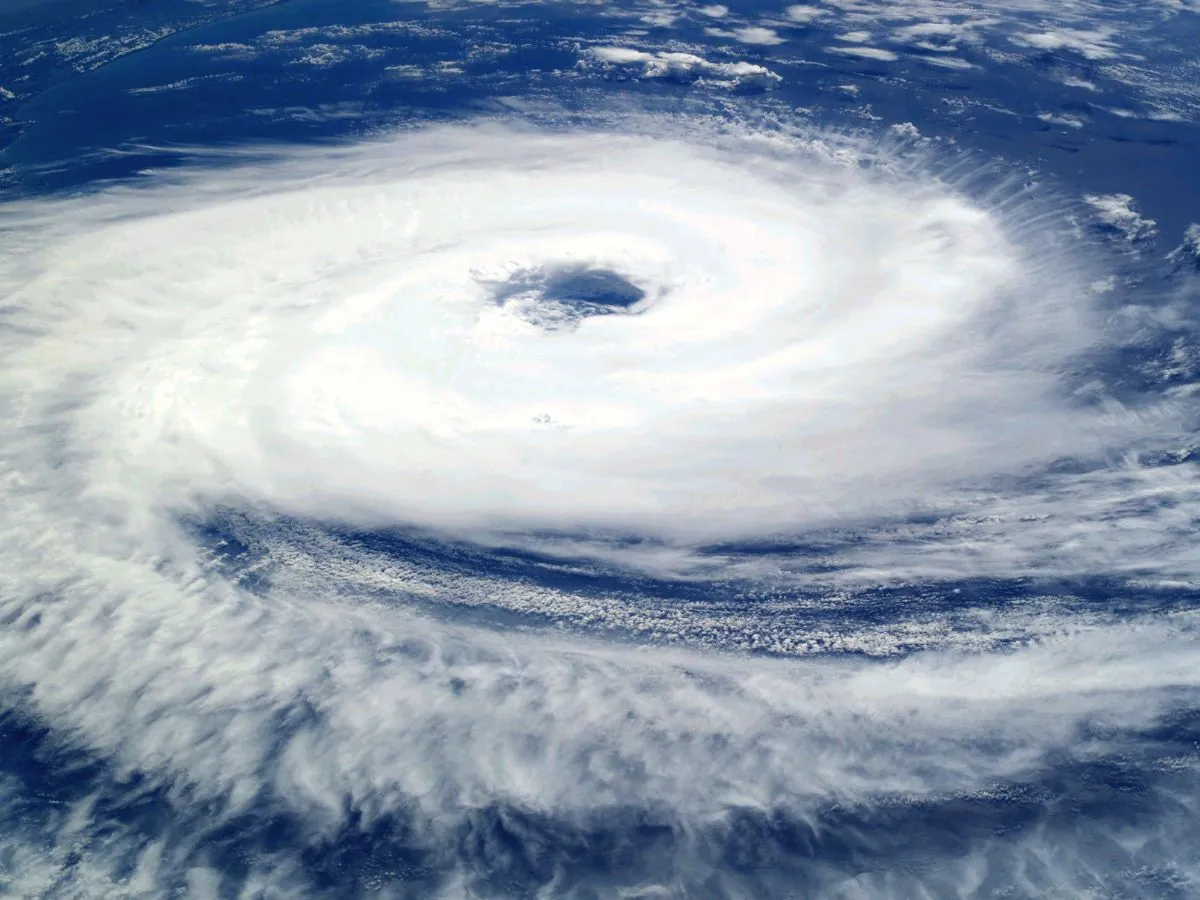
Storm Daniel, alternatively known as Cyclone Daniel or Medicine Daniel, emerged as a highly destructive Mediterranean tropical-like cyclone, inflicting widespread devastation in Libya while also impacting regions of southeastern Europe. It originated as a low-pressure system around September 4th, initially affecting Greece and Bulgaria through heavy rainfall and flooding. Gradually, the storm organized and earned the designation of Storm Daniel, exhibiting subtropical characteristics and tracking toward the Libyan coastline. As it approached land, it intensified into a full-fledged tropical storm, unleashing catastrophic flooding along the Libyan coast before eventually dissipating into a remnant low-pressure system. The genesis of this storm was attributed to an Omega block, where a high-pressure zone became wedged between two low-pressure areas, forming a pattern resembling the Greek letter Ω.
In the Ionian Sea, an area of low pressure materialized, characterized by surface temperatures conducive to tropical transition.
Storm Daniel (Cyclone Daniel)

Meteorological history
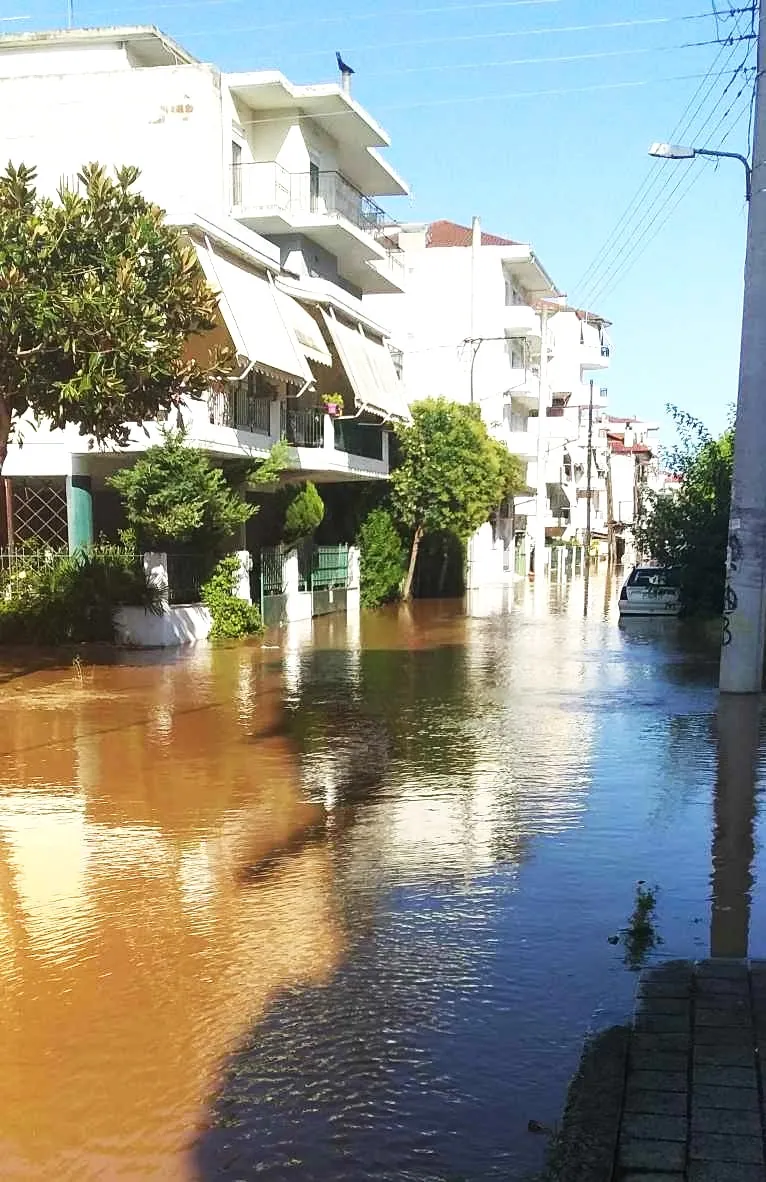
An area of low pressure began to take shape over the Ionian Sea, accompanied by surface temperatures falling within the range conducive to tropical transition. This atmospheric disturbance, which initially formed on September 4th, eventually moved inland over the Balkan Peninsula, resulting in heavy rainfall, particularly in the Thessaly region. As it transformed into an extratropical cyclone on the subsequent day, it was officially designated as Storm Daniel by the Hellenic National Meteorological Service.
Over the following days, the system followed a path to the northeast before executing an unusual loop. By September 8th, it exhibited subtropical characteristics, driven by increasingly favorable environmental conditions, and then veered southeastward. On the following day, it achieved tropical storm status. Storm Daniel ultimately made landfall near the city of Benghazi in Libya as a tropical storm.
On September 10th, Daniel continued its eastward trajectory, moving further inland, but eventually succumbed to dry air and the effects of interacting with land. Consequently, the storm gradually degenerated into a remnant low and completely dissipated by September 11th.
| Meteorological History | ||
| Formed | 4 September 2023 | |
| Dissipated | 12 September 2023 | |
| Tropical storm | ||
| Highest winds | 90 km/h (55 mph) | |
| Overall Effects | ||
| Fatalities | 3,026+ | |
| Missing | 100,000+ | |
| Damage | >€2 billion ($2.14 billion) | |
| Areas affected | Turkey, Greece, Bulgaria, Libya, Egypt | |
Affected Area
Greece
Over the Ionian Sea, a region of low atmospheric pressure developed, accompanied by surface temperatures falling within the range conducive to tropical transition. This atmospheric disturbance, on September 4th, advanced inland over the Balkan Peninsula, resulting in heavy downpours, particularly affecting the Thessaly region. As the system underwent a transformation into an extratropical cyclone on the subsequent day, it garnered the moniker “Storm Daniel” as designated by the Hellenic National Meteorological Service.
Over the ensuing days, the system followed a northeastward trajectory before executing an unexpected loop. By September 8th, it had acquired subtropical characteristics due to increasingly favorable environmental conditions, subsequently shifting southeastward and evolving into a tropical storm the following day. Storm Daniel ultimately made landfall near the city of Benghazi in Libya while maintaining tropical storm status.
On September 10th, Daniel veered eastward and continued its inland path, gradually deteriorating into a remnant low-pressure system due to the influence of dry air and interaction with land. By September 11th, the storm had dissipated completely.
Turkey
Five fatalities occurred in Kırklareli, Turkey, as a result of the flooding, while an additional two lives were lost in the Istanbul districts of Başakşehir and Küçükçekmece.
Bulgaria
Villages situated along the Black Sea coast and in close proximity to it, within Bulgaria’s Burgas Province in the southeastern region, were inundated. Notably, Kosti and Arapya were submerged, necessitating the evacuation of residents. Tragically, the collapse of a bridge in the Tsarevo area resulted in the loss of three lives, and another individual drowned near the town.
Precipitation figures during this period were exceptionally high: Kosti recorded a staggering 311 mm of rainfall (equivalent to 420% of the typical monthly average for September), Ahtopol received 196 mm (350% of the monthly average), and Gramatikovo saw 275 mm (368% of the monthly average). In Tsarevo, rainfall levels potentially established a Bulgarian national record, as 330 mm of precipitation fell within just 20 hours, constituting 40% of the annual average.
In a rare meteorological event, a waterspout was witnessed in the sea near Tyulenovo, located in northeastern Bulgaria.
Libya
On September 9th, the storm, initially classified as a subtropical depression, intensified into a subtropical storm, with instruments on Metop recording wind speeds of 45 knots (83 km/h; 52 mph). The storm subsequently made landfall in eastern Libya on September 10th, prompting the National Oil Corporation to announce a three-day closure of four oil ports, including Ras Lanuf, Zueitina, Brega, and Sidra.
In the town of Derna, the collapse of two dams resulted in a devastating catastrophe, claiming the lives of at least 2,000 individuals as the Wadi Derna overflowed its banks. Osama Hamada, a contender for the position of Prime Minister, reported the sweeping away of residential neighborhoods, with harrowing videos posted on social media depicting submerged vehicles. Four bridges also succumbed to the deluge, and a government minister stated that a quarter of the city had essentially vanished. Approximately 170 millimeters (6.7 inches) of rainfall inundated Al Abraq, and witnesses informed Reuters that floodwaters rose as high as 10 feet (3.0 meters). Misrata also experienced flooding, resulting in the destruction of at least 150 homes, as reported by the Libyan Red Crescent.
In Bayda, hospitals were forced to evacuate due to severe flooding triggered by Storm Daniel, leading to the tragic loss of 23 lives with dozens still missing. Additional casualties were reported, including seven deaths in Susa, seven more in the towns of Omar al-Mokhtar and Shahhat, and one in Marj. As of September 11th, Libyan officials confirmed a total death toll of 3,000, with expectations that it could surpass 10,000, while approximately 100,000 people remained unaccounted for.
The Libyan Presidential Council, headquartered in Tripoli, declared Derna, Shahhat, and Bayda as disaster zones, with the Tripoli-based Health Ministry dispatching a plane carrying 14 tons of medical equipment, drugs, body bags, and personnel to Benghazi on September 12th. The House of Representatives, situated in Benghazi and controlling most of the affected areas, declared three days of national mourning and reported seven members of the Libyan National Army as missing. Egypt, Tunisia, Algeria, Turkey, and the United Arab Emirates pledged humanitarian assistance to Libya, with Egyptian President Abdel Fattah el-Sisi announcing the deployment of Egypt’s military in coordination with eastern Libyan forces to aid in relief operations.
Egypt
On September 11th, the storm made its way to Egypt, with some areas in the northwestern region of the country encountering moderate rainfall.
Aftermath
Libya
The Libyan Presidential Council, headquartered in Tripoli, declared Derna, Shahhat, and Bayda as disaster-stricken areas. Simultaneously, the Tripoli-based Health Ministry took swift action on September 12th, dispatching an aircraft laden with 14 tons of medical supplies, pharmaceuticals, body bags, and trained personnel to Benghazi.
In Benghazi, the House of Representatives, which holds sway over most of the affected regions, proclaimed three days of national mourning, aligning with the internationally recognized Government of National Unity based in Tripoli, led by Prime Minister Abdulhamid al-Dbeibah. Dbeibah, in a bid to address the extensive damage, pledged 2.5 billion Libyan dinars (equivalent to $515 million) for the reconstruction efforts in Derna and Benghazi.
Several nations, including Tunisia, Algeria, Germany, Qatar, Iran, Turkey, and the United Arab Emirates, expressed their commitment to providing humanitarian aid to Libya. Egyptian President Abdel Fattah el-Sisi pledged the deployment of Egypt’s military, in coordination with eastern Libyan forces, to assist in relief operations and declared three days of national mourning in honor of the flood victims, as well as those affected by the 2023 Moroccan earthquake on September 8th.
On September 12th, Italy activated its civil protection departments, with Foreign Minister Antonio Tajani confirming that an assessment team was en route. France, through spokesperson Anne-Claire Legendre of the foreign ministry, extended its readiness to respond to Libya’s government requests. EU foreign policy chief Josep Borrell affirmed the organization’s standby status to provide support, while the commission’s president, Ursula von der Leyen, conveyed condolences.
The storm’s impact on Libyan oil exports disrupted the market, resulting in a surge in the price of Brent crude, reaching $92.38 per barrel on September 12th, marking the highest recorded price since November 2022.
FAQ
What Was the Cause of Storm Daniel?
Storm Daniel was primarily caused by a combination of meteorological factors including a low-pressure system that interacted with unusually warm sea temperatures. These conditions are conducive to the development and intensification of storms.
What Time Did Storm Daniel Hit Libya?
Specific timing can vary depending on the source, but Storm Daniel typically would have hit Libya during the peak intensity hours noted in weather reports. Exact times should be checked against local meteorological data for precision.
Which Storm Hit Libya?
Storm Daniel is the storm that hit Libya, causing significant weather disruptions. It was marked by strong winds and heavy rainfall, leading to widespread impacts across the region.
Why Did the Libya Flood Happen?
The flood in Libya, caused by Storm Daniel, happened due to extreme rainfall that overwhelmed the drainage systems in the area. The terrain and possibly poor infrastructure also contributed to the severity of the flooding.
When Did Storm Daniel End?
Storm Daniel ended after dissipating over land when it lost the moisture supply from the sea, which is essential for sustaining such storms. The exact date and time depend on specific atmospheric conditions and should be verified with weather archives.
Was There a Storm Noah?
There is no well-documented meteorological event known as “Storm Noah” in recent weather history. It is possible that local or less severe storms may have been colloquially named Noah, but no major storms bear this name in recognized meteorological records.
What is the Biggest Storm in the World?
Historically, one of the biggest storms in the world was Typhoon Tip in 1979 in the Northwest Pacific, which is the largest and most intense tropical cyclone ever recorded, with a diameter of approximately 2,220 kilometers (1,380 miles).
Where Was the Worst Storm in the World?
The worst storm in terms of loss of life occurred in Bangladesh in 1970. The Bhola Cyclone is considered the deadliest tropical cyclone on record, killing up to 500,000 people.
What Was the Longest Storm on Earth?
The longest-lasting storm on record is Hurricane John in 1994, also known as Typhoon John. It lasted for 31 days and crossed the International Date Line twice.
How Many People Died in the Libyan Storm Daniel?
The number of fatalities caused by Storm Daniel in Libya can vary according to different reports. Accurate figures should be obtained from official government or humanitarian agencies following such events.
How Much Rain Fell in Libya During Storm Daniel?
The amount of rain that fell during Storm Daniel in Libya would depend on specific measurements taken at various meteorological stations. Reports typically indicate heavy rainfall, but exact figures would need to be confirmed by official weather observations.
What Was Libya’s Hottest Day?
Libya’s hottest recorded day was on September 13, 1922, in El Azizia, when the temperature reached 57.8 degrees Celsius (136 degrees Fahrenheit). This record was later invalidated by the World Meteorological Organization in 2012, recognizing Death Valley, California, USA, for the highest temperature of 56.7 degrees Celsius (134 degrees Fahrenheit) recorded in 1913.
Reception
- Weather of 2023
- 2023 flash floods in Greece, Turkey and Bulgaria
- Tropical cyclones in 2023
- Cyclone Numa (2017) – a medicine which also caused widespread damage in Greece
- Cyclone Ianos (2020) – a medicine which also severely affected Greece
- Cyclone Apollo (2021) – a medicine that also affected North Africa after impacting Southern Europe