Table of Contents
I Corps (United Kingdom)
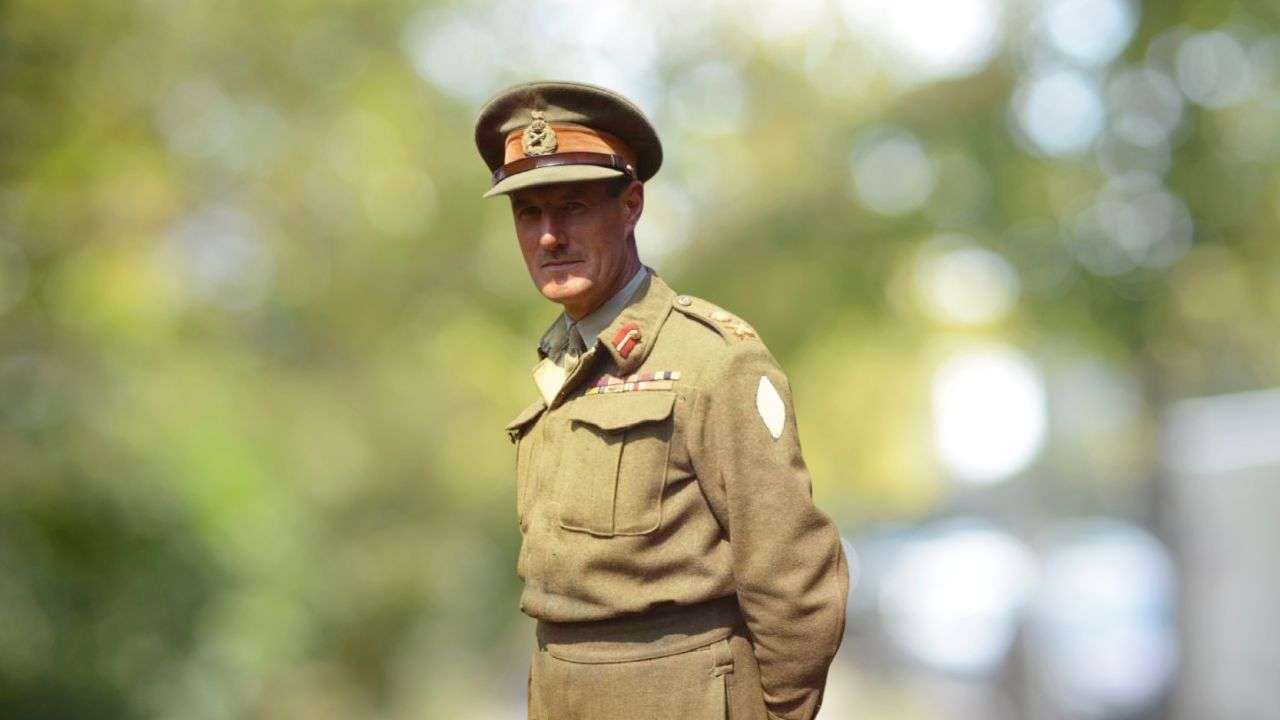
Few military units in British history carry a legacy as rich and far-reaching as I Corps (United Kingdom). Originally emerging during the Napoleonic Wars and formally solidified in the First World War, I Corps quickly became a central command pillar in Britain’s military framework. From the muddy trenches of France in WWI to its critical defense role in Cold War Germany under NATO’s Northern Army Group, I Corps was not just a unit—it was a testament to the adaptability and strength of British land forces.
What sets I Corps apart isn’t just its longevity—active for nearly eight decades—but its evolution through some of history’s most complex conflicts. Whether fighting on the Western Front, organizing Allied forces during the D-Day operations, or safeguarding Europe’s front line during the Cold War, I Corps consistently operated at the heart of global strategy and defense.
In this comprehensive guide, we’ll unpack the structure, major battles, transformations, and leadership that defined I Corps throughout its operational life. You’ll discover how its composition changed between campaigns, how strategic decisions shaped outcomes, and how its legacy still echoes through modern British military doctrine.
Whether you’re a military historian, a defense enthusiast, or someone intrigued by the inner workings of wartime command, this article offers rare insights into the engine room of Britain’s battlefield operations. Along the way, we’ll highlight key moments, famous commanders, and facts that reveal why I Corps remains a cornerstone in the story of British military excellence.
Stay with us as we trace the tactical, historical, and strategic journey of I Corps, one of the most influential corps in UK military history, and explore how its evolution helped shape the very course of global warfare.
United Kingdom , British Army
| Name | I Corps (British Army) |
| Alternative Spellings | I Corps, i-corps, i corp |
| Country | United Kingdom |
| Branch | British Army |
| Type | Army Corps |
| Operational Since | World War I (1914) |
| Major Wars Participated | – World War I – World War II – Cold War (NATO deployments in Germany) – Operation Granby (Gulf War) |
Origins and Formation of I Corps (United Kingdom)
The foundation of I Corps (United Kingdom) can be traced back to the strategic innovations of the Napoleonic Wars, where the concept of military corps was first refined into a highly effective battlefield formation. During this era, European armies, including the British, were structured into regiments and divisions, but Napoleon Bonaparte’s corps system introduced a level of flexibility and operational independence that reshaped military strategy. A corps was designed to function as a self-sustaining force, capable of operating independently for extended periods while remaining part of a larger coordinated army. This decentralized approach allowed commanders to deploy their forces efficiently across vast battlefields, reacting swiftly to enemy movements.
Inspired by Napoleon’s success, the British Army began exploring similar large-unit formations to enhance battlefield coordination. However, Britain’s primary focus on naval supremacy meant that its land forces remained relatively small and specialized until the 19th century. While elements of the corps structure were experimented with during the Peninsular War (1808–1814) under the Duke of Wellington, it wasn’t until the Waterloo Campaign (1815) that the British Army assembled an operational precursor to I Corps. During this campaign, Wellington divided his forces into corps-like structures, enabling more effective command over the multi-national coalition fighting against Napoleon. Although these formations were temporary and disbanded after the war, they set the stage for a more formalized corps system in later British military reforms.
Official Establishment of I Corps in the British Army
Despite its early conceptual roots, I Corps as an official formation in the British Army was not formally established until the First World War. The need for such a structure arose due to the unprecedented scale of modern warfare, where armies had grown too large to be managed effectively through division-level command alone. The British Expeditionary Force (BEF), deployed to France in 1914, was initially composed of two corps formations— I Corps and II Corps, with I Corps playing a pivotal role in some of the earliest engagements of the war.
General Sir Douglas Haig, one of Britain’s most influential military leaders, was given command of I Corps. Under his leadership, the corps participated in the Retreat from Mons (August 1914), a strategically significant withdrawal that allowed British and French forces to regroup against the advancing German army. I Corps also played a decisive role in the Battle of the Marne, helping to halt the German offensive and shift the war into a prolonged phase of trench warfare.
The creation of I Corps marked a turning point in British military organization, aligning its structure more closely with that of its European allies. The corps system provided a layered command hierarchy, improving coordination between different army divisions and enabling large-scale strategic maneuvers. As the war progressed, I Corps adapted to the evolving nature of combat, incorporating new tactics such as coordinated artillery barrages, trench warfare strategies, and early mechanized assaults, which would later influence its operational role in future conflicts.
Evolution of Role Before World War I
Following the end of the First World War, I Corps was demobilized, reflecting the broader downsizing of the British military during the interwar period. However, the lessons learned from its deployment significantly influenced British military doctrine, reinforcing the value of maintaining a standing corps-level command structure.
During the interwar years, Britain faced a shifting geopolitical landscape, with growing tensions in Europe signaling the possibility of another large-scale conflict. While I Corps was not actively deployed during this period, the British Army continued refining its corps-level strategies, incorporating advancements in military technology such as armored divisions, improved logistics, and air-ground coordination.
By the time World War II erupted in 1939, the British Army had fully embraced the corps system, allowing for greater operational flexibility and strategic depth. I Corps was reactivated and once again positioned as a frontline unit, prepared to play a crucial role in Britain’s early war efforts against Nazi Germany.
I Corps During the First World War
The First World War marked a turning point in modern military history, with battles fought on an unprecedented scale and evolving tactics that reshaped warfare. Within this immense conflict, I Corps of the British Army played a pivotal role, demonstrating resilience, strategic adaptability, and leadership that contributed significantly to the British Expeditionary Force’s (BEF) efforts in France and Belgium. From its initial deployment to its involvement in some of the most defining battles of the war, I Corps emerged as a critical formation in Britain’s military strategy.
Deployment with the British Expeditionary Force (BEF)
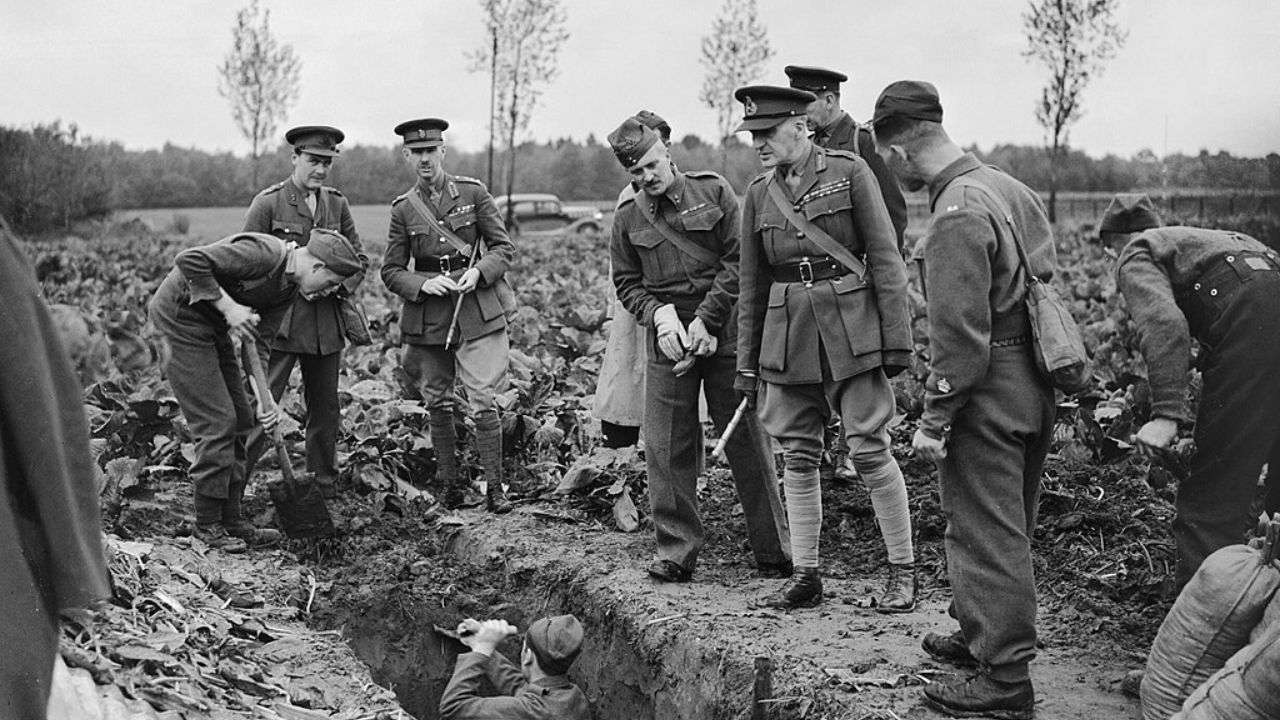
When Britain entered World War I in August 1914, the British Expeditionary Force (BEF) was swiftly mobilized to support France against the advancing German Army. I Corps, under the command of General Sir Douglas Haig, was one of the two corps that formed the BEF, alongside II Corps. Unlike the massive conscript armies of France and Germany, the BEF was composed of highly trained professional soldiers, giving it a reputation as a formidable force despite its smaller size.
I Corps landed in France in August 1914 and was immediately thrust into action as the German Schlieffen Plan unfolded, aiming to swiftly conquer Belgium and France. As the German First Army advanced, I Corps, alongside the rest of the BEF, moved to counter their progress. The first major confrontation came at the Battle of Mons (August 23, 1914), where I Corps fought a determined but ultimately outnumbered defense against the Germans. The BEF’s rifle-trained infantrymen inflicted heavy casualties, but overwhelming enemy numbers forced a strategic withdrawal.
During the subsequent Great Retreat, I Corps played a crucial role in ensuring the BEF’s survival. Haig’s forces executed a series of well-organized defensive actions, allowing the British and French armies to regroup. This culminated in the First Battle of the Marne (September 1914), where I Corps helped halt the German advance, preventing Paris from falling and forcing Germany into a prolonged war of attrition.
Key Battles and Strategic Contributions (1914–1918)
As the war progressed, I Corps became deeply entrenched in the Western Front’s brutal combat, participating in some of the most critical battles between 1914 and 1918. After the initial mobile warfare of 1914, the conflict stagnated into trench warfare, with both sides digging in along a vast network of fortifications stretching from the North Sea to Switzerland.
One of I Corps’ most notable engagements was the First Battle of Ypres (October–November 1914). This battle was crucial in preventing the Germans from capturing key Channel ports, which were essential for British supply lines. The fighting was intense, with I Corps enduring relentless German assaults. Despite being outnumbered, British forces managed to hold their positions, albeit at a staggering cost. This battle cemented the British Army’s reputation for tenacity but also signaled the devastating human cost of trench warfare.
Throughout 1915 and 1916, I Corps participated in several major offensives, including the Battle of Loos (1915) and the Somme Offensive (1916). At Loos, I Corps spearheaded a large-scale attack, marking one of the first instances of the British Army using chlorine gas in combat. However, logistical shortcomings and miscommunication led to high casualties with limited territorial gains. During the Battle of the Somme, one of the bloodiest battles in history, I Corps contributed to the British Army’s grueling efforts to break through the German defenses. Although the overall gains were limited, the battle provided invaluable experience in coordinating large-scale assaults and integrating artillery, infantry, and new technologies such as tanks.
In the later stages of the war, I Corps was engaged in the Battle of Passchendaele (1917), where it faced harsh conditions, including relentless artillery bombardment and deep mud that made movement almost impossible. Despite extreme hardships, I Corps maintained its role as a key fighting force. By 1918, as Germany launched its Spring Offensive, I Corps played a defensive role, helping to repel the final German attempts to break through Allied lines. When the Allies launched their counteroffensive, known as the Hundred Days Offensive, I Corps participated in pushing the Germans back, contributing to the final victory.
Command Structure and Field Leadership During WWI
The effectiveness of I Corps in World War I was largely shaped by its leadership and organizational structure. General Sir Douglas Haig initially commanded I Corps before being promoted to lead the entire BEF. Under his leadership, I Corps developed a reputation for discipline and tactical adaptability, even in the face of severe challenges. Haig was succeeded by General Sir Charles Monro, who continued refining the corps’ operational strategy, emphasizing defensive resilience and counteroffensive capabilities.
The command structure of I Corps followed a hierarchical model, with division-level leadership playing a crucial role in coordinating operations. Below the corps commander, division commanders and brigade officers were responsible for directing battlefield maneuvers and ensuring logistical efficiency. The integration of artillery, reconnaissance units, and logistical support became increasingly sophisticated as the war progressed, allowing I Corps to sustain prolonged engagements.
Despite facing immense losses, the leadership of I Corps demonstrated remarkable adaptability. As trench warfare evolved, commanders incorporated new tactics, such as creeping barrages, small-unit infiltration strategies, and better coordination between infantry and artillery. These tactical innovations, though costly to develop, eventually contributed to the Allied success in breaking the stalemate of trench warfare.
I Corps in the Second World War
The Second World War presented the British Army with some of the most intense military challenges in its history, and I Corps played a crucial role in multiple theaters of combat. From the desperate defense of France in 1940 to its participation in the decisive campaigns of 1944–45, I Corps was at the forefront of Britain’s military response to German aggression. The corps’ ability to adapt to changing battlefield conditions and execute large-scale operations made it a key formation in the British Army’s war effort.

Early Campaigns and the Battle of France (1940)
At the outset of World War II, Britain and France sought to contain German expansion through a defensive strategy that relied heavily on fortifications and traditional battle lines. I Corps was among the first British formations sent to France as part of the British Expeditionary Force (BEF), led by General John Gort. In early 1940, it was stationed along the Franco-Belgian border, preparing for what was expected to be a prolonged war of attrition. However, when Germany launched Operation Fall Gelb in May 1940, the situation rapidly deteriorated.
The German blitzkrieg—marked by fast-moving armored divisions and coordinated air support—quickly outmaneuvered the static Allied defenses. I Corps was positioned in Belgium, near the River Dyle, as part of the Allied response plan. However, the rapid German advance through the Ardennes rendered the defensive strategy obsolete. As French and Belgian forces crumbled, I Corps was forced into a chaotic retreat toward the English Channel.
One of the corps’ most defining moments came during the Dunkirk evacuation (May–June 1940). Alongside the rest of the BEF, I Corps played a critical role in holding off German advances long enough for over 338,000 Allied troops to be evacuated across the Channel. Under the command of Lieutenant General Michael Barker, I Corps’ units fought desperate rearguard actions, particularly at locations like Bergues and La Bassée, slowing the German advance and preventing the complete destruction of the BEF. Though the loss of equipment and territory was immense, the evacuation preserved Britain’s ability to continue the war effort.
Organizational Breakdown During the Battle of France
The rapid collapse of Allied defenses in France exposed significant flaws in the British Army’s corps-level structure and logistical planning. Unlike the Germans, who employed highly mobile, mechanized formations with seamless coordination between air and ground units, the British relied on a more traditional model of infantry-led warfare with limited motorization and slow logistical support.
At the start of 1940, I Corps consisted of the 1st and 2nd Infantry Divisions, alongside elements of the 48th (South Midland) Infantry Division. However, as the battle progressed, units became fragmented, with some formations absorbed into other commands, while others were forced to fight in isolation. Communication between I Corps headquarters and its subordinate divisions became increasingly difficult as German pincer movements cut off key supply lines.
Despite these challenges, British officers quickly adapted, reorganizing available forces to mount localized counterattacks and defensive stands. While these efforts were not enough to prevent the fall of France, they provided valuable lessons in flexibility, mechanized warfare, and coalition coordination, which would be crucial in later campaigns. Following Dunkirk, I Corps was withdrawn to Britain, where it underwent restructuring and re-equipment, preparing for its next major role in the war.
Role in the North-West Europe Campaign (1944–45)
After spending several years defending Britain and participating in smaller-scale operations, I Corps returned to the frontlines in June 1944, as part of the massive Allied invasion of Nazi-occupied France. Under the command of Lieutenant General John Crocker, it played a central role in the Normandy Campaign, spearheading the British landings at Sword Beach on D-Day, June 6, 1944.
Landing on the eastern flank of the Allied invasion force, I Corps’ objective was to secure key roadways, push inland towards Caen, and link up with Canadian forces. The initial landings were met with fierce German resistance, particularly from the 21st Panzer Division, which launched counterattacks against the British positions. However, through coordinated efforts with the Royal Navy and aerial support, I Corps managed to establish a beachhead and push forward.
The battle for Caen became one of the most prolonged engagements of the Normandy Campaign. German defenders, heavily entrenched within the city, turned it into a fortress, delaying the British advance for weeks. I Corps, alongside the 3rd Canadian Division, engaged in brutal urban combat before eventually securing the city in mid-July. The delay, while costly, served to pin down German forces, preventing them from reinforcing other parts of the front.
After Normandy, I Corps was heavily involved in Operation Market Garden (September 1944), the ambitious but ultimately flawed attempt to secure key river crossings in the Netherlands. While American and British airborne forces pushed deep into enemy territory, I Corps provided ground support, securing vital supply routes for the offensive. However, stiff German resistance, particularly in Arnhem, led to the operation’s failure, forcing I Corps to shift towards defensive operations until early 1945.
In the final months of the war, I Corps advanced through the Low Countries and into Germany, playing a key role in securing the Allied foothold in Western Europe. By the time of the German surrender in May 1945, I Corps had established itself as one of the most experienced and battle-hardened formations in the British Army, having fought in some of the war’s most defining engagements.
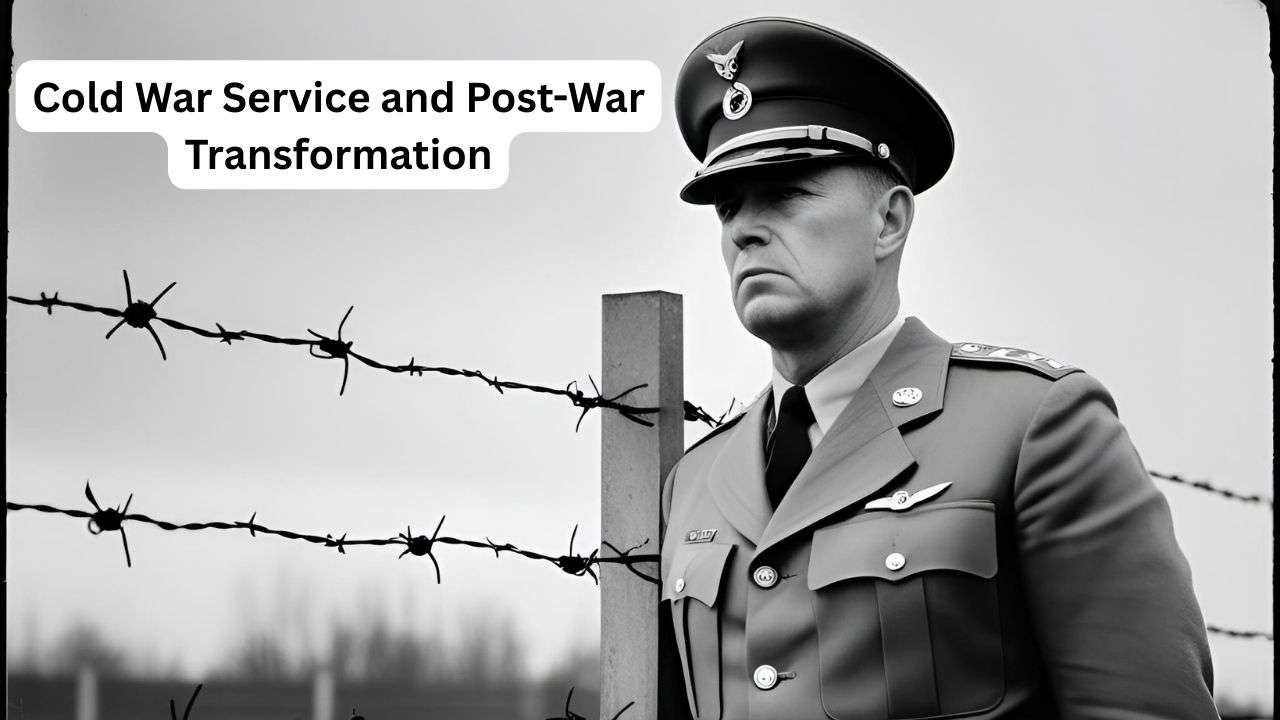
Cold War Service and Post-War Transformation
As the world entered the Cold War, the British military faced a new strategic reality. The geopolitical landscape had shifted dramatically, and the role of the British Army, including I Corps, had to adapt to the tensions of a nuclear era. The threat of Soviet expansion in Europe led to the formation of new alliances and the restructuring of military forces. I Corps, once at the heart of British operations during World War II, now found itself integrated into a more complex and multinational defense framework as Britain aligned more closely with NATO in the years following the war.

Integration into the British Army of the Rhine (BAOR)
Following World War II, the British military underwent significant restructuring, and I Corps was integrated into the British Army of the Rhine (BAOR). Located in Germany, the BAOR was designed to serve as the cornerstone of Britain’s defensive posture in Europe, particularly in the context of the growing Soviet threat. With the outbreak of the Cold War, the BAOR became one of the most strategically important elements in NATO’s defense plan, and I Corps played a central role in its operations.
Throughout the 1950s and 1960s, I Corps Cold War operations were focused on maintaining a strong defensive presence along the North German Plain, where it could quickly respond to any potential Warsaw Pact aggression. Positioned alongside other NATO forces, I Corps provided a critical counterbalance to the Soviet Union’s vast military apparatus. The corps’ role was less about frontline combat and more about deterrence, keeping a constant state of readiness to act if conflict erupted.
As part of the BAOR, I Corps also participated in numerous multinational exercises, ensuring interoperability with other NATO forces. These exercises, which often simulated full-scale warfare scenarios, were crucial in maintaining the defensive integrity of Western Europe. The presence of I Corps in Germany was not just symbolic but was also a practical reflection of Britain’s commitment to NATO and the collective defense of Europe.
Strategic Importance in NATO Defence Planning
The role of I Corps in NATO defense planning was deeply intertwined with the broader military objectives of the alliance. By the early 1960s, the primary concern for NATO was a potential Soviet invasion of Western Europe. The existence of a large, heavily equipped, and well-prepared British corps like I Corps offered a significant boost to NATO’s collective security. As one of the largest British formations stationed in Europe, it became a key part of the British strategic reserve.
I Corps’ strategic importance lay not only in its size but also in its ability to rapidly deploy in the event of a crisis. The NATO command structure emphasized rapid reinforcement capabilities, and I Corps was consistently modernized to stay ahead of evolving threats. The corps was equipped with advanced tanks, artillery, and air support to ensure that it could quickly respond to any Soviet incursion into Western Europe.
Furthermore, I Corps’ role in NATO was expanded during the deterrence phase of the Cold War, where the threat of nuclear warfare became an ever-present consideration. The presence of nuclear weapons in the strategic calculus of both NATO and the Warsaw Pact led to the development of advanced defensive strategies, and I Corps was trained not only for conventional warfare but also for operations in a nuclear environment. Its integration into NATO’s defense framework ensured that Britain remained a vital player in the alliance, bolstering the collective defense capabilities of the West.
Disbandment and Final Organizational Shifts
As the Cold War wound down in the 1980s and early 1990s, global political dynamics began to shift. The dissolution of the Soviet Union and the end of the Warsaw Pact in 1991 prompted a reevaluation of military priorities across Europe. I Corps’ disbandment was a direct result of the changing security environment, as the British Army began restructuring to focus on more immediate threats, particularly in the post-Cold War era.
In the 1990s, Britain’s military strategy underwent significant reforms. The end of the Cold War meant that many of the large-scale formations that had been necessary for conventional war with the Soviet Union were no longer needed. As a result, I Corps, once an essential component of NATO’s defense in Europe, was disbanded in 1994 as part of broader UK Army reforms. The decision to disband I Corps was part of a larger trend toward reducing the size of the British military and restructuring it for more flexible, rapidly deployable operations, particularly in peacekeeping and smaller-scale conflicts.
The disbandment of I Corps marked the end of an era. It had been a cornerstone of Britain’s military identity for nearly half a century, and its dissolution reflected the changing nature of warfare. The end of the Cold War and the emergence of new, asymmetric threats like terrorism and regional conflicts meant that the traditional, large-scale corps structure was no longer as relevant. As a result, the British Army began to focus more on smaller, highly specialized units capable of rapid deployment and response.
Despite its disbandment, the legacy of I Corps continues to influence the British Army today. Many of its traditions and operational practices were absorbed into new formations, ensuring that the lessons learned during the Cold War would not be forgotten. Today, the British Army operates under a structure better suited to modern challenges, but the role I Corps played in the defense of Europe during the Cold War remains a significant chapter in its history.
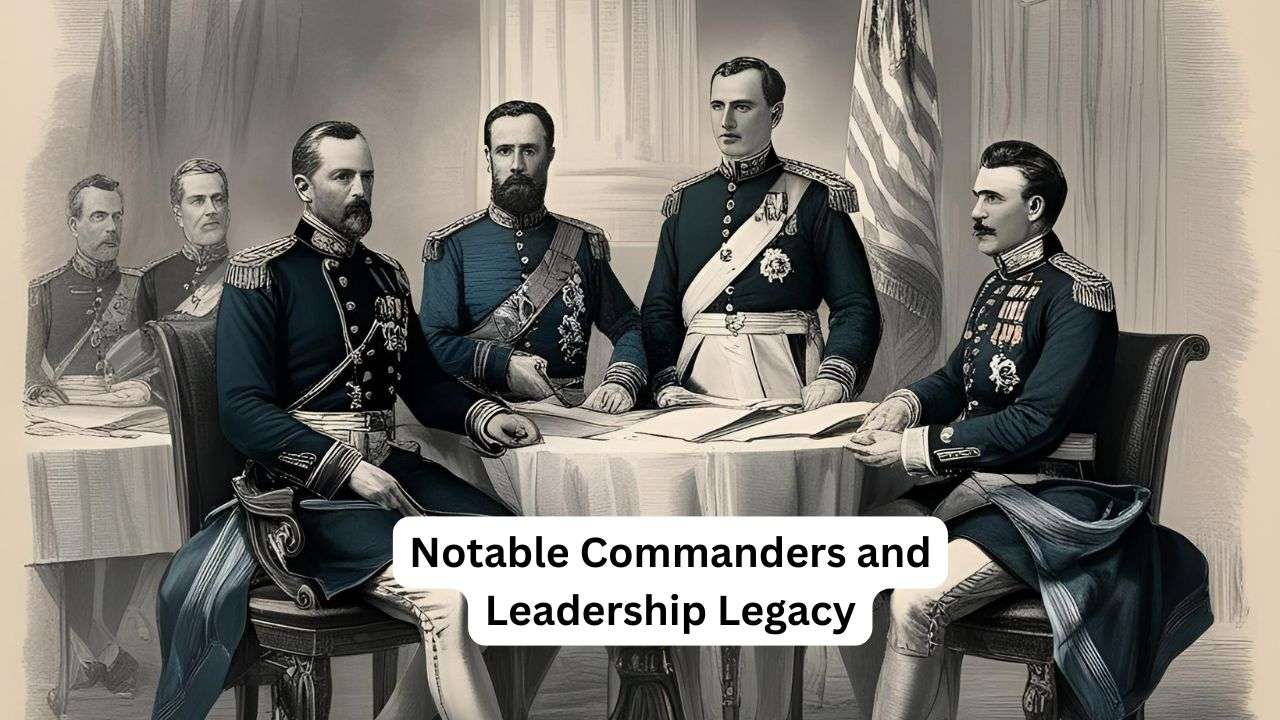
Notable Commanders and Leadership Legacy
The success and reputation of I Corps throughout its history can be largely attributed to the visionary leadership provided by a series of distinguished commanders. These leaders were instrumental not only in shaping the corps’ operational effectiveness but also in ensuring its enduring legacy within the British military. The ability of these commanders to adapt to changing warfare dynamics, inspire their troops, and execute strategic initiatives was crucial in the performance of I Corps during both World Wars and the Cold War.

Distinguished Commanders in Both World Wars
Throughout its history, I Corps was commanded by a number of leaders who would go on to shape the course of British military history. Among these, Sir Douglas Haig and General Bernard Montgomery stand out as two of the most prominent figures whose leadership had a lasting impact on the corps and its operations.
Sir Douglas Haig, the commander of British forces on the Western Front during World War I, played a critical role in shaping the military doctrine of the time. Although his leadership during the Battle of the Somme has been the subject of much debate, Haig’s role in the broader context of I Corps’ operations cannot be understated. As a commander, Haig understood the importance of sustained offensives and the need to adapt to the evolving nature of warfare, particularly in trench warfare. Under his command, I Corps participated in several key engagements, contributing to the eventual success of the Allies on the Western Front.
In World War II, General Bernard Montgomery emerged as one of the most influential military leaders, not only within the British Army but also within the framework of NATO’s defense efforts. Montgomery’s leadership during the Second Battle of El Alamein in 1942 was instrumental in turning the tide of the North African Campaign in favor of the Allies. As the commander of the British 8th Army, Montgomery’s success on the battlefield earned him widespread recognition, and his subsequent appointment as the commander of I Corps in 1944 further solidified his reputation as one of the leading commanders of the war. His strategic acumen, ability to inspire his troops, and focus on meticulous planning made him a revered figure, particularly in the context of the Normandy Invasion.
Both Haig and Montgomery were commanders of immense skill and vision, and their leadership provided I Corps with the direction it needed to perform effectively in key conflicts. Their tactical brilliance, combined with their ability to manage large-scale military operations, shaped the future of I Corps and the broader British military strategy.
Impact of Leadership on Battlefield Performance
The leadership within I Corps had a profound impact on its battlefield performance, influencing everything from operational strategies to the morale of the troops. The British military leadership style, which emphasized clear communication, adaptability, and close cooperation with allied forces, was central to I Corps’ success in both world wars and the Cold War.
A key aspect of the corps’ effectiveness on the battlefield was the ability of its commanders to integrate with other military forces, particularly within the broader NATO UK Corps during the Cold War. The relationship between I Corps and other NATO forces was essential for ensuring cohesive military strategies in the face of the Soviet threat. Leaders like Montgomery, who had experience working within multinational frameworks, ensured that I Corps could coordinate effectively with American, Canadian, and other Allied forces, particularly during the pivotal moments of World War II and in post-war Europe.
Furthermore, the British military leadership emphasized a culture of initiative, where junior officers were encouraged to take responsibility and make decisions in fluid situations. This decentralized approach contributed significantly to I Corps’ battlefield success, as commanders were able to adapt rapidly to changing conditions without waiting for orders from higher up the chain of command. The emphasis on leadership at all levels of the corps allowed it to respond swiftly and effectively to various challenges, ensuring its operational success even in the face of adversity.
The leadership within I Corps also prioritized the welfare and morale of its soldiers. Commanders understood that a motivated and well-supported force was key to achieving success on the battlefield. This commitment to the well-being of the troops, coupled with a focus on operational excellence, made I Corps an effective and respected force throughout its history.
As the British Army restructured in the post-Cold War era, the leadership principles that had been established within I Corps continued to influence the way the British military approached both leadership and operational planning. The lessons learned from the commanders who shaped I Corps’ reputation provided valuable insights into military strategy, leadership, and collaboration within larger coalitions, ensuring that the corps’ legacy would continue to be felt long after its disbandment.
Unit Composition and Organizational Structure
The organizational structure and composition of I Corps have evolved significantly over time, adapting to the demands of changing warfare, technological advancements, and the strategic needs of the British military. From its initial formation, rooted in traditional infantry units, to its transformation into a modern combat-ready force, I Corps has been at the forefront of military innovation and effectiveness. The evolution of its structure reflects broader shifts in military thinking and the evolving nature of warfare itself.

Composition in Major Campaigns (WWI, WWII, Cold War)
The composition of I Corps during its involvement in World War I, World War II, and the Cold War was shaped by the operational needs of the time, as well as the British Army’s strategies for maintaining combat readiness and flexibility. During World War I, I Corps was primarily composed of infantry divisions, which were the backbone of the British Army’s combat forces during the war. These infantry divisions were tasked with holding ground, advancing through enemy lines, and engaging in trench warfare, which defined much of the conflict on the Western Front. The corps’ structure was heavily focused on traditional combat units, with a reliance on manpower and tactical coordination between infantry, artillery, and support services.
As World War II unfolded, the composition of I Corps evolved to meet the challenges of mechanized warfare and the increased scale of combat operations. In the early stages of the war, the corps was still largely comprised of infantry divisions, but by the time of the Normandy Invasion in 1944, I Corps had integrated armored divisions and mobile units to enhance its operational flexibility. The mechanization of warfare required a shift towards more diverse units that included not only infantry and artillery but also armor, reconnaissance, and motorized support. This transformation allowed I Corps to operate more effectively in fast-moving combat environments, as seen in the campaigns across North Africa, Italy, and France.
In the Cold War period, the focus of I Corps shifted again, this time towards maintaining readiness for potential conflicts in Europe. The corps’ structure was aligned with NATO’s defense strategy, which emphasized the integration of multiple national forces to create a united front against the Soviet threat. As part of this effort, I Corps underwent restructuring to incorporate new technology, including anti-tank weapons, missile systems, and modern communication systems. The Cold War also saw the integration of strategic logistics units and chemical and biological defense units, ensuring that I Corps could operate effectively across a wide range of potential battle scenarios, including those involving nuclear, biological, and chemical warfare.
Through these three distinct periods—WWI, WWII, and the Cold War—the composition of I Corps mirrored the shifting demands of global conflict. The incorporation of new technologies and the adaptation to different forms of warfare demonstrated the corps’ ability to evolve in response to the changing nature of military engagements.
Structural Reforms and Technological Adaptations
The evolution of I Corps’ composition was not just a response to the nature of warfare, but also to the broader trend of British military modernization. As technology advanced, so too did the structural reforms within I Corps. From the introduction of motorized units and armored divisions during World War II to the incorporation of cutting-edge technology in the Cold War, these changes ensured that I Corps remained an effective fighting force.
British military modernization during the Cold War era was particularly focused on enhancing the corps’ logistics capabilities and integrating more sophisticated command and control systems. The advancements in military technology required a reevaluation of how units were organized and how resources were allocated. I Corps’ logistics were revolutionized with the inclusion of more mechanized transport units, mobile medical units, and advanced supply chains. These changes allowed I Corps to respond to the fast-paced nature of modern warfare, ensuring that soldiers were well-equipped and well-supported in the field.
The advent of UK corps logistics during the post-World War II period brought about further improvements. The increasing reliance on airlift and maritime transport, combined with the development of more efficient supply chains, allowed I Corps to maintain operational readiness even in distant theaters of war. The integration of digital communication technologies and networked command systems also made it easier for I Corps to coordinate with allied forces across Europe, ensuring a unified and rapid response to any threats.
The most significant structural adaptation, however, was the integration of specialized units within I Corps to deal with modern warfare challenges. As the threat of nuclear warfare loomed large during the Cold War, I Corps added nuclear deterrence units, alongside chemical, biological, radiological defense units. This adaptation allowed I Corps to maintain readiness in the face of potential threats that went beyond conventional warfare.
As the 21st century approached, further reforms were necessary. The rise of cyber warfare and the shift towards asymmetric warfare—including counterinsurgency operations—required I Corps to reassess its role in global military operations. Today, I Corps continues to evolve, incorporating the latest in cybersecurity and intelligence gathering to maintain its relevance in an increasingly complex global security environment.
Strategic Contributions and Legacy
The legacy of I Corps extends far beyond its military engagements. The historical significance of this corps is not only rooted in its role on the battlefield but also in the profound influence it has had on British military doctrine, as well as its lasting impact on the political and cultural spheres. Through its evolution, I Corps has left an indelible mark on the United Kingdom’s strategic approach to warfare, while also garnering recognition for its valor and sacrifice in battle. This section delves into the long-lasting contributions of I Corps, both as a military unit and as a symbol of national pride and resilience.

Legacy in British Military Doctrine
The history of I Corps is deeply embedded within the broader narrative of British military history. Its role in various conflicts, particularly in World War I, World War II, and beyond, has had a profound influence on how the British Army structures its forces and approaches warfare. In the wake of these wars, the experiences and lessons learned by I Corps have been incorporated into British military doctrine, helping to shape the strategies used by the army to this day.
The legacy of I Corps in British military doctrine can be traced back to its early formations during the World Wars, when its operations forced the British Army to rethink the traditional infantry-heavy approach to warfare. The integration of mechanized infantry, armored divisions, and logistical support units in the later stages of World War II marked a shift towards more flexible, mobile, and technology-driven warfare. These innovations in structure and strategy were revolutionary at the time and have become foundational in modern military tactics. The success of I Corps in adapting to the changing nature of warfare—through the use of motorized units, tanks, and mechanized infantry—has informed British military training and operational procedures ever since.
Moreover, I Corps’ experience in various theaters of war, including North Africa, Italy, and Western Europe, highlighted the importance of multinational cooperation. This collaboration laid the groundwork for future NATO operations and has become a critical component of British military doctrine, particularly in joint operations with allied forces. The lessons learned from these campaigns have been incorporated into military academies and training programs, ensuring that the principles of flexibility, adaptability, and coalition warfare remain integral to the British Army’s strategic mindset.
Today, the legacy of I Corps continues to influence British military thinking, particularly in the realms of combined arms warfare and logistics. Its pioneering efforts in these areas have made a lasting impact, shaping how the British Army prepares for and responds to modern military challenges, including those posed by asymmetric threats and advanced technological warfare.
Honors, Decorations, and Commemorations
The service and sacrifices of I Corps have been commemorated through a range of honors and battle decorations that highlight the unit’s exceptional contribution to British military success. These honors serve not only as a testament to the bravery of the corps but also as a symbol of the resilience and dedication that defined its operations over the years.
One of the most prominent aspects of I Corps’ legacy is the array of battle honors it has earned throughout its long history. From its pivotal role in the Battle of the Somme during World War I to its decisive actions in the liberation of Europe during World War II, I Corps has been at the heart of some of the most significant military campaigns in history. These honors are not merely ceremonial; they reflect the intense sacrifices made by those who served within the corps, many of whom paid the ultimate price for the success of these missions.
In addition to battle honors, I Corps has been recognized through a range of British Army memorials dedicated to the soldiers who served and died in its ranks. These memorials, often located in war cemeteries and key battlefield sites, serve as both a tribute and a reminder of the immense human cost of war. Notably, many of these sites have become places of pilgrimage for veterans and their families, ensuring that the legacy of I Corps is preserved for future generations.
Moreover, the commemorative plaques and cenotaphs that dot the United Kingdom and Europe honor the role that I Corps played in maintaining peace and stability during some of the most turbulent times in history. These markers not only celebrate military success but also acknowledge the moral and psychological impact of the corps’ work on both soldiers and civilians alike.
The recognition of I Corps’ achievements has extended into the broader military and cultural consciousness of the United Kingdom. Through literature, documentaries, and public celebrations, the corps’ contributions are continually remembered, ensuring that its legacy lives on not just in military circles but in the hearts and minds of the British public. This commemoration is a vital part of the national consciousness, serving as a reflection of the enduring values of duty, honor, and sacrifice.
I Corps in Public Memory and Historical Records
The legacy of I Corps endures through its portrayal in public memory and historical records, where it is studied, remembered, and celebrated for its strategic importance and pivotal role in numerous military campaigns. Over the years, this iconic formation of the British Army has become a significant subject in military literature, documentaries, and various educational resources that help preserve its history for future generations. Through these channels, the impact of I Corps has been communicated to wider audiences, providing a rich source of inspiration, education, and reflection on its historical contributions.

Appearances in Military Literature and Documentaries
I Corps has left an indelible mark on military literature and the wider media landscape. Books, articles, and documentaries dedicated to British military history often feature detailed accounts of the Corps’ achievements, struggles, and enduring influence. These works capture the essential role of I Corps in some of the most significant conflicts of the 20th century, from the bloody battlefields of World War I to the strategic maneuvers of World War II and later conflicts. The narrative woven through these publications not only serves to honor the Corps’ contributions but also provides valuable insights into the evolution of modern military tactics.
Books like “The British Army in the Second World War” and “I Corps: A History of Britain’s Elite Force” have become essential reading for military scholars and enthusiasts alike. These texts offer firsthand accounts, interviews with veterans, and comprehensive analysis of the Corps’ operational history. They illuminate how I Corps adapted to shifting warfare strategies, particularly in terms of mechanization and coordination with allied forces. The accounts within these books provide both tactical insights and personal stories, making them a cornerstone of I Corps books on military scholarship.
In addition to books, I Corps has been the subject of several documentaries that chronicle its heroic actions. These films often combine archival footage, expert commentary, and narratives from veterans, painting a vivid picture of the Corps’ significance during pivotal moments in history. Documentaries like “The Heroes of I Corps” and “Warriors of the British Army” bring to life the courage, perseverance, and strategic genius of the men and women who served in this distinguished unit. Through these visual mediums, the legacy of I Corps is communicated to a broader audience, reinforcing its place in public memory and further solidifying its importance in British Army media.
Archival Records and Educational Resources
The study of I Corps is further enriched through the UK military archives and various educational resources that house a wealth of documents, photographs, and first-hand accounts. These archives serve as invaluable repositories for researchers, historians, and anyone interested in delving into the detailed history of the Corps. Within these resources, one can find a comprehensive record of military operations, personnel records, and strategies used by I Corps in its key engagements, from its establishment through to its post-war activities.
The British Army history sources found within these archives include official reports, battlefield maps, and even diaries from soldiers who served in I Corps. These documents not only provide insight into the tactical decisions made by Corps leaders but also reveal the human side of warfare—how soldiers experienced battle, the challenges they faced, and the sacrifices they made. This wealth of primary source material enables historians to present a nuanced understanding of I Corps’ legacy and its place in the broader context of British military history.
Educational institutions, military academies, and museums also play a vital role in preserving the history of I Corps. Many institutions offer specialized courses, workshops, and exhibitions dedicated to the study of the Corps’ contributions. For example, the Royal Military Academy Sandhurst often references the Corps’ operations in its leadership training programs, where cadets study the strategic maneuvers and command decisions made by I Corps during critical battles. These resources not only ensure that the history of I Corps is not forgotten but also allow future generations of military leaders to learn from its example.
Furthermore, the digitalization of these records has made them increasingly accessible to the public. Online platforms and databases now allow researchers and history enthusiasts to explore UK military archives remotely, offering an unparalleled opportunity to examine the historical materials that document I Corps’ illustrious history. This accessibility has democratized the study of military history, enabling people from all walks of life to gain a deeper understanding of the Corps’ significance.
The preservation of I Corps’ legacy in archival records and educational resources ensures that its story remains alive and relevant. As new generations of historians and military professionals continue to study and engage with these materials, the Corps’ contributions will continue to influence the study of military history and the development of future military strategies.
Notable Commanders
| Commanders |
|---|
|
General Sir Douglas Haig, Lieutenant-General Michael Barker, General Sir John Tredinnick Crocker, Lieutenant-General Frederick Morgan |
General Officers Commanding
| Years | Commander |
|---|---|
| 1815 | General The Prince of Orange |
| 1901–1902 | General Sir Redvers Buller |
| 1901 (Oct) | Lt-Gen Sir Henry Hildyard (Temporary) |
| 1902–1905 | Lt-Gen Sir John French |
| 1914 | Lt-Gen Sir Douglas Haig |
| 1914–1915 | Lt-Gen Sir Charles Monro |
| 1915–1916 | Lt-Gen Sir Hubert Gough |
| 1916 | Lt-Gen Charles Kavanagh |
| 1916 | Maj-Gen Havelock Hudson |
| 1916 | Lt-Gen Sir Charles Anderson |
| 1917 | Maj-Gen John Capper |
| 1917–1918 | Lt-Gen Arthur Holland |
| 1918 | Maj-Gen Sir Hugh Jeudwine |
| 1918 | Lt-Gen Sir Arthur Holland |
| 1939–1940 | Gen Sir John Dill |
| 1940 | Lt-Gen Michael Barker |
| 1940 | Lt-Gen Harold Alexander |
| 1940–1941 | Lt-Gen Laurence Carr |
| 1941–1942 | Lt-Gen Henry Willcox |
| 1942–1943 | Lt-Gen Frederick Morgan |
| 1943 (Apr–Aug) | Lt-Gen Gerard Bucknall |
| 1943–1945 | Lt-Gen John Crocker |
| 1945 | Lt-Gen Sidney Kirkman |
| 1945–1947 | Lt-Gen Ivor Thomas |
| 1951–1953 | Lt-Gen Sir Dudley Ward |
| 1953–1954 | Lt-Gen Sir James Cassels |
| 1954–1956 | Lt-Gen Sir Hugh Stockwell |
| 1956–1958 | Lt-Gen Sir Harold Pyman |
| 1958–1960 | Lt-Gen Sir Michael West |
| 1960–1962 | Lt-Gen Sir Charles Jones |
| 1962–1963 | Lt-Gen Sir Kenneth Darling |
| 1963–1966 | Lt-Gen Sir Richard Goodwin |
| 1966–1968 | Lt-Gen Sir John Mogg |
| 1968–1970 | Lt-Gen Sir Mervyn Butler |
| 1970–1972 | Lt-Gen Sir John Sharp |
| 1972–1974 | Lt-Gen Sir Roland Gibbs |
| 1974–1976 | Lt-Gen Sir Jack Harman |
| 1976–1978 | Lt-Gen Sir Richard Worsley |
| 1978–1980 | Lt-Gen Sir Peter Leng |
| 1980–1983 | Lt-Gen Sir Nigel Bagnall |
| 1983–1985 | Lt-Gen Sir Martin Farndale |
| 1985–1987 | Lt-Gen Sir Brian Kenny |
| 1987–1989 | Lt-Gen Sir Peter Inge |
| 1989–1991 | Lt-Gen Sir Charles Guthrie |
| 1991–1992 | Lt-Gen Sir Jeremy Mackenzie |
Gallery