

Table of Contents
Hugo Spritz (Cocktails)
When the heat of summer sets in, there’s nothing quite as refreshing as a chilled, effervescent cocktail. Enter the Hugo Spritz, a delightful blend that’s quickly becoming a favorite among cocktail enthusiasts. If you’re looking for the perfect drink to enjoy on a sunny afternoon, the Hugo Spritz might just be your new go-to. Let’s dive into what makes this drink so special and how you can make it at home.
In their book Spritz: Italy’s Most Iconic Aperitivo Cocktail, Talia Baiocchi and Leslie Pariseau delve into the lighter side of the cocktail spectrum. To enhance their understanding of the Spritz, they embarked on a 10-day road trip in a tiny Fiat 500 coupe across northern Italy, from Venice to Milan to Turin.
Traveling along Italy’s unofficial “Spritz Trail,” the authors discovered that the Spritz—typically a combination of three parts prosecco, two parts bitter liqueur (such as Aperol or Campari), and one part soda—varies significantly from city to city. “We discovered that the Spritz’s biggest secret is that it really is much more than a recipe or a category of drinks,” they note. “The Spritz is a regional perspective on the aperitif,” reflecting how different northern regions approach aperitifs.
United States (U.S)
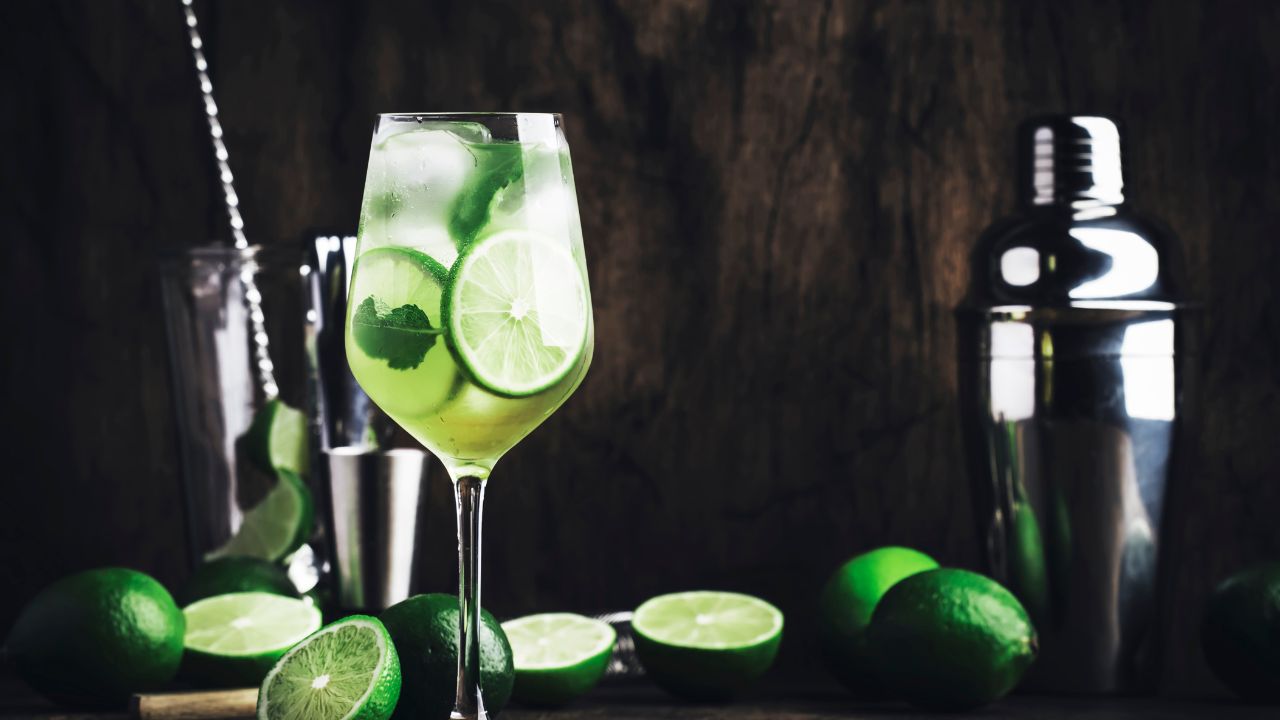
| Hugo Spritz (Summer Drink) | |
| 2005 | |
| Creator | Roland Gruber |
| Year of Creation | 2005 |
| Country | Italy (South Tyrol) |
| Inaugurated |
|
| Flavor Profile | Sweet, Floral, Citrusy |
| Aromatic Qualities | Enhanced by mint leaves and citrus |
| Type of Drink | Cocktail |
| Occasions |
|
| Glass Type | Large wine glass or highball glass |
| Preparation Method | Mixed over ice |
| Garnish | Fresh mint leaves, slice of lime or lemon |
| Popularity | Spread throughout Europe and beyond, now a staple on many cocktail menus |
| Notable Characteristics | Light, refreshing, perfect for summer |
History
The Hugo Spritz offers a refreshing alternative to more well-known Italian spritzes like the Aperol Spritz or Campari Spritz, which use bitter red liqueurs as their base. By opting for a floral elderflower base, the Hugo Spritz highlights the natural lemon and citrus notes of prosecco. The addition of mint provides a cool, clean finish, making it a lighter, more refreshing spritz compared to its bitter counterparts.
The Origin of Hugo Spritz
Created in 2005 by Roland Gruber, a bartender in the Italian region of South Tyrol, the Hugo Spritz was initially conceived as a variation of the classic Spritz Veneziano. Gruber’s intention was to create a lighter, more refreshing alternative, and he succeeded magnificently. The drink has since spread throughout Europe and beyond, becoming a staple on many cocktail menus.
The Regional Signature: Hugo Spritz
One notable regional variation is the Hugo Spritz. Originating in the South Tyrol province of Northern Italy, amid the Dolomite mountain range, the Hugo Spritz is distinct for its use of elderflower cordial instead of a bitter aperitif. Traditionally, this cordial is made locally by fermenting elderflowers and sugar in the sun. Today, the readily available St-Germain elderflower liqueur is often used in its preparation.
What is a Hugo Spritz?
The Hugo Spritz is a relatively recent addition to the world of cocktails, originating from Northern Italy. It’s a light, refreshing drink that perfectly balances sweet and floral flavors with a hint of citrus, making it an ideal choice for summer. Unlike the more bitter Aperol Spritz, the Hugo Spritz offers a gentler, more aromatic experience, thanks to its key ingredients: elderflower syrup, Prosecco, and soda water.

Ingredients You Need
To make a Hugo Spritz, you’ll need the following ingredients:
- Prosecco: This Italian sparkling wine is the base of the drink, providing a crisp, bubbly texture.
- Elderflower Syrup: The star of the Hugo Spritz, elderflower syrup adds a unique, floral sweetness.
- Soda Water: A splash of soda water lightens the drink, making it even more refreshing.
- Mint Leaves: Fresh mint leaves not only add a beautiful garnish but also enhance the drink’s aromatic quality.
- Lime or Lemon: A wedge of lime or lemon adds a zesty twist, balancing the sweetness of the elderflower syrup.
How to Make a Perfect Hugo Spritz
Making a Hugo Spritz is as easy as it is enjoyable. Here’s a simple recipe you can follow:
- Fill a Glass with Ice: Start with a large wine glass or a highball glass, and fill it with ice cubes.
- Add Elderflower Syrup: Pour 15-20 ml of elderflower syrup over the ice.
- Pour Prosecco: Add 150 ml of Prosecco to the glass.
- Top with Soda Water: Add a splash of soda water to the mix.
- Garnish: Add a few fresh mint leaves and a slice of lime or lemon for garnish.
- Stir and Enjoy: Give the drink a gentle stir, and your Hugo Spritz is ready to serve.
Why Hugo Spritz Stands Out
The Hugo Spritz stands out for several reasons:
- Flavor Profile: Its unique combination of sweet elderflower and citrus makes it a refreshing alternative to more traditional, often bitter cocktails.
- Aromatic Qualities: The use of mint leaves and citrus enhances its aromatic appeal, making it a sensory delight.
- Versatility: It’s a perfect drink for various occasions, whether you’re hosting a summer barbecue, lounging by the pool, or enjoying a quiet evening on the patio.


