Table of Contents
Shogun
The Shogun, a title derived from the Japanese word 将軍 (shōgun), held a position of immense influence in Japan from 1185 to 1868, encompassing a significant period in the nation’s history. Officially designated as Sei-i Taishōgun, translating to “Commander-in-Chief of the Expeditionary Force Against the Barbarians,” the warlord, though nominally appointed by the Emperor, wielded substantial de facto power, effectively acting as the country’s ruler.
The roots of the warlord trace back to the Heian period, where military commanders initially held the title. However, it wasn’t until the political ascent of Minamoto no Yoritomo in 1185 that the Shogunate, as commonly understood, took shape. The office of the Shogun became hereditary over time, with different clans assuming this prestigious role throughout Japan’s history.
The administrative duties of the warlord were executed by the bakufu (幕府), or “tent government.” This term symbolized the warlord role as the military’s field commander and signified the temporary nature of the office. Despite its temporal symbolism, the Shogunate endured for nearly seven centuries until Tokugawa Yoshinobu relinquished power to Emperor Meiji in 1867 during the Meiji Restoration.
The history of each warlord was dynamic and marked by shifting power dynamics and ambiguous authority. The ebbs and flows of this intricate history have captivated scholars, with each era encountering competition from various sources. These sources of competition included the Emperor and the court aristocracy, remnants of imperial governmental systems, daimyōs, the shōen system, great temples and shrines, the sōhei, the shugo and jitō, the jizamurai, and early modern daimyō.
In essence, each warlord reflected the need for adapting to the changing requirements of central and regional authorities. The study of this complex historical narrative continues to engage scholars, highlighting the dynamic nature of the Shogunate era in Japanese history.
Etymology
The term “shogun,” originating from the historical title Sei-i Taishōgun (征夷大将軍), carries a rich linguistic tapestry that unveils the essence of its meaning. Breaking down its components sheds light on its nuanced significance:
- 征 (sei, せい): This character encapsulates the concepts of “conquer” or “subjugate,” adding a layer of martial prowess to the title.
- 夷 (i, い): Infused with the notions of “barbarian” or “savage,” this element highlights the military mission against external forces.
- 大 (dai, だい): Conveying a sense of “greatness,” this character elevates the title to signify a formidable and influential position.
- 将 (shō, しょう): Meaning “commander,” this term points to the leadership role inherent in the warlord responsibilities.
- 軍 (gun, ぐん): Translating to “army,” this component underscores the military nature of the warlord authority.
When amalgamated, Sei-i Taishōgun can be translated as the ‘Commander-in-Chief of the Expeditionary Force Against the Barbarians,’ emphasizing the warlord role in leading military campaigns.
Historically, the term initially denoted the general overseeing campaigns against the tribes of northern Japan. Over time, its meaning evolved, coming to designate the paramount leader of the samurai. The term generalissimo is often used as an English equivalent, extending its application to military leaders of foreign nations by the Japanese.
While “shogun” (将軍) predominantly refers to the specific historical position of Sei-i Taishōgun in Japanese, its broader East Asian context reveals a more general meaning. In languages like Chinese (将军; jiāngjūn), it simply signifies “a general.” This shift represents a semantic narrowing, where the term’s scope narrows from a broader definition to a more specific one.
The administrative apparatus of a warlord is termed bakufu (幕府) in Japanese, literally translating to “government from the curtain.” This phrase holds a symbolic resonance, harking back to battles where the head of the samurai army would sit in a scissor chair within a semi-open tent, known as a maku. This tent prominently displayed its respective mon or blazon. The application of the term bakufu to the shogun’s government reflects a potent and representative symbolism, encapsulating the fusion of military authority and governance.
Titles
Throughout history, various titles akin to Seii Taishōgun have been employed, each carrying distinct responsibilities, yet none rivaled or surpassed the significance of Seii Taishōgun. These titles include:
Seitō Taishōgun (征東大将軍)
- Translation: “Commander-in-chief for the pacification of the East”
- Notably, this position emphasized the authority to ensure tranquility in the eastern regions.
Seisei Taishōgun (征西大将軍)
- Translation: “Commander-in-chief for the pacification of the West”
- This role focused on maintaining peace and order in the western territories.
Chinjufu Shōgun (鎮守府将軍)
- Translation: “Commander-in-chief of the central peacekeeping headquarters”
- The responsibilities of this position likely involved overseeing the central command for maintaining peace.
Seiteki Taishōgun (征狄大将軍)
- Translation: “Commander-in-chief Subjugator of the barbarians”
- This title suggests a role dedicated to subduing and pacifying regions inhabited by non-mainstream or potentially adversarial groups.
Mochisetsu Taishōgun (持節大将軍)
- Translation: “Commander-in-chief of the Temporary Office”
- The duties associated with this title might have been of a provisional or transitional nature.
Sekke Shōgun (摂家将軍)
- Translation: “Great General Counselor”
- This designation could imply a role involving significant advisory responsibilities, possibly within a council.
Miya Shōgun (宮将軍)
- Translation: “Great General of the Palace”
- The responsibilities may have been closely tied to the governance or defense of a royal or imperial residence.
Mutsu Chintō Tykat (陸奥鎮東将軍)
- Translation: “Great General of Subduing Mutsu”
- The focus of this position likely pertained to the subjugation or control of the Mutsu region.
Long Beach, California, U.S.

| Paleolithic | before 14,000 BC |
| Jōmon | 14,000 – 1000 BC |
Yayoi | 1000 BC – 300 AD |
Kofun | 300 AD – 538 AD |
Asuka | 538 – 710 |
Nara | 710 – 794 |
Heian
| 794–1185 |
Kamakura
| 1185–1333 |
Muromachi
| 1336–1573 |
Azuchi–Momoyama
| 1573–1603 |
Edo (Tokugawa)
| 1603–1868 |
Meiji
| 1868–1912 |
Taishō
| 1912–1926 |
Shōwa
| 1926–1989 |
Heisei
| 1989–2019 |
Reiwa
| 2019–present |
Topics
- Currency
- Earthquakes
- Economy
- Era names
- Education
- Empire
- Foreign relations
- Geography
- Historiography
- Religion
- Buddhism
- Christianity
- Islam
- Judaism
- Shinto
- Military
- Naval
- Politics
- Post-war
- Science and technology
- Sports
- World Heritage Sites
History
First shogun
The identification of the inaugural in Japanese history remains a subject of historical debate, with differing viewpoints among scholars and sources. While some assert that Tajihi no Agatamori held this significant position, others argue in favor of Ōtomo no Otomaro. There are also claims that Sakanoue no Tamuramaro was the first warlord , adding complexity to the historical narrative.
It is worth noting that the diversity of opinions on this matter reflects the intricacies of early Japanese history. Some historical records even sidestep the issue altogether by designating Minamoto no Yoritomo, the inaugural Kamakura warlord, as the starting point for discussing the shogunate system.
The term “shogun” itself carries historical and cultural weight, representing a military commander or leader of the samurai class. The establishment of the shogunate marked a pivotal era in Japan, characterized by the dominance of military leaders. The first warlord played crucial roles in shaping the nation’s political landscape, and the debate over their identities underscores the nuanced nature of early Japanese history.
Heian period (794–1185)
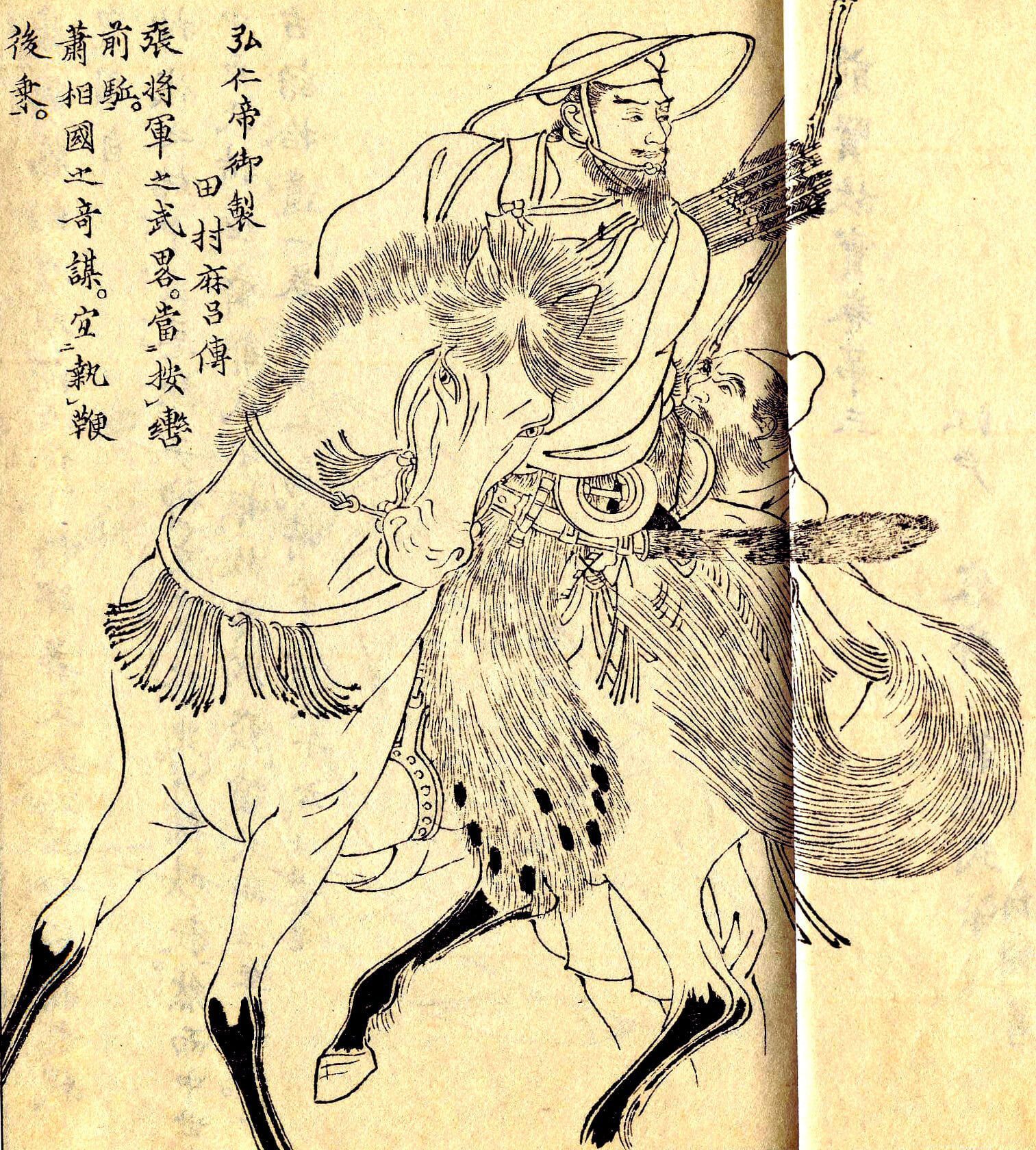
Originally, the esteemed title of Sei-i Taishōgun, translating to “Commander-in-Chief of the Expeditionary Force Against the Barbarians,” was initially bestowed upon military commanders during the early Heian period. This designation was particularly relevant during military campaigns against the Emishi, a group that resisted the governance of the imperial court in Kyoto. Ōtomo no Otomaro held the distinction of being the inaugural Sei-i Taishōgun. Notably, among these military leaders, Sakanoue no Tamuramaro stands out as one of the most renowned.
Moving into the later Heian period, another notable figure assumed the role of warlord. Minamoto no Yoshinaka was appointed as sei-i taishōgun during the Genpei War, only to meet a tragic fate shortly thereafter at the hands of Minamoto no Yoshitsune.
Sakanoue no Tamuramaro (758–811) emerges as a significant historical figure, a Japanese general who actively engaged with the Emishi tribes of northern Japan, specifically in the territories that now comprise the provinces of Mutsu and Dewa. Tamuramaro achieved the remarkable feat of subduing these tribes, thereby integrating their territory into that of the Yamato State. Recognized for his military prowess, he earned the esteemed title of Seii Taishōgun. His pivotal role in securing victory against the northern tribes cements his status as widely regarded as the first shogun in history. It is worth noting that historical sources indicate that Ōtomo no Otomaro also held the title of Seii Taishōgun, further underscoring the historical significance and evolution of this esteemed position.

Kamakura shogunate (1192–1333)
In the early 11th century, a transformative shift occurred in Japanese politics as daimyō, protected by samurai, asserted dominance over internal affairs. The Taira and Minamoto families, two of the most influential clans, engaged in a power struggle for control over the weakening imperial court. The Taira family briefly seized power from 1160 to 1185 but faced defeat by the Minamoto in the pivotal Battle of Dan-no-ura.
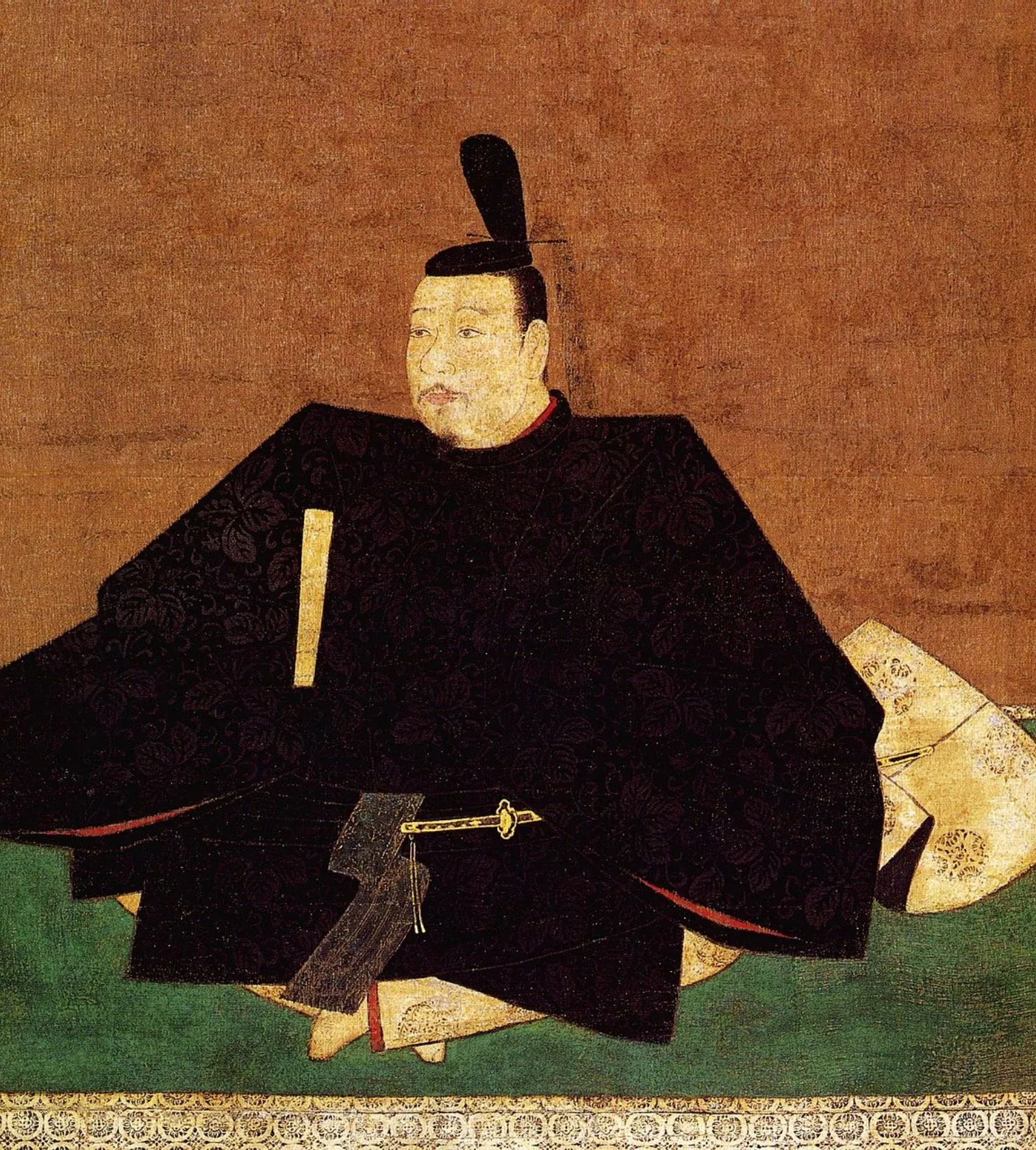
Minamoto no Yoritomo played a key role in reshaping the political landscape. By 1192, he successfully established a feudal system centered in Kamakura, earning the title of Sei-i Taishōgun from Emperor Go-Toba. This marked the inception of a shogunate, a political system characterized by successive warlord as its leaders. The term “shogun” became synonymous with military authority and governance. Yoritomo’s wife, Hojo Masako, hailing from the influential Hōjō family, later assumed control from the Kamakura shogun. As Yoritomo’s heirs faced assassination, the shogun himself evolved into a hereditary figurehead, while genuine power shifted to the Hōjō regents. The Kamakura shogunate endured for nearly 150 years, from 1192 to 1333.
The downfall of the Kamakura shogunate transpired in 1333 when Kamakura fell, and the Hōjō Regency was dismantled. Emperor Go-Daigo, seeking to restore imperial power, attempted to overthrow the shogunate in 1331 but was exiled. The subsequent Kenmu Restoration (1334–1336), facilitated by Ashikaga Takauji, saw Emperor Go-Daigo reclaim his throne. However, the aftermath of the struggle against the shogunate left the Emperor contending with land disputes among various claimants. Takauji, sensing discontent over land distribution, turned against the Emperor, leading to Daigo’s banishment in 1336 and the establishment of the new Ashikaga shogunate.
Amid these tumultuous events, another short-lived shogun emerged during the Kenmu Restoration in 1333. Prince Moriyoshi, son of Go-Daigo, was granted the title of Sei-i Taishōgun but faced house arrest and eventual death at the hands of Ashikaga Tadayoshi in 1335. The intricate interplay of power dynamics and the evolution of the shogunate system marked a pivotal era in Japanese history, with the keyword “warlord” at its core.

Ashikaga (Muromachi) shogunate (1336/1338–1573)
In the tumultuous years of 1336 or 1338, Ashikaga Takauji, hailing from the lineage of the Minamoto princes much like Minamoto no Yoritomo, ascended to prominence and received the esteemed title of sei-i taishōgun. This pivotal event marked the inception of the Ashikaga shogunate, a dynasty that officially endured until 1573. The epicenter of their authority was situated in the Muromachi district of Kyoto, defining an era known as the Muromachi period.
During the initial five decades of the shogunate, the Ashikaga struggled to consolidate dominion over the entire realm. A formidable challenge emerged in the form of a rival court, descendants of Go-Daigo, disputing their control throughout the Nanboku-chō period. The power dynamics shifted dramatically in 1392 when the Southern Court yielded to the Northern Court, solidifying the bakufu’s authority.
The aftermath of the Onin War witnessed a gradual erosion of the Ashikaga warlord influence. As the Sengoku period unfolded, they found themselves relegated to the role of mere puppets manipulated by diverse warlords. This decline reached its climax with the deposition of the last Muromachi Shogun, Ashikaga Yoshiaki, in 1573, signaling the end of an epoch marked by the shifting fortunes and intricate power struggles of the Ashikaga shogunate.
Azuchi–Momoyama period (1573–1600)
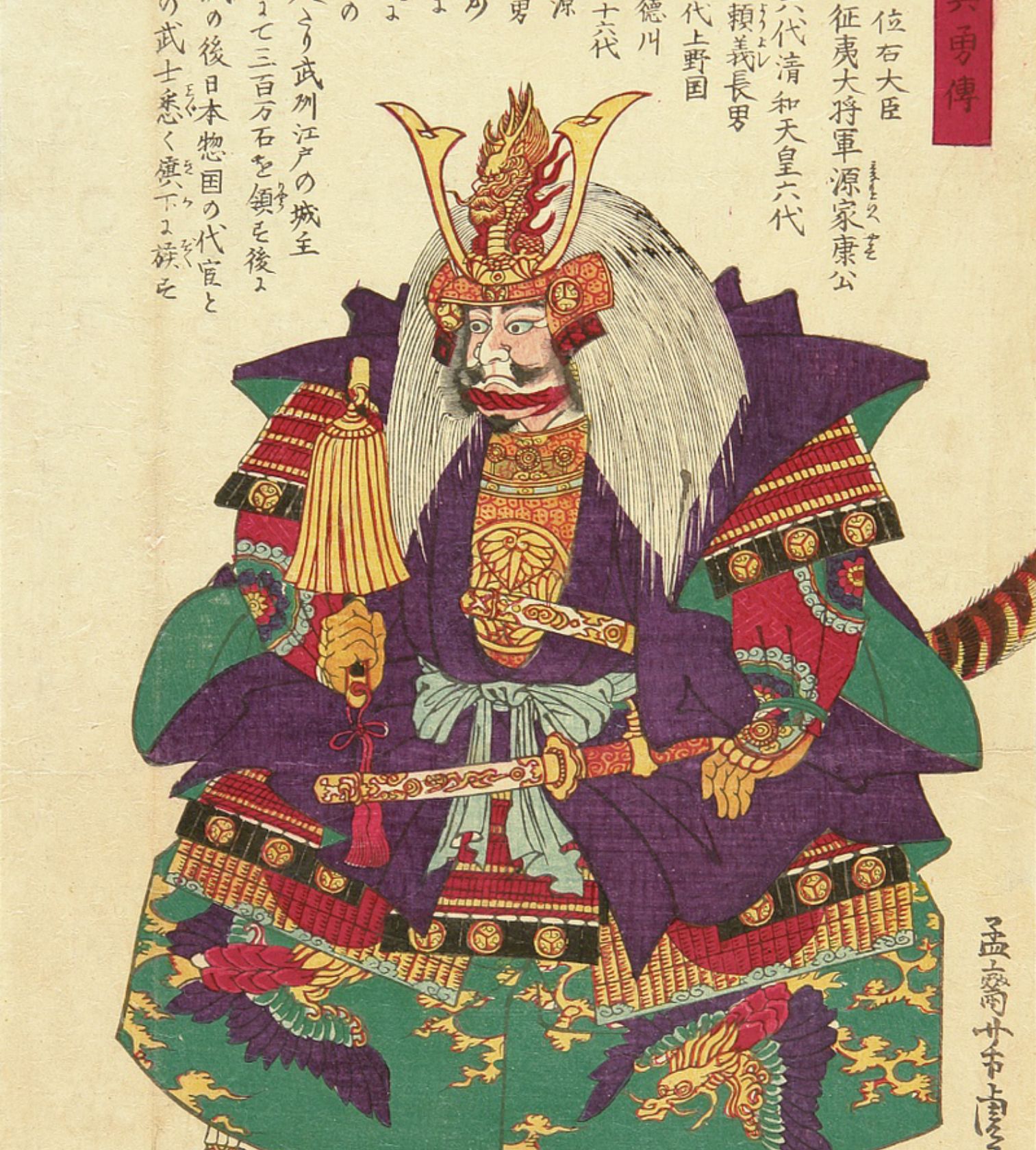
Following the decline of the Ashikaga bakufu, Oda Nobunaga and his successor, Toyotomi Hideyoshi, ascended to prominence, leveraging court titles such as Imperial Regent to wield unprecedented authority. Despite their substantial influence, neither Nobunaga nor Hideyoshi received the formal designation of warlord, a title historically associated with military leadership. Toyotomi Hideyoshi, often lauded as one of Japan’s preeminent leaders, implemented transformative policies, contributing significantly to the country’s socio-political landscape. The absence of the Shogun title for these influential figures underscores the evolving dynamics of power during this era.
The term “warlord” traditionally denoted a supreme military commander, but its formal bestowal had unique implications, signifying recognition and endorsement from the imperial court. Nobunaga and Hideyoshi’s governance, though devoid of this official title, marked a pivotal epoch in Japanese history, characterized by centralization of authority and transformative reforms. As historical narratives unfold, the nuanced interplay of court titles, military prowess, and governing strategies during the post-Ashikaga period illuminates the complexities of power dynamics in feudal Japan.
Tokugawa shogunate (1600–1868)
After the demise of Hideyoshi in the aftermath of the unsuccessful Korean invasion, Tokugawa Ieyasu strategically grasped control, securing triumph at the Battle of Sekigahara in 1600. Subsequently, he inaugurated a shogunate administration headquartered in Edo, now recognized as Tokyo. In 1603, Ieyasu assumed the title sei-i taishōgun, skillfully fabricating a lineage that portrayed his Minamoto ancestry. This marked the inception of the Tokugawa shogunate, a powerful epoch in Japanese history.
The Tokugawa shogunate endured until 1867, witnessing the pivotal moment when Tokugawa Yoshinobu relinquished the position of warlord, ceding authority to Emperor Meiji. In 1605, Ieyasu established a precedent by voluntarily stepping down as shogun in favor of his son Tokugawa Hidetada. Despite his formal retirement, Ieyasu retained influence clandestinely, assuming the role of ‘Ōgosho’ or cloistered shogun. Throughout the Edo period, genuine authority resided with the Tokugawa shogun, overshadowing the symbolic role of the Emperor in Kyoto. The shogun wielded control over foreign affairs, the military, and feudal patronage, resembling the Japanese monarchy’s ceremonial role after the Second World War.
An emblematic artifact of the Tokugawa shogunate was the Honjō Masamune, a legendary Japanese sword crafted by the esteemed swordsmith Masamune (1264–1343). Passed down through successive warlord, it stood as a symbol of the shogunate’s prestige. In a twist of fate, after World War II, specifically in December 1945, Tokugawa Iemasa entrusted the Honjō Masamune to a police station in Mejiro, only for it to mysteriously disappear, creating a mystique around its whereabouts. This narrative underscores the intricate interplay of power, lineage, and historical artifacts within the context of the Tokugawa shogunate and its enduring legacy in Japanese history.

Timelines
| S# | Name | Birth/ Death | Government |
| First shoguns | |||
|---|---|---|---|
| Tajihi no Agatamori | 668–737 | 720 | |
| Ōtomo no Yakamochi | 718?–785 | 784–785 Ki no Kosami in the year 789 | |
| Ki no Kosami | 733–797 | 789 | |
| Ōtomo no Otomaro | 731–809 | 794 | |
| Sakanoue no Tamuramaro | 758–811 | 797–811? | |
| Fun’ya no Watamaro | 765–823 | 813 | |
| Fujiwara no Tadabumi | 873–947 | 940 | |
| Minamoto no Yoshinaka | 1154–1184 | 1184 | |
| Kamakura Shogunate | |||
| 1 | Minamoto no Yoritomo | 1147–1199 | 1192–1199 |
| 2 | Minamoto no Yoriie | 1182–1204 | 1202–1203 |
| 3 | Minamoto no Sanetomo | 1192–1219 | 1203–1219 |
| 4 | Kujō Yoritsune | 1218–1256 | 1226–1244 |
| 5 | Kujō Yoritsugu | 1239–1256 | 1244–1252 |
| 6 | Prince Munetaka | 1242–1274 | 1252–1266 |
| 7 | Prince Koreyasu | 1264–1326 | 1266–1289 |
| 8 | Prince Hisaaki | 1276–1328 | 1289–1308 |
| 9 | Prince Morikuni | 1301–1333 | 1308–1333 |
| Kenmu Restoration | |||
| Prince Moriyoshi | 1308–1335 He was named warlord by his father Emperor Go-Daigo in 1333 | 1333–1335 | |
| Prince Nariyoshi | 1326–1344? | 1334–1338 | |
| Ashikaga Shogunate | |||
| 1 | Ashikaga Takauji | 1305–1358 | 1338–1358 |
| 2 | Ashikaga Yoshiakira | 1330–1367 | 1358–1367 |
| 3 | Ashikaga Yoshimitsu | 1358–1408 | 1368–1394 |
| 4 | Ashikaga Yoshimochi | 1386–1428 | 1394–1423 |
| 5 | Ashikaga Yoshikazu | 1407–1425 | 1423–1425 |
| 6 | Ashikaga Yoshinori | 1394–1441 | 1429–1441 |
| 7 | Ashikaga Yoshikatsu | 1434–1443 | 1442–1443 |
| 8 | Ashikaga Yoshimasa | 1436–1490 | 1449–1473 |
| 9 | Ashikaga Yoshihisa | 1465–1489 | 1473–1489 |
| 10 | Ashikaga Yoshitane | 1466–1523 | 1490–1493 |
| 11 | Ashikaga Yoshizumi | 1480–1511 | 1494–1508 |
| 10 | Ashikaga Yoshitane | 1508–1521 | |
| 12 | Ashikaga Yoshiharu | 1511–1550 | 1521–1546 |
| 13 | Ashikaga Yoshiteru | 1536–1565 | 1546–1565 |
| 14 | Ashikaga Yoshihide | 1538–1568 | 1568 |
| 15 | Ashikaga Yoshiaki | 1537–1597 | 1568–1573 |
| Tokugawa Shogunate | |||
| 1 | Tokugawa Ieyasu | 1542–1616 | 1603–1605 |
| 2 | Tokugawa Hidetada | 1579–1632 | 1605–1623 |
| 3 | Tokugawa Iemitsu | 1604–1651 | 1623–1651 |
| 4 | Tokugawa Ietsuna | 1641–1680 | 1651–1680 |
| 5 | Tokugawa Tsunayoshi | 1646–1709 | 1680–1709 |
| 6 | Tokugawa Ienobu | 1662–1712 | 1709–1712 |
| 7 | Tokugawa Ietsugu | 1709–1716 | 1713–1716 |
| 8 | Tokugawa Yoshimune | 1684–1751 | 1716–1745 |
| 9 | Tokugawa Ieshige | 1711–1761 | 1745–1760 |
| 10 | Tokugawa Ieharu | 1737–1786 | 1760–1786 |
| 11 | Tokugawa Ienari | 1773–1841 | 1787–1837 |
| 12 | Tokugawa Ieyoshi | 1793–1853 | 1837–1853 |
| 13 | Tokugawa Iesada | 1824–1858 | 1853–1858 |
| 14 | Tokugawa Iemochi | 1846–1866 | 1858–1866 |
| 15 | Tokugawa Yoshinobu | 1837–1913 | 1867–1868 |
Shogunate
The term bakufu, initially denoting the residence of a warlord, evolved into a symbol for a system of governance characterized by a feudal military dictatorship operating in the name of or directly by the shogun himself. This concept of tent government wielded absolute power over the Japanese territory, experiencing intermittent disruptions between 1192 and 1867, with nuanced considerations of actual power dynamics, clan dynamics, and title transfers.
The genesis of the shogunate system traces back to the Kamakura warlord established by Minamoto no Yoritomo following the Genpei War. Despite the de jure ownership of all land in Japan by the state and, therefore, the Emperor, the system displayed feudal aspects, wherein lesser territorial lords swore allegiance to their more powerful counterparts. Unlike their European feudal counterparts, samurai did not own land but were instead rewarded with agricultural surplus, primarily rice, or labor services from peasants. The cohesion of this governance system rested on the interconnected loyalties among the daimyō, samurai, and their subordinates.
The warlord system, marked by constant shifts in power and often ambiguous authority, defied static definitions. Scholars delve into the intricate history of this dynamic system, examining its ebbs and flows. Each shogunate faced competition from various sources, including the Emperor and the court aristocracy, remnants of imperial governance, daimyōs, the shōen system, prominent temples and shrines, the sōhei, shugo and jitō, as well as the jizamurai and early modern daimyō. Consequently, each shogunate adapted to the imperative of balancing the evolving needs of central and regional authorities, reflecting the complex and ever-changing nature of Japanese feudal governance.
Relationship with the emperor
Since the time of Minamoto no Yoritomo, who transformed the role of the warlord into a permanent and hereditary position, Japan witnessed the coexistence of two dominant classes until the Meiji Restoration:
The Emperor (Tennō): The emperor served as the “chief priest” of the official Shinto religion, symbolizing a divine connection to the country’s spiritual realm. The imperial role extended beyond the realm of religion, wielding influence over matters related to the state.
The Shogun: As the head of the military, the warlord held sway over civil, military, diplomatic, and judicial affairs. Although theoretically subordinate to the emperor, the shogun became the de facto powerhouse, effectively directing the governance of the nation from behind the imperial facade.
Despite having the military might at their disposal, warlord refrained from attempting to seize the imperial throne. This was partly due to the symbolic authority vested in the shogun by the emperor, reinforcing a tradition that emphasized the emperor’s divine lineage traced back to the mythical Amaterasu, the sun goddess.
The warlord , instead of usurping the throne, strategically distanced the emperor from political affairs, relegating them to a sphere of limited influence. One notable power retained by the imperial house was the ability to “control time” through the designation of Japanese Nengō or Eras and the issuance of calendars.
Emperors occasionally sought to reclaim their historical authority. In 1219, Emperor Go-Toba accused the Hōjō clan of being outlaws, leading to the Jōkyū War. However, imperial forces were defeated, and Go-Toba was subsequently exiled. Another attempt occurred in the fourteenth century when Emperor Go-Daigo rebelled against the Hōjō regents, resulting in the Nanboku-chō period, marked by the appointment of rival emperors.
Fast forward to the 1850s and 1860s, the warlord faced external pressure and challenges from foreign powers. Frustrated factions, unhappy with the shogunate’s concessions to European nations, found an ally in the emperor. The movement’s motto, Sonnō jōi (“Revere the Emperor, Eject the Barbarians”), gained momentum, leading to the successful restoration of imperial power in 1868. This marked the end of centuries of the emperor being overshadowed in the country’s political landscape and the Tokugawa shogunate’s reign.
Legacy
Following Japan’s surrender in World War II, General Douglas MacArthur assumed a de facto role as the country’s leader during the post-war occupation period. His authority in Japan led to him being colloquially referred to as the “Gaijin Shōgun” (外人将軍), highlighting the significant influence wielded by a foreigner in a position akin to that of a historical warlord .
In the present day, the political landscape in Japan is characterized by the role of the Prime Minister as the head of government. Despite the formal shift away from historical titles, the term “warlord” persists in colloquial usage. A notable phenomenon is the designation of a retired Prime Minister who continues to exert substantial power behind the scenes as a “shadow shogun” (闇将軍, yami shōgun). This concept reflects a contemporary adaptation of the historical practice of cloistered rule. Examples of individuals fitting the description of “shadow shoguns” include former Prime Minister Kakuei Tanaka and seasoned politician Ichirō Ozawa, both of whom wielded considerable influence even after leaving their formal political roles.
The enduring use of the term “warlord” in modern contexts serves as a testament to Japan’s historical legacy and the adaptability of its political terminology in describing influential figures, even in a post-feudal era.