

Table of Contents
Thiruvathirai Kali (History)
Thiruvathirai Kali is a revered South Indian dish known for its unique taste and deep cultural significance. Traditionally prepared during the festival of Thiruvathirai, this dish is dedicated to Lord Shiva and is especially popular in the states of Tamil Nadu and Kerala. Thiruvathirai, also known as Arudra Darisanam, marks the celestial dance of Lord Shiva as Nataraja and falls in the Tamil month of Margazhi, which corresponds to December-January in the Gregorian calendar.
The historical roots of Thiruvathirai Kali can be traced back to centuries-old traditions when it was first made as an offering to Lord Shiva. The festival usually coincides with the harvest season, and the ingredients used—rice, jaggery, and moong dal—reflect the season’s abundance. Each ingredient in Thiruvathirai Kali carries symbolic meaning, with rice representing prosperity, jaggery symbolizing sweetness and removing negative energy, and moong dal denoting fertility and growth.
Culturally, Thiruvathirai Kali is more than just a dish; it is a symbol of heritage, devotion, and communal harmony. Preparing this dish during the festival brings families and communities together, reinforcing social bonds and cultural identity. Despite modern adaptations to suit contemporary tastes and dietary preferences, the essence of Thiruvathirai Kali remains unchanged, continuing to honor and celebrate an important aspect of South Indian heritage.
India
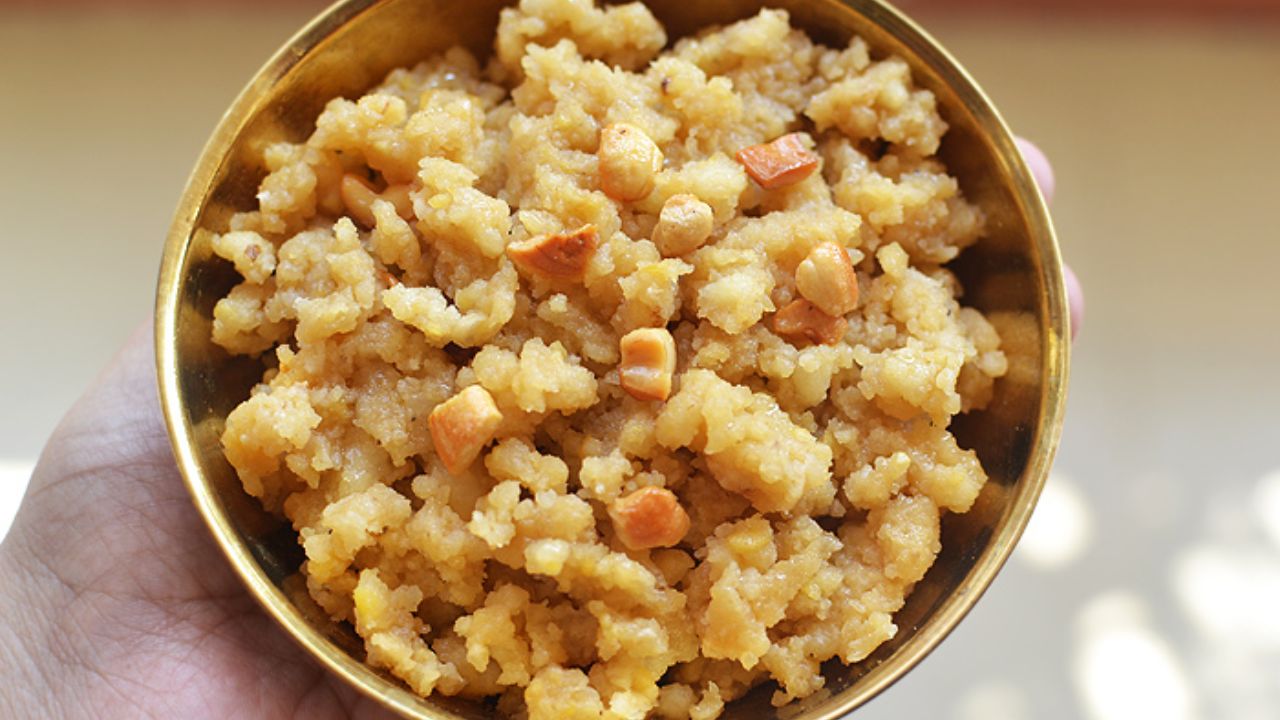
| Thiruvathirai Kali (History) | |
| / | |
| Dish Name | Thiruvathirai Kali |
| Origin | India |
| First Created | / |
| Region | South India (Tamil Nadu and Kerala) |
| Festival | Thiruvathirai (Arudra Darisanam) |
| Dedicated to | Lord Shiva |
| Celebration Month | Tamil month of Margazhi (December-January) |
| Main Ingredients | Rice, Jaggery, Moong Dal, Grated Coconut, Cardamom Powder, Ghee, Salt |
History
Thiruvathirai Kali, also known as Thiruvathirai Pongal, has been a part of the South Indian culinary tradition for centuries. It is believed that the dish was first prepared as an offering to Lord Shiva during the festival of Thiruvathirai. The historical significance of Thiruvathirai Kali lies not only in its religious roots but also in its connection to agrarian practices. The festival often falls in the Tamil month of Margazhi (December-January), when the harvest season is in full swing. The ingredients used in Thiruvathirai Kali, such as rice, jaggery, and legumes, reflect the season’s bounty.
Ingredients
The preparation of Thiruvathirai Kali is a meticulous process that requires patience and attention to detail. Here is a step-by-step guide to making this delicious dish:
Ingredients:
- 1 cup rice
- 1/2 cup moong dal
- 1 1/2 cups jaggery
- 4 cups water
- 1/4 cup grated coconut
- 1/4 teaspoon cardamom powder
- 2 tablespoons ghee
- A pinch of salt
Method:
- Roasting the Ingredients: Dry roast the rice and moong dal separately until they turn golden brown. This enhances the flavor of the ingredients.
- Grinding: Grind the roasted rice and moong dal into a coarse powder.
- Making Jaggery Syrup: In a pan, dissolve the jaggery in water and bring it to a boil. Strain to remove any impurities.
- Cooking the Mixture: In a heavy-bottomed pan, add the jaggery syrup and bring it to a boil. Slowly add the rice and moong dal mixture, stirring continuously to avoid lumps.
- Final Touches: Add the grated coconut, cardamom powder, and a pinch of salt. Cook until the mixture thickens and leaves the sides of the pan.
- Tempering: In a separate pan, heat ghee and add it to the mixture. Stir well and remove from heat.
Cultural Context and Modern Adaptations
Thiruvathirai Kali is not just a dish but a symbol of cultural heritage and devotion. It is traditionally prepared in temples and homes during the Thiruvathirai festival and offered to Lord Shiva. The preparation and sharing of Thiruvathirai Kali bring families and communities together, reinforcing social bonds and cultural identity.
In modern times, while the essence of the dish remains unchanged, there have been some adaptations to suit contemporary tastes and dietary preferences. For instance, some people use brown rice or millets instead of white rice for a healthier version. Similarly, variations in the amount of jaggery and ghee allow for adjustments in sweetness and richness.


