Table of Contents
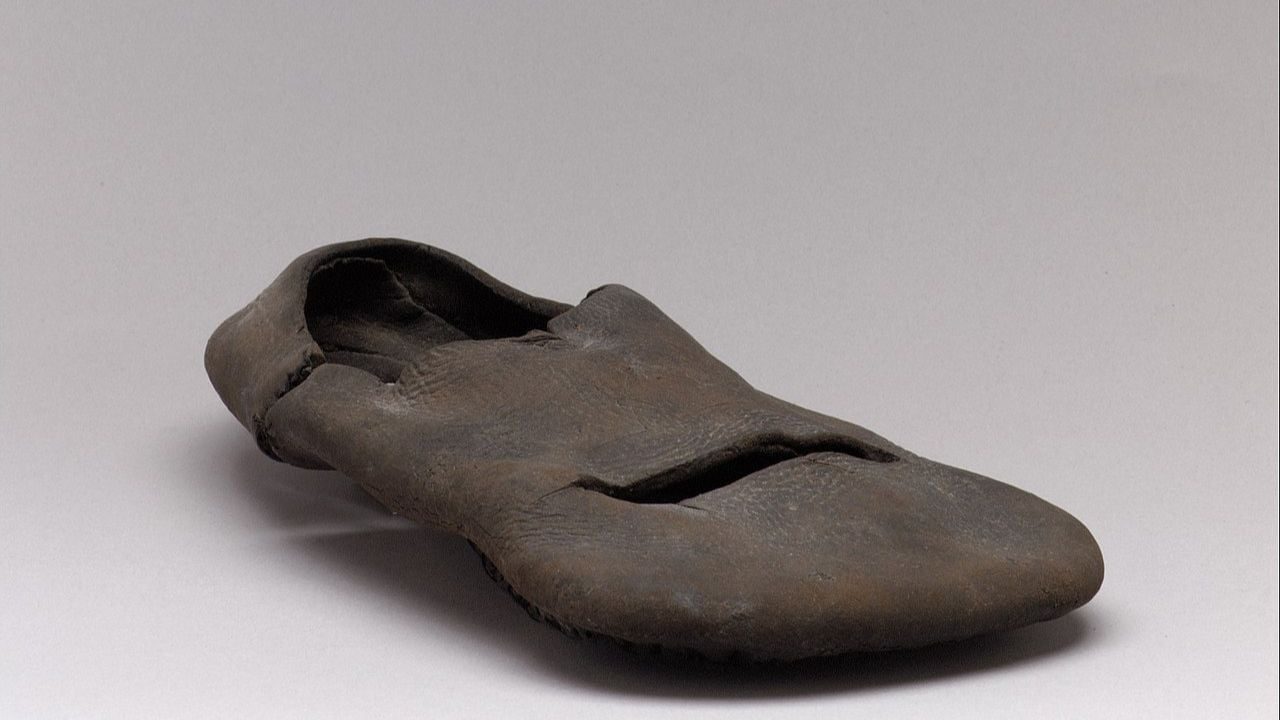
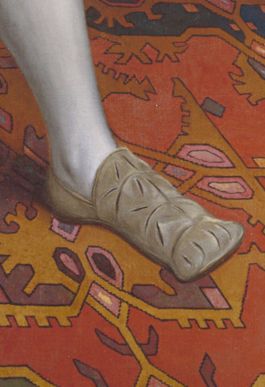
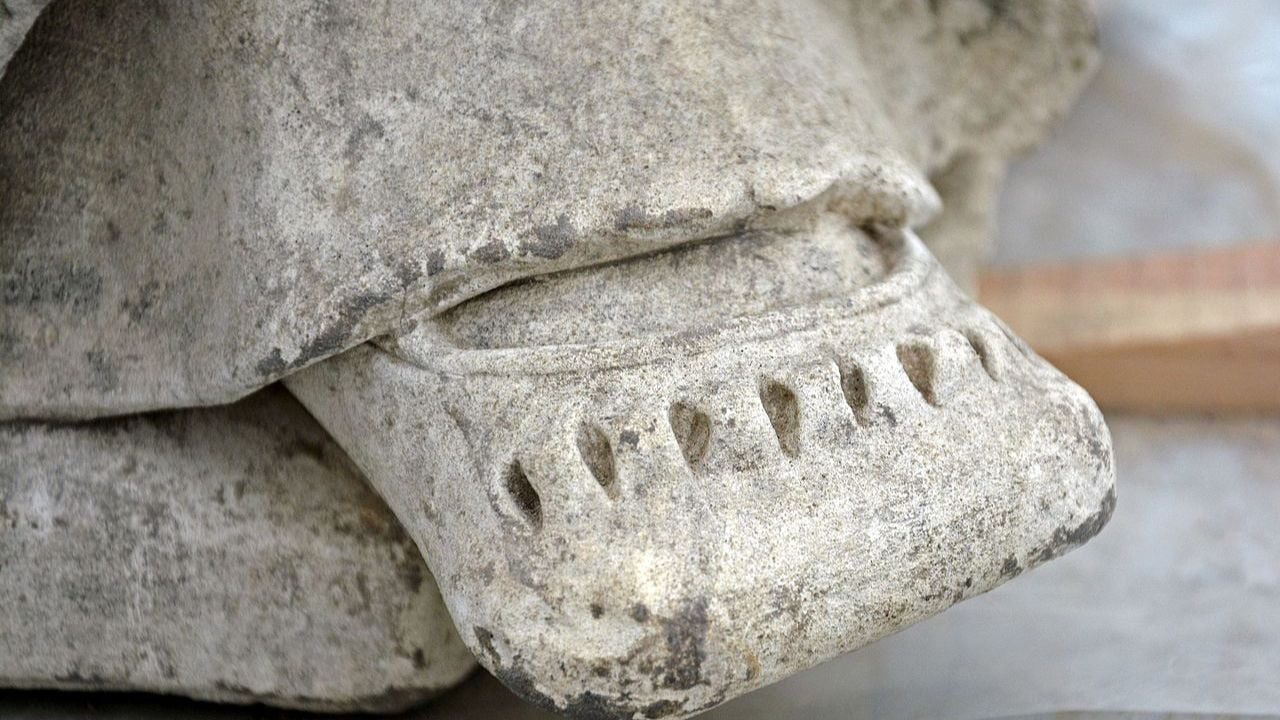
Duckbill shoe
The Duckbill shoe, named for its distinctive wide and flat toe resembling the bill of a duck, is a unique footwear style that offers both comfort and style. Originating from traditional Japanese geta sandals, the Duckbill shoe has evolved into a modern fashion statement with its sleek design and ergonomic shape. Crafted with quality materials such as leather or canvas, these shoes provide a comfortable fit while ensuring durability for everyday wear.
One of the defining features of the Duckbill shoe is its wide toe box, allowing ample space for the toes to spread naturally. This design promotes better balance and stability, making it an ideal choice for individuals who prioritize comfort without compromising on style. Whether strolling through city streets or attending casual gatherings, the Duckbill shoe effortlessly combines fashion with functionality, offering a versatile option for various occasions.
In addition to its practical benefits, the Duckbill shoe has gained popularity among fashion enthusiasts for its unique aesthetic appeal. Its distinct silhouette adds a touch of sophistication to any outfit, effortlessly elevating both casual and semi-formal looks. With its growing presence in the fashion industry, the Duckbill shoe continues to captivate shoe aficionados worldwide, proving that comfort and style can indeed coexist seamlessly.
Country : European

The Evolution of the Duckbill Shoe
In the 15th and 16th centuries, a unique footwear style known as the duckbill, bearpaw, or cow’s mouth gained popularity among European nobility. This fashion trend, characterized by a broad toe, emerged during the reign of Charles VIII of France, who famously had an extra toe. Later, figures like Henry VIII of England embraced this style, which replaced the excessively long toes of the poulaine. However, despite its initial allure, the duckbill shoe soon became impractical as it enlarged with stuffing and horns, sometimes reaching a foot in width, resulting in a distinct waddling gait for the wearer. Sumptuary laws were even introduced to curb these excesses.
Albrecht Dürer, the renowned German artist, left behind a surviving design for the duckbill shoe. His description emphasized its construction on a straight, symmetric last and its entirely flat sole, crafted from two thicknesses of leather. Additionally, these shoes were adorned with straps over the instep, adding both functionality and aesthetic appeal to the design. Despite its eventual impracticalities, the duckbill shoe remains a fascinating artifact of historical fashion, showcasing the evolution of footwear styles over the centuries.
Duckbill Shoes Renaissance
In the fascinating world of historical footwear, the renaissance of duckbill shoes stands out as a remarkable revival of a once-beloved style. These distinctive shoes, characterized by their elongated, upturned toe resembling a duck’s bill, have captured the imagination of fashion enthusiasts and historians alike. The renaissance of duckbill shoes represents a resurgence of interest in the intricate craftsmanship and unique design elements of this iconic footwear.
Duckbill shoes trace their origins back to the medieval and renaissance periods, where they were favored by nobility and commoners alike for their elegant appearance and comfortable fit. However, as fashion evolved, duckbill shoes gradually faded into obscurity, replaced by more contemporary styles. Yet, in recent years, there has been a notable resurgence of interest in these charming shoes, with designers drawing inspiration from historical references to recreate modern interpretations that pay homage to their rich heritage.
Today, duckbill shoes are experiencing a renaissance as fashion-forward individuals embrace their quirky yet sophisticated aesthetic. From runways to city streets, these shoes are making a bold statement, adding a touch of whimsy and nostalgia to contemporary wardrobes. With their graceful curves and distinctive silhouette, duckbill shoes are not just a fashion accessory but a symbol of timeless elegance and cultural heritage, reminding us of the enduring allure of vintage-inspired design.
Sumptuary Laws
The Fourth Council of the Lateran in 1215 marked a significant turning point in the attire of Jews and Muslims in Europe. This decree mandated that Jews and Muslims must dress in a manner that distinguished them from Christians, leading to the transformation of the conical or pointed Jewish hat from a voluntary cultural symbol to a mandated identifier. Initially worn as part of traditional attire, the pointed hat became a symbol of enforced discrimination. In 1267, a law in Breslau enforced the wearing of these hats among Jews who had ceased to do so voluntarily. Concurrently, sumptuary laws regulating the attire of prostitutes emerged in the 13th century, echoing ancient Roman practices. These laws, such as requiring striped cloaks in Marseilles and striped hoods in England, gradually evolved into simpler forms like bands of fabric or tassels. These regulations reflected both the growing urban population’s need for control and the Church’s increasing influence in social matters across Europe.
Footwear
During this period, shoes evolved with a pointed toe, albeit in a more subdued manner compared to the extravagant styles of the 14th century. Both men and women typically wore shoes that were open at the front, extending from the instep to the toe. Boots remained primarily a masculine fashion choice. Commoners relied on stockings with leather soles and wooden clogs for footwear, often supplemented with woolen garters for practicality and comfort.
FAQ
FAQ
Most frequent questions and answers
What were poulaines known as?
During the 14th and 15th centuries, the height of their popularity, pointy-toed shoes were referred to as “poulaines” or “cracows.” These fashionable footwear choices were predominantly seen on men in illuminated manuscripts from that era, yet intriguingly, women also embraced this trend, as evidenced by surviving historical records and images.
What were the long-toed shoes called?
Long-toed shoes, often elongated and tapering to a point, were known by various names such as poulaine, pike, crakow, and liripipe. Interestingly, these terms sometimes specifically denoted the elongated toe itself rather than the entire footwear, leading to occasional confusion among historians and writers attempting to categorize them accurately.
What are pointy shoes called?
Pointy shoes have a rich history spanning various cultures and time periods. They’ve been known by different names depending on their geographic and historical context. Some notable examples include Opanci, traditional footwear worn by Balkan peasants since ancient times; Mexican pointy boots, a modern fashion statement popular in Mexico and the southern United States since the 21st century; Pigache, worn in medieval Europe during the 11th to 13th centuries; Poulaines, a term referring to the distinctive pointed shoes worn in 14th and 15th century Europe; and Winklepickers, a style favored in Britain and elsewhere since the 1960s to the present day.
What is a glider shoe?
The Glider shoe is a specialized slip-on footwear designed for specific industries like food service, hygiene (HACCP approved), and the motor industry. Featuring a 200J composite non-metallic toe cap, the Glider shoe prioritizes safety while offering comfort and ease of use. It meets ISO 20345 standards, making it an ideal choice for workplaces where protection and compliance are paramount.
Film and Television
Please Open Desktop View on Mobile Show Awards List .. Thank You
Biography Points
Gallery
External
- Update Soon ...